
In modern agriculture, demand for sustainable solutions is rapidly increasing as growers seek to improve crop production while reducing environmental impact. One of the most effective innovations in this space is the use of controlled-release fertilizer (CRF). Unlike conventional fertilizers, a controlled-release system ensures a steady nutrient supply that matches the plant’s growth cycle, helping optimize plant uptake and overall plant nutrition.
These fertilizers use advanced polymer coating technologies to regulate nutrient release into the soil solution, ensuring minimal nutrient losses through leaching and volatilization. This improves nutrient use efficiency and supports environmentally friendly farming practices. Manufacturers such as ICL Group, Harrell’s, and Pursell Agri-Tech are leading the industry with innovative release technologies, such as E-Max Release Technology, and products such as Polyon® and eqo.x.This article explores the best controlled-release fertilizer manufacturers, their innovations, and how their CRF products help growers achieve higher yields, cost savings, and better crops while addressing environmental concerns.
What Are Controlled-Release Fertilizers?
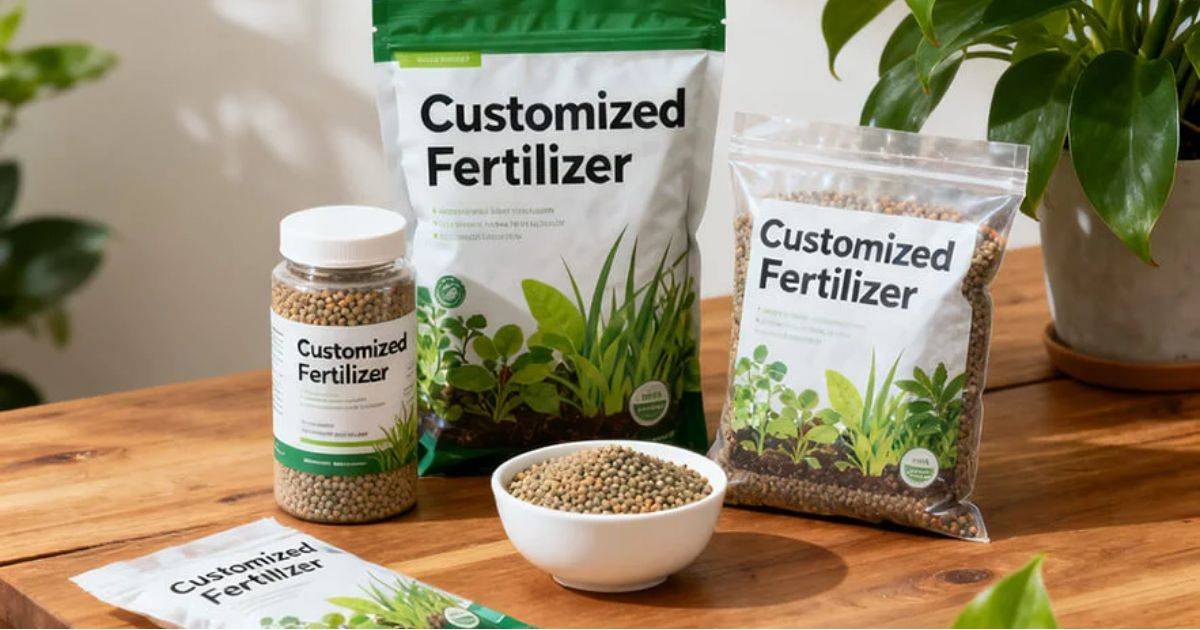
A controlled-release fertilizer is a type of coated fertilizer that releases nutrients into the soil at a controlled rate over time. These fertilizers typically consist of specially selected conventional granules coated with a semipermeable polymer coating, allowing water to penetrate and dissolve the nutrient, which is then gradually released.This controlled nutrient delivery ensures that plants receive a steady nutrient supply, improving nutrient availability and maximizing nutrient uptake. Compared to conventional fertilizers, which release nutrients rapidly and often lead to nutrient leaching and nutrient losses, CRFs provide nutrient supply over an extended period, aligning with the plant’s growth cycle.

Products such as controlled-release nitrogen fertilizers are particularly valuable in reducing excess nitrogen fertilizer use while improving nutrient efficiency. These fertilizers are widely used in greenhouse, ornamental, and specialty agriculture applications, where precise fertilization is critical.By minimizing application rates and reducing labor and application costs, Using Organic Fertilisers CRF products offer a more efficient and sustainable approach to crop nutrition and plant growth, helping growers achieve optimal plant development and higher crop yields.
Importance of Sustainable Farming
Sustainable agriculture focuses on meeting the evolving needs of modern agriculture while minimizing environmental harm. Traditional fertilizer application methods often lead to excessive nutrient losses, nutrient leaching, and volatilization, contributing to serious environmental concerns such as water pollution and soil degradation.The use of controlled-release fertilizers (CRFs) helps minimize nutrient waste by ensuring nutrient release matches plant demand. This improves nutrient use efficiency and reduces the risk of over-fertilization. By delivering nutrients directly into the soil solution in a controlled manner, CRFs enhance plant uptake and support healthier plant establishment.
Manufacturers are making significant R&D investments to develop more efficient fertilizers with advanced coating systems that are more sustainable and biodegradable. These innovations are crucial for modern agtech and digital farming, where precision and efficiency are key.By adopting controlled-release fertilizer, growers can achieve better crops, higher yields, and improved crop production while reducing their environmental footprint. Best Fertilizer Application Timing for Healthy Plants and Higher Yields This makes CRFs an essential component of sustainable plant nutrition products and future-ready farming systems.
Key Features to Look for in Manufacturers
When selecting the best controlled-release fertilizer manufacturers, growers must consider several important factors. First, the quality of coating technologies is crucial, as the polymer-coated layer determines the release rate and overall longevity of the fertilizer.Leading manufacturers invest in R&D to develop innovative formulation techniques that ensure consistent nutrient release and optimal nutrient supply. Technologies like E-Max Release Technology and Polyon® demonstrate how advanced release technology can improve nutrient efficiency and reduce nutrient losses.
Another crucial element is the capacity to provide custom-blended solutions tailored to specific crops, including specialty crops and ornamental plants. Manufacturers should also provide a wide range of CRF products, including controlled-release nitrogen fertilizers, NPK blends, and plant nutrition products.Additionally, companies must focus on environmentally responsible production processes and support modern digital farming practices. Strong global distribution, agronomic support, and expertise in crop nutrition are also essential.Choosing the right manufacturer ensures better nutrient delivery, improved plant growth, and significant cost savings, especially when compared to conventional fertilizers.
Best Controlled-Release Fertilizer Manufacturers
Several global companies are leading the controlled-release fertilizer industry with innovative solutions. ICL Group is known for its controlled-release fertilizers, including eqo.x, which uses an advanced polymer coating to optimize nutrient release and improve nutrient use efficiency.Harrell’s offers high-quality CRF products, such as USDA Freezes Farmer Funding, designed to provide a consistent nutrient release and enhance plant uptake. Their products are widely used in greenhouse, ornamental, and specialty agriculture.

Pursell Agri-Tech is another key player, known for its innovative coating technologies and focus on sustainable fertilization. Their polymer-coated fertilizers ensure precise nutrient delivery and reduce nutrient losses.These producers are always coming up with new ideas to adapt to the changing needs of modern agriculture, offering solutions that improve crop production, support agronomic efficiency, and deliver higher yields with reduced environmental impact.
Benefits of Using CRFs
The use of controlled-release fertilizers (CRFs) provides numerous benefits for growers. One of the main advantages is improved nutrient use efficiency, as nutrients are released gradually, ensuring better plant uptake and reduced nutrient losses.CRFs help minimize nutrient leaching and volatilization, making them more environmentally friendly compared to conventional fertilizers. This controlled nutrient delivery supports consistent plant growth, leading to higher crop yields and better crops.
Another major benefit is cost savings. By reducing application rates and minimizing labor and application costs, CRFs make farming more efficient. Their extended longevity also means fewer applications are needed throughout the growth cycle.These fertilizers are especially beneficial in greenhouse, ornamental, and specialty agriculture, where precise crop nutrition is essential. With improved nutrient availability and steady nutrient supply, CRFs help achieve optimal plant health and increased productivity.
Future Trends in Controlled-Release Fertilizers
The future of controlled-release fertilizer is being shaped by rapid innovation, sustainability goals, and the evolving needs of modern agriculture. One of the most important trends is the advancement in coating technologies, especially polymer-coated and biodegradable polymer materials. These innovations aim to improve nutrient release, reduce nutrient losses, and minimize environmental impacts from nutrient leaching and volatilization.Another key trend is the rise of precision agriculture and digital farming, where controlled-release and CRF products are integrated with smart systems to optimize fertilizer application and application rates. This helps growers achieve higher nutrient use efficiency, better plant uptake, and improved crop production.
The development of enhanced efficiency Fertilizer, including advanced controlled-release nitrogen fertilizers, is also gaining momentum. These fertilizers provide a steady nutrient supply throughout the growth cycle, ensuring optimal plant nutrition and higher yields.Additionally, innovations such as nanotechnology and improved nutrient delivery systems are making fertilizers more efficient and cost-effective. However, future developments are also focusing on addressing environmental concerns, such as reducing microplastic residues from coated fertilizers and promoting eco-friendly alternatives. As demand grows, CRFs will play a vital role in sustainable agriculture, helping growers produce better crops while protecting the environment.
Tips for Choosing the Right Manufacturer
Choosing the right controlled-release fertilizer manufacturer is essential for achieving optimal crop production, higher yields, and sustainable agriculture. One of the first things to evaluate is the manufacturer’s expertise in coating technologies and polymer coatings, as these directly influence the release rate and nutrient release efficiency. High-quality controlled-release fertilizer (CRF) products use semipermeable coatings to ensure a steady nutrient supply that matches the plant’s growth cycle. Another important factor is product performance. Look for manufacturers offering a wide range of CRF products, including controlled-release nitrogen fertilizers and NPK formulations, designed for different crops, including specialty crops, ornamentals, and greenhouse farming. These products should improve nutrient use efficiency, enhance plant uptake, and minimize nutrient losses, Sustainable Soil such as leaching and volatilization.

You should also consider R&D capabilities and innovation. Manufacturers investing in advanced release technology and enhanced efficiency fertilizers can better meet the evolving needs of modern agriculture. Additionally, check for environmentally friendly practices that reduce nutrient leaching and support sustainable plant nutrition.Finally, compare cost savings, application rates, and technical support. Reliable manufacturers provide strong agronomic guidance, helping growers improve nutrient efficiency, reduce labor and application costs, and produce better crops compared to conventional fertilizers.
Conclusion
In conclusion, controlled-release fertilizers are transforming modern agriculture by providing a more effective and long-lasting method of fertilization. With advanced coating technologies, these fertilizers ensure controlled nutrient release, improving nutrient use efficiency and reducing environmental concerns.Leading manufacturers like ICL Group, Harrell’s, and Pursell Agri-Tech are driving innovation through R&D, offering high-performance CRF products tailored to various crops and conditions.
By adopting controlled-release fertilizer, growers can achieve higher yields, improve crop production, and reduce nutrient losses, all while supporting sustainable farming practices. As agtech and digital farming continue to evolve, CRFs will play an increasingly important role in meeting the demands of global food production.For farmers and growers looking to improve efficiency and sustainability, investing in high-quality controlled-release fertilizers is a smart and future-ready decision.
FAQ
What is a controlled-release fertilizer?
A controlled-release fertilizer (CRF) is a type of fertilizer that uses advanced coating technologies, often a polymer coating, to regulate nutrient release over time. This ensures a steady nutrient supply that matches the plant’s growth cycle, improving plant uptake and overall plant nutrition.
How is controlled-release different from conventional fertilizers?
Unlike conventional fertilizers, which release nutrients quickly and can lead to nutrient losses through leaching and volatilization, controlled-release fertilizers provide a gradual release of nutrients. This improves nutrient use efficiency, reduces environmental concerns, and supports better crop production.
Are controlled-release fertilizers environmentally friendly?
Yes, controlled-release fertilizers are more environmentally friendly because they help minimize nutrient losses, reduce nutrient leaching, and improve nutrient efficiency. By slowly delivering nutrients into the soil solution, they reduce the risk of pollution and support sustainable agriculture.
What types of crops benefit from CRFs?
CRF products are widely used in greenhouse, ornamental, and specialty agriculture, as well as field crops. They are ideal for specialty crops that require precise fertilization, helping ensure optimal plant growth and higher yields.
Do controlled-release fertilizers improve crop yield?
Yes, by providing a steady nutrient supply and enhancing nutrient availability, controlled-release fertilizer supports better plant growth, improved nutrient uptake, and ultimately higher crop yields.