

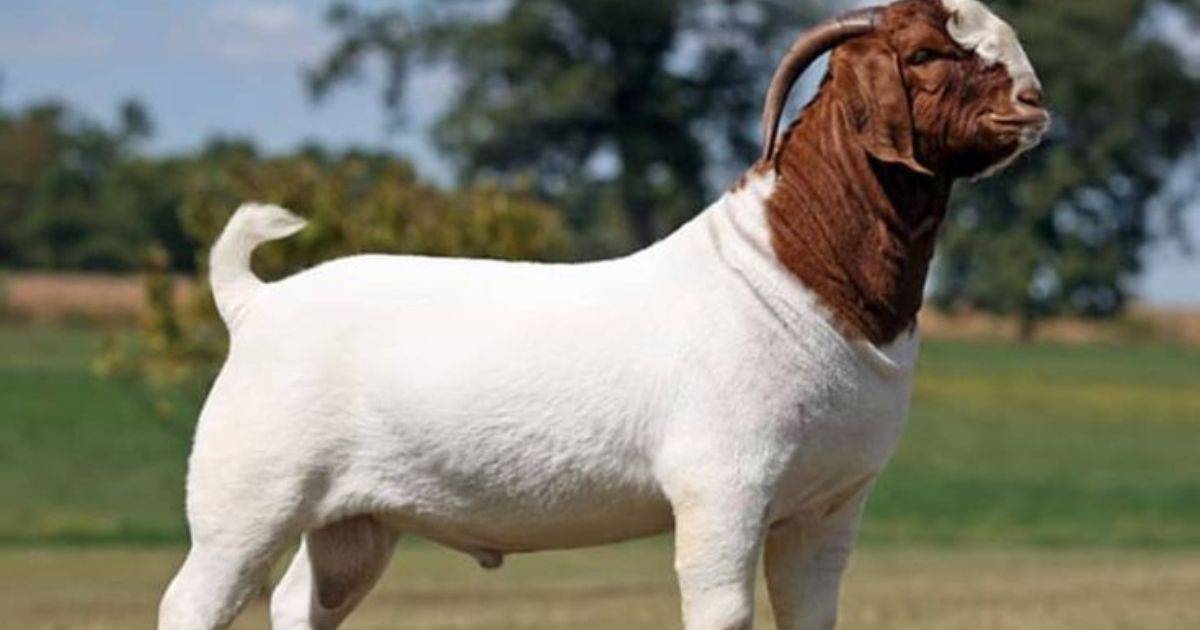
Goats are among the most versatile livestock animals in the world. There are hundreds of goat breeds developed to suit different climates, production systems, and farming goals. From dairy farms in Europe to meat production in Africa and Asia, the diversity of goat breeds reflects human needs and environmental conditions. Understanding the different types of goats helps farmers select the right animals for milk, meat, fiber, or dual-purpose use.
The wide variety of goats available today includes small, hardy breeds for dry regions and large, productive breeds for commercial farming. Each goat breed has unique traits, such as milk yield, growth rate, temperament, and adaptability. Some goat animal breeds are famous for high butterfat milk, while others are valued for rapid weight gain.Exploring different goat breeds gives insight into how genetics and geography shape livestock production. Whether you are a beginner or an experienced farmer, learning about the various types of goats will increase farm output and assist you in making well-informed decisions.
Dairy Goat Breeds
Dairy production is one of the primary reasons farmers raise goats. Among the most popular goat breeds for milk are Saanen, Alpine, Nubian, and Toggenburg. These goats are known for high milk yield, good udder structure, and a calm temperament. Dairy-focused goat breeds are carefully selected for consistent lactation performance.The Saanen goat, often called the “queen of dairy goats,” produces large quantities of milk. Nubian goats are known for milk with higher butterfat content, making them ideal for cheese production. Alpine goats adapt well to various climates, demonstrating that different goat types can thrive globally.
Farmers interested in milk production should consider feed requirements, housing, and climate suitability when choosing among the many goat breeds available. Dairy goat breeds typically require Different Types of Cows: Breeds Characteristics and Uses Explained proper nutrition and management to maintain high production.Understanding these different goat breeds enables farmers to match the right breed to their dairy goals, ensuring sustainable, profitable milk production.
Meat Goat Breeds
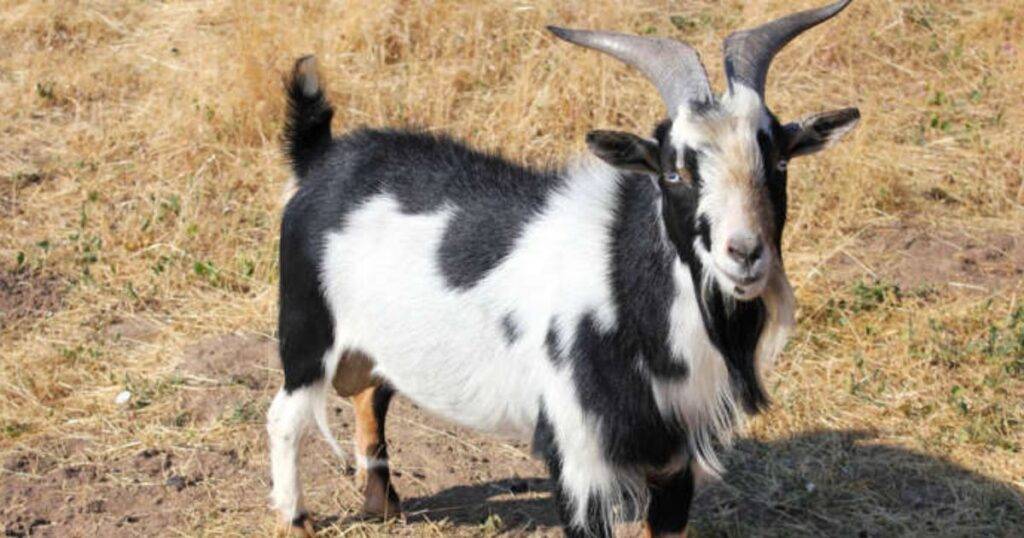
Meat production is another essential purpose for raising goats worldwide. Popular meat-focused goat breeds include Boer, Kiko, and Spanish goats. These types of goats are valued for rapid growth, strong muscling, and adaptability to harsh conditions.The Boer goat, originally from South Africa, is one of the most recognized meat goat breeds. It grows quickly and produces high-quality carcasses. Kiko goats, developed in New Zealand, are hardy and require minimal management, demonstrating how different goat breeds adapt to rugged environments.
Many farmers prefer meat goat breeds because they can graze efficiently and thrive in areas where cattle may struggle. Selecting the right goat breed depends on climate, feed availability, and market demand.By understanding the range of different goat breeds, farmers can choose animals that offer strong growth rates and good feed conversion. Meat-focused goat different types contribute significantly to food security in many parts of the world.
Fiber-Producing Goat Breeds
Fiber production introduces another category of goat breeds valued for their luxurious wool or hair. Angora and Cashmere goats are among the most well-known breeds of fiber goats. These goat breeds are explicitly raised for mohair and cashmere production.Angora goats produce mohair, a shiny and durable fiber used in clothing and textiles. Cashmere goats yield fine undercoat fibers prized for softness and warmth. These different types of goats require exceptional management to maintain fiber quality and prevent damage.
Fiber-focused goat animal breeds may not produce as Turkey Breed Guide: From Hatchery to Table much milk or meat as other goat types, but their fiber has high market value. Farmers who choose these kinds of goats often operate in cooler climates where fiber growth is optimal.Understanding the diversity within different goat breeds helps producers explore niche markets. Fiber-producing goat breeds demonstrate how selective breeding has created specialized livestock for specific industries worldwide.
Dual-Purpose Goat Types
Some goat breeds are valued for both milk and meat production. These dual-purpose goats offer flexibility for small- and medium-scale farmers. Examples include the Nubian and some local indigenous goat breeds that provide moderate milk yields and good body weight.Dual-purpose goat breeds are ideal for farmers seeking balanced productivity. Instead of specializing in a single output, these goats produce different types, allowing diversified income streams. In many developing countries, The Health Benefits of Peaches: A Nutritional Powerhouse local goat animal breeds serve as reliable sources of both nutrition and income.
The advantage of raising dual-purpose goat breeds is reduced risk. If milk prices drop, farmers can focus on meat production, and vice versa. Selecting the right goat breed depends on farm goals and available resources.Exploring different goat breeds worldwide shows that versatility is a valuable trait. Dual-purpose goats play a crucial role in sustainable agriculture and rural livelihoods.
Rare and Indigenous Goat Animal Breeds
Across the globe, many indigenous goat breeds have adapted to local environments over centuries. These goat breeds may not be as well-known as others, but they are highly resilient. Local goat breeds often tolerate extreme heat, poor feeding conditions, and disease challenges better than imported goat breeds.Indigenous goat breeds preserve crucial genetic diversity. In many regions, traditional goat breeds support smallholder farmers and rural communities. When Did American Farmers Start Growing Soybeans These goat breeds may produce moderate milk or meat but excel in survival and low-input systems.
Protecting rare goat breeds ensures the long-term sustainability of livestock farming. Climate change and evolving market demands highlight the importance of maintaining diverse goat types worldwide.By understanding and valuing different types of goats, farmers and policymakers can promote conservation while supporting food security.
How to Choose the Right Breed of Goat
Selecting the right goat breed requires careful evaluation of farm goals, climate, and available resources. With so many goat breeds available, understanding the strengths of each category, dairy, meat, fiber, or dual-purpose, is essential.Farmers should consider feed availability, housing, disease resistance, and market demand before choosing among the many goat breeds. Some different goat breeds perform better in cold climates, while others thrive in dry regions.
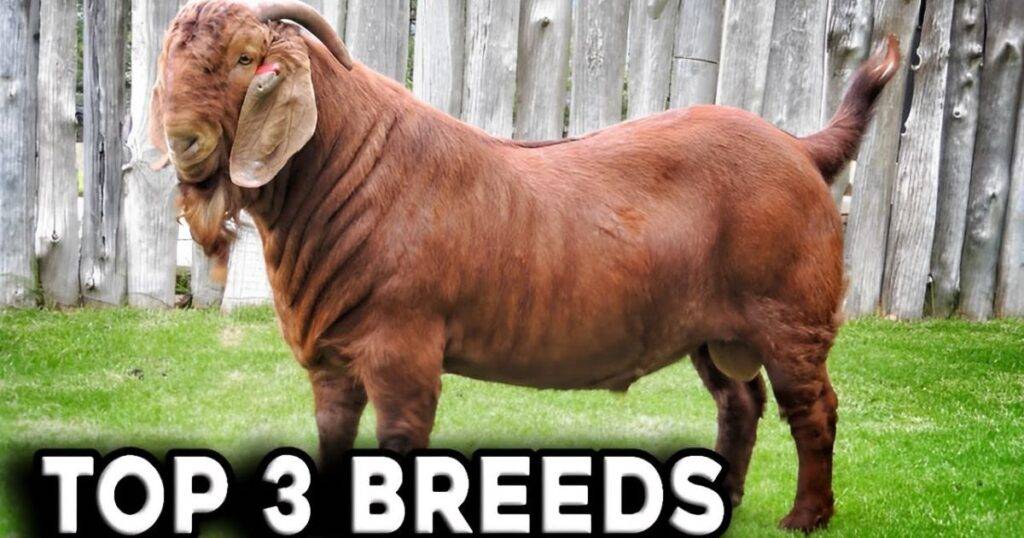
Evaluating the entire goat breed diversity ensures better productivity and profitability. Whether exploring different types of milk or selecting hardy goat animal breeds for meat, informed decisions lead to long-term success.By learning about the global range of goat breeds, farmers can confidently select the best breeds suited to their specific needs and production systems.
Conclusion
Goats play a vital role in agriculture worldwide, and the wide range of goat breeds underscores their importance across different farming systems. From high-producing dairy animals to fast-growing meat varieties and valuable fiber producers, the many breeds of goats available today offer solutions for farmers in nearly every climate. Understanding the different types of goats enables producers to select animals that align with their goals, resources, and market demands.The global goat breed variety includes specialized dairy lines, hardy meat goat breeds, fiber-producing breeds, and adaptable dual-purpose breeds. Boer Goats: A Complete Guide to Raising Breeding and Caring Each goat breed offers unique strengths, whether in milk yield, growth rate, fiber quality, or disease resistance. Exploring different goat breeds also shows how local environments shape livestock development, resulting in resilient indigenous goat breeds.
By learning about the many types of goats, Farmers can make well-informed choices that increase sustainability and production. Whether raising animals for household consumption or commercial production, selecting the right goat breeds ensures long-term success. Ultimately, the diversity within different types makes goats one of the most versatile and valuable livestock species worldwide.
FAQ
How many goat breeds are there in the world?
There are hundreds of recognized goat breeds worldwide. The exact number varies depending on classification systems, but global livestock databases list over 300 goat breeds. These include dairy, meat, fiber, and dual-purpose animals. The large goat variety reflects adaptation to different climates, farming systems, and cultural needs. Exploring different goat breeds helps farmers understand which animals perform best in specific environments.
What are the main types of goats raised for farming?
The main types of goats raised for farming belong to three groups: meat, dairy, and fiber. Some goat types are also dual-purpose, producing both milk and meat. Dairy goat animal breeds focus on high milk production, while meat types of goat are selected for rapid growth and strong muscling. Fiber-producing different kinds of goats are valued for mohair or cashmere. Choosing among these goat breeds depends on farm goals.
Which breed of goat is best for beginners?
The best breed of goat for beginners depends on climate and purpose. However, hardy, adaptable goat breeds are usually recommended. Many dual-purpose goats of different types are easier to manage because they balance productivity and resilience. Beginners should look for calm temperament, disease resistance, and manageable size when selecting a goat breed.
What is the difference between dairy and meat goat breeds?
Dairy breeds of goats are selected for high milk yield and good udder structure, while meat-focused goat types emphasize fast growth and muscular body structure. Dairy goats of different types often require more nutritional management, whereas meat goat animal breeds are generally hardy and adaptable. Understanding these differences helps farmers choose suitable goat types for their production system.
Why is genetic diversity important in goat breeds?
Genetic diversity among goat breeds ensures better disease resistance, climate adaptability, and long-term sustainability. Indigenous and rare goat breeds preserve valuable traits that commercial goat breeds may lack. Maintaining a broad range of goat breeds protects future livestock production and supports food security worldwide.
