


As the leaves change color and the air turns crispy, there’s nothing quite like a warm bowl of soup to keep you cozy. Two of the most popular ingredients for a perfect fall soup are sweet potato and butternut squash. Both produce a rich and creamy bowl of comfort, but which one actually makes the better soup? That’s exactly what we’re going to break down in this post.
Whether you’re a seasoned home cook or just starting to experiment with vegan recipes and hearty fall flavors, this guide will help you decide between sweet potato soup and butternut squash soup—or maybe convince you to combine them both.
What Makes Sweet Potato So Special?
The sweet potato is a root vegetable that has been a kitchen staple for centuries. Orange-fleshed sweet potatoes, in particular, are loaded with vitamins and minerals, including vitamin C, vitamin A, and potassium. They have a naturally sweet, earthy flavor that pairs beautifully with soups, stews, and even desserts like sweet potato pie.
Sometimes confused with yams (which are actually a different vegetable altogether), the sweet potato has a soft, starchy texture that breaks down easily during cooking. This makes it ideal for creating a thick and creamy soup without needing a ton of added fat or cream.
What About Butternut Squash?
Butternut squash is a type of winter squash with a tan exterior and bright orange flesh inside. It has a subtly sweet, nutty flavor that deepens beautifully when roasted. Fresh butternut squash is widely available during fall and winter, and it’s just as nutritious as sweet potato — packed with fiber, vitamin A, and antioxidants.
Roasted butternut squash develops a caramelized sweetness that translates into an incredibly velvety soup. It’s no wonder that butternut squash soup is a staple on restaurant menus and dinner tables every autumn.
Flavor Profile: How Do They Compare?
The flavour of sweet potato soup tends to be earthier and more robust. It pairs well with warming spices like curry, paprika, and thyme. You can also take it in a savory direction by adding onion and garlic, a pinch of cayenne, or a swirl of coconut milk for a creamy sweet potato experience.
Butternut squash soup, on the other hand, leans more toward a delicate, nutty sweetness. It works wonderfully with sage, nutmeg, and cinnamon. The taste is lighter and more refined, which is why many people consider it the best soup for entertaining guests during the holiday season.
When you combine butternut squash and sweet potato, you get the best of both worlds — a soup that’s simultaneously earthy, sweet, and deeply satisfying. A squash-and-sweet potato soup adds complexity to the bowl that neither ingredient can achieve on its own.
Texture: Which One Gives You a Creamier Soup?
Both vegetables produce a naturally creamy soup, but they get there in slightly different ways.
Sweet potatoes are denser and starchier. When cooked and blended, they yield a thick, almost pudding-like consistency. If you want a creamy texture without adding dairy, sweet potato is your best bet. The natural starches do the heavy lifting, giving you that luscious mouthfeel.
Butternut squash is less starchy and slightly more watery. However, when you roast it before blending, the moisture evaporates, leaving you with concentrated flavor and a silky-smooth consistency. A well-made roasted butternut squash soup has a lighter, more velvety body that coats the spoon beautifully.
Suppose you’re after a soup that’s ultra-thick and creamy, sweet potato edges ahead. But if you prefer something smoother and more elegant, butternut squash takes the win.
How to Make This Soup: Sweet Potato Edition
Here’s a straightforward approach to making a creamy sweet potato soup on the stovetop:
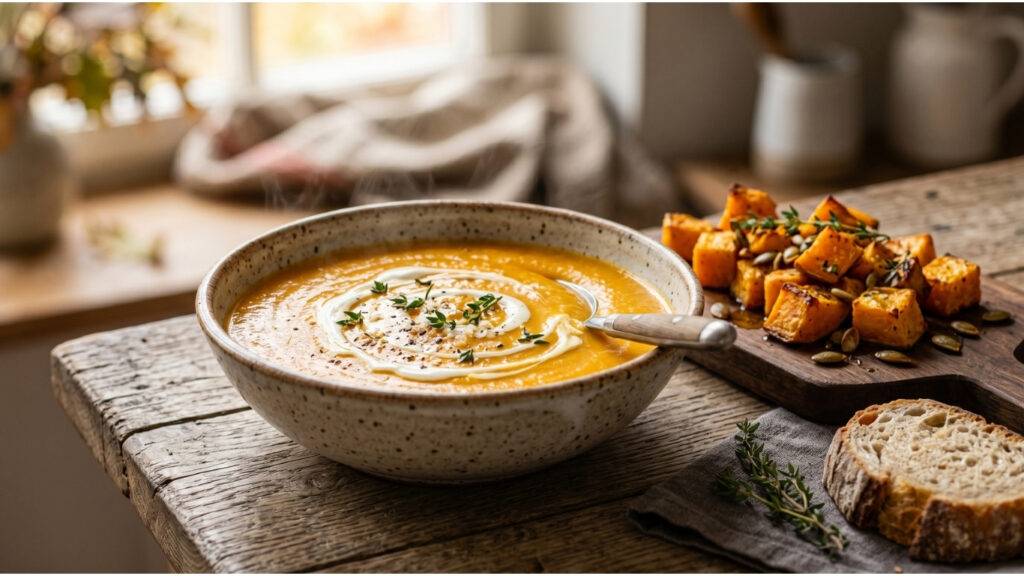
Start by heating a tablespoon of olive oil in a large pot over medium heat. Add diced onion and garlic, and cook until they’re soft and fragrant — about 3 to 4 minutes. Toss in your peeled and cubed sweet potatoes, then pour in sufficiently vegetable broth to cover everything. For extra depth, add a teaspoon of thyme, a half teaspoon of paprika, and a pinch of curry powder.
Bring the mixture to a boil, then decrease the heat and let it simmer for 20 to 25 minutes, or until the sweet potatoes are fork-tender. Once cooked, use an immersion blender to puree the soup directly in the pot. If you don’t have a hand blender or stick blender, carefully transfer the soup in batches to a standard blender to puree until smooth. Season with salt and pepper to taste, and serve with a drizzle of coconut cream or a sprinkle of toasted pumpkin seeds.
This soup recipe is vegan-friendly, naturally gluten-free, and incredibly satisfying. Each serving delivers a solid dose of fiber, vitamin A, and complex carbohydrates.
How to Make This Soup: Butternut Squash Edition
To get started with a roasted butternut squash soup, set your oven to 400°F (200°C) and let it preheat while you prepare your ingredients. Take your fresh butternut squash, slice it in half lengthwise, and remove all the seeds and stringy bits from the center. Place both halves cut-side down on a baking tray that you’ve lined with parchment paper. Slide the tray into the oven and let the squash roast for 40 to 45 minutes — you’ll know it’s ready when the flesh feels completely soft and yields easily to a fork.

Meanwhile, you can get the base of your soup going on the stove top. Warm a tablespoon of olive oil in a large pot over medium heat. Dice your onion and mince your garlic, then add them to the pot. Let the onion and garlic cook slowly until they turn golden and fragrant, stirring occasionally so nothing burns. This should take around 5 to 6 minutes, and that sautéed aroma will already have your kitchen smelling incredible.
Once your butternut squash comes out of the oven and cools slightly, scoop all the tender flesh out of the skin and drop it directly into the pot with your aromatics. Pour in enough vegetable broth to cover everything — or use chicken broth if you’re not following a plant-based diet. Stir in a generous pinch of thyme along with a dash of nutmeg for warmth, then season with salt and pepper to your liking. Give everything a good stir and let it simmer together for about 10 minutes so all the flavours have time to blend and develop into something truly special.
The Combination: Butternut Squash and Sweet Potato Soup
Why choose one when you can have both? A sweet potato and butternut squash soup combines the starchy richness of sweet potato with the refined sweetness of butternut squash and sweet, nutty undertones.
To make this soup, follow either method above, but use equal parts of each vegetable. The butternut squash and sweet potato complement each other perfectly — the sweet potato adds body and thickness, while the squash brings lightness and nuance.
You can also throw in other fall vegetables. Pumpkin and sweet potato, for example, make an excellent pairing. Cooking pumpkin alongside these two adds another layer of seasonal flavor. Some people even add cauliflower soup–style elements by including half a head of cauliflower for extra creaminess without extra calories.
Cooking Methods: Stove Top vs. Instant Pot
Both soups work beautifully on the stovetop, but if you’re short on time, the Instant Pot is a game-changer. You can sauté your onion and garlic directly in the pot, add your cubed vegetables and broth, and pressure cook for just 8 to 10 minutes. Once the pressure releases, use an immersion blender or stick blender to puree the soup to your desired consistency.
The instant pot method is especially handy when you’re making a large batch for meal prep or feeding a crowd. The flavors meld together just as well under pressure as they do with a long, slow simmer on the stove.
Storage Tips: Can You Freeze This Soup?
Absolutely — you can freeze this soup with no issues. Both sweet potato soup and butternut squash soup freeze exceptionally well thanks to their smooth, dairy-free bases. Let the soup cool completely, then portion it into freezer-safe containers.
Leftover soup will keep in the fridge for up to 4 days and in the freezer for up to 3 months. When you’re ready to reheat, thaw overnight in the fridge and warm gently on the stove. If you made a big batch, freezing individual portions makes weeknight dinners effortless.
Nutritional Facts: How Do They Stack Up?
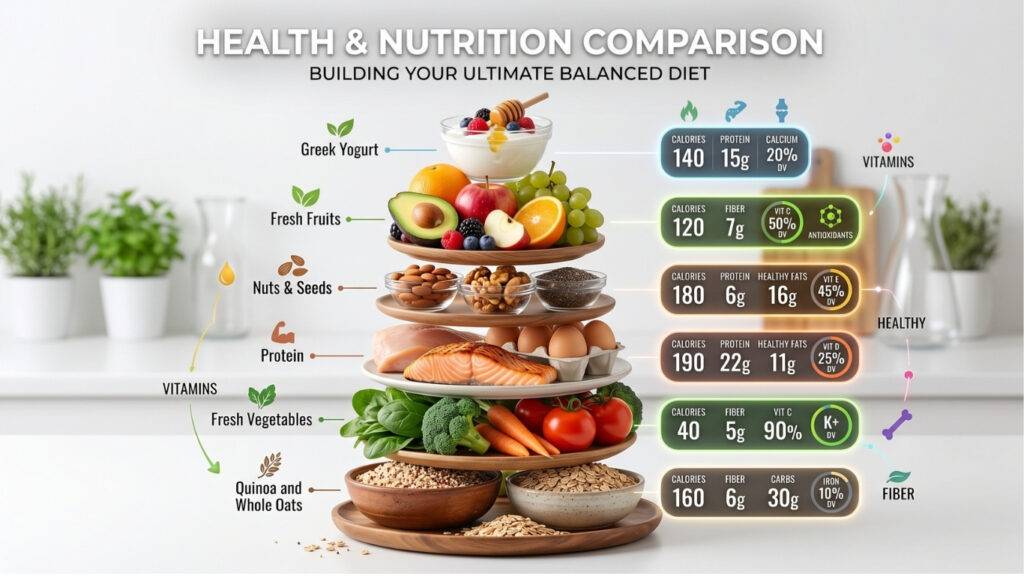
From a nutritional standpoint, both vegetables are excellent choices. Here’s a rough comparison per serving (one cup of soup):
Sweet potato soup tends to be slightly higher in calories and carbohydrates because the vegetable is starchy. However, it also offers more fiber and a hefty dose of beta-carotene, which your body converts into vitamin A.
Butternut squash soup is a bit lower in calories and carbs, making it a good option if you’re watching your intake. It still provides plenty of vitamins and minerals, including vitamin C, magnesium, and potassium.
Both soups are naturally low in fat (especially if you stick with vegetable broth and just a tablespoon of olive oil), and both are vegan-friendly when made without chicken broth or dairy.
Tips for the Best Soup Every Time
A few pointers will help you get the most out of your fall soup, regardless of which vegetable you choose.
First, roasting your vegetables before blending adds a depth of flavour that boiling alone can’t achieve. The caramelization that happens on the baking tray creates complex, slightly smoky notes that elevate the final product.
Second, don’t skip the aromatics. Onion and garlic form the flavor backbone of any good soup. Taking time to get them properly sautéed before adding liquid makes a noticeable difference.
Third, season in layers. Add thyme and paprika early in the cooking process, then adjust with salt and pepper at the end. This builds a more rounded, developed taste.
Finally, when you puree the soup, blend longer than you think you need to. Whether you’re using a traditional blender, an immersion blender, or a stick blender, extra blending time results in that ultra-smooth, creamy texture everyone loves.
The Verdict: Which Makes Better Soup?
If you want a heartier, more filling bowl with a thick and creamy consistency, sweet potato soup is your winner. It’s satisfying, warming, and incredibly easy to make in large quantities.
If you prefer something more refined, lighter on the palate, and with a sophisticated nutty sweetness, butternut squash soup is the way to go. It’s a crowd-pleaser that feels a little more elegant on the table.
But honestly? The best soup might be the one that combines both. A sweet potato-and-butternut squash soup offers richness, complexity, and the perfect balance of earthy and sweet. It’s the kind of fall soup that makes you want to cook a fresh batch every weekend from October through March.
FAQ
Can I use yams instead of sweet potatoes in these soups?
While yams and sweet potatoes are often confused, they’re different vegetables. True yams are starchier and less sweet. You can substitute them, but the flavor and creamy texture will be slightly different. Orange-fleshed sweet potatoes yield the richest, creamiest results.
What’s the best broth to use?
Vegetable broth keeps things vegan-friendly. However, chicken broth adds extra savory depth if you’re not following a plant-based diet. Both work well — choose based on your dietary preferences.
When should you not eat sweet potatoes?
You should avoid eating sweet potatoes if they are spoiled (showing mold, black spots, or mushiness). Additionally, you should skip them if you have a known allergy, need to follow a strict low-fiber diet, or are at high risk for kidney stones or certain chronic kidney conditions due to their high oxalate and potassium content
How do I get a creamy soup without dairy?
The natural starches in sweet potato and butternut squash create a creamy texture on their own. Coconut milk or cashew cream can add extra richness while keeping things vegan-friendly.
Can I freeze this soup?
Yes, you can freeze this soup for up to 3 months. Cool it completely before transferring to airtight containers. Leftover soup reheats beautifully on the stovetop.
