
In the evolving U.S. agricultural landscape in 2026, choosing the right crop can transform a simple farm into a highly profitable venture. Whether you operate a large-acre farm or a profitable small farm, selecting the right cash crop can significantly enhance the farm’s overall profitability. With rising consumer demand for health foods, organic dried products, and specialty crops, growers are now focusing on high-value, high-demand crops that can sell at premium per-pound prices.Modern agribusiness strategies, including climate-smart farming, efficient irrigation, and advanced farm management, are helping farmers reduce input costs and break even faster. From microgreens grown in minimal space to saffron cultivated from crocus, today’s profitable farming trends support both small-scale and farm and commercial operations.
Even beginners starting small can achieve strong profitability per acre by choosing the right crops to grow based on climate, market demand, and high market trends. As we move beyond 2025 into 2026, this guide explores the most lucrative crops, helping every grower diversify, scale, and maximize harvest returns.
What Makes a Crop Profitable?
A profitable crop depends on multiple factors beyond just yield. In 2026, profitability is driven by market demand, market prices, and the ability to produce consistent high yields per acre. Crops that are fast-growing, easy to grow, and require minimal input costs are often considered among the most profitable options, especially for a small farm.The climate plays a crucial role—regions with mild winters and well-drained soil allow farmers to cultivate crops year-round, whether in greenhouses or open fields. Crops like microgreens, radish, and leafy vegetables support year-round production and generate quick farm cash flow.
Another key factor is whether the crop fits into a niche market or has strong market demand, such as health-conscious foods, berries, or gourmet mushrooms, such as oyster varieties. What are the Easiest Most Profitable Crops to Grow Crops that can be sold directly through CSA (Community Supported Agriculture) or local markets often yield higher per-unit profits.Effective farm management, smart planning, and access to loans and insurance also help farmers reduce risks. Ultimately, the most profitable crops per acre are those that balance high returns, low cost, and consistent consumer demand.
Top 10 Most Profitable Crops in the USA (2026)
In the modern U.S. agricultural landscape, selecting the right crop is key to building a successful, profitable farming business in 2026. Whether you manage a large-acre farm or a profitable small farm, focusing on high-demand, high-value, and fast-growing crops can significantly increase your farm’s profitability. Below are ten of the most profitable crops that offer excellent profitability per acre, strong market demand, and high returns for every grower.
Soybean
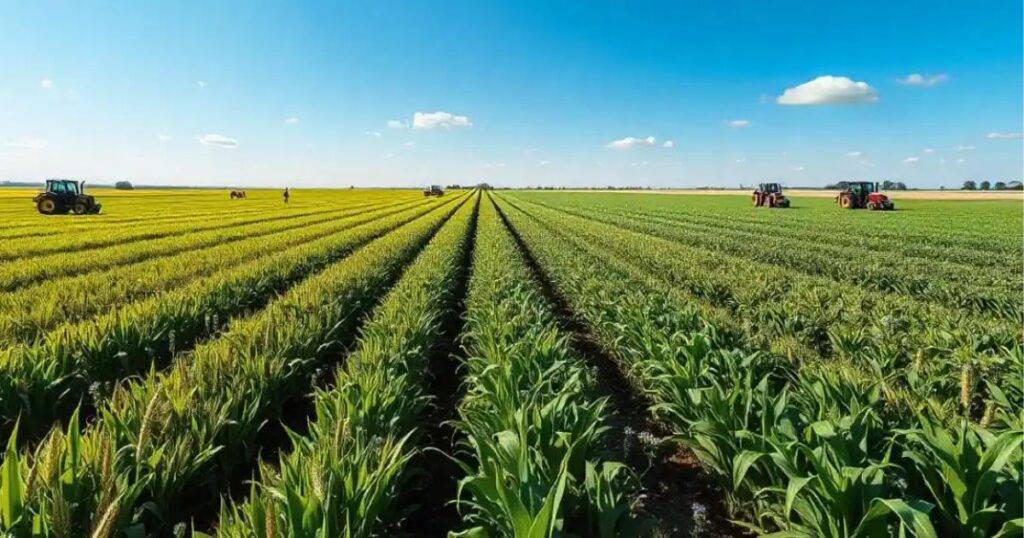
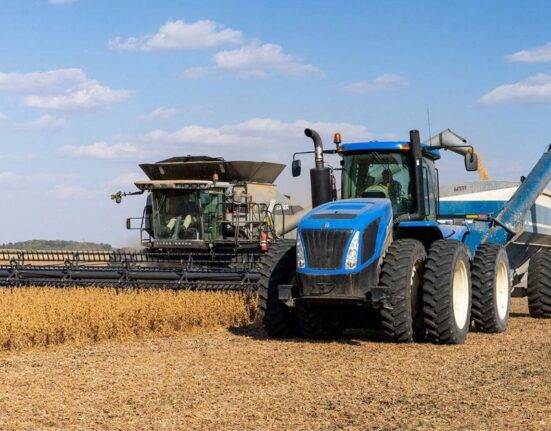
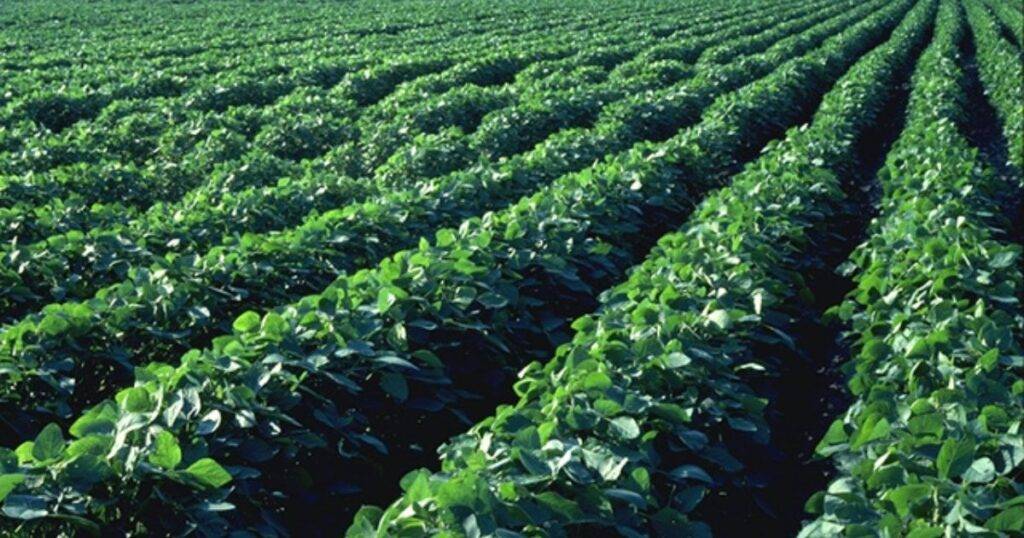
In the United States, soybeans remain among the most lucrative crops per acre due to strong global market demand. It is widely used in the food, oil, and livestock feed industries. This cash crop is suitable for both farm and commercial operations and offers stable market prices. With proper farm management, irrigation, and low input costs, soybean farming can help growers break even quickly while ensuring consistent harvest profits.
Microgreens
Microgreens are among the most profitable crops to grow, especially for a small farm or small-scale grower. These fast-growing, high-demand crops require minimal space and support year-round greenhouse production. Popular among health-conscious consumers, microgreens can be sold at premium prices per pound, making them a highly profitable venture with excellent per-unit returns.
Saffron (Crocus)
Saffron comes from the crocus flower, one of the most lucrative crops in the world. Though labor-intensive, it offers an extremely high per-pound value. It thrives in well-drained soil and regions with suitable climate conditions. As a specialty crop, saffron targets a niche market, particularly in gourmet cuisine, where it could sell at exceptional premium prices.
Gourmet Mushrooms (Oyster)
Gourmet mushrooms, especially oyster mushrooms, are a rising star in profitable farming. They fit, take up little space, and are easy to grow, making them a perfect fit for small-scale or indoor farming systems. With growing consumer demand for health foods, these mushrooms have strong market demand and generate high farm cash flow. Proper marketing strategies can further boost their profitability.
Goji Berries
Goji berries are a high-value crop known for their rich flavor and high nutrient content. Popular among health-conscious consumers, they have strong market demand in both fresh and organic dried forms. These berries can be cultivated on a small farm and offer excellent profitability per acre, especially when targeting a niche market.
Strawberries (Berry Crops)
Strawberries are one of the most profitable berry crops due to their high market prices and strong consumer demand. They are labor-intensive but yield high per-acre. With proper irrigation and care, growers can achieve multiple harvests, making them a reliable cash crop for both small and large farms.
Radish
Radish is an easy-to-grow, fast-growing vegetable that can generate quick farm cash. It is ideal for farmers starting small, as it requires minimal input costs and has a short harvest cycle. This makes radish one of the most profitable vegetables for maximizing profitability per acre in a short time.
Tomatoes (Greenhouse Farming)
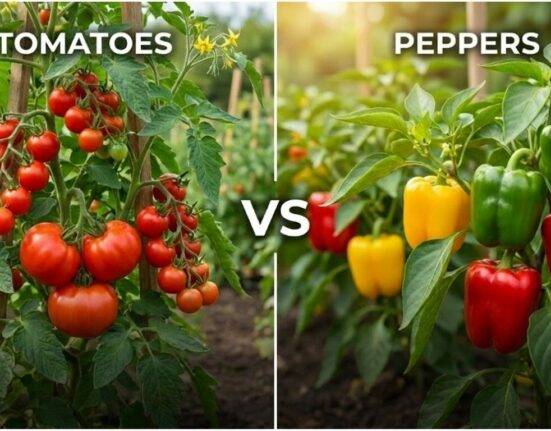
Tomatoes grown in a greenhouse are among the most profitable crops due to their year-round production and consistent market demand. They are widely used in everyday cooking, helping maintain stable market prices. With proper crop production techniques and efficient farm management, tomatoes can deliver high returns per acre.
Alfalfa (Hay Crop)
Alfalfa is a traditional cash crop that remains among the most profitable due to its strong demand in the livestock industry. It provides consistent harvests and fits well into climate-smart farming systems. ith relatively stable market prices, it is a low-risk option for maintaining a steady level of farm profitability.
Specialty Herbs (Organic & Dried)
Specialty crops like basil, lavender, and other herbs are gaining popularity in the high market of health foods and organic dried products. These crops are suitable for small-scale farms, require minimal space, and can be sold at premium prices. They also support diversifying strategies, helping farmers increase income streams and scale their agribusiness.
These crops to grow in 2026 are among the most profitable choices for modern farmers. By focusing on high-demand, high-value, and fast-growing crops, growers can improve profitability, reduce risks, and build a sustainable, profitable farming model in today’s competitive market.
Emerging High-Profit Crops
Beyond traditional farming, emerging high-value crops are redefining profitable farming in 2026. These crops are often grown in controlled environments, such as greenhouse systems, enabling year-round production and higher profitability per acre.Microgreens continue to dominate due to their rapid growth and ability to thrive in limited space. They are ideal for small-scale growers and urban farms looking to generate quick cash on-site. Similarly, gourmet mushrooms, including oyster varieties, are expanding in the niche market, offering high per-unit value.Exotic crops like saffron (derived from crocus) and goji berries are gaining attention for their use in health foods and premium cuisine. These crops often achieve premium prices due to limited supply and strong market demand.
Farmers are also focusing on organic dried herbs and specialty crops for health-conscious consumers. These crops not only improve the farm’s profitability but also support sustainable and climate-smart agriculture.With the right marketing strategies and efficient crop production, these emerging crops offer a highly profitable venture, especially for those starting small and looking to expand gradually.
Regional Profitability Breakdown (U.S – 2026)
Understanding regional differences is essential for maximizing a farm’s profitability in the modern U.S agricultural landscape. Each region has a unique climate, soil conditions, and market demand, which directly affect which crop is most profitable per acre. elow is a detailed breakdown:
Midwest (Corn Belt – Iowa, Illinois, Nebraska)
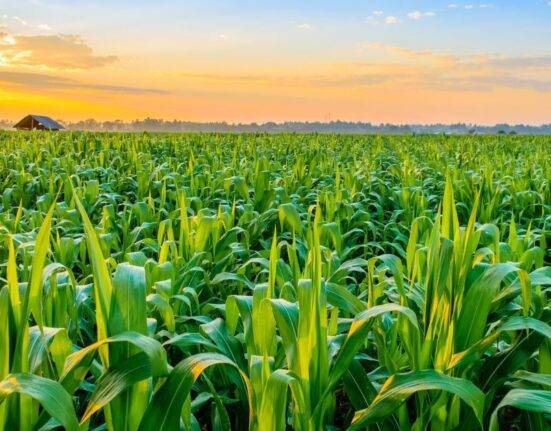
The Midwest is the backbone of U.S crop production, known for large-scale farm operations. His region is dominated by soybean and corn production, with these two crops accounting for nearly 75% of the farmland. These are reliable cash crops with strong global market demand.
Although profit margins can fluctuate with market prices and input costs, the Midwest still offers high yields per acre, making it one of the most profitable regions for large-scale growers. However, What Are Cash Crops climate challenges such as excess rainfall and rising temperatures are impacting long-term profitability.
California (Specialty Crop Hub)
California is the most high-value agricultural region in the U.S., leading in fruits, vegetables, nuts, and specialty crops. rops like almonds, grapes, strawberries, and berries command premium prices per pound, making them highly profitable per acre.
However, farming here is labor-intensive and requires advanced irrigation systems, increasing input costs. Despite this, the region remains one of the most lucrative due to strong consumer demand and export markets.
Southern U.S (Texas, Georgia, Mississippi Delta)
The Southern region supports a diverse array of crops, including cotton, rice, peanuts, and soybeans. With relatively mild winters, farmers can achieve longer growing seasons and multiple harvests.
This region is ideal for small- and mid-sized farms seeking steady farm cash flow. However, weather risks like floods and hurricanes can affect profitability per acre.
Pacific Northwest (Washington, Oregon)
This region is known for high-demand specialty crops, including apples, cherries, potatoes, and berries. With a favorable climate and access to water, farmers achieve high yields and consistent market prices.The region supports high-value crops that appeal to health-conscious consumers, making it a strong, profitable venture area.
Great Plains (Kansas, Oklahoma, Dakotas)
The Great Plains are well-suited for drought-resistant crops like wheat and sorghum. While wheat has faced declining profitability due to low global market prices, it still plays a key role in large-acre farm systems.Farmers here focus on climate-smart agriculture, reducing risks and improving farm management to maintain steady returns.
Tips to Maximize Crop Profitability
Maximizing crop profitability in the modern U.S agricultural landscape requires more than just choosing the right crop. Whether you run a large acre farm or a profitable small farm, smart strategies can significantly boost your farm’s profitability and ensure long-term success in 2026.
Choose High-Demand & High-Value Crops
Focus on high-demand, high-value crops that can sell at premium per-pound prices. Specialty crops like saffron, microgreens, goji berries, and gourmet mushrooms (oyster) are among the most profitable crops per acre. These crops target a niche market and are popular among health-conscious consumers, ensuring strong market demand and better profitability.
Start Small and Scale Gradually
If you are starting small, begin with a small-scale setup and expand over time. Roots like radish and microgreens are easy to grow, fast-growing, and require minimal investment. His approach reduces risk, How to Start a Profitable Greenhouse Farming Business helps you break even faster, and supports long-term scaling of your agribusiness.
Use Greenhouse & Year-Round Production
Investing in a greenhouse allows year-round production, especially for profitable vegetables and herbs. ontrolled environments improve crop production, reduce weather risks, and increase yields per acre. This is ideal for maximizing output in minimal space, especially for a profitable small farm.
Optimize Farm Management & Reduce Input Costs
Efficient farm management is key to improving profitability per acre. Monitor input costs like seeds, fertilizers, and labor. Use climate-smart techniques such as drip irrigation and soil health management to reduce waste and increase efficiency. Power costs mean higher returns for every grower.
Diversify Crops for Stability
Don’t rely on a single cash crop. Instead, diversify your crops to grow by combining traditional crops like soybeans with specialty crops. This reduces risk from market fluctuations and ensures steady farm cash flow throughout the year.
Target Niche Markets & Direct Selling
Selling directly to customers via Community Supported Agriculture (CSA) or local markets can increase your per-unit profit. Focus on organic, dried, and healthy foods, as well as locally grown products, to meet rising consumer demand. trong marketing strategies help you capture high market opportunities.
Focus on Fast Harvest Cycles
Crops with short harvest cycles, like radish and microgreens, generate quick income. These fast-growing crops enable multiple harvests per year, improving profitability per acre and ensuring continuous farm cash flow.
Improve Soil & Irrigation Practices
Healthy, well-drained soil and efficient irrigation systems are essential for high yields. Proper water management reduces risk, especially in regions with changing climate conditions. This directly affects the farm’s overall profitability.
Leverage Loans, Insurance & Technology
Access to loans and insurance helps farmers manage risks and invest in better infrastructure. Using modern tools like precision farming and data analytics improves decision-making, reduces losses, Farm Management: and enhances overall profitability.
Plan Smart & Adapt to Market Trends
A strong planning process is essential for long-term success. Study market prices, track consumer demand, and adapt your strategy accordingly. Focus on crops that are among the most profitable and align with future trends beyond 2025.
Challenges Farmers Face in 2026
While many opportunities exist in profitable farming, farmers across the U.S agricultural landscape in 2026 also face several challenges that directly impact crop profitability and long-term success. Whether managing a large-acre farm or a profitable small farm, understanding these issues is essential to protecting your farm’s profitability.
Rising Input Costs
Rising input costs, such as seed costs, are among the main obstacles. Fertilizers, labor, and fuel. These expenses reduce overall profitability per acre, making it harder for growers to maintain strong returns. Even highly profitable crops may struggle to remain viable if production costs continue to rise.
Climate Change & Unpredictable Weather
Changing climate conditions, including droughts, floods, and extreme temperatures, are affecting crop production. Regions that previously had stable conditions now face uncertainty, affecting harvest cycles and yields per acre. Farmers must adopt climate-smart practices and improved irrigation systems to reduce risks.
Labor Shortages
Many labor-intensive crops, such as berries, saffron (crocus), and specialty crops, require skilled workers. owever, labor shortages are increasing, especially during peak harvest seasons. His challenge affects both small-scale farms, large farms,, as well as commercial operations.
Market Price Fluctuations
Unstable market prices can significantly impact farm cash flow. Why Corn and Soybean Prices ven crops with strong market demand, such as soybeans, or high-value crops, may experience price drops. Farmers must monitor trends and use smart marketing strategies to stay profitable.
Pest & Disease Pressure
Increasing pest resistance and plant diseases threaten crop production. High-value and high-demand crops are particularly vulnerable. Effective farm management and integrated pest control strategies are necessary to maintain healthy crops and ensure high yields.
Water Scarcity & Irrigation Issues
Access to water is becoming a major concern, especially in regions with limited rainfall. Efficient irrigation systems are essential, but they also increase input costs. Poor water management can reduce profitability per acre and limit crop choices.
Conclusion
Choosing the right crop in the U.S. agricultural landscape is essential for building a successful, profitable farming business in 2026. Whether managing a large-acre farm or a profitable small farm, focusing on high-demand, high-value crops ensures better profitability per acre and long-term growth.From traditional staples like soybeans to specialty crops such as saffron, microgreens, and gourmet mushrooms, farmers now have a wide range of lucrative options. These crops not only meet strong market demand but also allow farmers to diversify, reduce risk, and increase farm cash flow.
Efficient farm management, proper irrigation, and a well-structured planning process are crucial for maximizing high returns while minimizing input costs. Access to loans and insurance further supports farmers in achieving financial stability and reaching the break-even point more quickly.As customer demand for nutritious foods keeps rising, organic dried products, and locally sourced produce, farmers who adopt climate-smart practices and modern agribusiness strategies will stay ahead.Ultimately, success lies in selecting the right crops to grow, understanding the market, and continuously adapting to industry trends.
FAQ
What is the most profitable crop per acre in 2026?
In 2026, crops like saffron, microgreens, and gourmet mushrooms (oyster) are considered one of the most profitable crops per acre. These high-value crops offer excellent profitability because they can be sold at premium per-pound prices. While traditional crops like soybeans provide stable returns, specialty crops often generate higher per-unit income, especially in niche markets with strong consumer demand.
Which crops are best for a profitable small farm?
For a profitable small farm, microgreens, radish, goji berries, and profitable vegetables are great options. These crops are easy to grow, fast-growing, and require minimal space and investment. They support year-round greenhouse production and allow farmers starting small to achieve quick harvests and steady farm cash flow, with high profitability per acre.
Are organic and specialty crops more profitable?
Yes, organic dried products and specialty crops are often more profitable due to increasing consumer demand for health foods. These crops target high-end markets and can be sold at premium prices. However, they may be labor-intensive and require careful farm management, proper irrigation, and strong marketing strategies to maintain consistent profitability.
What factors affect crop profitability the most?
The key factors affecting crop profitability include market demand, market prices, input costs, and climate conditions. The important elements are farm management, access to loans and insurance, and efficient crop production methods. Choosing high-demand crops and maintaining healthy soil with proper irrigation can significantly improve yields per acre and the overall farm’s profitability.
How can farmers maximize profitability in 2026?
Farmers can maximize profitability by selecting high-demand, high-value crops, improving farm management, and reducing input costs. Singing climate-smart techniques, diversifying crop rotations, and adopting greenhouse farming for year-round production are effective strategies. Selling through CSA or direct markets also increases per-unit profit and strengthens overall agribusiness success.