
Fungicide plays a vital role in modern crop protection, especially for corn and soybean crops, where disease pressure continues to increase. Today’s grower understands that fungicide timing is just as important as the product itself. Poor fungicide application timing can reduce disease control effectiveness and lower the farmer’s investment in fungicide. With increasing disease pressure in corn and soybeans, including threats such as northern corn leaf blight and gray leaf spot, a fungicide timing tool is essential.A new fungicide timing solution is now available to help growers make smarter fungicide decisions. These tools analyze disease risk, weather data, and crop growth stages to recommend the best application timing to help ensure the fungicide is as efficient as possible. Fungicide applications are becoming more precise thanks to AI-powered timing tools and field-specific timing recommendations.
For corn growers and soybean producers, using an optimal fungicide tool ensures better ROI and improved disease management. Whether it’s Pioneer fungicide timing or Corteva model timing, these innovations are shaping the future of corn production and helping growers protect yield with optimal spray timing.
What Is a Fungicide Timing Tool?
A fungicide timing tool is a digital or AI-powered timing solution designed to help growers determine the optimal timing for fungicide application. This tool provides real-time insights into disease risk, crop stage, and environmental conditions, allowing for better fungicide application decisions and protecting yield effectively.Modern tools, such as the unique spray timer tool for optimal fungicide use, combine weather models, disease-pressure data, and crop growth tracking. These systems generate timing recommendations and tools’ timing alerts, ensuring fungicide applications are applied within the identified timing window. For example, Different Types of Cows the spray timer recommends the optimal application timing to help growers manage corn diseases such as northern corn leaf blight.
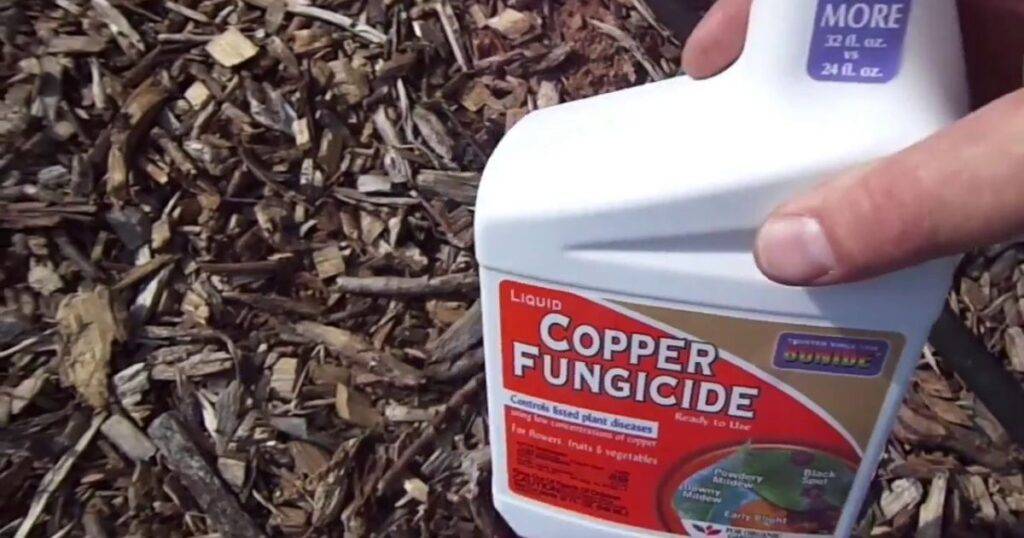
Many tools are developed for corn and soybeans, helping corn growers and soybean farmers optimize fungicide use. Some solutions, such as those designed for pioneer customers, provide access to prescriptive fungicide timing and field-placement alerts. These tools generate spray alerts from Xarvio field systems and other integrated platforms.A timer tool for efficient fungicide management ensures that treatment is applied only when disease pressure warrants it. By using such tools, growers can reduce unnecessary sprays, improve disease control, and achieve measurable ROI.
Why Fungicide Timing Matters
Fungicide timing is critical in ensuring effective disease control and maximizing crop yield. Applying fungicide too early or too late can reduce its effectiveness, especially under high disease pressure in corn and soybean crops. Proper application timing helps ensure the fungicide is as efficient as possible while protecting the crop during vulnerable growth stages.Grower standard timing methods often rely on fixed schedules, but these may not account for changing weather conditions or disease risk. This is where a fungicide timing tool helps growers move beyond traditional timing decisions. With optimal timing, Why Corn and Soybean Prices fungicide applications can target diseases like northern corn leaf blight at the most effective stage.
Fungicide application timing decisions also influence ROI. Poor timing can waste resources, while optimal spray timing improves yield and reduces input costs. Tools that recommend the best application timing to help ensure proper coverage are essential in modern agriculture.Additionally, understanding modes of action is important. Products like Forcivo fungicide, which includes three powerful modes of action, require precise timing to deliver maximum protection. Proper timing ensures fungicide applications align with disease development, improving overall disease management and crop protection strategies.
Key Factors Influencing Fungicide Timing
Several factors influence fungicide timing, making it essential for growers to use advanced tools for accurate timing decisions. Weather parameters, including temperature, humidity, and precipitation, significantly affect disease risk. High moisture levels often increase disease pressure in corn and soybean crops, requiring timely fungicide application.Crop growth stage is another critical factor. Corn hybrids are bred for performance, but they still require protection during key development stages. Pioneer® brand corn hybrids are bred with disease tolerance, yet fungicide applications remain necessary under high disease pressure.
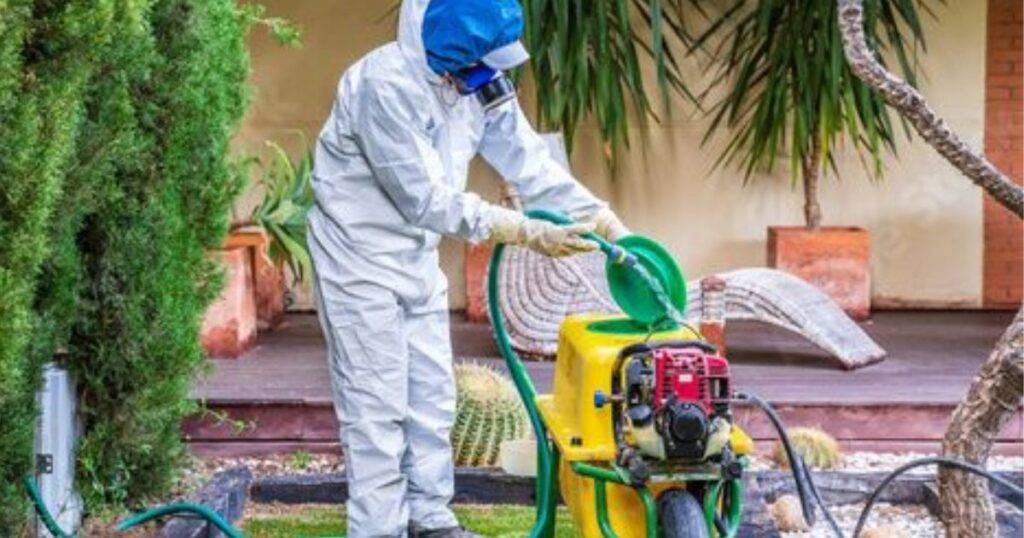
Disease pressure and historical field data also guide fungicide decisions. A fungicide timing tool helps growers analyze disease risk and determine when a fungicide treatment is needed. These tools generate field-specific timing recommendations and identify the optimal timing window.Fungicide products and their modes of action also play a role. For example, Corteva’s newest corn fungicide with three modes of action provides enhanced protection, How Long Does It Take for Corn Crops to Grow but only when applied at the right time. Understanding these factors enables growers to make more informed decisions about fungicide application timing and improve disease control outcomes.
How Fungicide Timing Tools Work
Fungicide timing tools work by combining multiple data sources to deliver precise timing recommendations. These tools collect weather data, crop growth information, and disease pressure indicators to generate actionable insights. The tool generates alerts that guide growers on when to apply fungicide for optimal results.AI-powered timing tools analyze patterns and predict disease outbreaks. For example, a spray timer tool for efficient fungicide management evaluates environmental conditions and identifies the best application timing to help ensure maximum effectiveness. These tools provide timing and field placement alerts, Best Fertilizer helping growers make informed fungicide decisions.
Some tools are integrated with platforms that provide spray alerts from Xarvio field systems, so users know exactly when a fungicide application is needed. This helps reduce unnecessary applications and ensures optimal spray timing.Additionally, tools designed to qualify pioneer customers who purchase a Corteva fungicide may provide exclusive access to prescriptive fungicide timing and field placement recommendations. These advanced systems help growers protect yield, improve disease management, and achieve measurable ROI through precise fungicide application timing.
Benefits of Using Fungicide Timing Tools
Using a fungicide timing tool offers numerous benefits for growers managing corn and soybean crops. One of the biggest advantages is improved disease control. By applying fungicide at the optimal timing, growers can effectively manage diseases like northern corn leaf blight and reduce crop losses.Another key benefit is measurable ROI. Fungicide applications are becoming more targeted, ensuring that every spray contributes to crop protection. This reduces waste and improves the farmer’s investment in fungicide. An optimal-fungicide-use tool ensures that fungicide is applied only when necessary, based on real-time disease risk.
Efficiency is also improved with a timer tool for efficient fungicide management. Growers receive timing recommendations and alerts, helping them plan applications more effectively. This results in better resource use and lower labor costs. Additionally, these tools support sustainable farming practices by minimizing unnecessary chemical use. With solutions designed for corn production and soybean farming, growers can achieve better results while protecting the environment. Overall, fungicide timing tools are shaping the future of corn and helping growers make smarter, data-driven decisions.
Conclusion
Fungicide timing is a crucial component of modern crop protection, especially amid increasing disease pressure in corn and soybean crops. With the launch of its new fungicide timing solution, growers now have access to advanced tools that improve fungicide application timing decisions and protect yield.Solutions like the unique spray timer tool for optimal fungicide use and AI-powered timing tools are transforming how growers approach disease management. These tools recommend the best application timing to help ensure fungicide effectiveness, What is Spray Irrigation reduce waste, and improve ROI.
Products like forcivo™ fungicide, the newest corn fungicide with three modes of action, demonstrate how combining advanced chemistry with precise timing can enhance disease control. When used alongside a fungicide timing tool, these products deliver superior results.As corn growers continue shaping the future of corn production, adopting tools that provide field-specific timing and prescriptive recommendations will become essential. By using a fungicide timing tool, growers can make smarter fungicide decisions, improve crop protection, and ensure long-term sustainability in agriculture.
FAQ
What is a fungicide timing tool, and how does it help growers?
A fungicide timing tool is an advanced, AI-powered solution that helps growers make accurate decisions about when to apply fungicides. It analyzes disease risk, weather conditions, crop stage, and disease pressure in corn and soybean crops. This tool provides timing recommendations and spray alerts, helping growers apply fungicide at the optimal timing. By using a fungicide timing tool, growers can improve disease control, reduce unnecessary fungicide applications, and achieve measurable ROI while protecting overall crop health and yield.
Why is fungicide application timing important for corn and soybean crops?
Fungicide application timing is critical, as applying it too early or too late can reduce its effectiveness. In corn and soybeans, diseases such as northern corn leaf blight can develop rapidly under favorable conditions. Proper fungicide timing ensures it is applied during the most effective window identified. This helps maximize disease management, protect yield, and improve the farmer’s investment in fungicide. Optimal spray timing also ensures better coverage and efficiency, especially as disease pressure increases in corn and soybean production.
How do AI-powered fungicide timing solutions improve disease management?
AI-powered timing tools improve disease management by using real-time data and predictive models to assess disease risk and disease pressure. These tools generate field-specific timing recommendations and timing and field placement alerts. For example, a spray timer tool for efficient fungicide management can recommend the best application timing to help ensure effective crop protection. By automating fungicide decisions, these tools reduce guesswork and help growers respond quickly to changing conditions, ultimately improving disease control and crop performance.
What are the benefits of using products like Forcivo™ fungicide with a timing tool?
Using products like forcivo™ fungicide, which includes three powerful modes of action, alongside a fungicide timing tool, can significantly improve results. The timing tool ensures that fungicide application occurs at the optimal timing, allowing the product to perform at its best. This combination enhances disease control, especially against corn diseases such as northern corn leaf blight, and encourages more efficient crop protection strategies. It also helps growers maximize ROI by ensuring fungicide applications are made only when necessary and are most effective.
Who can access modern fungicide timing solutions, and are they worth it?
Many modern fungicide timing solutions are available to qualifying Pioneer customers who use a Corteva fungicide purchased for their corn and soybean crops. These tools provide access to prescriptive fungicide timing and field placement alerts, helping growers make smarter application decisions. With features like spray alerts from Xarvio Field Systems and AI-powered timing tools, growers gain a competitive advantage in corn production. Considering the growing disease pressure and rising input costs, these tools are worth the investment as they improve efficiency, reduce waste, and deliver measurable ROI.