
Rice is one of the most widely consumed staples on the planet, feeding billions of people every single day. Whether you’re building a meal around a stir-fry, pairing it with a legume-based curry, or scooping it alongside grilled chicken, rice shows up on plates across every culture. But if you’re trying to lose weight, you’ve probably asked yourself: should I be reaching for brown rice or white rice?
The debate around brown rice versus white rice has been going on for years, and the answer isn’t as black and white — or brown and white — as you might expect. Both types of rice have their place, and choosing between them depends on your health goals, your digestive needs, and how you structure the rest of your diet.
In this post, we’ll break down the nutritional value, the glycemic index differences, the impact on blood sugar levels, and what the research actually says about which variety of rice supports fat burning and weight management more effectively.
How Brown and White Rice Are Made
To understand the difference between brown rice and white rice, you need to know what happens during processing.
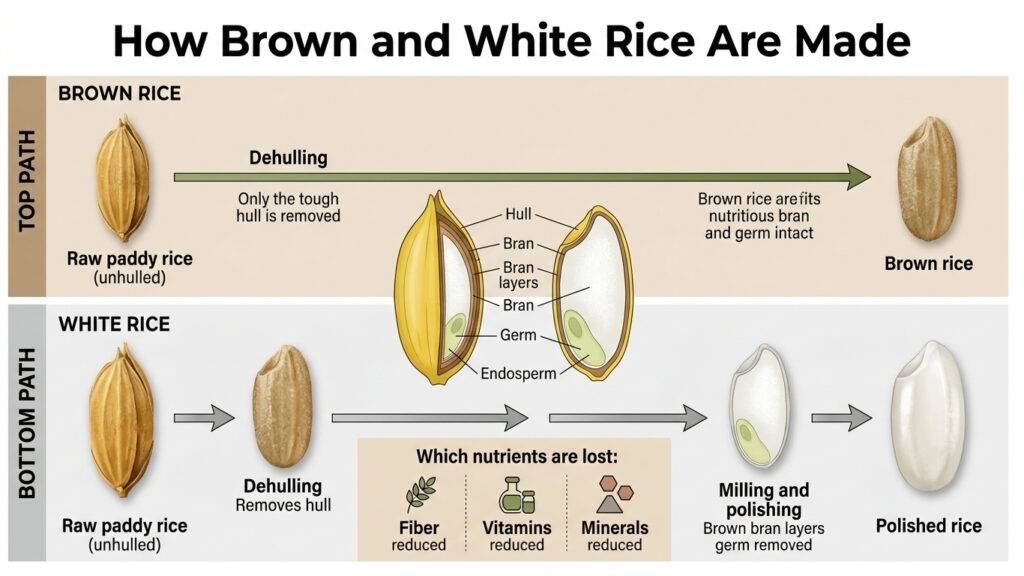
Brown rice is a whole grain, meaning it retains all three parts of the grain kernel: the bran and germ layers and the starchy endosperm at the center. These outer layers are where the bulk of the fiber, vitamins, minerals, and healthy fats live. Because brown rice is a whole grain that hasn’t been stripped of its outer coating, it naturally carries more nutritional value.
White rice, on the other hand, undergoes a milling process that removes the bran and germ. What’s left is the soft, white endosperm. This milling process gives white rice its lighter color, softer texture, and longer shelf life. It also explains why white rice cooks faster — there’s less grain material for heat and water to penetrate. However, this processing strips away a significant portion of the fiber, B vitamins, magnesium, and other minerals. To partially offset this loss, manufacturers often enrich or fortify white rice with iron and B vitamins after milling.
Nutritional Breakdown: 1 Cup of Cooked Rice
Let’s look at how these two grains stack up side by side. Based on 1 cup of cooked medium-grain rice, here’s what you’re getting.
Brown Rice (1 Cup, Cooked)
Brown rice provides roughly 218 calories, about 4.5 grams of protein, 1.6 grams of fat, 45.8 grams of carbohydrate, and approximately 3.5 grams of fiber. It is also a solid source of magnesium, phosphorus, manganese, and selenium.
White Rice (1 Cup, Cooked)
White rice delivers around 242 calories, about 4.4 grams of protein, 0.4 grams of fat, 53.2 grams of carbohydrate, and only about 0.6 grams of fiber. At White rice is lower in fiber and most naturally occurring minerals, though enriched versions do provide folate and iron.
The calorie difference between these two is modest — around 24 calories per cup — so neither rice is dramatically more calorie-dense than the other. The real differences show up in fiber content, mineral density, and the type of carbohydrate each grain delivers.
Why Fiber Matters for Weight Loss
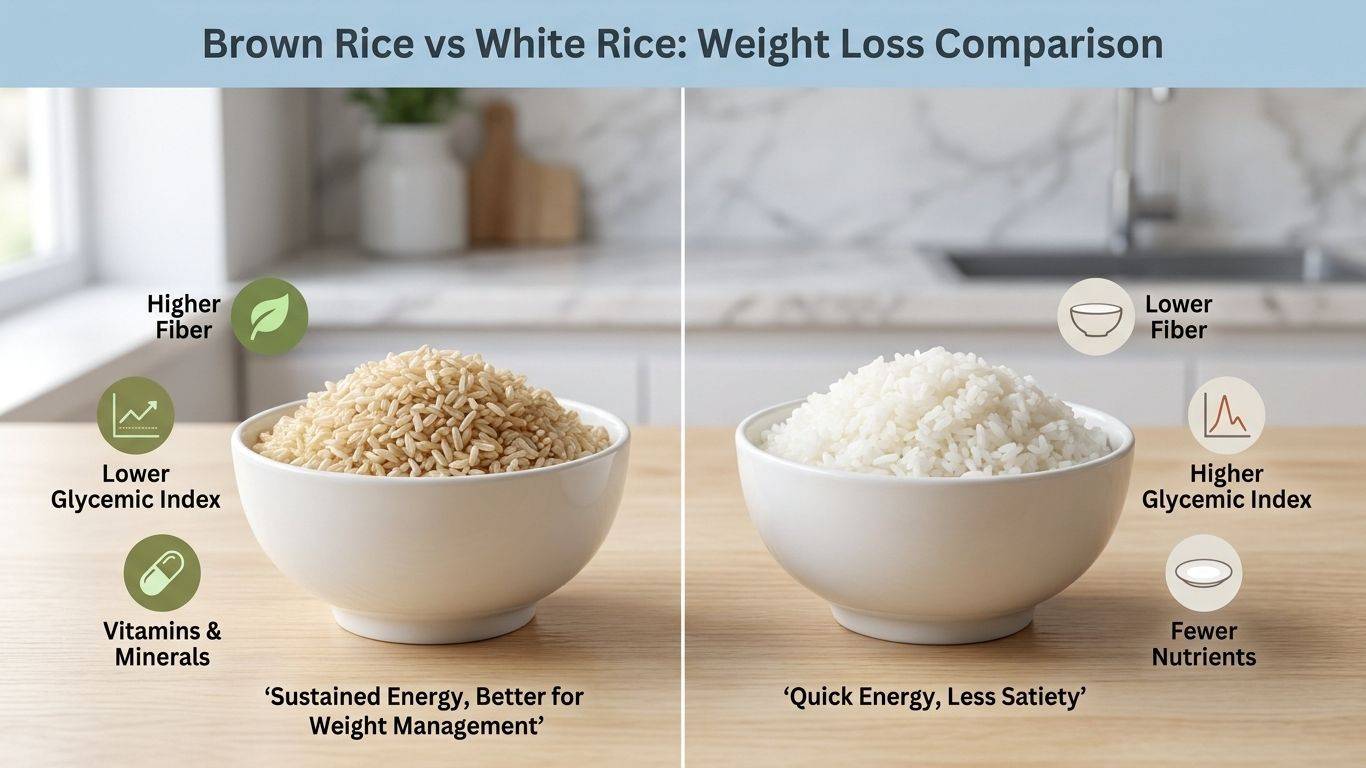
One of the most significant differences between white and brown rice is fiber content. Brown rice contains roughly six times more fiber than white rice per serving. That might not sound like a huge number in absolute terms — around 3.5 grams compared to 0.6 grams — but over the course of a day, those grams add up.
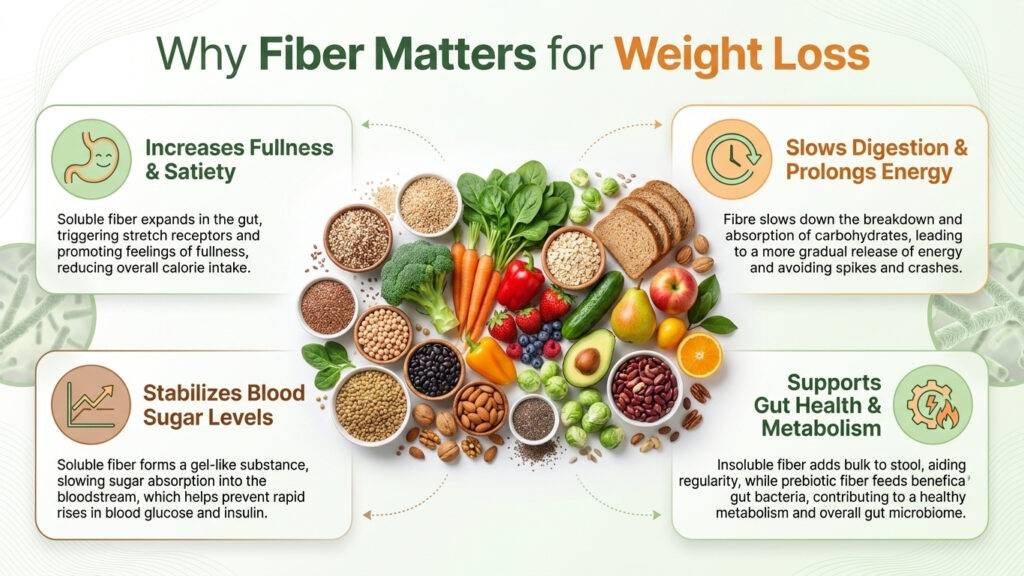
Fiber plays a direct role in weight management for several reasons. First, fibrous foods take longer to chew and digest, which slows down your eating pace and gives your brain more time to register that you’re full. Second, fiber absorbs water in the digestive tract and expands, helping you feel satisfied on fewer calories. Third, dietary fiber feeds the beneficial bacteria in your gut, supporting gut health and potentially influencing hormones that regulate appetite and fat storage.
Research has consistently shown that people who eat more whole-grain foods — including brown rice — tend to have a lower BMI over time. A diet rich in fiber is also linked to a lower risk of heart disease, type 2 diabetes, and certain digestive issues. So if you’re choosing between brown rice vs white rice purely based on satiety and fiber, brown rice has a clear advantage.
Glycemic Index and Blood Sugar: A Key Factor
The glycemic index is a ranking system that scores foods from 0 to 100 based on how quickly they raise blood sugar after eating. Foods with a high glycemic index cause rapid blood sugar spikes, while foods with a lower glycemic index produce a more gradual rise.
White rice has a GI that typically falls in the range of 72 to 73, placing it firmly in the high glycemic index category. This means eating white rice can cause a quick surge of glucose into your bloodstream. This rapid postprandial blood sugar response triggers a corresponding spike in insulin, the hormone that shuttles glucose into cells. Over time, repeated blood sugar spikes and high insulin levels can promote fat storage and make fat burning more difficult.
Brown rice, by contrast, has a lower glycemic index — with scores commonly reported between 50 and 68, depending on the variety. This medium-range GI means that compared to white rice, brown rice produces a slower, more controlled rise in blood sugar levels. For people trying to lose weight, this steadier blood sugar response can help reduce cravings, prevent energy crashes, and create a hormonal environment more conducive to using stored fat for energy.
That said, the variety of rice matters just as much as whether it’s brown or white. For instance, white basmati rice has a GI of around 58, which is lower than some types of brown rice. So not all white rice behaves the same way in your body.
Brown Rice and Diabetes: What Does the Research Say?
The relationship between rice consumption and diabetes risk has been extensively studied. A major meta-analysis published in the Archives of Internal Medicine found that each daily serving of white rice was associated with a 11% increased risk of developing type 2 diabetes. The researchers attributed this partly to the high glycemic index and low fiber content of white rice, which can lead to frequent blood sugar spikes and insulin resistance over time.
On the flip side, eating brown rice was linked to a 16% lower risk of diabetes per serving substituted for white rice. The Harvard School of Public Health specifically notes that brown rice may help reduce the risk of type 2 diabetes due to its fiber, magnesium, and lower GI. These findings are particularly relevant for individuals who already have prediabetes, type 2 diabetes, or even type 1 diabetes, where careful blood sugar management is essential.
If you regularly eat rice, swapping from white to brown could be a meaningful dietary change. Even modest reductions in postprandial glucose responses can improve long-term metabolic health and reduce diabetes risk.
Does Brown Rice Actually Help You Burn More Fat?
When people ask whether brown rice supports fat burning better than white rice, the answer is nuanced. No single food will cause dramatic weight loss on its own. Weight loss happens when you consistently consume fewer calories than you burn. However, the type of food you eat affects how hungry you feel, how stable your energy is, and how your body processes and stores nutrients — and that’s where brown rice has an edge.
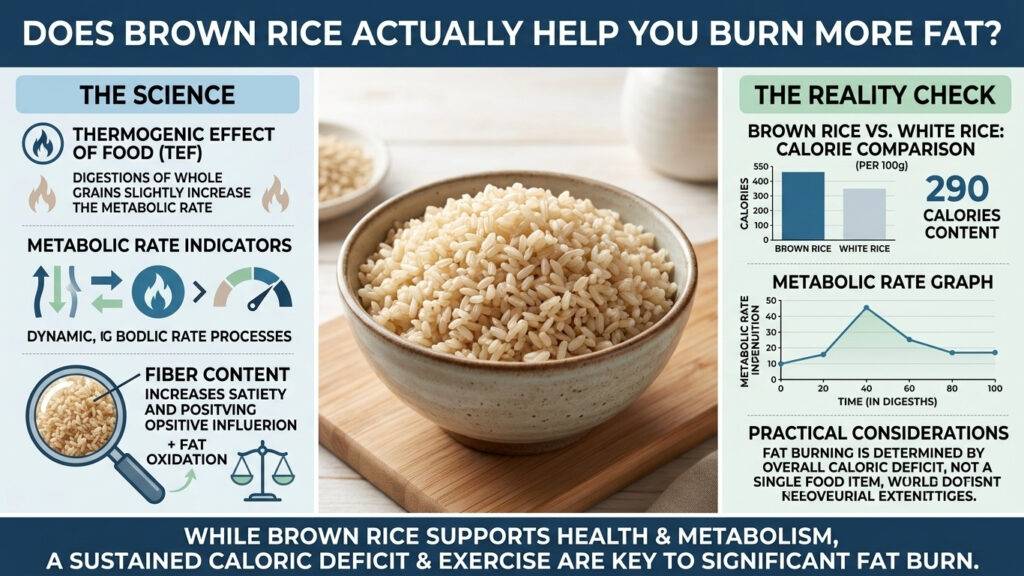
A study published in the British Journal of Nutrition found that participants who ate brown rice experienced reductions in body weight, waist circumference, and BMI compared with those who ate white rice. The researchers suggested that the fiber and nutrient-dense composition of brown rice contributed to better metabolic markers and lower visceral fat.
Another study observed that overweight women who consumed about 150 grams of brown rice daily for six weeks experienced significant weight loss. The fiber in brown rice likely contributed to greater satiety, reduced overall calorie intake, and improved blood sugar regulation — all of which support fat burning over time.
The Arsenic Question: Should You Be Worried?
One concern that often comes up in the brown rice vs white rice debate is arsenic. Rice plants absorb arsenic from soil and water more readily than many other crops, and because brown rice retains the bran and germ layers, it tends to contain higher levels of arsenic than white rice.
Arsenic is a known toxin, and chronic exposure has been linked to an increased risk of heart disease, certain cancers, and other health problems. However, the levels found in a typical serving of brown rice are generally not considered dangerous for most adults, especially when rice is consumed as part of a balanced diet that includes a range of other grains, vegetables, and proteins.
To minimize arsenic exposure, you can rinse your rice thoroughly before cooking, use a higher water-to-rice ratio (about 6:1), and drain the excess water after cooking. Varying your grain intake — alternating between rice, quinoa, oats, and other grains — is also a smart strategy. If you have specific health concerns, a registered dietitian can help you determine how much rice is safe for your situation.
White Rice Isn’t All Bad: When It Might Be the Better Choice
While brown rice tends to get all the praise, white rice has its own set of advantages that shouldn’t be ignored.
Easier on the Digestive System
Because white rice is lower in fiber and has had the bran removed, it’s easier to digest. For individuals dealing with inflammatory bowel disease, irritable bowel syndrome, or other digestive conditions, brown rice can be harder to digest and may worsen symptoms during flare-ups. Gastroenterologists often recommend white rice as a gentle, well-tolerated carbohydrate during these periods.
Fortified with Key Nutrients
Enriched white rice provides folate, iron, and other B vitamins that have been added back after milling. Folate is particularly important during pregnancy, and 1 cup of enriched white rice can deliver roughly half of your daily recommended intake.
It’s Still Gluten-Free
Both brown and white rice are naturally gluten-free, making them safe options for people with celiac disease or gluten sensitivity. This is one of the reasons rice is such a common base ingredient in gluten-free products.
Quick and Versatile
White rice cooks faster, has a milder flavor, and pairs seamlessly with virtually any cuisine. For busy households, this convenience can make it easier to consistently prepare balanced meals.
The Role of Rice in a Balanced Diet
Whether you choose brown or white rice, the key is to eat it in moderation as part of a healthy diet that includes plenty of vegetables, lean proteins, healthy fats, and other whole grains. A registered dietitian will typically recommend filling about a quarter of your plate with grains and starches, with the rest devoted to vegetables and protein.
Rice can absolutely be part of a balanced diet — neither type needs to be feared or avoided entirely. If weight loss is your primary goal, brown rice offers more fiber and a more favorable glycemic response, which can support your efforts. But if digestive comfort or personal preference leads you toward white rice, you can still manage your weight effectively by watching portion sizes, pairing rice with fibrous vegetables and a legume or lean protein, and being mindful of your total daily calorie intake.
One practical tip from Stanford Medicine’s nutrition program: aim for roughly 1 cup of cooked rice per meal. This portion size lets you enjoy rice without overloading on carbohydrates, keeping your blood sugar and calorie intake in check.
Brown Rice May Help With Gut Health
The fiber content in brown rice doesn’t just help with satiety — it also acts as a prebiotic, feeding the beneficial bacteria in your gut. Research published in Food Research International found that the resistant starch in brown rice had significant prebiotic properties, encouraging the growth of healthy gut bacteria and potentially improving overall digestive function.
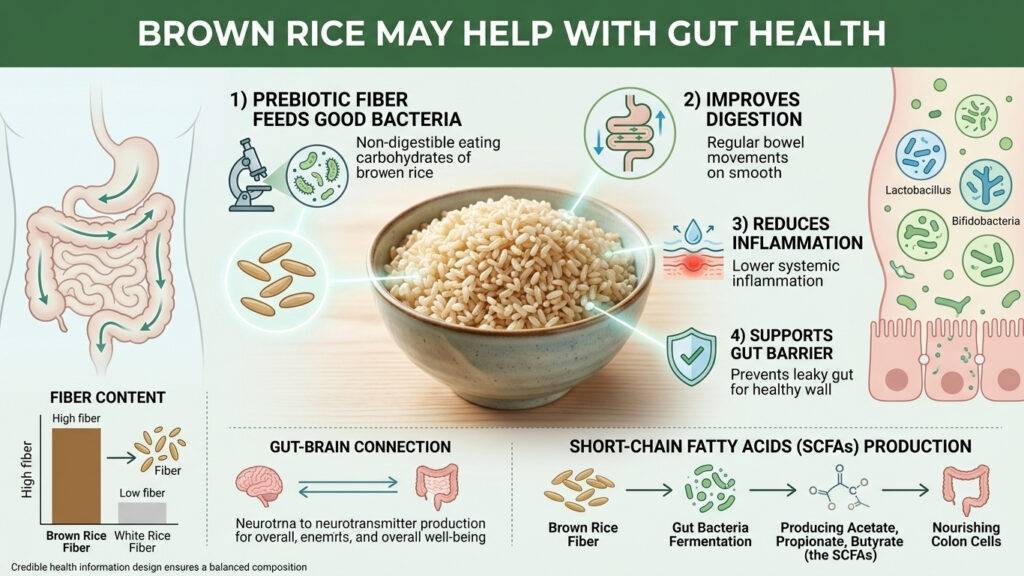
A healthy gut microbiome has been connected to better weight management, improved immune function, and even enhanced mood. So when you’re eating brown rice, you’re not just getting a nutrient-dense grain — you’re also nourishing the ecosystem inside your digestive tract.
White rice, because it is lower in fiber and lacks the bran and germ, provides far less of this prebiotic benefit. For long-term gut health, brown rice is the stronger choice.
What About Phytic Acid?
Brown rice contains phytic acid, an antinutrient found in the bran layer that can bind to minerals like iron, zinc, and calcium, reducing their absorption. Some people worry that this makes brown rice less nutritious than it appears on paper.
However, the impact of phytic acid is usually modest in the context of a varied diet. If you eat a wide range of foods, you’re unlikely to develop mineral deficiencies solely because of phytic acid in rice. Soaking, sprouting, or fermenting brown rice before cooking can reduce phytic acid levels and improve mineral availability. It’s also worth noting that phytic acid has its own health benefits, including antioxidant properties and a potential protective effect against kidney stones and certain cancers.
Rice Compared to Other Carbs
It’s helpful to put rice into context alongside other common carbohydrate sources. White bread, for example, has a glycemic index comparable to, or even higher than, that of white rice and offers less nutritional value per serving. Compared to white rice, brown rice stacks up favorably against most refined carbohydrates in terms of fiber, mineral content, and blood sugar impact.
Still, other grains like quinoa, barley, and bulgur offer even more fiber and protein than brown rice. If weight loss is your top priority, mixing in these alternatives alongside rice can give you the best of all worlds.
FAQ
Is brown rice always better than white rice for weight loss?
Not necessarily. Brown rice is more nutrient-dense than white rice and has more fiber and a lower glycemic index, which can support weight loss by keeping you fuller and reducing blood sugar spikes. However, the calorie difference between the two is small. If you eat white rice in moderation, pair it with protein and vegetables, and manage your total calorie intake, you can still lose weight. The best rice for you is the one that fits your overall eating pattern, health needs, and personal preferences.
Can I eat rice every day and still lose weight?
Yes, you can eat rice as part of a healthy diet and still achieve weight loss. The key is portion control and balance. Sticking to around 1 cup of cooked rice per meal, choosing whole grain options like brown rice when possible, and building your plate around vegetables and lean protein will help keep calories in check. Many populations around the world eat rice daily without issues related to weight gain because they maintain active lifestyles and balanced diets.
Does white rice cause weight gain?
White rice alone doesn’t inherently cause weight gain. Weight gain results from a sustained calorie surplus, not from any single food. However, white rice has a high glycemic index, which means it can cause rapid blood sugar spikes and leave you feeling hungry again sooner. This could lead to overeating if you’re not pairing it with fiber-rich and protein-rich foods. Eating white rice in moderation and as part of a balanced meal helps prevent this effect.
Is brown rice good for people with diabetes?
Brown rice has a lower glycemic index than most white rice, which means it causes a slower, more gradual increase in blood sugar levels. Studies have shown that substituting brown rice for white rice may reduce the risk of type 2 diabetes. For people already managing diabetes — whether type 1 diabetes or type 2 diabetes — brown rice can be a smarter grain choice because it helps reduce postprandial glucose spikes. That said, portion size still matters, and anyone with diabetes should work with a dietitian to personalize their meal plan.