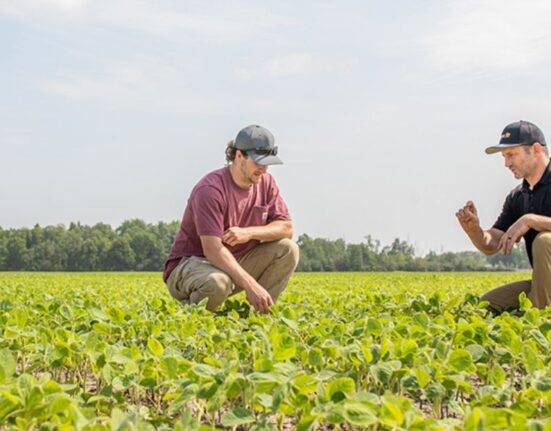

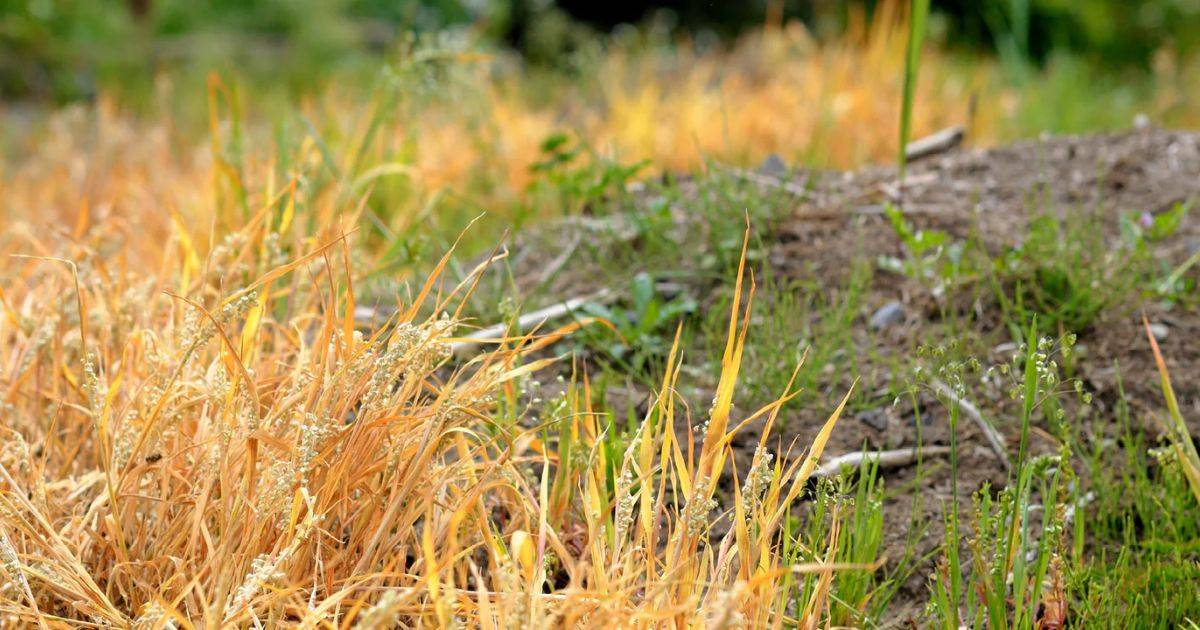
Herbicides have long been a cornerstone of modern agriculture, helping farmers control weeds efficiently and protect crop yields. However, over time, the widespread and repeated use of the same herbicides has led to a growing global issue—herbicide resistance. This phenomenon occurs when weed populations evolve and become less susceptible, or even immune, to herbicides that once effectively controlled them.
Herbicide resistance is no longer a minor inconvenience; it is a serious agricultural challenge affecting food production, farm profitability, and environmental sustainability. Farmers across the world are now facing aggressive weeds that are harder to control, cost more, and require more complex management herbicide resistance strategies. In this blog post, we will explore what herbicide resistance is, why it happens, the challenges it creates, and most importantly, the smart solutions that herbicide-resistant crop can help farmers combat this growing threat.
What Is Herbicide Resistance?
Herbicide resistance is the inherited ability of a weed species to survive and reproduce after exposure to a pesticide dose that would otherwise be lethal. This is not an immediate process but rather a gradual evolution.
Within any weed population, a few individuals may be naturally resistant. When the same herbicide is repeatedly used, susceptible weeds die, while resistant weeds mechanisms of resistance survive and reproduce. Over time, these resistant weeds dominate the site of action population.
Key Characteristics:
- It is a genetic trait passed to future gene herbicide resistance action committee generations
- It develops due to selection pressure from repeated herbicide use
- It can occur in multiple weed species and across different herbicide modes of action
Major Causes of Herbicide Resistance
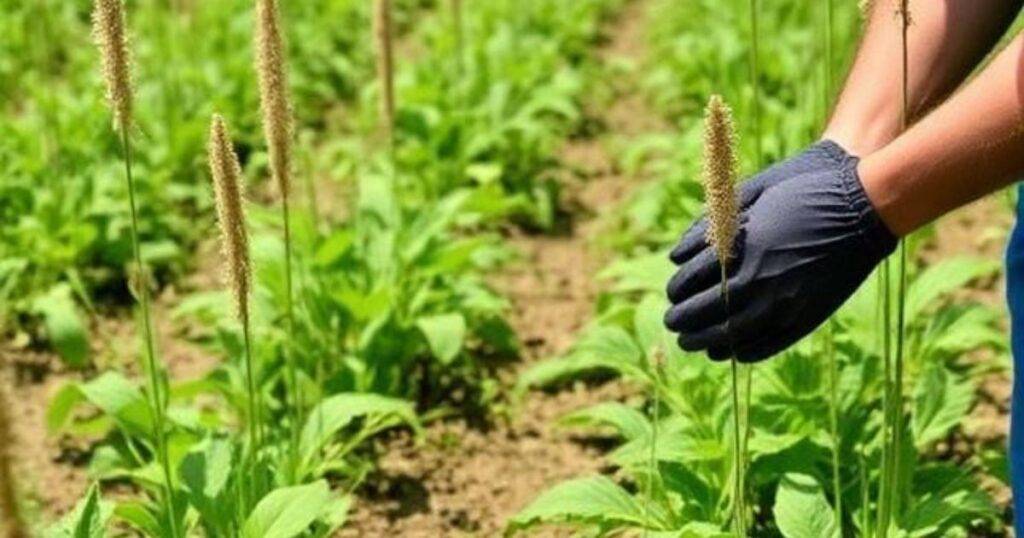
Herbicide resistance develops when weed populations adapt to survive chemicals designed to control them. One major cause is the repeated use of the same herbicide or those with a single mode of action, which allows resistant weeds to survive and reproduce. Over-reliance on chemical control without integrating other methods, such as crop rotation or mechanical weeding, accelerates the problem. Incorrect application rates—either too low or too frequent—can also promote herbicide-resistant weed resistance evolution resistance.
Additionally, the lack of diversity in cropping systems and the limited use of integrated weed management strategies create ideal conditions for the spread of resistant weeds. Over time, these factors reduce herbicide effectiveness, making weed control more challenging and evolution of herbicide resistance costly.
Repeated Use of the Same Herbicide
Using the same herbicide repeatedly can result in serious agricultural challenges. Over time, weeds may develop resistance, making the chemical less effective and forcing farmers to apply higher doses or switch products. This not only increases costs but can also harm the environment, affecting soil health, beneficial organisms, and water quality.
Integrated weed management strategies, including crop rotation, mechanical control, and herbicide diversity, are essential to prevent the buildup of mutation resistance. Smart planning ensures long-term crop protection, survey of herbicide resistant weeds sustainable yields, and reduced ecological impact while maintaining effective weed resistance to herbicides weed control control.
Lack of Crop Rotation
Lack of Crop Rotation leads to soil depletion, decreased fertility, and heightened susceptibility to illnesses and pests. Continuously planting the same crop exhausts specific nutrients, forcing heavy fertilizer use, which can harm soil health over time. It also encourages the buildup of crop-specific pathogens and weeds, making management more difficult.
Implementing diverse crop rotations helps restore nutrient balance, break pest cycles, and improve overall soil structure, promoting healthier, more resilient, and higher-yielding resistance mechanism crops for sustainable farming herbicide herbicide with the same site resistant practices.
Over-Reliance on Chemical Control
Over-reliance on chemical control in agriculture can lead to serious challenges, including pest resistance, soil degradation, and environmental pollution. Excessive use of herbicides, pesticides, and fungicides disrupts natural ecosystems, reduces beneficial insects, and diminishes long-term soil fertility. Farmers may see short-term gains, but dependence on chemicals often increases costs and decreases crop resilience.
Sustainable strategies, such as integrated pest management, crop rotation, and biological controls, are essential to maintain international survey of herbicide resistant productivity while protecting both the environment and human weed control health.
Incorrect Application Practices
- Underdosing can resistance evolution allow partially resistant weeds to survive
- Overdosing can accelerate resistance development
- Poor timing reduces herbicide resistant weeds effectiveness
Limited Herbicide Diversity
Using herbicides with the same mode of action limits control options and speeds up resistance weed species rate at which resistance development.
How Herbicide Resistance Develops
Herbicide resistance develops when a small number of weeds naturally possess genetic traits that allow them to survive a herbicide application. When the same herbicide is repeatedly used, susceptible weeds are eliminated, while resistant weeds survive and reproduce. Over time, these resistant plants dominate the population. Factors such as overreliance on a single mode of action, improper herbicide dosing, and lack of crop rotation accelerate this process.
Environmental conditions and weed biology also play roles in the spread of resistance. As resistance builds, herbicides become less effective, leading to increased management costs and reduced target site crop yields, making integrated weed management strategies resistance to that herbicide essential for long-term control.
Natural Selection
Repeated use of the same herbicide creates strong selection pressure. Resistant weeds survive and multiply, making the herbicide ineffective over time. Some weeds carry genetic variations that allow them to withstand herbicides. Future generations inherit these traits.
Key Resistance Mechanisms
- Target-site resistance: Changes in the herbicide’s target location in the plant
- Metabolic resistance: Weeds break down herbicides before they can act
- Reduced absorption: Herbicides fail to penetrate plant tissues effectively
- Behavioral adaptation: Weeds avoid exposure (e.g., growing deeper or faster)
Farming Practices
- Continuous monocropping
- Over-reliance on a single herbicide
- Lack of crop rotation
- Incorrect herbicide doses
These practices accelerate resistance development.
Types of Herbicide Resistance
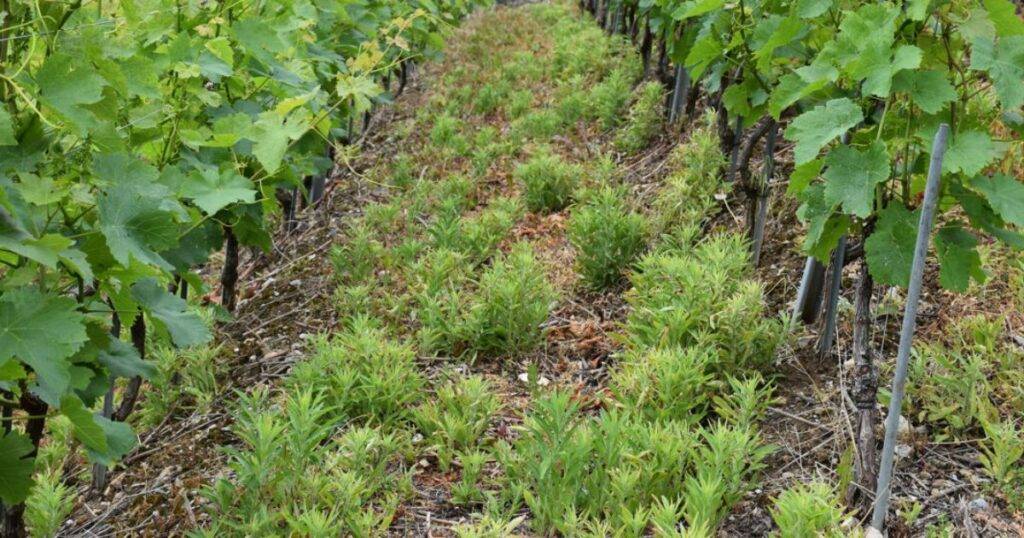
Herbicide herbicide site of action resistance is not a one-size-fits-all problem. It can occur in survive an herbicide application several forms:
Target-Site Resistance
Target-Site Resistance refers to a type of herbicide resistance in weeds in which genetic mutations alter the specific site within a plant where a herbicide normally binds. This prevents the herbicide from effectively interfering with the plant’s essential biological processes, rendering it less effective or completely ineffective. Target-site resistance can develop quickly under repeated herbicide use, making weed management more challenging. Understanding and multiple resistance monitoring these mutations is herbicide binding crucial for implementing effective, sustainable weed control strategies.
Non-Target-Site Resistance
Non-Target-Site Resistance is a form of herbicide resistance in plants where weeds survive chemical treatments without changes to the herbicide’s specific binding site. Instead, these plants develop mechanisms such as enhanced herbicide metabolism, reduced absorption, or sequestration, allowing them to detoxify or evade the chemical. This type of resistance is often more complex and harder to manage than target-site resistance, as it can affect multiple herbicide modes of action, posing global herbicide resistance significant challenges for sustainable weed control resistant weed strategies.
Cross-Resistance
A single resistance mechanism allows weeds to survive multiple herbicides with similar modes of action. Weeds become resistant to herbicides from different resistance has evolved chemical classes, making control extremely weed management difficult.
Challenges of Herbicide Resistance
Herbicide resistance poses a growing challenge for modern agriculture, threatening crop productivity and farm sustainability. Weeds develop resistance when the same herbicide is used repeatedly, allowing tolerant plants to survive and multiply. This reduces the effectiveness of commonly used chemicals, forcing farmers to apply higher doses or switch to more expensive alternatives.
Resistant weeds can spread quickly across weed species fields, increasing labor, production costs, and environmental impact. Additionally, the limited availability of new herbicide modes of action makes metabolic resistance management more difficult.
Reduced Crop Yields
Reduced crop yields occur when plants produce less than their potential, often due to factors such as poor soil health, pests, diseases, extreme weather, or nutrient deficiencies. This decline can significantly impact farm profitability and food supply, making it a major concern for farmers. Understanding the causes, regularly monitoring crops, and implementing effective management practices—such as soil enrichment, pest control, and optimized irrigation—can help mitigate yield loss and maintain sustainable target site agricultural productivity.
Increased Production Costs
Farmers must spend more on:
- Additional herbicides
- Alternative control methods
- Labor and machinery
Limited Control Options
As resistance resistant to a particular herbicide spreads, the number of effective herbicide choices decreases, restricting management herbicide site of action flexibility.
Environmental Impact
Increased herbicide use can lead to:
- Soil degradation
- Water contamination
- Harm to beneficial organisms
Spread of Resistant Weeds
Resistant weed seeds can spread through wind, water, machinery, and animals, worsening the result in resistance problem across multiple resistance regions.
Common Herbicide-Resistant Weeds
 Herbicide-resistant weeds are plant species that have evolved the ability to survive applications of chemicals designed to control them, making them a growing challenge in modern agriculture. Common examples include Palmer amaranth, waterhemp, ryegrass, and horseweed, which can spread and outcompete crops for nutrients, light, and water. These weeds often develop resistance through repeated exposure to the same herbicide, leading to genetic adaptation over time. As a result, farmers face increased production costs and reduced yields.
Effective management requires integrated strategies such as crop rotation, diversified herbicide use, mechanical control, and early detection to limit their impact, prevent further resistance development, and ensure long-term, sustainable crop non-target-site resistance weed management production resistant weed systems.
- Amaranthus (Pigweed)
- Lolium (Ryegrass)
- Conyza (Horseweed)
- Echinochloa (Barnyardgrass)
These weeds are quite versatile and can swiftly dominate fields if not managed target-site resistance biotype to survive an herbicide properly.
Smart Solutions to Herbicide Resistance
Smart solutions to herbicide resistance combine science, strategy, and sustainable farming practices to protect crop yields. Farmers can rotate herbicides with different modes of action to prevent weeds from adapting, while integrating mechanical methods like tillage or hand weeding reduces reliance on chemicals. Crop rotation and cover cropping help disrupt weed life cycles naturally. AI-based monitoring and targeted spraying are examples of precision agriculture technologies.
AI-based monitoring improves efficiency and minimizes overuse. Additionally, using herbicide-resistant crop varieties responsibly and following recommended application rates are essential. Together, these approaches create a balanced, long-term defense against resistant weeds while preserving soil health and herbicide application environmental quality.
Rotate Herbicides with Different Modes of Action
Avoid using the same herbicide repeatedly. Instead:
- Alternate herbicides with different modes of action
- Use pre- and post-emergence herbicides strategically
This reduces selection pressure on weeds.
Adopt Integrated Weed Management (IWM)
Integrated Weed Management herbicide tolerance in crops combines multiple cross resistance strategies for better control:
Cultural Practices:
- Crop rotation
- Cover cropping
- Adjust planting dates
Mechanical Methods:
- Tillage
- Hand weeding
- Mowing
Biological Control:
Use of natural weed site resistance competitors or specific herbicide pathogens genes involved By diversifying approaches, farmers can reduce reliance on herbicides.
Use Crop Rotation Effectively
Rotating crops changes the growing environment, making it harder for specific weeds to adapt. Different crops:
- Require different herbicides
- Have different planting and harvesting times
This disrupts weed life cycles.
Apply Herbicides Correctly
Proper application is critical:
- Use recommended doses
- Apply at the right growth stage
- Ensure proper different herbicide coverage
Following label instructions helps maintain herbicide effectiveness.
Incorporate Cover Crops
Cover crops such as legumes or modes of action grasses can:
- Suppress weed growth
- Improve soil health
- Reduce weed seed germination
They act as a natural barrier against weeds.
Monitor and Scout Fields Regularly
Early detection of control weeds resistant weeds allows for quicker intervention.
Farmers should:
- Inspect fields frequently
- Identify surviving weeds after spraying
- Remove resistant plants before they spread
Prevent Weed Seed Spread
Stopping the spread of resistant seeds is crucial:
- Clean farm equipment
- Use certified seeds
- Manage field borders
This helps contain resistance within a limited area.
Use Tank Mixtures Wisely
Combining herbicides with particular herbicide different modes of action can improve effectiveness. However:
- Ensure compatibility
- Follow guidelines to avoid crop damage
Tank mixes should be part of a broader strategy, not the only solution.
Invest in Precision Agriculture
Modern technologies can help manage herbicide resistance:
- GPS-guided sprayers
- Drones for weed detection
- AI-based weed identification
These tools enable targeted application, reducing herbicide use and improving one herbicide efficiency.
Educate and Collaborate
Farmers, agronomists, and researchers must work together to:
- Share knowledge
- Develop best practices
- Promote sustainable farming
Community-level efforts are small grains essential to crops and weeds combat resistance herbicide modes effectively.
Role of Sustainable Farming in Managing Resistance
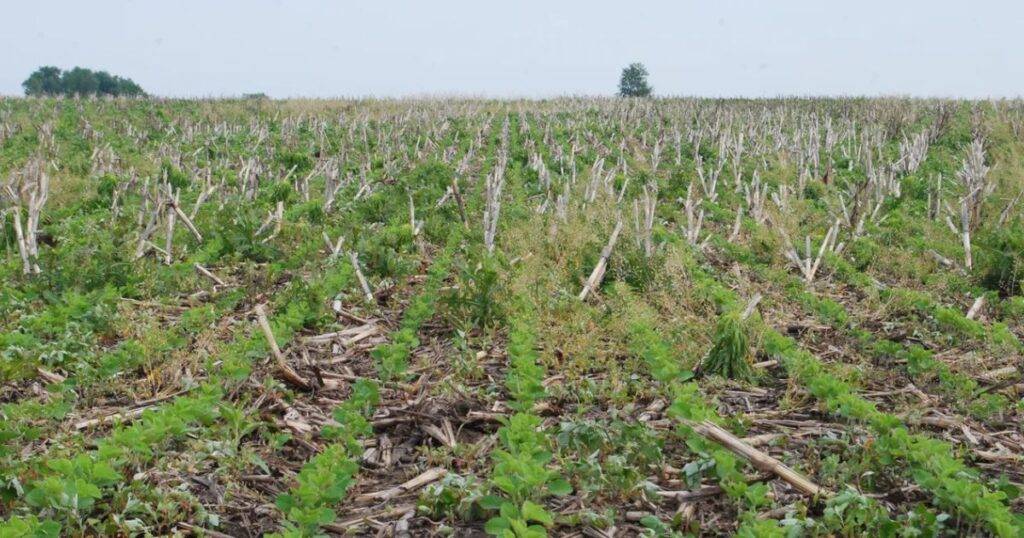 Sustainable farming plays a crucial role in managing resistance, particularly in crops and livestock systems. By emphasizing crop rotation, diversified planting, integrated pest management, and reduced reliance on chemical inputs, sustainable practices help slow the development of herbicide and pesticide resistance. Healthy soils, biodiversity, and natural predator populations contribute to resilient ecosystems that naturally suppress pests and diseases.
Additionally, sustainable livestock management, such as rotational grazing and proper feed strategies, reduces pressure on pathogens, minimizing antibiotic resistance. Overall, adopting sustainable multiple herbicide farming approaches not only enhances productivity but also protects long-term ecological balance, ensuring that resistance weed population challenges remain manageable for future generations.
Benefits:
- Reduces chemical dependency
- Enhances soil health
- Promotes biodiversity
- Improves ecosystem balance
Techniques such as organic amendments, conservation tillage, and agroecology help reduce the risk of herbicide management strategies resistance.
Future Outlook
Herbicide resistance will likely within a species continue to evolve as agriculture intensifies. However, the future is crop management not without new herbicides many herbicide hope.
Emerging Solutions:
- Development of new herbicide chemistries
- Gene-editing technologies
- Advanced weed detection systems
- Robotics for mechanical weeding
Innovation, combined with responsible management, can help mitigate resistance challenges.
Conclusion:
Herbicide resistance is a complex and growing challenge that threatens agricultural productivity and sustainability. It is not caused by a single factor but by a combination of practices that favor the survival of resistant resistant to herbicides weeds.
The good news is that herbicide resistance can be managed effectively through smart, integrated solutions. By rotating herbicides, adopting diverse weed-control strategies, using modern technologies, and promoting sustainable farming practices, farmers can regain control over resistant soybean weeds.
The key lies in proactive management rather than reactive measures. With the right approach, it is possible to protect crop yields, reduce costs, and ensure long-term agricultural success.
FAQ:
What is Herbicide Resistance?
Herbicide resistance occurs when a weed species evolves the ability to survive herbicide applications that previously controlled it. Genetic alterations in the weed population are the cause of this. often accelerated by repeated use of the same evolutionary processes management practices herbicide.
How does Herbicide Resistance Develop?
Resistance develops through natural selection. When a herbicide is used repeatedly, susceptible weeds die, while naturally resistant individuals survive and growing season reproduce. Over time, these resistant weeds become more prevalent.
Which Weeds are most likely to Develop Resistance?
Weeds that reproduce quickly, produce many seeds, and have high genetic diversity are more likely to develop resistance. Common resistant weeds include Palmer amaranth, waterhemp, and ryegrass.
How can Farmers detect Herbicide-Resistant Weeds?
Resistance can be suspected if a herbicide that normally controls a weed is suddenly ineffective. Laboratory testing can resistant to glyphosate confirm resistance, often using pot trials or molecular herbicide groups methods.
Are all Herbicides at risk of Resistance?
While all herbicides can theoretically develop resistance, those with a single mode of action are herbicide applied more prone to it. Herbicides with multiple modes of action or integrated weed green foxtail management strategies reduce weeds resistant this risk.