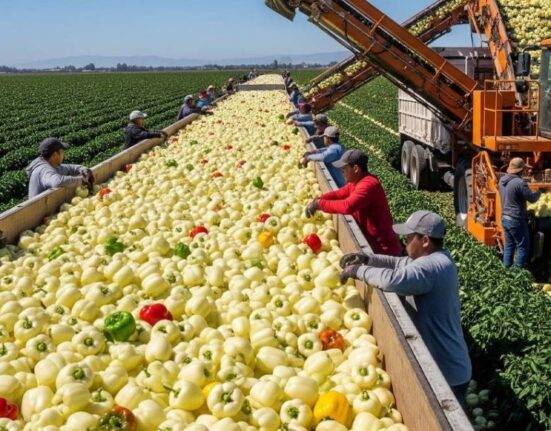

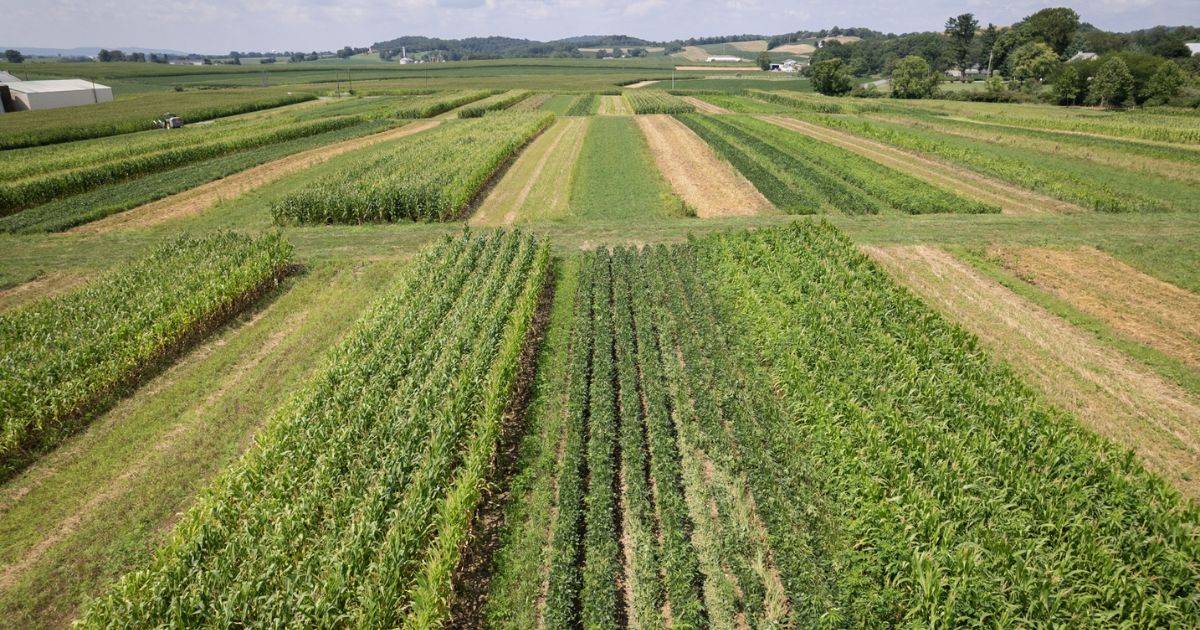
Crop rotation has been a key farming practice for centuries. Farmers rotate different crops on the same field each season to improve soil health, manage pests, and maintain nutrient balance. In modern agriculture, the use of biologicals is becoming an important part of crop rotation systems. Biologicals are natural products derived from living organisms such as bacteria, fungi, and plant extracts. They help improve plant growth, protect crops, and support soil health.When biologicals are used together with crop rotation, they create a powerful system that supports sustainable agriculture. Crop rotation helps break pest cycles and replenish soil nutrients, while biological products strengthen plant roots, improve nutrient availability, and enhance soil microbial activity. This combination allows farmers to reduce their dependence on synthetic fertilizers and chemical pesticides.
Another benefit of biologicals in crop rotation is that they help maintain long-term soil fertility. The cornerstone of successful farming is healthy soil. By promoting beneficial soil microorganisms, biologicals improve nutrient cycling and plant health.As farmers seek environmentally friendly, cost-effective solutions, biologicals are becoming an essential tool in modern crop rotation strategies to improve crop productivity and sustainability.
What Are Agricultural Biologicals?
Agricultural biologicals are natural products used in farming to improve crop growth, protect plants, and enhance soil health. Unlike synthetic chemicals, biologicals are derived from living organisms such as beneficial bacteria, fungi, algae, and plant extracts. These products work with natural soil processes to support plant development and improve agricultural productivity.Biologicals are commonly divided into three main categories: biofertilizers, biostimulants, and biopesticides. Biofertilizers contain beneficial microorganisms that help plants absorb essential nutrients from the soil. For example, certain bacteria help convert atmospheric nitrogen into a form that plants can use. Biostimulants improve plant growth by enhancing nutrient uptake, root development, and stress tolerance. Biopesticides help control pests and diseases by using natural organisms rather than harmful chemicals.
These products are gaining popularity because they are environmentally friendly and support sustainable agriculture. Biologicals help maintain soil biodiversity and improve soil structure over time. They also reduce the negative environmental effects associated with heavy chemical use.By working together with natural biological processes in the soil, agricultural biologicals strengthen crop health and productivity. When integrated with farming practices such as crop rotation, biologicals can play a major role in improving soil fertility and supporting long-term agricultural sustainability.
Understanding Crop Rotation
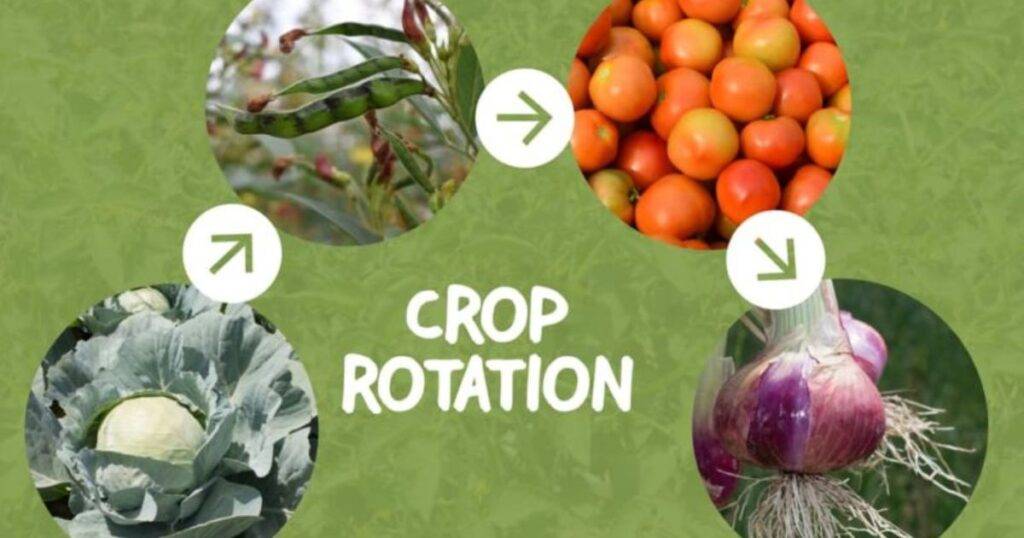
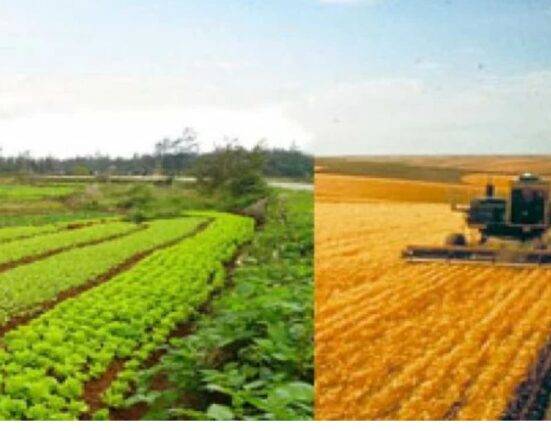
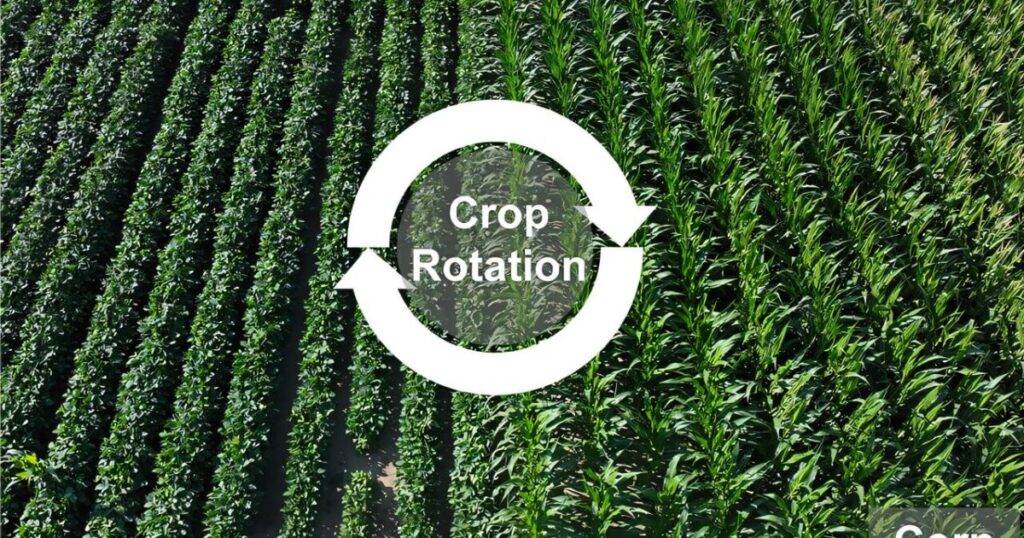
Crop rotation is an agricultural practice in which different crops are grown on the same piece of land in a planned sequence over several seasons. Instead of planting the same crop year after year, farmers rotate crops such as corn, soybeans, wheat, or vegetables to maintain soil health and productivity.The main purpose of crop rotation is to balance soil nutrients and reduce pest and disease problems. Different crops have different nutrient requirements. For example, legumes like beans and peas can add nitrogen to the soil, while crops like corn use large amounts of nitrogen. By rotating these crops, farmers can maintain better nutrient balance in the soil.
Crop rotation also helps break pest and disease cycles. Top 10 Proven Weed Management Many pests and plant diseases target specific crops. When farmers rotate crops each season, pests cannot easily survive or reproduce because their preferred host plants are no longer present.Another benefit of crop rotation is improved soil structure. Different crops have different root systems. Some plants develop deep roots that help loosen compacted soil, while others have shallow roots that protect the soil surface.Overall, crop rotation is a simple yet powerful farming practice that improves soil fertility, reduces chemical inputs, and supports healthier crop production.
Why Biologicals Are Important in Crop Rotation
Biologicals play a significant role in improving the effectiveness of crop rotation systems. While crop rotation already supports soil health, adding biological products can further enhance these benefits by increasing microbial activity and nutrient availability.One major advantage of biologicals is their ability to promote beneficial soil microorganisms. Healthy soil contains millions of microbes that help break down organic matter and release nutrients that plants can absorb. Biological products introduce helpful microbes that strengthen this natural process.Biologicals also support a variety of crops in the rotation cycle. Each crop has unique nutrient Can Biologicals Help You Get the Next Yield Bump requirements and root structures. Biological products help plants absorb nutrients more efficiently and improve root growth, resulting in stronger, healthier crops.
Another important benefit is reducing the need for chemical fertilizers and pesticides. Biologicals naturally protect crops from harmful pathogens and pests while improving plant resistance to environmental stress such as drought or poor soil conditions.When biologicals are combined with crop rotation, farmers can create a more balanced and sustainable farming system. This approach improves soil fertility, increases crop productivity, and protects the environment by reducing reliance on synthetic agricultural inputs.
Types of Biologicals Used in Crop Rotation
Several types of biological products are commonly used in crop rotation systems to improve soil health and crop performance. These biologicals support plant growth and help maintain balanced soil ecosystems.Biofertilizers are one of the most widely used biological products. They contain beneficial microorganisms that increase nutrient availability in the soil. For example, nitrogen-fixing bacteria help convert atmospheric nitrogen into a form that plants can use.Biostimulants are another important category of biologicals. These products enhance plant growth by improving root development, nutrient absorption, and stress tolerance. Biostimulants can help crops perform better under challenging environmental conditions, such as drought or poor soil fertility.
Biopesticides are natural pest control products derived from microorganisms or plant extracts. They help protect crops from harmful insects, fungi, and diseases without harming the environment or beneficial organisms.Another important biological component is mycorrhizal fungi. These fungi form a symbiotic relationship with plant roots, helping plants absorb water and nutrients more efficiently. In return, the plant provides the fungi with sugars produced during photosynthesis.
Benefits of Using Biologicals in Crop Rotation
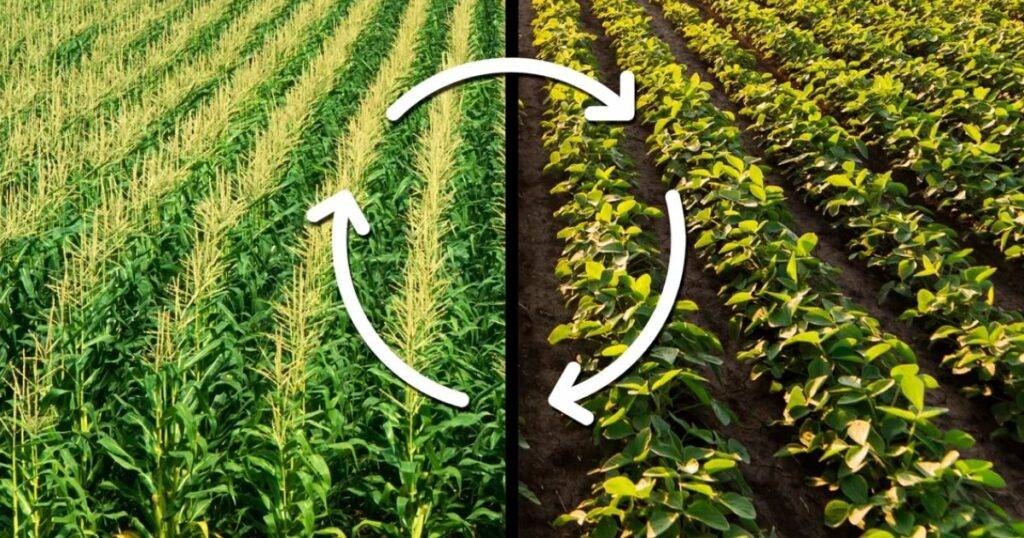
Using biologicals in crop rotation offers many advantages for farmers and the environment. One of the most important benefits is improved soil health. Biological products increase soil microbial diversity, enhancing nutrient cycling and soil fertility.Another major benefit is increased crop productivity. When plants receive balanced nutrition and stronger root development, they grow healthier and produce higher yields. Biologicals help plants absorb nutrients more efficiently, thereby improving overall crop performance.Biologicals also support environmentally friendly farming practices. By reducing the need for synthetic fertilizers and chemical pesticides, Sustainable Soil: Organic Methods To Enhance Soil Fertility farmers can minimize environmental pollution and protect beneficial organisms such as pollinators and soil microbes.
In addition, biologicals improve soil structure. Healthy soil with active microbial populations becomes more porous and better able to retain water. This helps crops survive during dry conditions and reduces soil erosion.Another advantage is improved plant resistance to stress. Biological products strengthen plant immunity and help crops tolerate drought, salinity, and temperature fluctuations.Overall, integrating biologicals with crop rotation creates a balanced farming system that promotes long-term soil health, sustainable crop production, and better environmental protection.
Best Practices for Applying Biologicals in Crop Rotation
To achieve optimal results with biological products, farmers should follow proper application practices when integrating them into crop rotation systems. Correct use ensures that beneficial microorganisms remain active and effective in the soil.One important practice is selecting the right biological product for the specific crop being grown. Boosting Soil Health: Different crops benefit from different types of microorganisms and biological formulations. Farmers should choose products that match their crop needs and soil conditions.
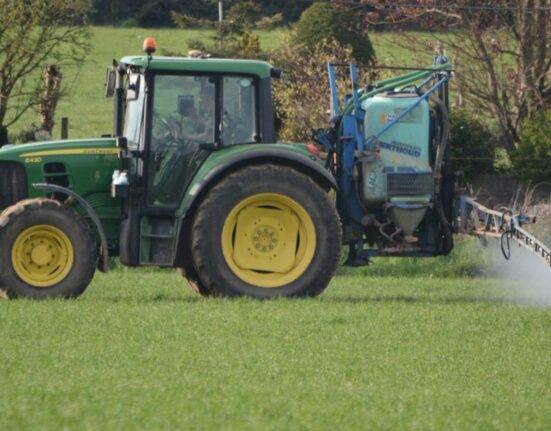
Timing is another key factor. Biologicals should be applied at the right stage of crop development. Some biological products are applied as seed treatments, while others are applied directly to the soil or sprayed on plant leaves.Proper storage and handling are also important. Biological products contain living organisms that can lose effectiveness if exposed to extreme temperatures or sunlight. Farmers should follow the manufacturer’s instructions for storage and application.In addition, biologicals should be integrated with other good farming practices such as proper irrigation, balanced fertilization, and healthy soil management.By following these best practices, farmers can maximize the benefits of biological products and improve the effectiveness of crop rotation systems for sustainable, productive agriculture.
Common Mistakes Farmers Should Avoid
Although biologicals offer many benefits, improper use can reduce their effectiveness. Farmers should be aware of common mistakes when using biological products in crop rotation systems.One common mistake is applying biologicals without understanding soil conditions. Soil type, pH levels, and nutrient availability can affect how well biological products perform. Conducting soil tests before application helps farmers make better decisions.Another mistake is using the wrong product for a specific crop or farming system. Different biological products are designed for different purposes, such as nutrient enhancement or pest control. Choosing the wrong product may not provide the desired results.Improper storage is another issue. Biological products contain living microorganisms that can die if stored incorrectly. Exposure to heat, sunlight, or moisture can reduce their effectiveness.
Some farmers also expect immediate results. Biologicals often work gradually by improving soil health over time. Patience and consistent use are important for achieving long-term benefits.Finally, ignoring application instructions can reduce the success of biological treatments. Farmers should carefully follow recommended guidelines for dosage, What Is Agriculture A Simple Guide for Everyone timing, and application methods.Avoiding these common mistakes helps farmers get the best results from biologicals and improve the overall success of crop rotation systems.
Future of Biologicals in Crop Rotation
The future of biologicals in crop rotation looks promising as farmers worldwide seek more sustainable agricultural practices. With growing concerns about soil degradation, climate change, and environmental pollution, biological solutions are gaining increasing attention.Agricultural research is continuously developing new biological products that improve plant growth and protect crops naturally. Scientists are discovering new beneficial microorganisms that can enhance soil fertility, increase nutrient availability, and protect plants from diseases.Technology is also helping farmers use biologicals more effectively. Advanced soil testing, precision agriculture tools, and improved product formulations are making biological products easier to apply and more reliable.
Governments and agricultural organizations are also encouraging farmers to adopt sustainable farming methods. Many agricultural programs promote the use of biological inputs to reduce the environmental impact of conventional farming.As the demand for environmentally friendly farming grows, biologicals will likely become an essential part of crop rotation systems. These natural solutions support healthy soil ecosystems, increase crop productivity, and help farmers maintain long-term agricultural sustainability.In the coming years, biologicals are expected to play a major role in shaping the future of modern agriculture.
FAQ
What are biologicals in agriculture?
Biologicals in agriculture are natural products made from living organisms such as beneficial bacteria, fungi, and plant extracts. These products help improve soil health, support plant growth, and protect crops from pests and diseases while reducing the need for chemical fertilizers and pesticides.
How do biologicals support crop rotation?
Biologicals support crop rotation by improving soil microbial activity and nutrient availability. They help different crops in the rotation cycle grow stronger by enhancing root development, nutrient absorption, and plant resistance. This combination improves soil fertility and increases crop productivity over time.
Can biologicals replace chemical fertilizers?
Biologicals may not completely replace chemical fertilizers, but they can significantly reduce their use. By improving nutrient cycling and soil health, biological products help plants access nutrients naturally, allowing farmers to rely less on synthetic fertilizers and maintain more sustainable farming practices.
When should biologicals be applied in crop rotation?
Biologicals can be applied at different stages depending on the product. Some are used as seed treatments, while others are applied to the soil or sprayed on plants during growth. Proper timing ensures beneficial microorganisms remain active and provide maximum benefits for crop development.
Are biologicals safe for the environment?
Yes, biologicals are considered environmentally friendly because they are derived from natural organisms. They support soil biodiversity, reduce chemical pollution, and protect beneficial insects and microorganisms. Using biologicals in crop rotation helps create a more sustainable and eco-friendly agricultural system.