

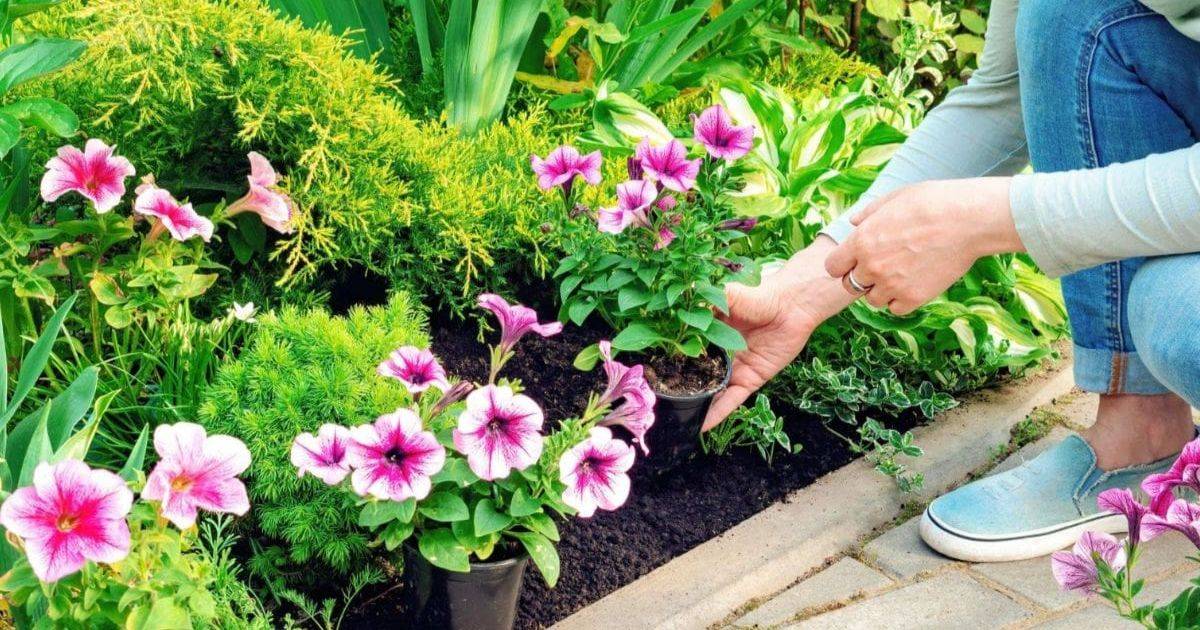
Choosing the right companion plants for petunias can completely transform your garden from ordinary to eye-catching. One of the most well-liked floral plants is the petunia because it blooms abundantly, comes in vibrant shades like yellow, red, and pink, and thrives in sunny conditions. But when you combine them with the right partners, your petunia garden becomes healthier, fuller, and more visually balanced.Companion planting is not just about beauty. The right petunia companion plants can help deter pests, attract pollinators, improve soil conditions, and maximize garden space. Whether you are designing decorative petunia arrangements for containers or planning a colorful landscape bed, selecting the proper plants to grow alongside petunias makes a noticeable difference.
In this guide, you’ll discover classic combinations like marigolds and petunias, striking foliage pairings such as dusty miller and petunias, and climate-specific tips for growing petunias in Florida. We’ll also answer common questions, including: Are petunias and hydrangeas companions? Let’s explore how to build the perfect plant partnership.
Why Companion Planting Works So Well
Companion planting improves plant health and garden efficiency. When you choose suitable petunia companion plants, you create a balanced environment where each plant supports the other. Petunias grow best in full sun with well-drained soil, so their ideal companions share similar needs.One reason petunias are such a good partner is their ability to act as ground cover. How To Grow Zinnia Flowers: Do Zinnias Like Sun Or Shade? Their spreading habit helps shade soil, reducing moisture loss and limiting weed growth. Meanwhile, taller companions provide structure and variation in height.
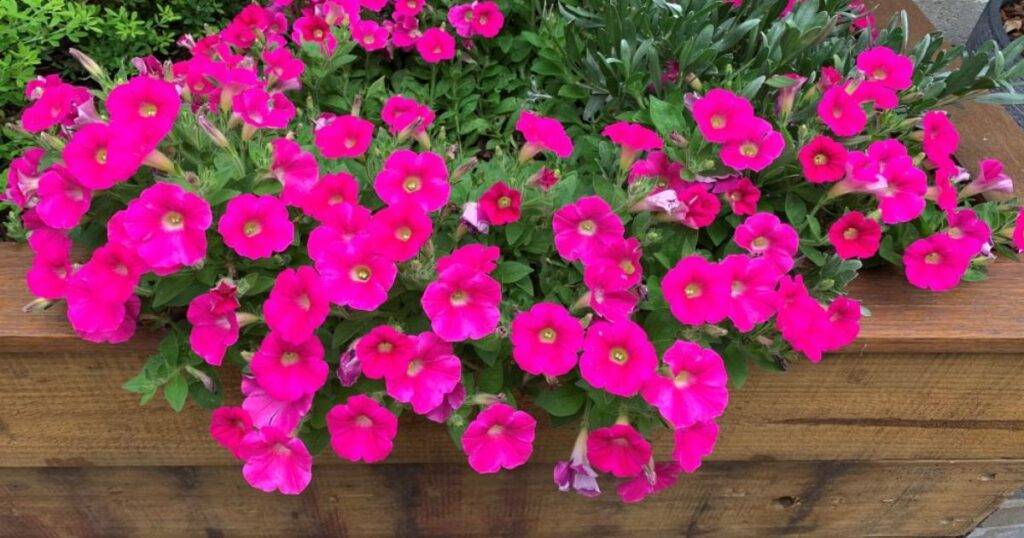
Another benefit is pest control. Some plants naturally repel harmful insects, protecting nearby flowers. Others attract beneficial pollinators like bees and butterflies, which enhance blooming throughout your petunia garden.Good companion planting also improves design harmony. Mixing colors like bold red and pink petunias with soft pastels or pairing bright yellow petunias with contrasting foliage creates depth and visual appeal. Ultimately, thoughtful pairings lead to more vigorous plants and more impressive displays.
Marigolds and Petunias: A Classic Combination
One of the most reliable pairings in any flower bed is marigolds and petunias. These two sun-loving plants share similar soil and watering requirements, making them easy to grow together. The vibrant golds and oranges of marigolds blend beautifully with purple, white, or red and pink petunias.Gardeners often choose petunias and marigolds because marigolds are known for repelling pests. Their scent can discourage aphids and other insects, helping protect delicate blooms. This makes petunias one of the best flowers to plant with marigolds.
If you’re wondering what flowers go with marigolds, petunias are at the top of the list. Both plants thrive in containers, raised beds, and borders. You can create symmetrical rows for a formal look or mix them randomly for a cottage-style garden.For a striking contrast, combine deep purple petunias with bright orange marigolds. For a softer aesthetic, pair creamy yellow petunias with golden marigolds. This timeless duo offers both beauty and practicality.
Dusty Miller and Petunias: A Stunning Contrast
Another beautiful pairing is dusty miller and petunias. Dusty miller features silvery-gray foliage that contrasts dramatically with vibrant blooms. Any petunia garden gains depth and character from this combo.Silver leaves act as a neutral backdrop, allowing bold colors like red and pink petunias or bright yellow petunias to stand out even more. This makes dusty miller an excellent choice for formal borders and decorative petunia arrangements.
Full sun and well-drained soil are preferred by both plants. So they are compatible in both containers and ground beds. Dusty Miller is also relatively drought-tolerant, complementing petunias without competing aggressively for water.If you want a modern, elegant garden look, arrange alternating clusters of dusty miller and petunias. The soft foliage balances intense bloom colors, creating a refined visual effect that works well for front yard landscaping or patio pots.
Creative Petunia Arrangements for Containers and Beds
Designing attractive petunia arrangements is easy when you follow the “thriller, filler, spiller” method. Use upright plants as thrillers, petunias as fillers, and trailing varieties to spill over the edges of containers.Mixing red and pink petunias together creates bold, romantic displays perfect for patios. For cheerful summer themes, combine yellow petunias with white blooms for brightness. Adding foliage plants, such as dusty miller, enhances depth and contrast.
In larger flower beds, create waves of color by grouping petunias in clusters. How to Use Drip Tape Effectively for Efficient Irrigation Pair marigolds and petunias for a vibrant border, or alternate rows for structured elegance. Remember that your petunia’s partner plants should share similar sunlight and watering needs.For hanging baskets, combine trailing petunias with compact companions that won’t overcrowd them. Balanced spacing prevents airflow issues and promotes healthier blooms throughout the season.
Petunias in Florida: Climate-Smart Pairings
Growing petunias in Florida requires attention to heat and humidity. Petunias thrive in Florida during the cooler months, especially from fall through spring. Because summers can be intense, choosing heat-tolerant petunia companion plants is essential.Marigolds perform well in warm climates, making marigolds a strong choice for Florida gardens. Dusty Miller also tolerates full sun and provides contrast without requiring excessive water.
When planting a petunia garden in Florida, ensure excellent drainage to prevent root rot. Raised beds or containers work particularly well. Choose companions that handle similar watering schedules to avoid stress.If you want vibrant displays year-round, refresh plantings seasonally. Cooler months allow petunias to shine, while summer may require switching to more heat-tolerant annuals.
Are Petunias and Hydrangeas Companions?
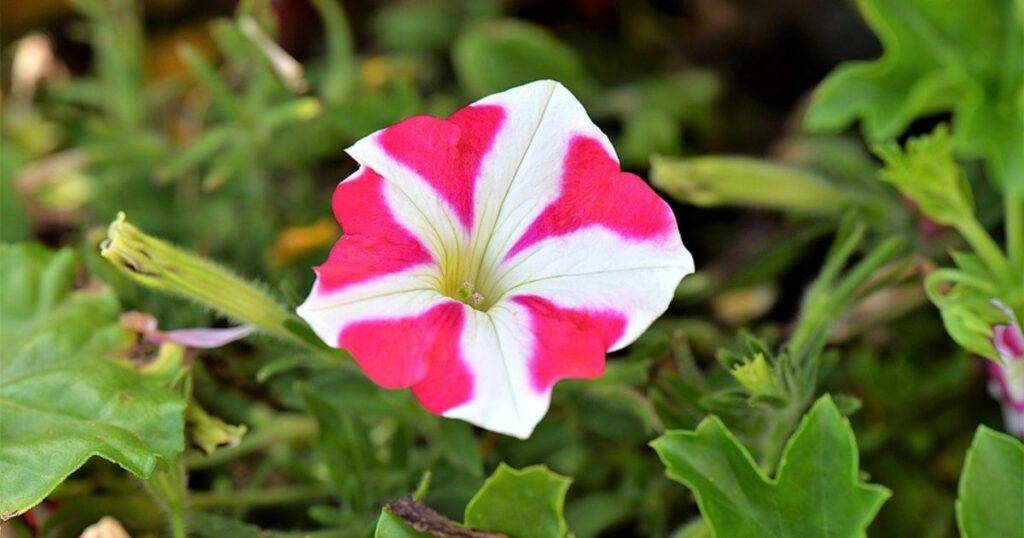
Many gardeners ask, are petunias and hydrangeas companions? The answer depends on conditions. Hydrangeas generally prefer partial shade and consistently moist soil, while petunias thrive in full sun and well-drained conditions.Because of these differences, they are not ideal companions in small spaces. However, in larger landscapes, they can coexist if planted with proper spacing and with awareness of the microclimate.
For example, hydrangeas can occupy shaded borders while petunias fill sunny foreground areas. This allows each plant to receive its preferred environment without competition. October Flower: Stunning Seasonal Blooms That Brighten Autumn If you’re designing layered beds, consider separating watering zones to keep both healthy. While they may not be perfect direct partners, thoughtful placement can make them work together in expansive gardens.
Design Tips for Stunning Flower Beds
Creating a breathtaking flower bed starts with thoughtful planning and bright plant combinations. When designing a vibrant petunia garden, focus on color harmony, plant height, texture, and seasonal balance to achieve a polished, professional look.
Layer by Height
Place taller plants at the back, medium-height blooms in the center, and low-growing flowers like petunias in the front. This layered approach creates depth and ensures every plant remains visible and well-exposed to sunlight.
Use Color Coordination
Combine complementary shades for visual impact. Pair bold red and pink petunias with white or purple accents for contrast. For a cheerful summer vibe, mix yellow petunias with blue or violet flowers. Repeating the same colors throughout the bed creates a cohesive look.
Add Texture Contrast
Incorporate foliage plants, such as dusty miller, to soften bright blooms. Mixing fine-textured leaves with large, colorful petals adds dimension and prevents the bed from looking flat.
Plant in Clusters, Not Single Rows
Group flowers in clusters of three or five rather than straight lines. This technique creates a more natural, abundant appearance.
Leave Room to Grow
Avoid overcrowding. Proper spacing improves airflow, reduces disease risk, and keeps your flower bed healthy and thriving all season long.
Common Mistakes to Avoid
Even the most beautiful petunia garden can struggle if a few common mistakes are overlooked. Avoiding these errors will help your blooms stay healthy, vibrant, and long-lasting.
Overcrowding Plants
One of the biggest mistakes is planting too closely together. While full flower beds look attractive, overcrowding reduces airflow, increases disease risk, and limits root growth. What Not to Plant with Tomatoes Give your petunia companion plants enough space to spread naturally.
Mixing Incompatible Watering Needs
Not all flowers require the same amount of water. Pairing petunias with moisture-loving plants can lead to overwatering. Always choose companion plants for petunias that prefer well-drained soil and similar watering schedules.
Ignoring Sunlight Requirements
Petunias thrive in full sun. Planting them with shade-loving flowers can lead to weak blooms and poor growth. Make sure your petunia’s partner plants share the same light preferences.
Poor Soil Drainage
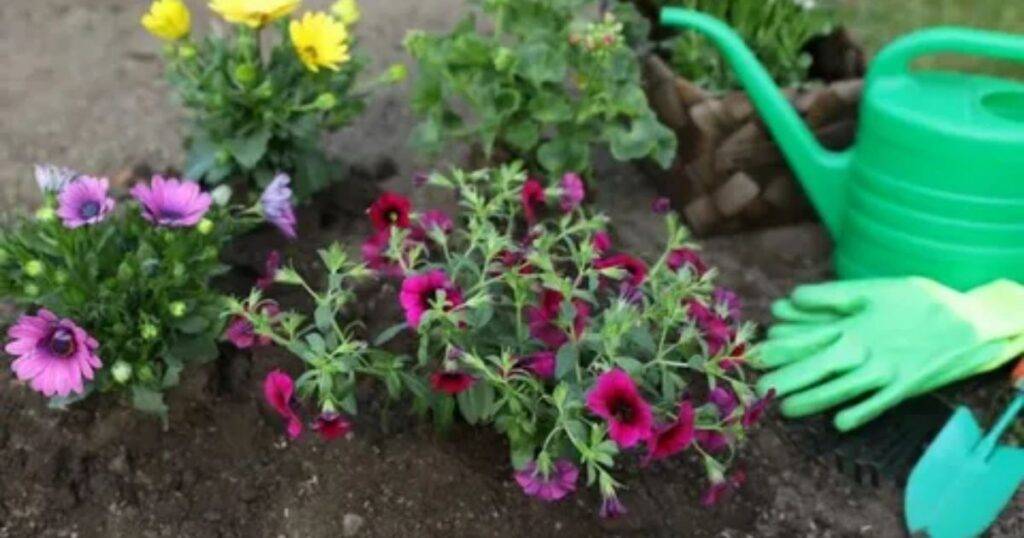
Heavy, compacted soil can cause root rot. Improve drainage with compost or raised beds, especially when growing petunias in Florida, where humidity is high.
Neglecting Maintenance
Failing to deadhead spent blooms or fertilize regularly can reduce flowering. Consistent care keeps petunias blooming beautifully throughout the season.
Conclusion
Creating a thriving and colorful petunia garden becomes much easier when you choose the right companion plants for petunias. Thoughtful pairings not only enhance your garden’s overall appearance but also support healthier growth, more effective pest control, and longer-lasting blooms. Classic combinations like marigolds and petunias remain popular because they share similar sunlight and soil needs while offering natural protection against common garden pests. Likewise, pairing dusty miller with petunias adds elegant contrast and texture, elevating both container displays and landscape beds.
Whether you’re designing bold petunia arrangements with red and pink petunias or brightening your space with cheerful yellow petunias, selecting the right petunia partner plants ensures harmony in both color and care requirements. Gardeners growing petunias in Florida should focus on heat-tolerant companions and proper drainage for the best results. Tomato Companion Gardening: Best Plants to Grow With Tomatoes And while some combinations, such as hydrangeas, require careful placement, most sun-loving annuals blend beautifully with petunias.With balanced planning, wise plant choices, and creative design, your garden can flourish into a vibrant, cohesive display that blooms beautifully all season long.
FAQ
What are the best companion plants for petunias?
The best companion plants for petunias include marigolds, dusty miller, verbena, lobelia, and snapdragons. These plants share similar sunlight and soil needs, making them ideal petunia companion plants for healthy growth and long-lasting, colorful blooms.
Do marigolds and petunias grow well together?
Yes, marigolds and petunias grow very well together. Both prefer full sun and well-drained soil. Marigolds also help deter pests naturally, making them one of the most reliable flowers to plant with marigolds and petunias.
What flowers go with marigolds besides petunias?
Besides petunias, flowers to plant with marigolds include zinnias, salvia, calendula, and snapdragons. These blooms complement marigolds in color and growth habit, creating a balanced, vibrant garden display throughout the season.
Are petunias and hydrangeas companions?
Petunias and hydrangeas are not perfect companions because they prefer different sunlight and watering conditions. However, in larger landscapes, they can coexist if planted in separate zones that match their individual growing requirements.
Can I grow petunias in Florida year-round?
Petunias in Florida grow best during cooler months, especially fall through spring. Summer heat and humidity can stress plants, so gardeners often treat them as seasonal annuals and replant when temperatures become milder.
