

Tomatoes are one of the most popular and rewarding crops in home gardens. A drooping tomato plant can be alarming for any gardener, signaling that something in its growing environment isn’t quite right. While wilting leaves often indicate water-related issues, they can also signal other underlying problems, such as pests, diseases, nutrient deficiencies, or extreme temperatures. Young seedlings and mature plants alike are susceptible, and the cause can vary depending on the plant’s growth stage.
Identifying why your tomato plant is drooping is essential for preventing long-term damage and ensuring healthy fruit production. In this guide, we’ll explore the most common reasons for tomato droopiness—from overwatering and underwatering to soil problems and environmental stress—and provide practical steps to revive your plant and restore its vibrant, upright growth.
Underwatering: The Most Common Cause
Underwatering is one of the most common reasons plants struggle to thrive. When soil does not receive enough moisture, roots cannot absorb the water and nutrients needed for healthy growth. As a result, plants may show signs such as wilting, dry or crispy leaves, slow development, and premature leaf drop. Over time, prolonged dryness can weaken the root system, making the plant more vulnerable to pests and what is good for tomatoes disease.
Many gardeners underestimate how quickly soil can dry out, especially during hot or windy weather. Regularly checking soil moisture and adjusting your watering schedule ensures plants stay hydrated and maintain strong, vibrant growth throughout the dead tomato plant season.
Why It Happens
Tomatoes have deep, thirsty root systems. During hot weather, flowering, and fruit development, they require consistent moisture. When the soil becomes too dry, the plant loses internal water pressure (turgor), causing leaves and tomato plants dying stems to wilt.
Signs of Underwatering
- Dry, crumbly soil several inches deep
- Leaves that droop but recover after watering
- Curling or slightly crispy leaf edges
- Yellowing lower leaves
How to Fix It
- Water deeply 1–2 times per week rather than shallowly daily.
- Ensure water penetrates at least 6–8 inches into the soil.
- Add mulch (straw, compost, shredded leaves) to retain moisture.
- During extreme heat, check container plants daily.
If your plant perks up within a few hours after watering, underwatering was likely the issue.
Overwatering: Too Much of a Good Thing
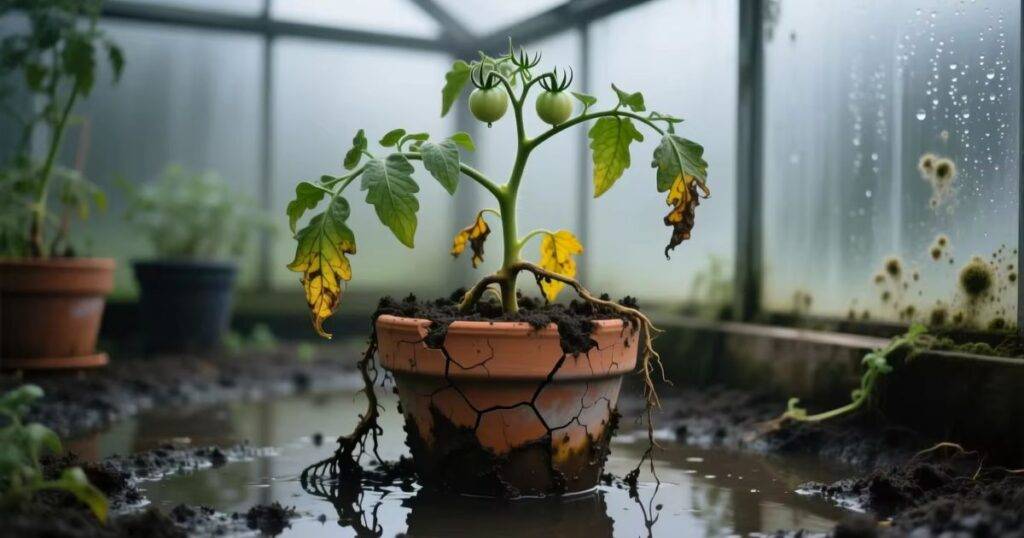 Overwatering is one of the most common mistakes gardeners make, often with the best intentions. While plants need consistent moisture to grow, too much water can suffocate roots, wash away nutrients, and create the perfect environment for fungal diseases. When soil stays constantly wet, oxygen levels drop, causing roots to rot and leaves to turn yellow or wilt. Ironically, overwatered plants may look thirsty, leading gardeners to add even more water, worsening the tomato plant stress problem.
Proper drainage, well-aerated soil, and a balanced watering schedule are essential for healthy growth. Understanding your plant’s specific moisture needs helps prevent stress, encourages strong root development, and ensures long-term vitality in any garden or container setting.
Why It Happens
Roots need oxygen to sad tomato plant function. When soil stays waterlogged, oxygen is pushed out, leading to root suffocation and, in some cases, root rot. Damaged roots cannot absorb water properly, causing the plant to wilt even though the soil is why are my tomato plants dying wet.
Signs of Overwatering
- Soil remains soggy for days
- Yellowing leaves
- Soft or mushy stems
- Drooping that does NOT improve after watering
- Sour or foul smell in the soil
How to Fix It
- Allow soil to dry slightly between waterings.
- Improve drainage with compost or organic matter.
- Make sure containers have drainage holes.
- Avoid watering on a fixed schedule—check soil moisture first.
Consistency is key. Tomatoes prefer evenly moist soil, not constant wetness.
Heat Stress and Midday Wilting
Heat Stress and Midday Wilting occur when plants lose water faster than their roots can absorb it, especially during hot, sunny afternoons. High temperatures increase transpiration, causing leaves to droop or curl as a protective response. This temporary wilting often improves in the evening when temperatures drop, and moisture levels recover. However, prolonged heat stress can damage plant tissues, reduce photosynthesis, slow growth, and lower yields.
Garden crops like tomatoes, peppers, and leafy greens are particularly vulnerable during extreme summer heat. Providing consistent watering, mulching, shade cloth, and proper spacing helps reduce stress. Monitoring soil moisture and watering deeply in the early morning helps keep roots hydrated and allows plants to withstand intense midday heat why my tomato plant is dying better.
Why It Happens
When temperatures rise above 90°F (32°C), tomato plants lose water through their leaves faster than their roots can how to revive a tomato plant absorb it. This imbalance causes wilting, especially during the hottest part of the day.
Signs of Heat Stress
- Drooping during the afternoon heat
- Recovery in the evening
- Leaf edges curling upward
- Blossom drop
How to Fix It
- Water early in the morning.
- Add 2–3 inches of mulch.
- Provide temporary shade cloth during heatwaves.
- Avoid fertilizing during extreme heat.
If the plant recovers by sunset, this is usually harmless temporary stress.
Transplant Shock
Transplant shock is the stress plants experience after being moved from one location to another, such as from a seed tray to the garden or from a nursery pot into the ground. During transplanting, roots are often disturbed or damaged, reducing the plant’s ability to absorb water and nutrients effectively. As a result, plants may show signs like wilting, yellowing leaves, slowed growth, or leaf drop. Environmental changes—such as differences in sunlight, temperature, wind, or soil conditions—can also increase stress.
Although transplant shock is usually temporary, proper preparation helps reduce its impact. Watering thoroughly, handling roots gently, transplanting during cooler parts of the day, and gradually hardening off seedlings can all support faster recovery and healthy how to save a dying tomato plant growth.
Why It Happens
Transplanting disturbs the root system. Even minor root damage temporarily reduces the plant’s ability to absorb water how to revive tomato plants efficiently.
Signs of Transplant Shock
- Drooping within 24–48 hours after planting
- Slight yellowing
- Slow or paused growth
How to Fix It
- Water thoroughly immediately after transplanting.
- Plant during cooler evening hours.
- Avoid breaking apart root balls unnecessarily.
- Give the plant 5–10 days to recover.
Most tomato plants bounce back quickly once roots reestablish.
Nutrient Deficiencies
Nutrient Deficiencies occur when plants do not receive the essential elements they need for healthy growth and development. These deficiencies can affect leaves, stems, roots, flowers, and fruit production. Common missing nutrients include nitrogen, phosphorus, potassium, calcium, magnesium, and iron. Symptoms often appear as yellowing leaves, stunted growth, weak stems, poor flowering, or discoloration between leaf tomato plant dying veins.
Soil pH imbalance, poor soil quality, overwatering, or lack of fertilization can all contribute to nutrient problems. Identifying the specific deficiency early is essential for proper treatment. Gardeners and farmers can correct deficiencies by applying balanced fertilizers, organic compost, or targeted nutrient supplements. Healthy soil management and regular soil testing help prevent nutrient deficiencies and support vigorous, productive plants.
Common Deficiencies
Common deficiencies in plants often arise from insufficient nutrients, water, or sunlight, leading to stunted growth, yellowing leaves, and poor yields. Nitrogen, phosphorus, and potassium shortages are the most frequent, affecting foliage, root development, and flowering. Micronutrient deficits, such as iron, magnesium, or zinc, can also cause chlorosis and weakened plant health. Identifying these deficiencies early allows gardeners and farmers to correct soil imbalances, apply targeted fertilizers, and ensure healthy, vigorous growth for optimal crop production and vibrant gardens.
Nitrogen Deficiency
- Pale green or yellow leaves
- Slowed growth
Magnesium Deficiency
- Yellowing between veins
- Older leaves are affected first
How to Fix It
- Apply a balanced fertilizer (such as 10-10-10).
- Add compost for organic nutrient support.
- Use Epsom salt for magnesium deficiencies (1 tablespoon per gallon of water).
- Avoid over-fertilizing, which can burn roots.
Healthy soil produces stronger, upright plants.
Disease-Related Wilting
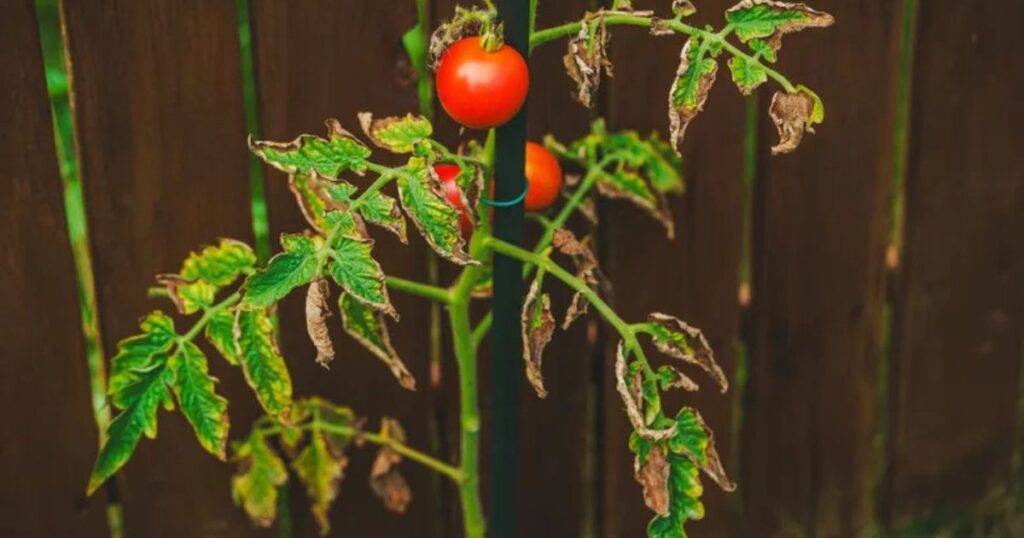
Disease-related wilting occurs when plant pathogens disrupt the normal flow of water and nutrients within stems and roots. Fungal, bacterial, or viral infections can block vascular tissues, especially the xylem, preventing moisture from reaching leaves and shoots. As a result, plants appear limp, droopy, and stressed even when the soil is adequately moist. Common causes include soilborne fungi such as Fusarium and Verticillium, as well as bacterial wilt pathogens.
Infected plants may also show yellowing leaves, stunted growth, stem discoloration, or sudden collapse. Disease-related wilting often spreads through contaminated soil, water, tools, or infected plant material. Early diagnosis, crop rotation, resistant varieties, and proper sanitation are essential steps to prevent and manage this serious plant droopy leaves on tomato plant health issue.
Fusarium Wilt
Fusarium wilt is a soilborne fungal disease caused by Fusarium species and affects a wide range of crops, including tomatoes, bananas, and cucumbers. It invades plant vascular tissues, blocking water and nutrient flow, leading to yellowing, wilting, and stunted growth. The fungus can persist in soil for years, making management challenging. Effective control includes resistant varieties, crop rotation, and proper sanitation to reduce soil contamination.
Symptoms:
- Yellowing lower leaves
- One-sided wilting
- Brown streaks inside stems
There is no cure. Remove infected plants and rotate crops for 3–4 years.
Verticillium Wilt
Verticillium wilt is a soilborne fungal disease affecting many plants, including vegetables, trees, and ornamentals. Caused by Verticillium species, it clogs plant vascular systems, leading to yellowing, wilting, stunted growth, and, in some cases, plant death. The fungus can persist in soil for years, making management challenging. Effective control includes crop rotation, resistant varieties, proper sanitation, and maintaining plant health to reduce stress and vulnerability.
Symptoms:
- Gradual yellowing
- V-shaped leaf lesions
- Stunted growth
Remove affected plants and improve soil health.
Bacterial Wilt
Bacterial wilt is a severe plant disease caused by soilborne bacteria, commonly affecting crops such as tomatoes, potatoes, and cucumbers. It blocks the plant’s vascular system, leading to sudden wilting, yellowing leaves, and eventual death. The bacteria spread through contaminated soil, water, and infected tools. Effective management includes crop rotation, resistant varieties, proper sanitation, and avoiding overwatering to reduce bacterial survival and transmission.
Symptoms:
- Rapid severe drooping
- Leaves remain green
- Milky ooze from the cut stem
Unfortunately, infected plants must be removed immediately.
Pest Damage
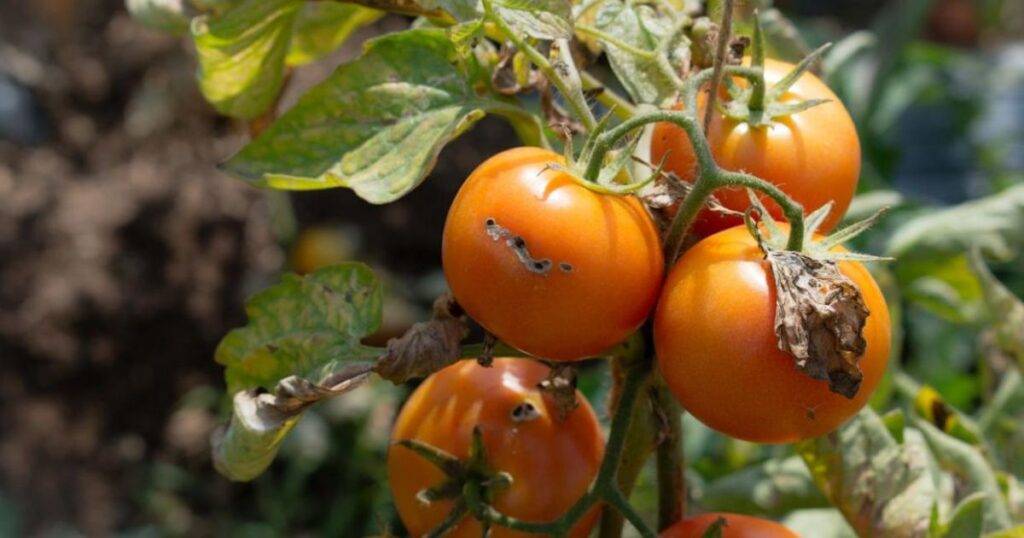 Pest Damage refers to the harm caused to crops, plants, stored grains, or livestock by insects, rodents, fungi, birds, and other harmful organisms. In gardens and farms, pests can chew leaves, bore into stems, suck plant sap, damage roots, and spread diseases that weaken or kill plants. Common signs of pest damage include holes in leaves, discolored spots, wilting, stunted growth, and reduced why are my tomato plants wilting yields.
In severe cases, infestations can cause significant economic losses for farmers. Effective pest management involves early detection, regular monitoring, natural predators, proper sanitation, and, when necessary, safe use of pesticides. Understanding pest damage helps growers protect plant health, improve productivity, and maintain sustainable agricultural practices.
Common Culprits
- Tomato hornworms – Large caterpillars that defoliate quickly.
- Aphids – Small insects that suck sap from leaves.
- Cutworms – Larvae that sever stems at the soil level.
Solutions
- Handpick hornworms.
- Use insecticidal soap for aphids.
- Install collars around stems to prevent cutworms.
Regular inspection helps catch pest problems early.
Root Problems and Soil Compaction
Root Problems and Soil Compaction are common issues that limit healthy plant growth in gardens and farms. When soil becomes compacted due to heavy foot traffic, machinery, or poor soil structure, air spaces between particles shrink. This reduces oxygen availability, restricts water infiltration, and prevents roots from expanding freely. As a result, plants develop shallow, weak root systems that struggle to absorb nutrients and moisture efficiently.
Symptoms often include stunted growth, yellowing leaves, and poor crop yields. Over time, compacted soil can lead to root rot and increased disease pressure. Improving soil structure with organic matter, proper drainage, and reduced tillage helps restore healthy root development and overall plant vitality.
Causes
- Compacted soil
- Root-bound container plants
- Nematodes
- Damage from digging too close
Signs
- Stunted growth
- Persistent drooping
- Poor fruit production
Loosen soil gently around the plant (without disturbing roots), improve drainage, and repot container plants if necessary.
Over-Fertilizing
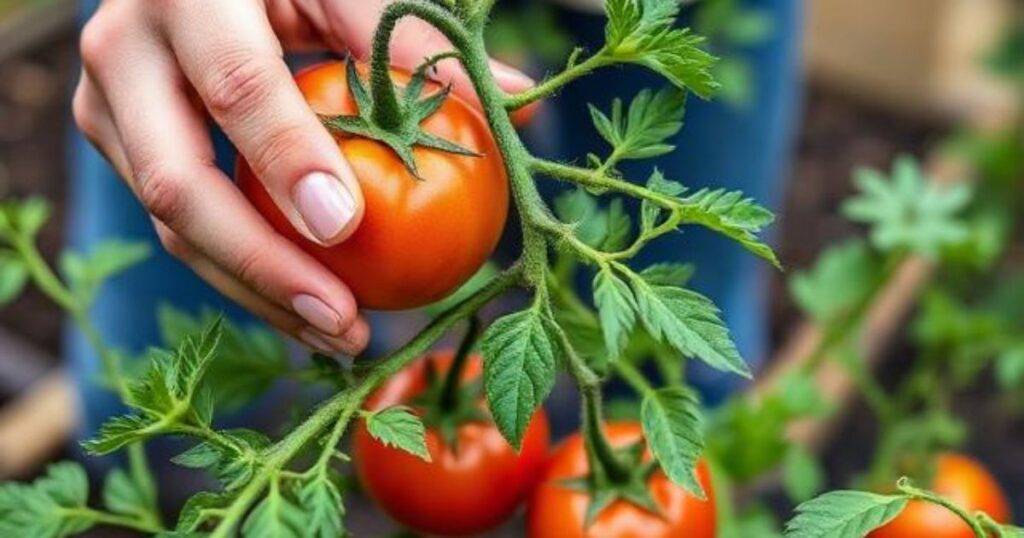 Over-fertilizing occurs when plants receive more nutrients than they can naturally absorb, often due to excessive use of chemical or organic fertilizers. While nutrients are essential for healthy growth, too much can harm plants, leading to leaf burn, stunted growth, or root damage. Excess fertilizer can also leach into soil and water systems, causing environmental problems like nutrient runoff and water pollution. Symptoms include yellowing or browning leaves, weak stems, and reduced flowering or fruiting.
Proper fertilization involves understanding soil nutrient levels, following recommended application rates, and using slow-release or balanced fertilizers. Monitoring plant response ensures growth without overloading the ecosystem, maintaining both plant and environmental health.
Symptoms
- Brown or burnt leaf edges
- White salt crust on the soil surface
- Drooping after feeding
Flush soil thoroughly with water and reduce fertilizer strength moving forward.
How to Diagnose the Problem Quickly
Diagnosing a problem quickly requires a systematic and focused approach. Start by clearly identifying the symptoms and gathering relevant information. Ask targeted questions to understand when, where, and how the issue occurs. Break the situation down into smaller components to efficiently isolate potential causes. Use available tools, checklists, or diagnostic guides to speed up the process. Observe patterns or recurring issues that may hint at the root cause.
Avoid assumptions—verify each hypothesis with evidence. Once the problem is identified, document findings and consider immediate corrective actions. Efficient diagnosis not only saves time but also prevents minor issues from escalating into major complications.
Prevention Tips for Healthy Tomato Plants
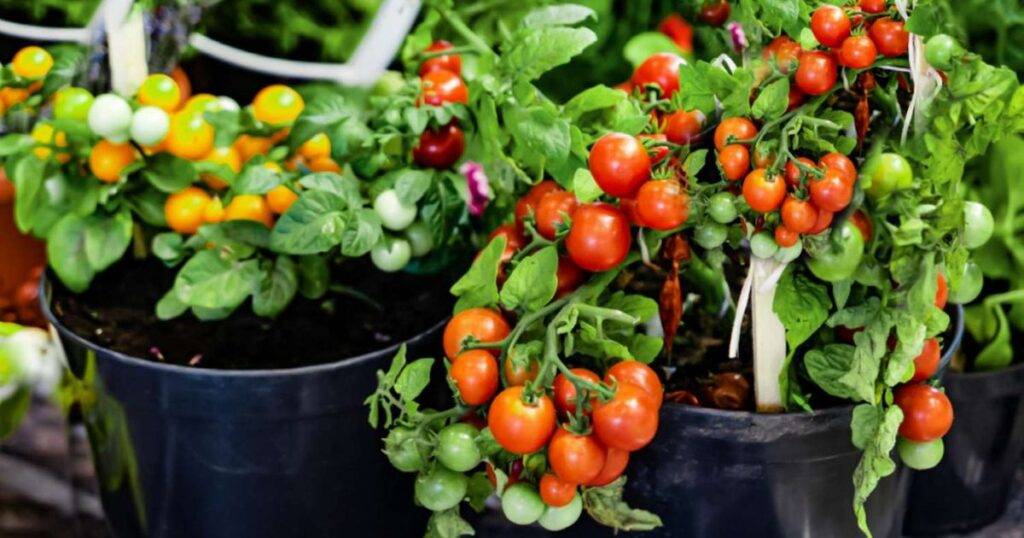 Keeping tomato plants healthy starts with proactive care. Begin by selecting disease-resistant varieties and planting in well-draining soil rich in organic matter—space plants properly to allow airflow and reduce humidity, which minimizes fungal growth. Water consistently at the base, avoiding overhead watering that can spread pathogens. Mulching helps retain moisture and prevent soilborne diseases.
Regularly inspect plants for pests, yellowing leaves, or unusual spots, and remove affected foliage promptly. Rotate crops annually to reduce the risk of soilborne diseases. Providing adequate sunlight, balanced fertilization, and pruning lower leaves promotes strong growth. These preventive practices create resilient tomato plants, reducing disease risk and promoting robust fruit production.
Conclusion:
In conclusion, a drooping tomato plant is usually a clear signal that something in its care or environment is off. Common causes include inconsistent watering, extreme temperatures, nutrient deficiencies, pest infestations, or root problems. Understanding the plant’s needs—regular watering without waterlogging, adequate sunlight, proper soil nutrition, and protection from pests—is key to restoring its health. Observing patterns, checking soil moisture, and inspecting leaves and stems can help identify the root issue quickly. By addressing these factors promptly, you can revive a drooping tomato plant, encourage vigorous growth, and ultimately enjoy a healthy, productive tomato harvest.
FAQ:
What does Drooping in Tomato plants Indicate?
Drooping, or wilting, often signals stress in your tomato plant. It can result from water issues, temperature extremes, pests, diseases, or root problems. Observing the pattern of drooping helps identify the exact cause.
Could it be a Watering Issue?
Yes. Both under-watering and over-watering can cause drooping. Dry soil leads to dehydration, while waterlogged soil can suffocate roots, reducing nutrient uptake.
How does Temperature Affect Tomato plants?
Tomato plants droop under extreme heat or cold. High temperatures cause wilting due to rapid water loss, while cold can shock the plant and slow its metabolism, leading to drooping leaves.
Are Pests Responsible for Drooping?
Certain pests, such as aphids, whiteflies, or root-knot nematodes, damage leaves or roots, reducing water and nutrient transport, which can cause the plant to droop.
Can Diseases cause Tomato Plants to Droop?
Yes. Diseases like Fusarium wilt, Verticillium wilt, or bacterial wilt affect the plant’s vascular system, leading to drooping leaves and stems. Early detection is key to managing these.
