

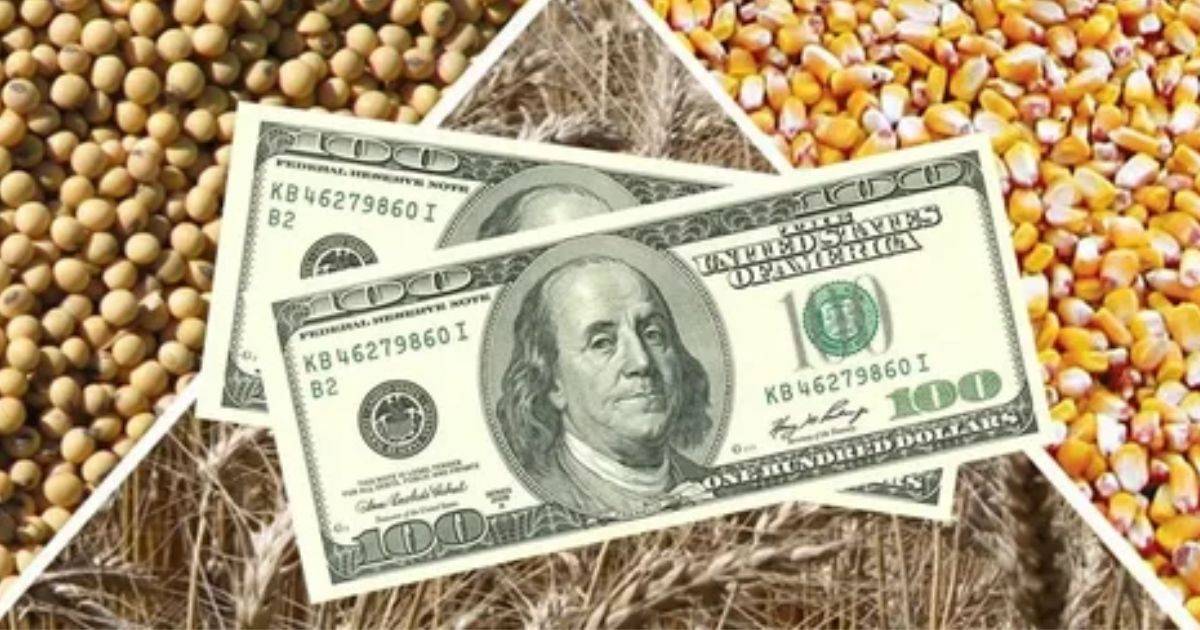
Corn and soybean prices play a critical role in the global agricultural economy. From livestock feed and biofuel production to cooking oil and food processing, these crops impact everyday life. Yet many people often ask: Why do Corn and Soybean Prices fluctuate so much? A complex combination of weather conditions holds the answer. conditions, global demand, futures trading, and breaking corn market news.
Both corn and soybean prices are susceptible to change because they are traded globally. Changes in supply or demand, even little ones, can result in noticeable price movement. Farmers, traders, exporters, and consumers closely monitor news and market signals to inform their decisions. Questions like what’s the price of soybeans today? or will corn prices rise next year? They are searched daily by investors and growers alike.This complete market guide breaks down the significant factors influencing corn and soybean markets in simple terms. From weather disruptions to corn soybean futures and long-term outlooks like the corn price forecast 2025, this guide helps you understand how prices are formed and why they never stay still.
What’s the Price of Soybeans?
What’s the price of soybeans? It is a common question among farmers, traders, and consumers, but the answer is never fixed. Soybean prices change daily and sometimes hourly, driven by several market factors. Unlike retail products, soybean prices are set in global commodity markets, where supply, demand, and expectations constantly shift.One of the biggest influences is the weather. Poor rainfall, drought, or extreme temperatures can damage the soybean plant, reduce yields, and push soybean prices higher. Favorable weather, on the other hand, often leads to larger harvests and lower prices. Global demand also matters. What Is An Agricultural Future? Learn The Basics Soybeans are widely used for animal feed, cooking oil, and biofuel, so rising demand from major importers can quickly push prices higher.
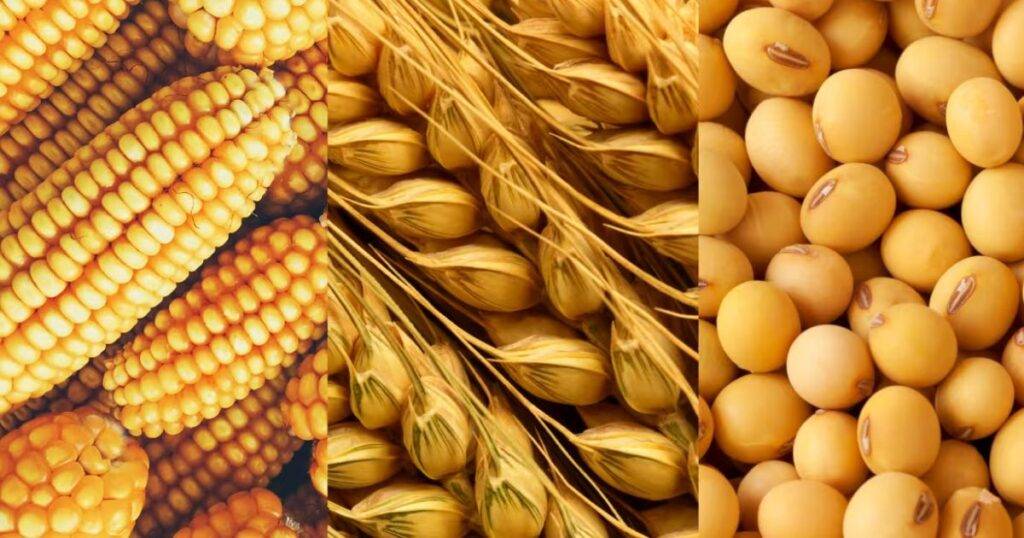
Soybean prices are also shaped by corn and soybean futures markets. Futures prices reflect what traders expect prices to be in the coming months, based on corn market news, export data, and global events. Currency movements, trade policies, and transportation costs further affect pricing.Because so many factors interact at once, How Long Does It Take for Corn Crops to Grow the price of soybeans remains dynamic, making market awareness essential for informed decision-making.
Role of Weather (Weather & Waether) in Corn and Soybean Prices
Weather is one of the most potent drivers of corn and soybean prices. Crops depend heavily on rainfall, temperature, and seasonal stability. When severe weather conditions like floods and droughts occur, or heatwaves occur, production levels can drop quickly. Even inaccurate weather forecasts can trigger panic in the market.Corn is especially sensitive during pollination, while soybean plants need consistent moisture during pod development. Poor growing conditions often lead traders to expect lower yields, which pushes prices higher. On the other hand, ideal weather conditions can result in record harvests and falling prices due to oversupply.
Global climate patterns also matter. The impact of El Niño and La Niña events on rainfall across key corn-producing regions, including Argentina, Brazil, and the United States. When these regions face adverse weather, corn market news reacts almost instantly.Because the weather is unpredictable, it adds uncertainty to the market. This uncertainty fuels price volatility and increases trading activity, making weather updates one of the most closely watched factors in corn and soybean price movements.
Supply Demand and Corn Producing Regions
Supply and demand fundamentals strongly influence corn and soybean prices. When corn-producing regions report high yields, supply increases, often lowering prices. Conversely, poor harvests or reduced acreage can tighten supply and push prices upward.Major corn-producing countries like the U.S., Brazil, China, and Argentina dominate global exports. What Soil is Best For Growing Soybeans Any disruption in these regions, such as labor shortages, policy changes, or transport issues, can affect global supply chains. Soybean prices are also impacted by rising demand from food processing, animal feed, and biofuel industries.
Demand trends are just as important. Rapid population growth and increased meat consumption raise demand for both corn and soybeans. Additionally, export demand from countries like China can suddenly spike prices when large purchase orders are announced.Prices increase as demand outpaces supply. When the supply outpaces demand, prices fall. This constant imbalance keeps the market moving and ensures corn and soybean prices rarely remain stable for long.
Corn Market News Soybean Plant Health and Global Events
Daily corn market news plays a significant role in price fluctuations. Reports on crop progress, soybean plant disease, pest outbreaks, and fertilizer costs can quickly shift market sentiment. Traders react instantly to new data, often before physical markets adjust.Global events also matter. Trade agreements, export bans, wars, and currency fluctuations all influence corn and soybean prices. For example, changes in export policies or sanctions can limit supply, leading to price surges. News about corn exports or soybean import demand can move futures markets within minutes.
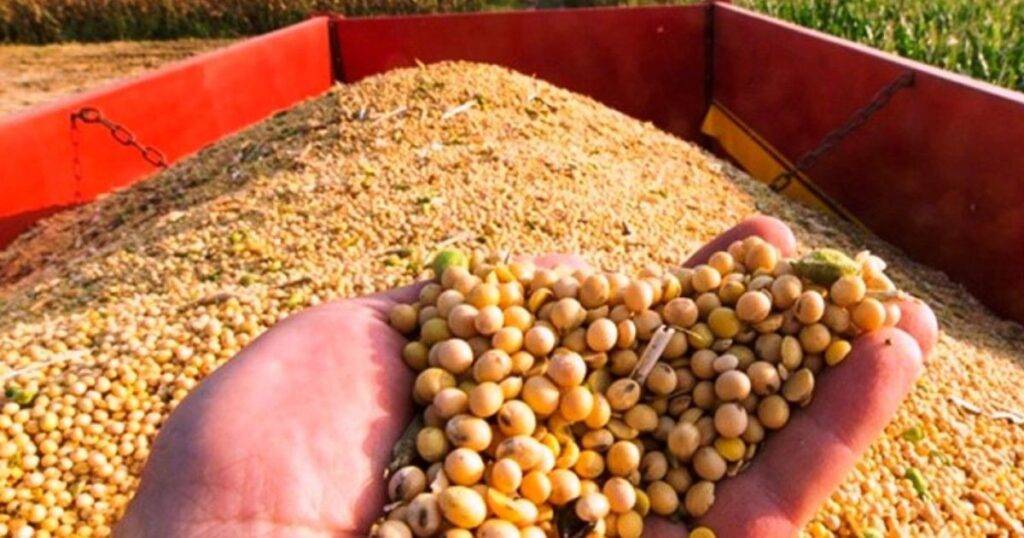
Plant health is another key factor. A healthy soybean plant leads to higher yields, while disease or pests reduce production. Any widespread crop issue becomes headline news in the corn market and affects prices globally.In today’s digital world, markets move fast. A single news headline can influence millions of dollars in trading, making information flow one of the strongest price drivers in modern agricultural markets.
Corn Soybean Futures and Price Discovery
Corn and soybean futures markets are where future prices are predicted and traded. These contracts allow farmers, processors, and investors to hedge against price risk. Futures markets also help answer questions like, “What’s the price of soybeans next month?“Prices in futures markets reflect expectations about supply, demand, weather, What is the Process of Growing Soybeans and global events. When traders expect shortages, futures prices rise. When they expect a surplus, prices fall. This process is known as price discovery.
Corn soybean futures are influenced by speculation as well. Significant investment funds can move prices by buying or selling large contract volumes. While this adds liquidity, it can also increase volatility.Because futures prices often lead cash markets, they are closely watched indicators. Farmers use them to plan sales, and analysts use them to forecast trends, such as corn prices for 2025.
Corn Price Forecast 2025 and Market Outlook
Looking ahead, the corn price forecast for 2025 depends on multiple uncertain factors. Climate change, evolving weather patterns, global demand growth, and energy markets will all shape future prices. Increased biofuel use could support higher corn prices, while technological advances may boost yields and limit price spikes.Soybean prices are expected to remain volatile due to strong global demand and climate risks. Expansion in South American corn-producing regions could balance markets, but geopolitical tensions may disrupt trade flows.
Analysts agree that volatility will remain a defining feature. Monitoring corn market news, futures trends, and weather updates will be essential for accurate forecasting.For farmers, traders, When Did American Farmers Start Growing Soybeans and investors to manage risk and spot possibilities in the corn and soybean industries, it is essential to comprehend these dynamics. markets.
Conclusion
Corn and soybean prices fluctuate because they sit at the center of a highly connected global system. From unpredictable weather and shifting weather patterns to changes in supply, demand, and international trade, every factor impacts market movement. Corn-producing regions must deal with climate risks, while soybean plant health, pests, and input costs directly affect yields and overall availability. These uncertainties make corn and soybean prices naturally volatile.At the same time, modern markets move fast. Corn market news, futures trading activity, and global economic events can change price expectations within hours. Corn soybean futures help discover prices and manage risk, but they also amplify short-term fluctuations. That’s why questions like ‘What’s the price of soybeans today?’ or ‘Where will prices go next?’ remain so common among farmers, traders, and investors.
Looking ahead, the corn price forecast for 2025 suggests continued uncertainty rather than stability. Climate change, energy demand, and geopolitical shifts will continue to influence both corn and soybean markets. By staying informed about corn through reliable news sources, monitoring weather trends, and understanding futures signals, market participants can make smarter decisions and better navigate ongoing price fluctuations.
FAQ
Why do Corn and Soybean Prices fluctuate so frequently?
Corn and Soybean Prices fluctuate due to changes in weather and weather conditions, global supply and demand, futures market activity, and breaking corn market news. Even minor updates can move prices quickly.
How does the weather affect corn and soybean prices?
Weather plays a significant role. Droughts, floods, or extreme heat can damage corn and soybean plant growth, reduce yields, and push prices higher. Favorable weather often leads to lower prices due to higher production.
What is the role of corn soybean futures in pricing?
Corn soybean futures help determine future prices by reflecting market expectations. They are used by farmers and traders to manage risk and often influence daily cash prices.
What’s the price of soybeans based on?
The price of soybeans depends on global demand, export activity, soybean plant health, futures trading, and current corn market news.
Which regions are most important for corn production?
Major corn-producing regions include the United States, Brazil, Argentina, and China. Changes in production in these areas significantly impact global prices.