
Yield contests are more than just friendly competitions among farmers—they are powerful learning platforms that reveal what is truly possible in modern agriculture. Across the globe, farmers who participate in yield contests consistently push the boundaries of productivity, discovering new techniques, refining old practices, and sharing valuable insights that benefit the entire farming yield community.
But the real value of yield contests goes far beyond achieving record-breaking numbers. The strategies used by top performers can be applied across the whole farm, improving efficiency, sustainability, and profitability. In this comprehensive guide, we’ll explore how yield contests drive innovation and bushels per acre outline proven strategies you can adopt for whole-farm yield contests success.
What Are Yield Contests?
Yield contests are organized agricultural competitions where farmers aim to produce the highest crop yields under specific conditions. These contests often focus on agronomist crops like corn, wheat, rice, and soybeans. Participants contest typically:
- Follow defined rules and categories
- Document their farming practices
- Submit verified yield data
While winning is exciting, the real goal is to identify best practices that can be scaled across farms of alhook said sizes.
Why Yield Contests Matter for Whole-Farm Success
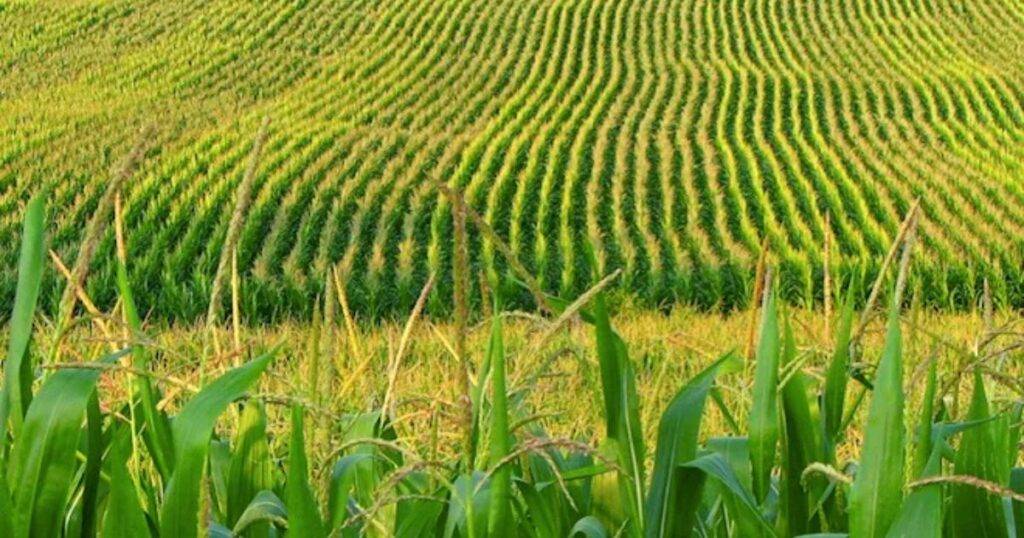 Yield contests aren’t just about bragging rights—they’re a powerful tool for whole-farm success. By participating, farmers gain insights into best practices, innovative techniques, and local strategies that maximize crop production. These contests foster friendly competition, motivating farmers to refine planting, fertilization, irrigation, and pest management methods. Beyond individual fields, the knowledge gained impacts the entire farm, boosting overall efficiency, sustainability, and Whole-Farm Success from Yield Contests national corn growers association profitability.
They also encourage collaboration and the sharing of ideas within farming communities. Ultimately, yield contests highlight what works and what doesn’t, helping yield contest winners farmers make smarter decisions, improve resilience, and micronutrient achieve higher corn productivity across all crops and farm soybean corn crop operations.
Key Benefits:
- Innovation Testing: Farmers experiment with new seeds, fertilizers, and technologies.
- Data-Driven Decisions: Detailed records help identify what works best.
- Knowledge Sharing: Top performers often share insights with the farming community.
- Improved Efficiency: Lessons learned can optimize inputs and reduce record-breaking waste.
When applied across the entire farm, these benefits lead to long-term gains in productivity and farmer profitability.
Proven Strategies from Yield Contest Winners
 Proven strategies from yield yield contest winners reveal contest winners reveal a powerful combination of precision, consistency, and innovation. Top performers focus on detailed soil testing, balanced nutrient management, and selecting high-performing seed varieties suited to local conditions. They make data-driven decisions, using tools such as GPS mapping and real-time monitoring to optimize planting, irrigation, and pest control.
Timely field operations and attention to crop health at every growth stage are key factors. These farmers also prioritize learning, analyzing past results, and adapting practices each season. By integrating technology with strong agronomic fundamentals, yield contest winners consistently plant health achieve foliar exceptional productivity while maintaining long-term soil health and farm farm corn yield sustainability.
Start with Soil Health
Healthy soil is the foundation of high yields. Contest winners consistently prioritize soil farm row spacingmanagement.
Best Practices:
- Conduct regular soil testing
- Balance nutrients (N, P, K, and micronutrients)
- Improve organic matter through compost or cover crops
- Maintain proper pH levels
Healthy soils improve water retention, root development, and nutrient uptake—all critical for ncga maximizing yields.
Choose the Right Genetics
Seed selection plays a major role in corn and soybeanyield success. Top farmers carefully 300-bushel corn select hybrids or help farmers varieties suited to their corn yield environment.
Considerations:
- Climate adaptability
- Disease resistance
- Yield potential
- Maturity timing
Using high-quality acre seeds tailored to local conditions can contest-winning significantly boost grower national corn productivity.
Optimize Planting Techniques
Timing and precision in planting are crucial.
Key Strategies:
- Plant at the optimal time for your region
- Maintain proper seed spacing and depth
- Use precision planting equipment
- Adjust population density based on soil type
Even small improvements in planting accuracy can yield noticeable gains.
Precision Nutrient Management
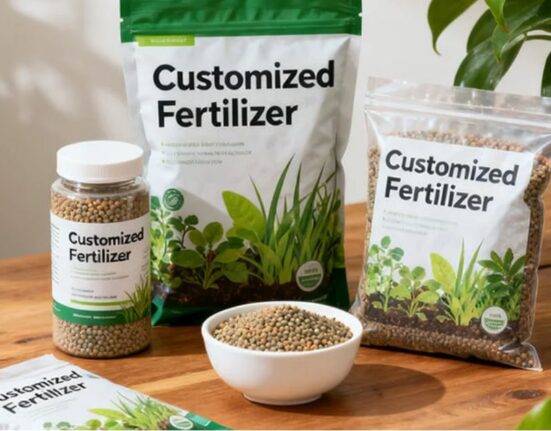
Yield contest crop strip-till winners don’t just apply fertilizers—they apply them strategically.
Techniques:
- Split fertilizer applications
- Use variable-rate technology
- Monitor crop growth stages
- Apply foliar feeding when needed
This ensures that crops receive nutrients when they need them most, reducing waste and increasing 2025 efficiency.
Advanced Irrigation Management
Water management is yield potential critical, previous record especially in regions with variable rainfall.
Effective Practices:
- Use soil moisture sensors
- Implement drip or precision irrigation systems
- Avoid overwatering and water stress
- Schedule irrigation based on crop yields higher needs
Efficient water use not in-season only boosts yields but also conserves bushel resources.
Integrated Pest and Disease Management
Protecting crops from pests and per acre diseases is essential for maintaining high 20-inch national corn growers association yields.
Smart Approaches:
- Regular field scouting
- Use of resistant varieties
- Biological control methods
- Targeted pesticide application
An integrated approach minimizes damage while reducing chemical use.
Embrace Technology and Data
Modern farming relies heavily on technology.
Tools Used by Top Farmers:
- GPS-guided equipment
- Drones for crop monitoring
- Farm management software
- Yield mapping systems
Data-driven insights allow farmers to make informed decisions and continuously 2023 improve.
Focus on Timing and Execution
High yields often come down to doing the right thing at the fertility right time.
Critical Timing Factors:
- Planting windows
- Fertilizer application stages
- Pest control interventions
- Harvest timing
Delays or missteps can significantly impact results, so precision and planning are key.
Scaling Contest Strategies Across the Whole Farm
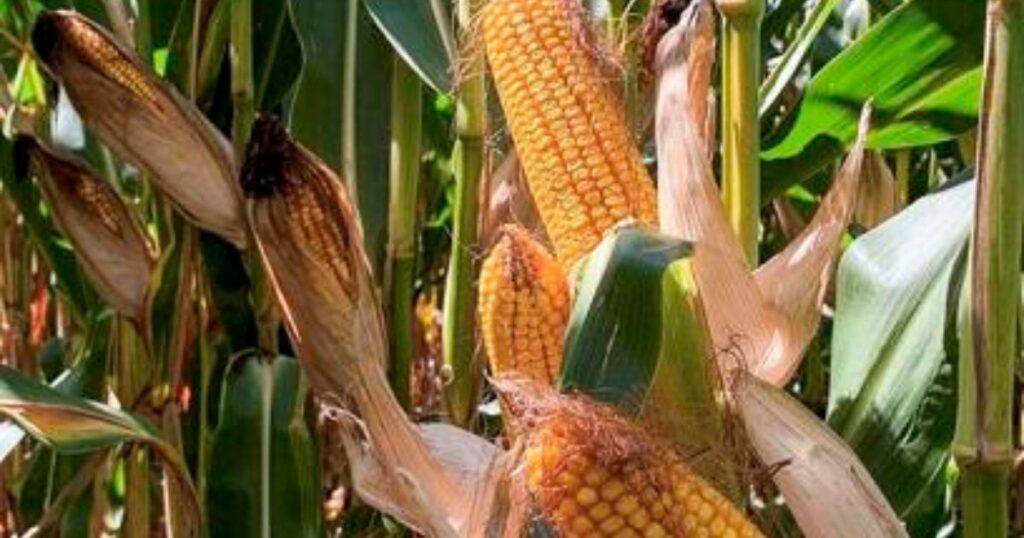 Scaling contest strategies across the whole farm requires turning small-plot successes into system-wide practices. Farmers analyze yield contest data, identify high-performing techniques, and adapt them to diverse field conditions. This includes optimizing nutrient management, improving planting density, refining irrigation, and integrating precision agriculture tools. Consistency is key, so practices must be economically viable and operationally efficient at Whole-Farm Success from Yield Contests scale.
Continuous monitoring and data-driven adjustments ensure sustained performance gains across all acres. By fostering a culture of experimentation and learning, farmers can successfully and sustainably replicate contest-level yields while maintaining soil health and long-term profitability across the entire operation year after year, with improved high yields resilience and resource efficiency for narrower future soybeangrowth.
Analyze Results
After implementing contest techniques:
- Compare yields across fields
- Identify what worked best
- Evaluate cost vs. return
Prioritize High-Impact Practices
Not all strategies will be equally effective. Focus on those that:
- Deliver the highest return on investment
- They are practical for large-scale implementation
Gradual Expansion
Instead of changing everything at once:
- Test new practices on larger plots
- Monitor performance
- Adjust as needed
Economic Benefits of Yield Contest Strategies
Yield contest strategies offer significant economic benefits by helping farmers maximize productivity while optimizing input use. By adopting precision agriculture techniques, improved seed varieties, and data-driven decision-making, farmers can achieve higher yields per acre without proportionally increasing costs. These strategies often encourage efficient use of fertilizers, water, and crop protection products, reducing waste and boosting profitability.
Participation in yield contests also promotes knowledge sharing and innovation, allowing farmers to learn proven methods from top performers. As a result, farms become more resilient, competitive, and sustainable. Ultimately, these practices not only increase farm income every acre but also contribute to long-term economic stability and growth in the agricultural agronomy sector.
Increased Profitability
Increased Profitability” refers to strategies and practices that help businesses, farms, or organizations maximize revenue while minimizing costs. By improving efficiency, optimizing resources, and leveraging innovations, profitability grows sustainably. This concept emphasizes smart decision-making, risk management, and value creation to ensure long-term financial health. Whether through better crop yields, cost-effective operations, or strategic investments, increased profitability enables hybrid selection stakeholders to achieve david hula stronger returns and reinvest for future growth.
Reduced Input Waste
Reduced Input Waste refers to the efficient use of resources in farming or production processes, minimizing excess application of fertilizers, water, pesticides, and energy. By optimizing inputs, farmers save costs, protect the environment, and enhance crop or product quality. This approach not only reduces waste and runoff but also supports sustainable practices, ensuring that every resource contributes effectively to yield, soil health, and long-term farm productivity.
Better Risk Management
Improved soil health and troy uphoff seeding crop resilience reduce the impact of adverse fertilizer conditions.
Environmental Advantages
Environmental advantages refer to the positive impacts that sustainable practices have on ecosystems, natural resources, and overall environmental health. By reducing pollution, conserving water, and minimizing waste, these practices help protect biodiversity and maintain ecological balance. Sustainable farming, renewable energy use, and responsible land management all contribute to lowering greenhouse gas emissions and slowing climate change.
Additionally, preserving soil health and preventing erosion ensures long-term productivity of the land. Cleaner air and water also improve human health and quality of life. Overall, environmental advantages support a healthier planet, promote sustainability, and ensure that natural resources remain available for future nutrient university of illinois generations.
Key Environmental Benefits:
- Improved soil structure and fertility
- Reduced chemical runoff
- Efficient water use
- Lower carbon footprint
Sustainability not only protects the environment but also ensures long-term farm contest plots productivity.
Common Challenges and How to Overcome Them
Facing challenges is a natural part of any journey, whether in personal growth, work, or learning. Common obstacles include time management struggles, lack of motivation, unexpected setbacks, and difficulty in prioritizing tasks. Overcoming these hurdles starts with understanding their root causes and adopting practical strategies.
Setting clear goals, breaking tasks into manageable steps, and maintaining a positive mindset can make challenges less daunting. Seeking support from mentors, peers, or professional networks also provides guidance and accountability. By embracing resilience, learning from mistakes, and staying adaptable, individuals can turn obstacles into opportunities, build confidence, and achieve success despite agronomic casey hook difficulties.
High Initial Costs
High initial costs refer to the substantial upfront investment required to start a project, launch a business, or implement new technology. These expenses often include purchasing equipment, infrastructure, licenses, or materials before any returns are realized. While they can be a barrier for some, high initial costs are often associated with long-term benefits, such as improved efficiency, durability, or competitive advantage, making careful planning and plant population budgeting essential for world record success.
Data Overload
Data Overload refers to the overwhelming influx of information that exceeds our ability to process it effectively. In today’s digital age, constant streams of emails, notifications, reports, and social media updates can lead to stress, reduced productivity, and poor decision-making. Managing data overload requires prioritization, organization, and smart filtering to focus on what truly matters, ensuring clarity, efficiency, and better outcomes in both personal and professional life.
Solution: Focus on key metrics that herbicide directly impact yield and profitability.
Real-World Example of Success
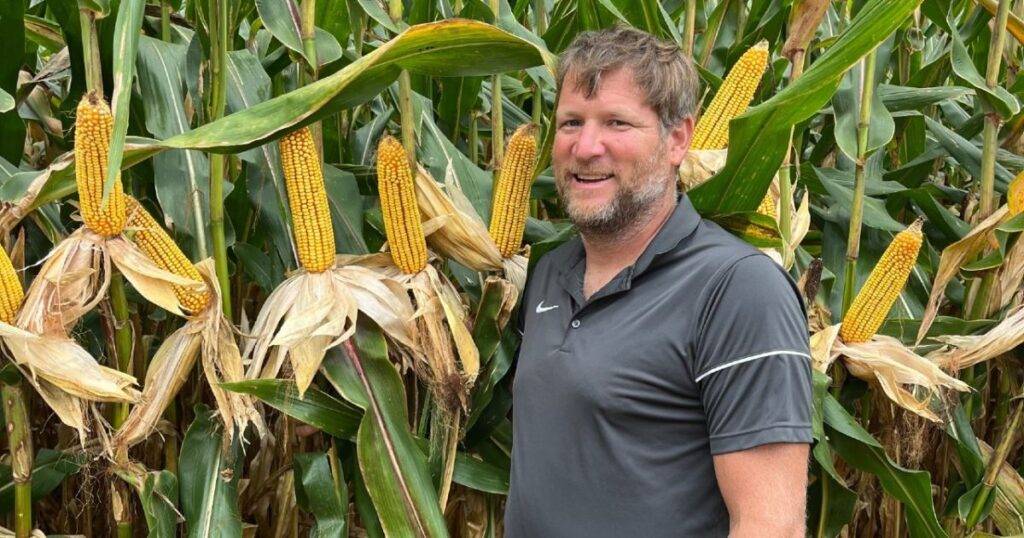
Many top-performing farmers report that participating in a yield contest transformed their entire operation. By adopting precision techniques, improving soil health, and leveraging data, they achieved:
- Consistent yield increases
- Lower production costs
- Greater resilience to weather variability
These results highlight the power of applying contest strategies beyond small test higher yields plots.
Building a Culture of Continuous Improvement
 Building a culture of continuous improvement means fostering an environment where learning, growth, and innovation are part of daily operations. It encourages employees at all levels to identify inefficiencies, propose solutions, and proactively embrace change. By promoting collaboration, open feedback, and accountability, organizations can adapt quickly to challenges while enhancing performance.
Leaders play a crucial role by modeling improvement behaviors, providing resources, and recognizing contributions. This mindset not only increases productivity and quality but also strengthens employee engagement and morale. Over time, continuous improvement becomes a core value, driving sustainable success, operational excellence, and a resilient, forward-thinking organizational precision culture.
Tips for Continuous Growth:
- Keep detailed records
- Stay updated on new technologies
- Learn from other farmers
- Experiment with new practices
Farming is constantly evolving, and those who embrace change are more likely to succeed.
The Future of Yield Contests and Farming
The Future of Yield Contests and Farming explores how modern agriculture is evolving through innovation, competition, and data-driven strategies. Yield contests, once simple tests of productivity, are now transforming into platforms that encourage sustainable practices, technological adoption, and precision farming. Farmers leverage insights from soil health, crop genetics, and AI-powered monitoring to optimize results while minimizing environmental impact.
These contests foster collaboration, knowledge sharing, and healthy competition, pushing the entire industry toward greater efficiency and resilience. By highlighting success stories and emerging trends, this discussion offers a glimpse into a future where farming is smarter, more sustainable, and more rewarding for farmers and communities yield contests may alike.
Emerging Trends:
- AI-driven decision-making
- Climate-smart farming practices
- Advanced genetic research
- Increased use of automation
Farmers who stay ahead of these trends will be better positioned for long-term success.
Conclusion:
Yield contests are not just about winning—they are about discovering what’s possible. The strategies used by top performers provide a roadmap for improving productivity, efficiency, and sustainability across the entire farm. By focusing on soil health, precision management, technology, and continuous learning, you can transform your farming operation and achieve lasting success.
Whether you’re a smallholder or a large-scale producer, the lessons from yield contests offer valuable insights that can help you grow more, reduce costs, and build a resilient farming nitrogen future.
FAQ:
What is a Yield Contest?
A yield contest is a competition in which farmers measure and compare crop productivity, often expressed as weight per acre. It encourages participants to implement advanced farming practices, optimize inputs, and adopt new technologies to achieve higher yields.
Does Entering a Yield Contest require Significant Investment?
Not necessarily. While maximizing yield may involve investments in seed, fertilizers, or equipment, farmers can participate using their current operations. Smart planning, proper crop management, and data tracking often yield results without excessive spending.
What Crops are Typically Included in Yield Contests?
Yield contests are usually crop-specific. Common crops include corn, soybeans, wheat, and cotton, as well as specialty crops such as vegetables or berries, depending on the region and contest organizer.
Are Yield Contests only about Winning?
Not at all. While winning is a goal for some, the real value is in learning, improving farm efficiency, and increasing overall profitability. Participating encourages strategic thinking and innovation.
Can Yield Contest Practices Improve long-term farm Sustainability?
Yes. Many high-yield strategies, such as soil health improvement, precision nutrient management, and crop rotation, contribute to sustainable farming while boosting production.