

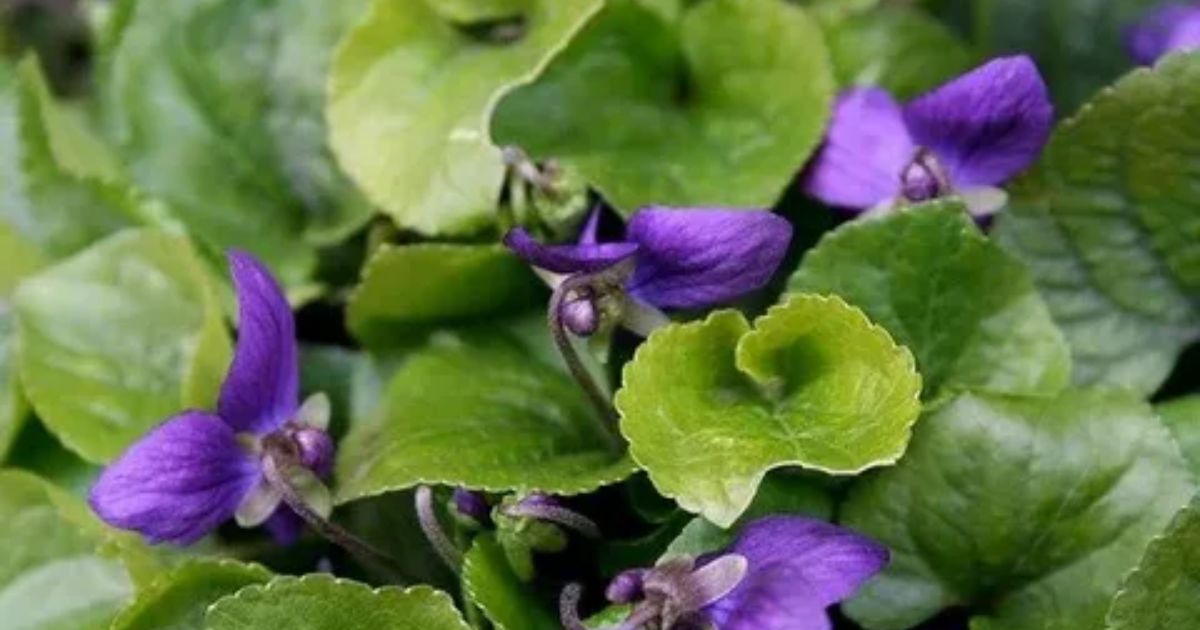
When it comes to charming little blooms, few flowers spark as much confusion as Violets Violas and African Violets. At first glance, their names suggest they must all be close relatives, but that’s not quite the case. True violets and violas share a botanical connection, while African violets, despite their name, belong to a completely different plant family.
For gardeners, houseplant lovers, and anyone who enjoys a splash of color, understanding these differences can help you choose the right plant for your space. Whether you’re seeking a fragrant wildflower, a vibrant bedding plant, or a cheerful indoor companion, knowing what sets these plants apart makes all the difference.In this guide, we’ll break down each one, exploring their origins, appearances, care needs, and the reasons they often get mixed up, so you’ll never mistake one for the other again.
Understanding the Basics
To start, let’s clarify what each of these plants is and where they fit in the botanical world. While their names may suggest they’re closely related, violets and violas belong to the same family, but African violets are entirely different. Here’s a quick overview:
- Violets: True violets belong to the genus Viola, within the Violaceae family. These are hardy, perennial plants often found in temperate regions, known for their heart-shaped leaves and five-petaled flowers.
- Violas: Also part of the Violets Violas and African Violets related to violets but are often smaller and more compact. They’re popular in gardens and as ornamental plants, Orchard Trees: Fruitful Growing A Comparative Guide with some varieties grown as annuals or biennials.
- African Violets: Despite the name, African violets (Saintpaulia species) belong to the Gesneriaceae family, not the Violaceae family. These are tropical, indoor plants prized for their fuzzy leaves and vibrant, long-lasting blooms.
Now, let’s dive deeper into each plant to uncover what sets them apart.
Violets: The Classic Wildflower

Botanical Background
Violets are members of the Viola genus, which includes over 500 species worldwide. Common species include Viola odorata (sweet violet) and Viola tricolor (wild pansy). These plants are typically perennials, meaning they return year after year, and they thrive in temperate climates. Violets are often found in woodlands, meadows, and gardens, where they spread through seeds or underground rhizomes.
Appearance
Violets are renowned for their delicate blossoms with five petals. Which often appear in shades of purple, blue, white, or yellow. The petals are slightly asymmetrical, with two upper petals, violets flowers two side petals, and a lower petal that often has vein-like markings. Their leaves are typically heart-shaped or rounded, forming a low-growing rosette close to the ground. Some species, like Viola odorata, are fragrant, earning them the name “sweet violet.”
Growing Conditions
Violets are hardy plants that prefer partial shade to full sun, depending on the species. They thrive in well-drained, fertile soil rich in organic matter. These plants are relatively low-maintenance and can tolerate a range of conditions, making them a favorite for naturalized gardens or woodland settings.
- Light: Partial shade is ideal, though some species tolerate full sun.
- Soil: The pH of the soil is neutral to slightly acidic, and it is moist and well-drained.
Care Tips
- Propagation: violets flower can be propagated by seeds, division, or cuttings. Many species self-seed, creating natural spreads in gardens.
- Pests and Diseases: Watch for slugs, snails, and powdery mildew, especially in humid conditions.
- Uses: Violets are often used in borders, rock gardens, or as ground cover. Their edible flowers are also popular in culinary applications, such as salads or garnishes.
Violas: The Versatile Garden Star
Botanical Background
Violas are also part of the Viola genus, making them close cousins of true violets. However, violas are often distinguished by their smaller size and more compact growth habit. Common varieties include Viola cornuta (horned viola) and Viola x wittrockiana (pansy), a hybrid often grown as an annual or biennial. Violas are widely cultivated for their vibrant colors and long blooming periods.
Appearance
Violas resemble viola flowers but are typically smaller, with blossoms with a diameter of one to two inches. A stunning variety of hues can be found in their blossoms, including purple, blue, yellow, white, and bicolor combinations. Pansies, a type of viola, are particularly notable for their “face-like” markings, with bold patterns on their petals. Violas have heart-shaped or oval leaves, and their growth is more compact than that of many violet flower.
Growing Conditions
Violas are versatile and adaptable, making them popular for garden beds, window boxes, and containers. They prefer cooler temperatures and can bloom through spring and fall, sometimes even in mild winters.
- Light: Full sun to partial shade, with more sun encouraging abundant blooms.
- Soil: Well-drained, fertile soil enriched with compost.
- Watering: Keep soil evenly moist, avoiding soggy conditions.
- Temperature: Violas thrive in USDA zones 4–9 and prefer cool weather, often blooming best in spring and fall.
Care Tips
- Deadheading: To promote continual flowering, remove spent blooms.
- Fertilizing: Apply a balanced, water-soluble fertilizer every 4–6 weeks during the growing season.
- Pests and Diseases: Violas are susceptible to aphids, slugs, and root rot if overwatered.
- Uses: Perfect for edging, containers, or mass plantings, violas add vibrant color to any garden.
African Violets: The Indoor Beauty
Botanical Background
African violets (Saintpaulia species) are not true violet plants and belong to the Gesneriaceae family, native to East Africa, particularly Tanzania. Discovered in the late 19th century, October Flower: Stunning Seasonal Blooms That Brighten Autumn they’ve become among the most well-liked houseplants in the world because of their compact size and year-round blooming potential.
Appearance
African violets are known for their rosettes of fuzzy, oval leaves and clusters of small, vibrant flowers. The blossoms are purple, pink, white, and blue in color. , or bicolor, with single, double, or ruffled petals. Unlike types of violets and violas, African violets have a softer, velvety texture and a more tropical appearance, making them ideal for indoor settings.
Growing Conditions

As tropical plants, African violets thrive in controlled indoor environments. They require specific care to flourish, but their beauty makes the effort worthwhile.
- Light: Bright, indirect light is ideal. Avoid direct sunlight, which can scorch leaves.
- Soil: Use a well-draining, peat-based potting mix designed for African violet the flower.
- Watering: Use a saucer to water from the bottom to prevent wetting the leaves, which could lead to spotting. Keep soil consistently moist but not soggy.
- Temperature: Prefer warm temperatures (65–75°F or 18–24°C) and high humidity. Avoid cold drafts.
Care Tips
- Propagation: African violets are easily propagated from leaf cuttings. Place a healthy leaf in water or soil to root.
- Fertilizing: Use a fertilizer formulated for African violets, How To Grow Zinnia Flowers: Do Zinnias Like Sun Or Shade? applied every 2–4 weeks during active growth.
- Pests and Diseases: Watch for mealybugs, spider mites, and fungal issues. Ensure good air circulation to prevent problems.
Key Differences at a Glance
To make it easier to compare, here’s a summary of the main differences between flowers violets, violas, and African violets:
Feature | Violets | Violas | African Violets |
|---|---|---|---|
Botanical Family | Violaceae (Viola genus) | Violaceae (Viola genus) | Gesneriaceae (Saintpaulia genus) |
Native Region | Temperate regions (e.g., Europe, N. America) | Temperate regions | East Africa (Tanzania) |
Growth Habit | Perennial, low-growing | Annual, biennial, or perennial | Perennial, compact, indoor |
Flower Colors | Purple, blue, white, yellow | Purple, blue, yellow, white, bicolor | Purple, pink, white, blue, bicolor |
Leaf Texture | Smooth to slightly fuzzy | Smooth to slightly fuzzy | Velvety, fuzzy |
Light Needs | Partial shade to full sun | Full sun to partial shade | Bright, indirect light |
Hardiness | Hardy (USDA zones 4–8) | Hardy (USDA zones 4–9) | Not hardy, indoor only (65–75°F) |
Uses | Gardens, ground cover, edible flowers | Containers, borders, edible flowers | Indoor houseplant, decorative |
Choosing the Right Plant for You
So, which plant is best for your needs? Here’s a quick guide to help you decide:
- Choose Violets if: You want a hardy, low-maintenance plant for your garden or a naturalized area. Violets are perfect for gardeners who love wildflowers and want a plant that can spread and thrive with minimal care.
- Choose Violas if: You’re looking for vibrant, colorful blooms to brighten up containers, window boxes, or garden beds. Violas are ideal for adding seasonal color 10 Stunning Early Spring White Flowering Trees and are great for beginners.
- Choose African violets and violas if you’re an indoor plant enthusiast looking for a compact, year-round bloomer. African violets are perfect for apartments or homes with limited outdoor space.
Growing Tips for Success

Regardless of which plant you choose, here are some universal tips to ensure success:
- Match Conditions to Needs: Pay attention to light, soil, and watering requirements. Violets and violas are more forgiving, while African violets demand precise care.
- Monitor Pests: All three plants can attract pests like aphids or slugs (for outdoor plants) or mealybugs (for African violets). Regular inspection and early intervention are key.
- Prune and Deadhead: For violets and violas, removing spent flowers encourages more blooms. For African violets, remove dead leaves to maintain a tidy rosette.
- Experiment with Varieties: Each plant group offers countless varieties. How Perennials Grow Explore different colors, petal shapes, and growth habits to find your favorites.
Conclusion
Violets, violas, and African violets may share similar names and delicate beauty, but they are distinct in their origins, care needs, and uses. Violets and violas bring charm to outdoor gardens with their hardy, colorful blooms, while African violets give indoor spaces a dash of tropical flair. s aces. By understanding their differences, you can choose the perfect plant for your home or garden and provide the care needed to help it thrive. Whether you’re drawn to the wildflower charm of violets, the versatility of violas, or the cozy appeal of African violets, these plants offer countless chances to get in touch with nature and improve your surroundings.
FAQ
Are African violets true violets
No. Despite the name, African violets (Saintpaulia) are not related to true violets (Viola species). They belong to a completely different plant family.
Can you eat African violets like true violets?
No. True violets and violas are edible and often used in salads, desserts, or teas. African violets are grown only as ornamental houseplants and should not be eaten.
What is the difference between violets and violas?
All true violets belong to the Viola genus, but “violas” usually refer to cultivated hybrids, including pansies and Johnny-jump-ups, which have larger, more colorful blooms.
Do African violets grow outdoors?
In their native East African climate, they can grow outdoors. However, in most parts of the world, they are kept as indoor plants since they need warm temperatures, steady moisture, and high humidity.
Why are African violets called “violets” if they’re not related?
They were named for their violet-like appearance and color when first discovered in Africa, but botanically, they are unrelated.
