

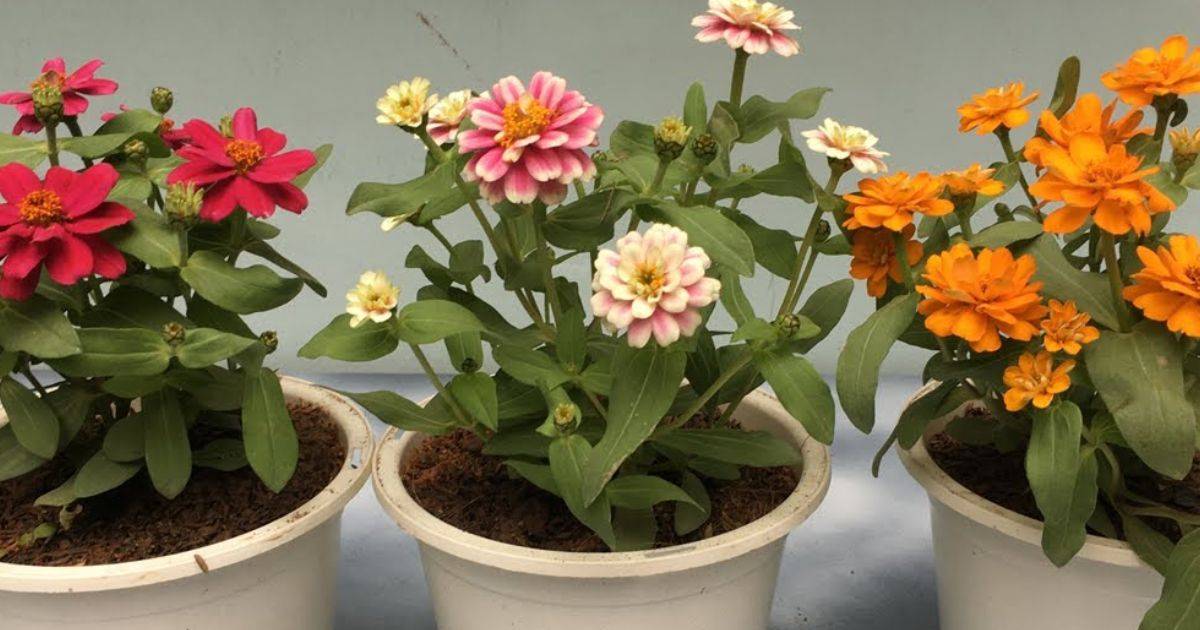
If you love bright, cheerful flowers that bloom all summer long, zinnias are one of the best choices for your garden. These colorful annuals are easy to grow, beginner-friendly, and perfect for small spaces. Many gardeners prefer growing zinnias in pots and containers because they thrive beautifully on patios, balconies, terraces, and even sunny windowsills. But before planting, one crucial question always comes up: what size pot for zinnias is actually best?
Choosing the correct pot size is more important than most people think. The correct container allows strong root development, better drainage, improved airflow, and healthier blooms. Whether you’re planting short zinnias or taller varieties, selecting the proper container ensures your potted zinnias stay stable and produce vibrant flowers all season long.In this complete guide, you’ll learn the ideal pot sizes for different types of zinnias, tips for growing zinnias in containers, and expert advice on how to plant and care for thriving container zinnias at home.
Zinnia Varieties and Their Growth Habits
Before deciding on the size of pot for zinnias, it’s essential to understand the different varieties and how they grow. Not all zinnias reach the same height, and their growth habit directly affects how much root space they need when growing zinnias in containers.The most popular garden variety is Zinnia elegans. This type includes many tall and medium-sized cultivars. It can reach heights of one to four feet. These plants produce large, vibrant blooms and develop strong root systems, so they need deeper, wider pots for healthy growth. If you plan to grow these as zinnias in pots, choose containers that provide enough depth for stability.
Another common type is Zinnia angustifolia, which is more compact and heat-tolerant. These are often considered short zinnias, usually growing 6 to 12 inches tall. Because of their smaller size, How to Grow a Black Pepper Plant from Your Garden they are ideal zinnias for pots, window boxes, and decorative planters.Understanding whether you’re planting tall, medium, or short varieties helps you choose the right container size. Healthy container zinnias depend on matching the pot size to the plant’s mature height and root growth.
What Size Pot for Zinnias?
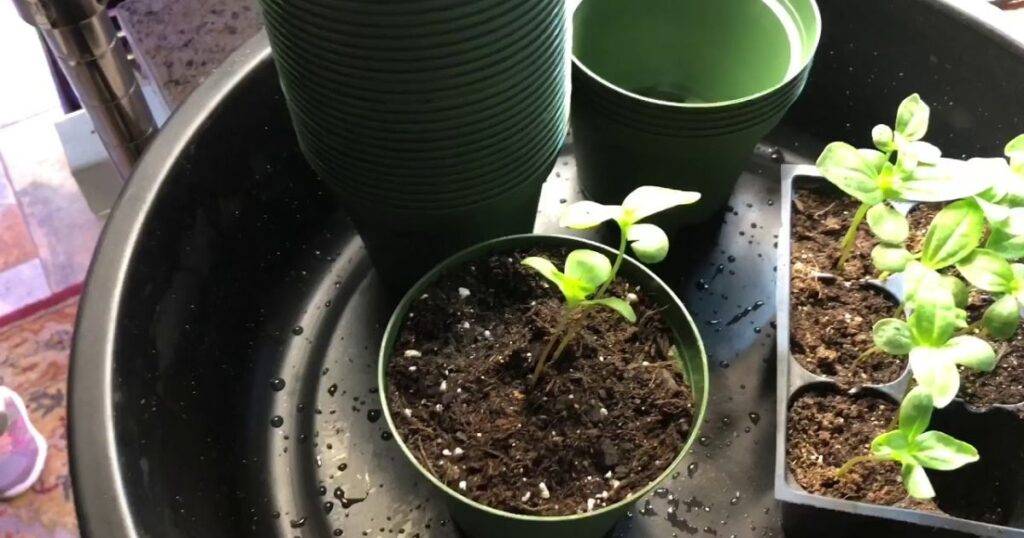
If you’re wondering what size pot for zinnias is best, the answer depends on the variety you’re growing. The right container size ensures strong roots, steady growth, and abundant blooms when growing zinnias in containers.For short zinnias (6–12 inches tall), choose a pot at least 6–8 inches in diameter and 6–8 inches deep. An 8–10-inch pot is even better for fuller growth. These compact varieties are excellent zinnias for pots, small balconies, and decorative zinnias in planter boxes.For medium varieties (1–2 feet tall), use a container that is 10–12 inches wide and at least 10 inches deep. This gives enough space for healthy root expansion and prevents plants from becoming root-bound. Proper spacing is essential when planting multiple zinnias in containers.
For tall varieties (3–4 feet), select a large pot that is 12-14 inches wide and at least 12 inches deep. Bigger containers provide better moisture retention and stability, especially during windy weather. Tall potted zinnias may also benefit from staking.In general, when choosing containers for zinnias in pots, it’s always better to go slightly larger than too small. Larger pots promote stronger, healthier container zinnias with more vibrant blooms throughout the season.
How to Plant Zinnia Seeds in Containers
Learning how to plant zinnia seeds in containers is simple, making them perfect for beginners who love colorful blooms. Whether you’re growing zinnias in pots, balcony planters, or decorative boxes, Fastest Growing Vegetables for Your Garden following the proper steps ensures strong and healthy container zinnias.
Choose the Right Container
First, select the correct pot size based on your variety. Make sure the container has drainage holes. Proper drainage is essential when growing zinnias in containers, as soggy soil can damage roots.
Use Quality Potting Mix
Fill your pot with light, well-draining potting soil. Avoid heavy garden soil, which can compact easily in zinnias in containers.
Sow the Seeds
If you’re wondering how to plant zinnia seeds in pots, How Often to Water Potatoes sow them about ¼ inch deep. Space them 2–3 inches apart if planting multiple seeds in one container.
Water Gently
After planting, water lightly but thoroughly. Keep the soil moist (not soaked) until germination, which usually takes 5–10 days.
Provide Sunlight
Place your zinnias in pots where they receive at least 6 to 8 hours of direct sunlight each day.
Thin the Seedlings
Once seedlings are a few inches tall, thin them to allow proper airflow and space. This step is key to successfully planting zinnia seeds in containers.
With proper care, your potted zinnias will reward you with vibrant blooms all season long.
Best Containers and Planters for Zinnias
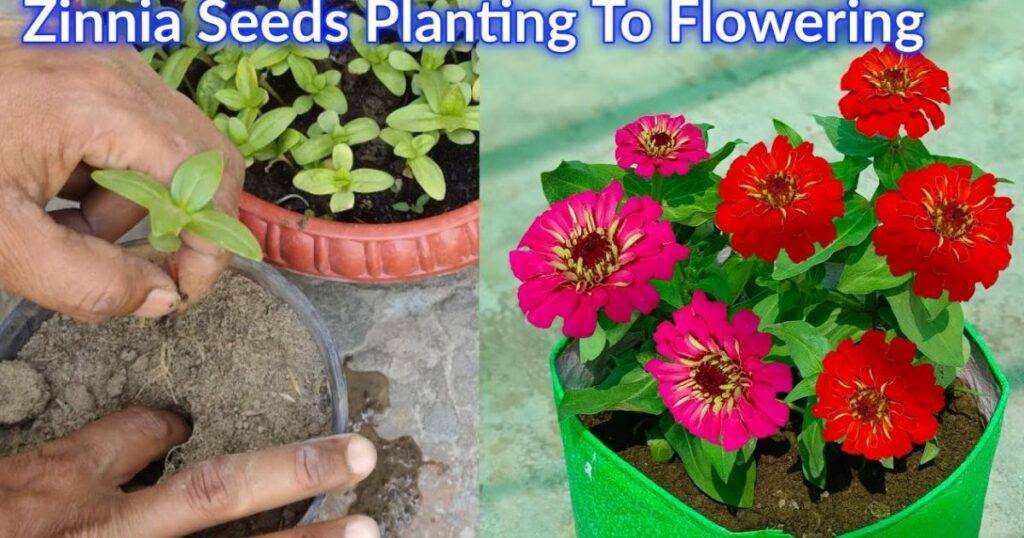
Choosing the correct container is one of the most critical steps when growing zinnias in containers. The ideal pot provides enough space for roots to spread, good drainage, and stability, so whether you’re planting zinnias or something else, your plants remain robust and vibrant throughout the season. in pots on a balcony or placing zinnias in planter boxes around your patio.
Container Types That Work Well
Plastic Pots
Lightweight and affordable, plastic pots are great for potted zinnias, especially if you need to move them around for sunlight. They also retain moisture longer, which helps in hot weather.
Terracotta Pots
Classic terracotta provides excellent airflow to roots. Because it’s porous, though, it dries out faster, so you’ll need to water more often when growing zinnias in containers during warm seasons.
Ceramic Planters
These decorative containers add style and work well for larger zinnias. Make sure they have drainage holes; ceramics that don’t drain well can keep the soil waterlogged.
Fabric Grow Bags
Flexible and breathable, fabric pots help prevent root circling and improve aeration, a bonus when planting short zinnias or multiple zinnias together in containers.
What to Look For
- Drainage holes: Essential for all zinnias in pots
- Depth: At least 8–10 inches for smaller varieties, 12 inches or more for larger plants
- Width: Wider pots allow better root spread and airflow
Decorative Ideas
Container gardens don’t have to be boring! Try mixing colors and pot shapes, like rustic terracotta, modern ceramics, or woven planters, to create cheerful displays of container zinnias throughout your home.
With the right planter, your potted zinnias will thrive and brighten every corner of your space.
Caring for Potted Zinnias After Planting
Once you’ve successfully planted your seeds and chosen the right pot for zinnias, proper care is key to keeping your potted zinnias healthy and blooming all season long. While growing zinnias in containers is simple, they do require more consistent attention than plants grown in the ground.
Sunlight Requirements
Zinnias love full sun. Place your zinnias in pots where they receive at least 6 to 8 hours of direct sunlight each day. Without enough light, plants may grow leggy and produce fewer blooms. If your zinnias in containers are on a balcony, rotate the pots occasionally so all sides receive even sunlight.
Watering Schedule
Compared to garden beds, container plants dry out more quickly. When the top inch of soil seems dry, water your con ainer zinnias. It could be important to water every day in hot weather. Steer clear of overwatering, as it can lead to root issues.
Fertilizing
Feed your zinnias in pots with a balanced liquid fertilizer every 2–3 weeks. This encourages steady growth and vibrant flowers.
Deadheading and Maintenance
Remove faded blooms regularly to promote new flowers. This simple step keeps your zinnias in planter displays looking fresh and encourages continuous blooming.
With consistent sunlight, proper watering, and light feeding, your potted zinnias will reward you with bold, colorful blooms throughout the season.
Common Mistakes When Growing Zinnias in Containers
While growing zinnias in containers is beginner-friendly, Zinnia Perennial: A Colourful Bloom That Keeps Coming Back a few common mistakes can limit bloom and weaken your plants. Avoiding these issues will help your container zinnias stay healthy and vibrant all season long.
Choosing Pots That Are Too Small
One of the biggest mistakes is ignoring the appropriate pot size for zinnias. Small pots restrict root growth, cause plants to dry out quickly, and reduce flowering. Always match the container size to the mature height of your variety.
Overcrowding the Container
Planting too many seeds in one pot is common when learning how to plant zi nia seeds in containers. Overcrowded zinnias in pots compete for nutrients, sunlight, and airflow, resulting in weak stems and increased disease. Thin seedlings early for healthier growth.
Poor Drainage
All zinnias in containers need proper drainage holes. Without them, excess water builds up, increasing the risk of root rot. Never use sealed decorative pots unless you add drainage.
Overwatering or Underwatering
Because potted zinnias dry out faster than garden plants, watering mistakes are common. Before watering, examine the top inch of soil, rather than following a strict schedule.
Not Enough Sunlight
Zi nias thrive in full sun. Placing your zinnias in planter boxes in shaded areas will reduce blooming and cause leggy growth.By avoiding these simple mistakes, your container zinnias will grow stronger, bloom longer, and brighten your outdoor space beautifully.
Conclusion
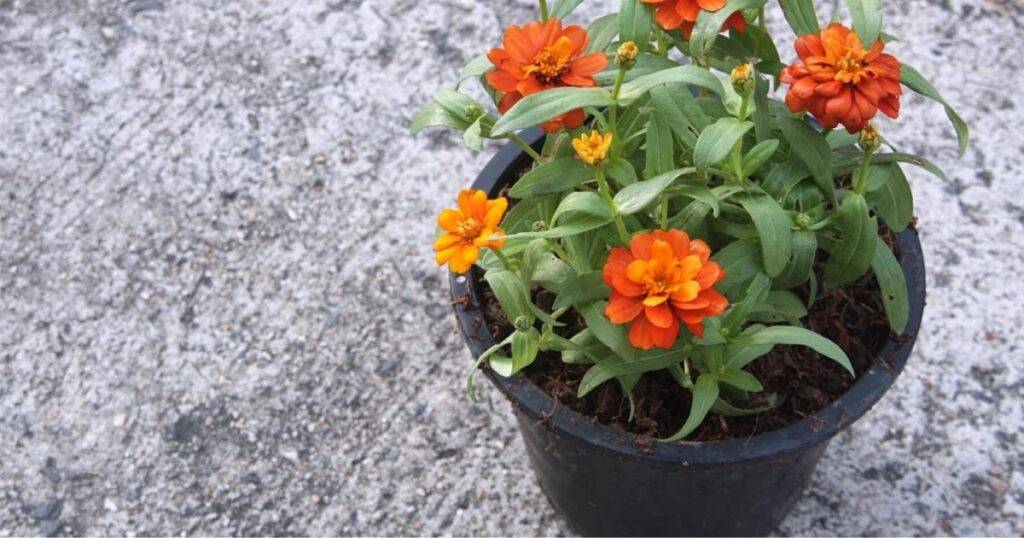
Choosing the correct answer to the question of what size pot for zinnias makes all the difference for healthy plants and vibrant blooms. Whether you’re planting short zinnias for a small balcony or taller varieties for a patio display, matching the pot size to the plant’s mature height ensures strong root development and steady growth. In general, smaller varieties thrive in 8–10-inch containers, while medium and tall varieties perform best in pots 10–14 inches wide and deep.
One of the most significant advantages of growing zinnias in containers is the flexibility they offer. How To Grow Zinnia Flowers: Do Zinnias Like Sun Or Shade? You can easily move your zinnias in pots to follow sunlight, protect them from heavy rain, or redesign your space whenever you like. With proper drainage, quality potting mix, and adequate sunlight, container zinnias reward you with continuous color all season long.If you’re starting out, don’t overthink it. Follow the spacing guidelines, learn how to plant zinnia seeds in containers correctly, and avoid overcrowding your zinnias in planter boxes. With the right pot size and basic care, your potted zinnias will flourish and transform any small space into a cheerful, flower-filled retreat.
FAQ
Can zinnias grow in small pots?
Yes! Short zinnias thrive in small pots or balcony planters. Choose a container at least 6–8 inches wide with proper drainage to keep your potted zinnias healthy.
Do zinnias need deep pots?
Medium- and tall-zinnias require deeper pots (10–12 inches minimum) to support strong root growth. Adequate depth prevents your container zinnias from becoming root-bound.
How many zinnias can I plant in one container?
One plan per small pot is ideal. For larger containers, you can grow 2–3 zinnias together, but avoid overcrowding to ensure proper airflow and blooming.
What is the best pot size for tall zinnias?
Tall zinnias need at least 12–14 inches in diameter and depth. A larger pot provides stability and room for roots to grow, supporting healthy potted zinnias.
Can I grow zinnias in hanging baskets or planters?
Yes! Dwarf varieties work best in hanging baskets or shallow innias in planter boxes. Ensure enough sunlight, proper drainage, and regular watering for thriving blooms.