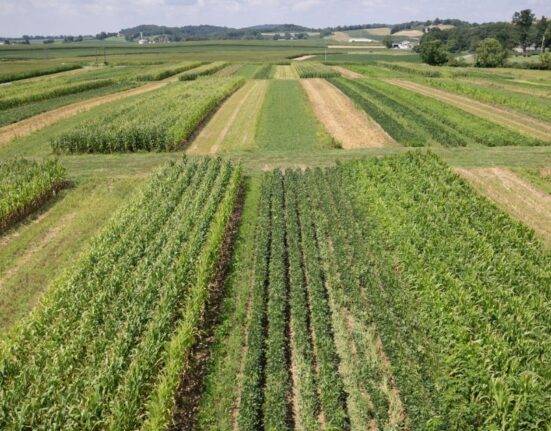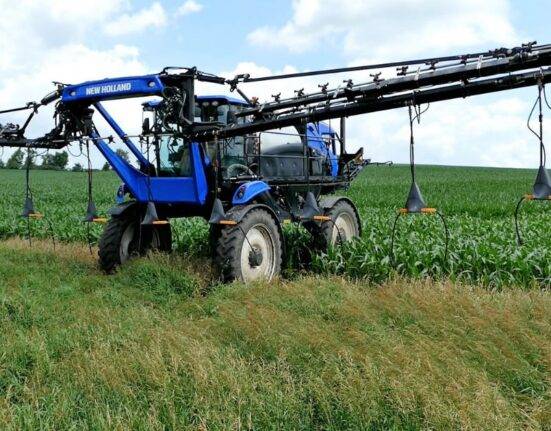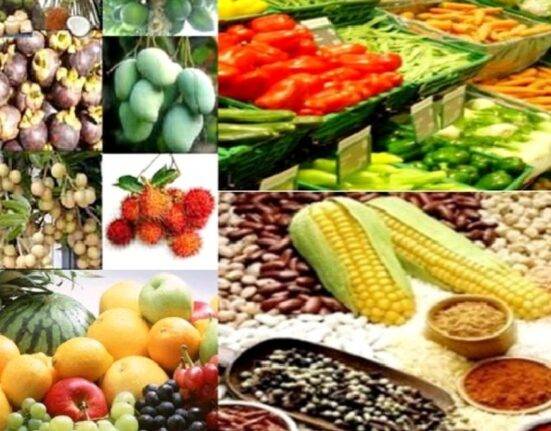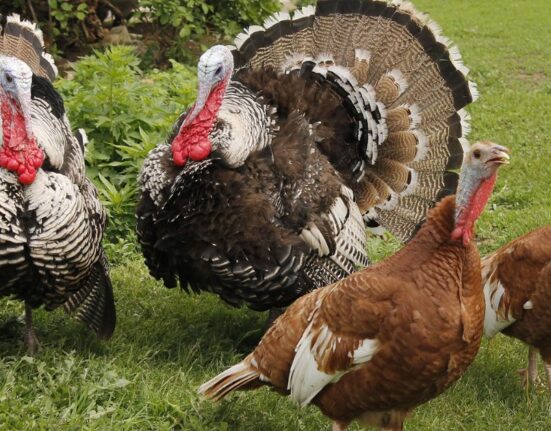


Traditional farming has been the foundation of agriculture for thousands of years, shaping how communities grow food, manage land, and sustain livelihoods. Long before the rise of industrial systems, farmers relied on nature-based knowledge and experience to cultivate each crop according to local climate, soil, and seasonal patterns. These time-tested traditional farming methods were developed through generations of observation, making them deeply rooted in the environment and the cultural heritage of farming communities.At its core, traditional farming emphasizes balance between humans, land, water, and biodiversity. Unlike input-heavy modern systems, conventional agricultural activities rely on organic matter, crop rotation, mixed cropping, and natural pest control. These farming practices aim to preserve soil fertility, protect ecosystems, and ensure long-term productivity, rather than focusing on short-term gains.
In recent years, growing concerns about climate change, soil degradation, and food security have renewed interest in traditional systems as a more sustainable alternative. Many experts now recognize that combining indigenous knowledge with modern farming techniques can help create resilient agricultural models. Understanding traditional farming is therefore essential not only for appreciating the past, but also for building a more sustainable future for global agriculture.
Why Traditional Farming Still Matters Today
Traditional farming refers to age-old agricultural practices that have evolved through generations, rooted in local knowledge, ecological cycles, and cultural heritage. Unlike industrial or modern agriculture, traditional systems generally rely on natural inputs, such as organic compost, animal manure, crop rotation, and biodiversity, and minimal mechanization. These methods aim to sustain long-term land productivity while preserving ecological and cultural balance.
Today, traditional farming continues to provide food security, Living The Land ecosystem services, and cultural continuity, especially in rural and indigenous communities worldwide. Agriculture remains central to human life, with nearly half of the world’s habitable land dedicated to farming and livestock grazing.
What Is Traditional Farming?

Traditional farming is a sustainability-focused farming system that relies on nature-based knowledge, local resources, and time-tested techniques passed down through generations. This form of agriculture prioritizes balance between land, people, and ecosystems rather than maximum short-term yield. In traditional farming, the management of nutrients, water, crops, and livestock is closely linked to natural cycles.Unlike industrial agriculture, traditional agricultural practices rely on organic inputs such as crop waste, animal dung, and compost, rather than chemical fertilizers. These inputs help maintain long-term soil health, improve soil structure, and support beneficial microorganisms. Farmers often employ traditional methods, such as crop rotation, mixed cropping, and fallowing, to naturally replenish soil nutrients and reduce pest pressure.
Pest control in traditional farming is typically achieved through the use of natural predators, botanical solutions, and biodiversity, rather than synthetic pesticides. Similarly, irrigation systems are often simple and locally adapted, using rainfall harvesting, canals, or river-based water management to conserve resources. traditional farming supports stable food production while protecting the environment. By maintaining healthy soils, conserving nutrients, and using sustainable farming practices, this system continues to play a vital role in global agriculture and long-term food security.
The Core Features of Traditional Farming
Traditional farming is an agricultural system shaped by generations of experience and close interaction with the natural world. One of its key features is the careful management of each harvest, where farmers plan planting and harvesting cycles based on seasonal conditions, soil types, and local climate patterns, rather than relying heavily on external inputs. This approach helps maintain long-term productivity while reducing financial and environmental risks.A fundamental practice in traditional farming is crop rotation, which helps restore soil nutrients, break pest and disease cycles, and improve overall land fertility. By rotating different crops, farmers reduce dependence on chemical pesticide applications and promote natural pest control through ecological balance. This method significantly lowers the negative environmental impact often associated with intensive farming.
Traditional farming also places a strong emphasis on conserving natural resources, including soil, water, and biodiversity. Farming techniques are designed to work in harmony with nature, rather than exploit it, ensuring stable yields and supporting long-term food security for rural communities. At the same time, these practices reflect deep cultural heritage, preserving indigenous knowledge, rituals, and farming traditions that have been passed down through generations.Together, these core features make traditional farming a resilient, environmentally responsible, and culturally significant agricultural system.
Benefits of Traditional Farming
Traditional farming offers numerous benefits that continue to support rural livelihoods, environmental balance, and resilient food systems. Unlike industrial agriculture, which often depends on heavy machinery and chemical inputs, traditional farming systems rely on conventional knowledge developed through generations of hands-on experience. This deep understanding of land, climate, and crops allows traditional farmers to adapt farming methods to local conditions with minimal ecological disruption.One significant advantage of traditional farming practices is their contribution to sustainable agriculture. By emphasizing soil conservation, Can You Grow Crops without Soil crop diversity, and natural pest management, traditional practices help protect ecosystems and reduce long-term environmental damage. These methods also align closely with organic farming, as they avoid synthetic fertilizers and pesticides, promoting healthier food and improved soil fertility.

In today’s evolving food system, there is a growing recognition that combining traditional agriculture with selective modern farming techniques can enhance productivity without compromising sustainability. While innovations like vertical farming offer solutions for urban areas, they cannot fully replace the ecological and cultural value of rural traditional practices.Supporting traditional farming helps preserve cultural identities and strengthens local economies. More importantly, understanding traditional farming enables policymakers, researchers, and consumers to appreciate its role in ensuring food security and environmental resilience. When properly supported, traditional practices can complement modern agriculture and contribute to a balanced, sustainable global food system.
Drawbacks & Limitations of Traditional Farming
While the significance of traditional farming is widely recognized for its sustainability and cultural value, it also faces several limitations in today’s rapidly changing agricultural landscape. Many conventional farming techniques, which have been passed down through generations, depend heavily on stable environmental conditions such as predictable rainfall and seasonal cycles. As climate change increases weather uncertainty, these systems often struggle to adapt quickly.Another challenge lies in productivity. Unlike modern agriculture, traditional systems typically avoid synthetic fertilizers and pesticides, which can limit yields and make crops more vulnerable during severe pest or disease outbreaks. Although these natural approaches offer significant advantages over traditional farming, How Can Farmers Cut Waste in Sustainable Agriculture such as improved soil health and biodiversity, they may not always be sufficient to meet growing global food demands on their own.
Traditional farms also lack access to advanced modern techniques and approaches, such as mechanization, data-driven decision-making, and precision agriculture, which optimize input use and increase efficiency. Additionally, valuable traditional farming knowledge is becoming increasingly at risk as younger generations move away from agriculture.Despite these challenges, the value of traditional farming remains high. Addressing these limitations through the thoughtful integration of modern tools can shape a more resilient future for conventional agriculture, where tradition and innovation work together rather than compete.
Traditional Farming in a Global Context
Traditional farming is deeply rooted in human history and remains a vital form of agriculture practiced in various regions of Europe, Asia, Africa, and Latin America. What distinguishes traditional farming from industrial models is its reliance on local ecosystems, cultural values, and long-standing experience rather than dependence on external inputs such as heavy machinery or synthetic fertilizers and pesticides. This approach allows farming systems to function in harmony with nature while preserving biodiversity. Hybrid Farming Across the world, many traditional communities continue to cultivate conventional crops that are well-adapted to local soil and climate conditions. These crops often require fewer chemical inputs and align closely with organic methods, making them environmentally resilient. Traditional agricultural practices such as mixed cropping, natural pest management, and rain-fed farming reflect generations of conventional wisdom passed down through families and communities.

In today’s evolving food systems, there is increasing interest in combining traditional knowledge with modern technology. Efforts to integrate traditional knowledge and scientific innovation are helping farmers improve productivity while maintaining ecological balance. What is Agriculture Crop Science This integration of traditional knowledge with modern tools highlights the enduring benefits of conventional farming and shows how different approaches to agriculture can coexist.Globally, traditional farming continues to demonstrate that sustainable food production is possible when innovation respects heritage and local knowledge.
Conclusion
Traditional farming often stands at the crossroads of heritage and innovation in today’s agricultural world. While it is rooted in centuries of experience and ecological balance, it now faces growing modern challenges, including climate change, population growth, and market pressures. These challenges have pushed many farming communities to reconsider how food is produced and how land is managed.At the same time, modern agricultural systems offer technologies and tools that can help overcome some of these restrictions. However, relying solely on industrial solutions risks overlooking the environmental and cultural value embedded in traditional practices. Traditional farming often provides sustainable solutions through soil conservation, biodiversity protection, and locally adapted knowledge that modern systems sometimes lack.
Looking ahead, the most resilient path forward lies in integrating traditional wisdom with carefully selected modern innovations. By respecting traditional farming systems while adapting them to meet contemporary challenges, agriculture can move toward a future that is productive, sustainable, and socially inclusive. Preserving traditional farming is not about rejecting progress; it is about shaping a balanced agricultural model that benefits both people and the planet.
FAQ
What is traditional farming?
Traditional farming is an agricultural system rooted in ancient customs that have been passed down through the years. It relies on natural resources, local knowledge, and environmentally balanced methods to produce food sustainably.
How is traditional farming different from modern agriculture?
Traditional farming utilizes natural inputs and manual techniques, whereas modern agriculture relies on machinery, synthetic fertilizers, and pesticides. Traditional systems focus on long-term soil health, whereas modern systems prioritize higher short-term yields.
Is traditional farming sustainable?
Yes, traditional farming is considered sustainable because it promotes soil conservation, biodiversity, and the efficient use of natural resources, thereby helping to protect the environment over time.
What are traditional farming’s primary advantages?
The main benefits include improved soil health, lower environmental impact, preservation of cultural heritage, reduced dependence on chemical inputs, and support for local food systems.
Does traditional farming still have a future?
Yes, traditional farming has a strong future when combined with modern technology. Integrating traditional knowledge with modern tools can help farmers overcome challenges while maintaining sustainability.