

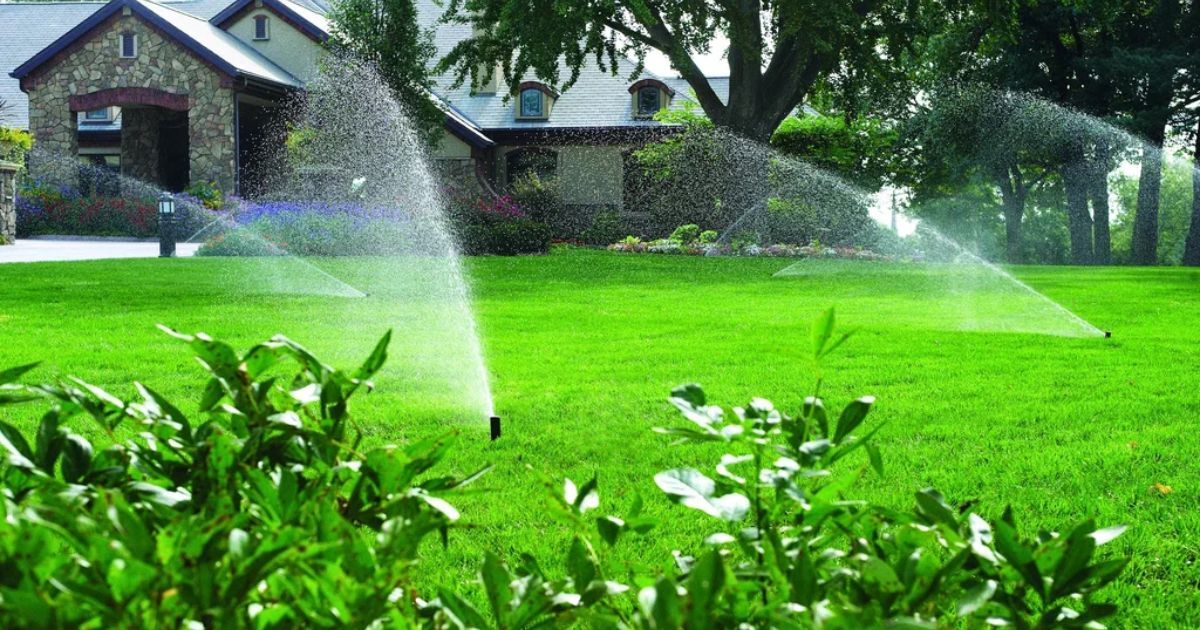
Water is one of the most critical resources for agriculture, landscaping, and residential use. As global water scarcity and drought worsen, choosing appropriate irrigation methods has become essential for sustainable water use. Among the many options available today, spray irrigation stands out as a widely used and adaptable solution for both agricultural and residential settings.
This comprehensive guide explains what spray irrigation is, how a spray irrigation system works, its advantages and disadvantages, and how it compares with other systems such as drip irrigation and surface irrigation. We will also explore its role in treated wastewater reuse, public health, and environmentally responsible water management.
What Is Spray Irrigation?
Spray irrigation is an irrigation method that uses pressurized water to spray or disperse water through the air over a specific area, mimicking natural rainfall. Water is delivered through pipes, controlled by valves, and distributed via spray heads or irrigation sprinklers.
A typical sprinkler irrigation setup includes:
- A pump to move irrigation water
- Pipes to transport WaterWater
- Spray heads or sprinkler nozzles
- Control valves to regulate the amount of water
Spray irrigation systems are commonly used to water your lawn, Drip Irrigation vs. Flood Irrigation irrigate crops, support nurseries, and manage spray fields for treated wastewater disposal.
How a Spray Irrigation System Works

A spray irrigation system works by applying pressure to irrigation water, which is then sprayed through sprinkler heads in controlled patterns. The goal is to distribute water evenly across the soil surface so plants receive the right amount of moisture.
Water can come from:
- Municipal sources
- Wells
- Streams
- Treated and disinfected wastewater
In some advanced systems, reclaimed water is sprayed, with treated wastewater from wastewater treatment plants safely reused for irrigation after proper treatment and disinfection.
Types of Spray Irrigation Systems
Spray irrigation systems are widely used in agriculture, landscaping, and residential areas because they evenly distribute water over a large area. There are several types of spray irrigation systems, each designed for specific needs and conditions.Fixed or In-Ground Spray Irrigation Systems are permanently installed systems commonly used for residential lawns, parks, and commercial landscapes. The pipes, valves, and spray heads are buried underground, providing a clean appearance and reliable performance. These systems are ideal for homeowners who want consistent and automated lawn watering.Portable Spray Irrigation Systems are easy to move and set up. They are often connected to a hose and can be repositioned manually. This type is suitable for small farms, nurseries, and temporary irrigation needs, although it can be time-consuming for large areas.
Low-pressure spray Irrigation Systems operate at reduced water pressure to minimize evaporation and water loss. They are instrumental in drought-prone regions where water conservation is essential.Center Pivot and Lateral Move Systems are mainly used for large-scale agricultural purposes. These systems rotate or move across fields, spraying water evenly over crops and ensuring efficient water use.Each type of spray irrigation system offers unique advantages, allowing users to choose the most suitable option based on land size, water availability, and irrigation requirements.
Spray Irrigation vs Drip Irrigation System
Choosing the proper irrigation method is essential for efficient water use and healthy plant growth. Spray and drip irrigation systems are among the most commonly used irrigation methods, but they work in very different ways.Spray irrigation distributes water through the air using sprinkler heads, similar to natural rainfall. It is well-suited for watering large areas such as lawns, parks, and agricultural fields. Spray irrigation systems are easy to install and can quickly cover a wide area. However, they may lose some water due to evaporation, wind drift, and runoff, especially in hot or windy conditions. Spray irrigation also provides less precise control over how much water each plant receives.
On the other hand, The Complete Beginner’s Guide to Drip Irrigation a drip irrigation system delivers water directly to the plant’s roots, gradually through lines or emitters. This method uses less water, reduces evaporation, and minimizes weed growth. Drip irrigation offers precise control over water application, making it ideal for gardens, nurseries, and water-scarce areas. However, drip-installing systems can be more costly and require frequent maintenance to avoid clogging.In summary, spray irrigation is best for large areas and lawns, while drip irrigation is more efficient and suitable for targeted, water-saving irrigation.
Public Health and Environmental Considerations

Public health and environmental protection are critical factors when using spray irrigation systems, especially when reclaimed or treated wastewater is involved. Proper system design, operation, and management are essential to ensure safety and sustainability.From a public health perspective, irrigation water must be adequately treated and disinfected to eliminate harmful organisms. Spray irrigation can create fine droplets that may become airborne, so treatment levels must meet regulatory standards to prevent health risks to nearby communities. Safe buffer distances, controlled application times, and regular monitoring help reduce human exposure Irrigation pipeline Types and Uses in Your Irrigation System and protect public health.
Environmental considerations are equally important. Poorly managed spray irrigation can lead to runoff, soil erosion, and contamination of nearby streams or water bodies. Overwatering may also cause nutrient leaching, negatively affecting soil quality and surrounding ecosystems. Using low-pressure systems and applying the right amount of water helps minimize evaporation and water waste.When correctly managed, spray irrigation can support sustainable water use by safely reusing treated wastewater, conserving freshwater resources, and reducing environmental impact while protecting both.
Advantages of Spray Irrigation
Spray irrigation offers several benefits, making it a popular choice for agricultural, residential, and commercial water management. One of the main advantages is its ability to cover large areas efficiently. By simulating natural rainfall, spray irrigation ensures even water distribution across lawns, crops, and landscapes.Another key advantage is ease of installation and operation. Spray irrigation systems can be installed as permanent in-ground systems or used in portable forms, making them flexible for different needs. Homeowners and farmers can control the amount of water applied by adjusting valves, timers, and spray heads, How To Adjust A Rainbird Sprinkler Head thereby meeting specific plant water requirements.
Spray irrigation systems are also suitable for a wide range of soil types and crops. They can be used for agricultural fields, nurseries, gardens, and residential lawns. In addition, spray irrigation supports the reuse of treated and disinfected wastewater, promoting sustainable water use and reducing pressure on freshwater resources.Overall, spray irrigation is a practical and adaptable irrigation method that delivers reliable performance, wide coverage, and convenience when properly managed.
Disadvantages of Spray Irrigation
While spray irrigation is widely used, it has several disadvantages that must be considered to ensure efficient and safe water use.One major drawback is water loss due to evaporation and wind drift. Since WaterWater is sprayed into the air, hot, dry, or windy conditions can cause a significant portion of it to evaporate before it reaches the soil or plants. This reduces irrigation efficiency and increases water usage.Another disadvantage is the risk of runoff. Overwatering or uneven distribution can cause water to flow away from the intended area, potentially leading to soil erosion, nutrient loss, Flood Irrigation Pros and Cons and water contamination in nearby streams or surface water.
Spray irrigation systems also provide less precise control over how much water each plant receives compared to drip irrigation. This can result in overwatering certain areas, promoting weed growth, or under-watering sensitive plants.Maintenance and repair are additional challenges. Sprinkler heads, valves, and pipes can get clogged, damaged, or misaligned, especially in low-quality systems, requiring regular inspection and repair. Cold weather can also freeze and damage in-ground systems.Finally, when using treated wastewater or effluent, improper management can pose public health and environmental risks, including exposure to harmful organisms and chemical residues.In summary, spray irrigation is adequate but can be inefficient, time-consuming, and environmentally sensitive if not correctly managed.

Final Thoughts
Spray irrigation remains one of the most versatile and widely used irrigation methods worldwide. From residential lawns to large-scale agriculture and municipal wastewater reuse, this system continues to play a vital role in modern water management.While it may not offer the same precision as a drip irrigation system, spray irrigation excels in coverage, adaptability, and ease of use. With proper design, installation, and maintenance, it can deliver the right amount of water, protect public health, 5 Common Mistakes In Sprinkler System Design and support a more sustainable future.
By understanding how spray irrigation works and how it compares to other systems, homeowners, farmers, and municipalities can make informed decisions that balance efficiency, cost, and environmental responsibility.
FAQ
What is spray irrigation?
Spray irrigation is a method of watering in which water is sprayed onto plants, lawns, or fields through sprinkler heads. It works like natural rainfall, helping distribute water evenly.
How is spray irrigation different from drip irrigation?
Spray irrigation covers large areas quickly, while drip irrigation delivers water gently and directly to plant roots. Drip systems use less water and offer more precise control.
Can spray irrigation be used for agriculture?
Yes, spray irrigation is widely used in agriculture to irrigate crops, nurseries, and large fields. It helps meet crop water requirements efficiently.
Does spray irrigation waste water?
Spray irrigation can lose water to evaporation and runoff if not correctly managed. However, using low-pressure sprinklers and proper scheduling can significantly reduce water loss.
Is spray irrigation suitable for home lawns?
Yes, spray irrigation is very suitable for residential lawns. When installed and maintained correctly, it keeps lawns green and healthy without overwatering.