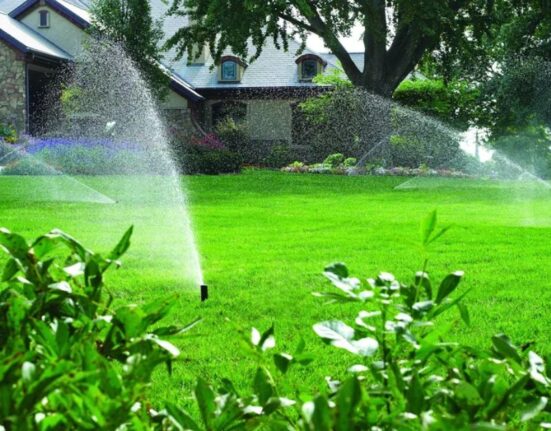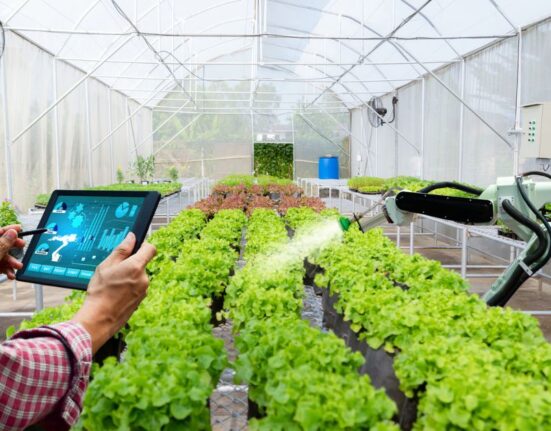

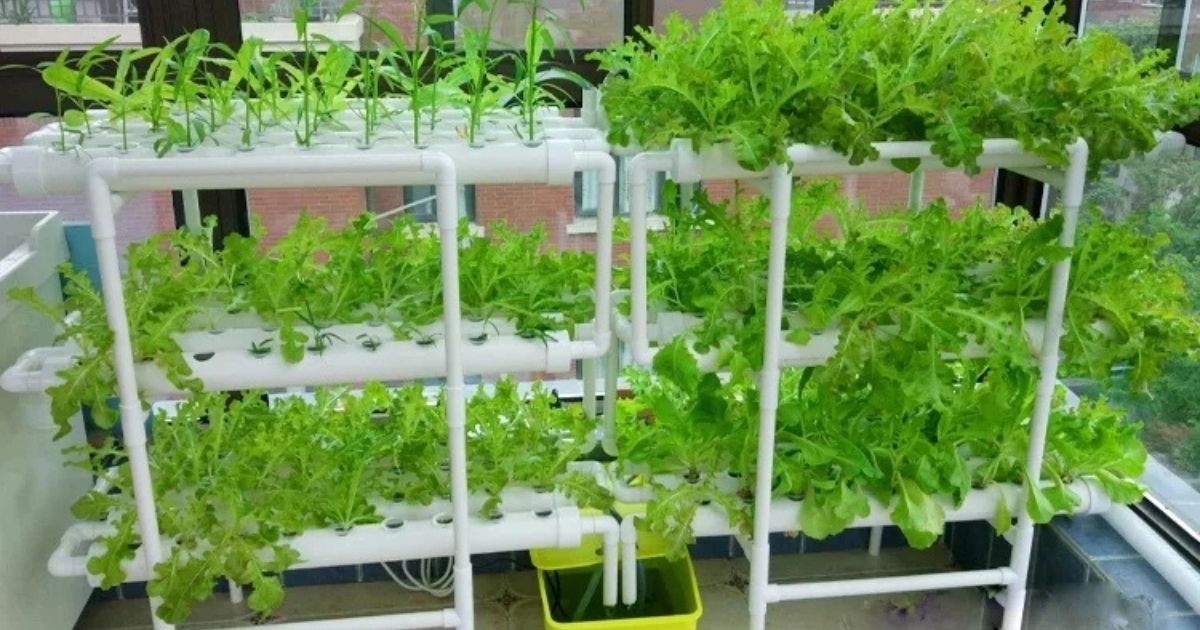
Micro farming is an innovative approach to agriculture that focuses on cultivating small plots of land efficiently to maximize yield and sustainability. Unlike traditional large-scale farming, micro farming emphasizes the intensive use of limited space, often incorporating techniques such as vertical gardening, hydroponics, and container farming. This method is ideal for urban areas, backyard gardens, or anyone looking to grow fresh produce with minimal resources.
In this complete, snippet-optimized guide, we’ll explore what micro farming is, its benefits and challenges, practical methods, and expert tips to help you start your grower own small-scale farm. Whether for profit, food security, or a hobby, micro farming is revolutionizing modern agriculture.
What is Micro Farming?
Micro farming (also called micro-farming or microfarming) is a small-scale agriculture practice that maximizes productivity, sustainability, and efficiency on limited land—typically 5 acres or less, often much smaller, such as backyards, pest control urban plots, rooftops, balconies, or indoor spaces. It emphasizes intensive, eco-friendly methods for growing high-value crops, often by hand or with micro farmers minimal equipment, rather than relying on large farm machinery.
Unlike getting started traditional large-scale farming, micro farming prioritizes local production, sustainability, crop, and high yields per square foot. It is also known as cultivate urban farming or small-scale intensive farming.
What is the Goal of Micro Farming?
The goal of micro farming is to produce high-quality food on a tiny area of land while maximizing efficiency, sustainability, and profitability. Instead of relying on large acreage, micro farming focuses on intensive growing methods such as vertical gardening, raised beds, hydroponics, and succession planting to increase yield per square foot. A key objective is to supply fresh, local, and often organic produce to nearby communities, reducing transportation costs and environmental impact.
It also aims to make agriculture more accessible by lowering startup costs and enabling individuals, families, and urban growers to start small-scale farms. Ultimately, the goal is to create resilient food systems, support local economies, conserve resources, and demonstrate that productive farming is possible even in limited farmer spaces.
Micro Farming Definition (Expanded)
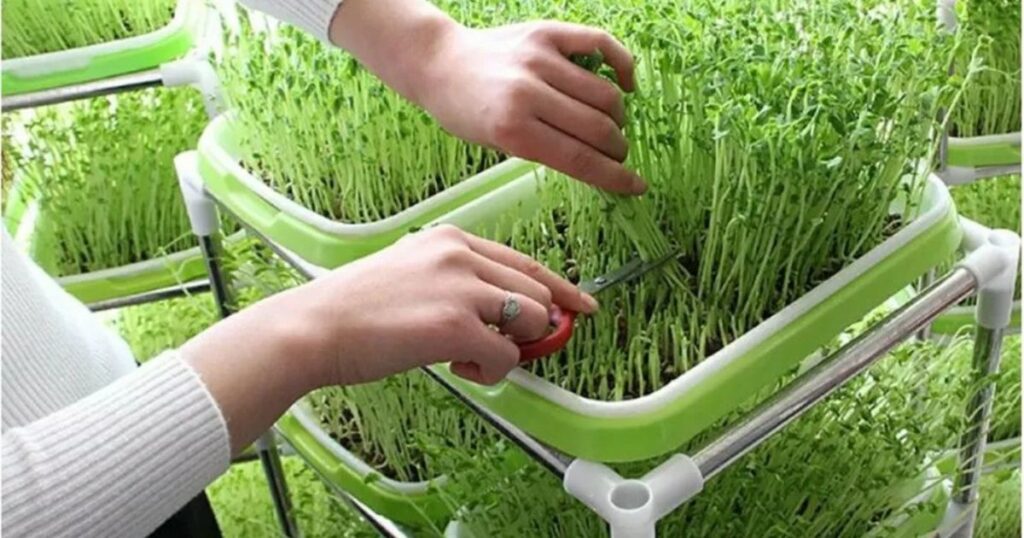 Micro farming is a small-scale, intensive approach to agriculture that focuses on maximizing productivity from limited land, often in urban, suburban, or backyard settings. Unlike traditional farming, micro farms utilize microfarming compact plots—sometimes less than an acre—to grow vegetables, fruits, herbs, and occasionally small livestock. This method emphasizes efficiency, sustainable practices, and innovative techniques such as vertical farming, container gardening, hydroponics, and raised beds.
Microfarming allows individuals and communities to produce fresh, high-quality food locally, reduce their carbon footprint, and improve food security. It is ideal for vertical farming hobbyists, entrepreneurs, and urban dwellers seeking sustainable, soil-profitable, or self-sufficient cultivation.
Key Characteristics of Micro Farming
- Land size: Usually under 5 acres; many successful operations use ¼ acre or less (some as small as 5,000 sq ft).
- Focus: High-value, niche crops (e.g., specialty vegetables, herbs, microgreens, heirloom varieties) rather than commodity crops like corn or soybeans.
- Methods: Intensive planting, crop rotation, companion planting, vertical gardening, raised beds, composting, and often organic or regenerative practices.
- Location: Common in urban/suburban areas, indoors (e.g., basements, shipping containers), or small rural plots.
- Goal: Fresh, local food production; supplemental income; self-sufficiency; or community microgreens support.
Micro Farming vs Traditional Farming
Micro farming and traditional farming differ it also mainly in scale, methods, and goals. It emphasizes intensive cultivation, organic practices, efficient water use, and the cultivation of high-value crops, such as herbs, leafy greens, and vegetables. The goal is to maximize productivity in a limited space while reducing environmental impact and startup agriculture costs.
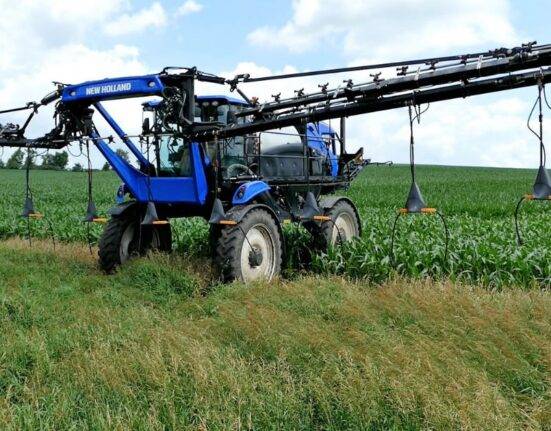
Traditional farming, on the other hand, operates on large areas of land and relies heavily on machinery, synthetic fertilizers, and commercial-scale production. It is designed to produce high volumes of staple crops or livestock for mass market garden markets. While traditional farming supports large populations, micro-farming promotes local food security, sustainability, and community-based water agriculture.
Common Micro Farming Techniques
It acre what is micro farming relies on space-efficient production systems, food production such as:
Raised Bed Intensive Growing
- Deep fertile soil
- Close spacing
- Minimal walking paths
Container and Vertical Farming
- Grow bags, pots, towers.
- Wall-mounted gardens
- Hanging systems
Succession Planting
- New crops are planted immediately after harvest.
- Continuous weekly production
Intercropping
- Multiple crops in the same bed
- Better space use and weed control
Season Extension
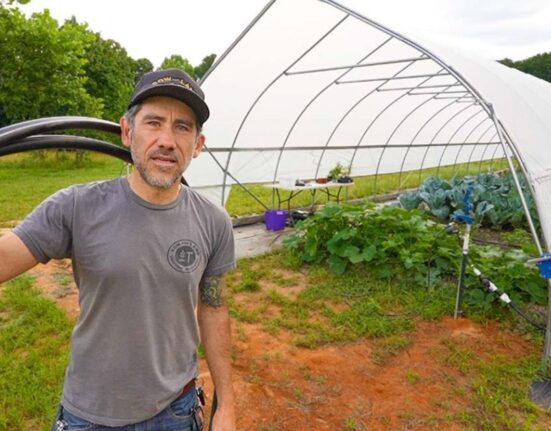
- Greenhouses
- Low tunnels
- Shade cloth
- Indoor grow lights
What Do Micro Farmers Grow?
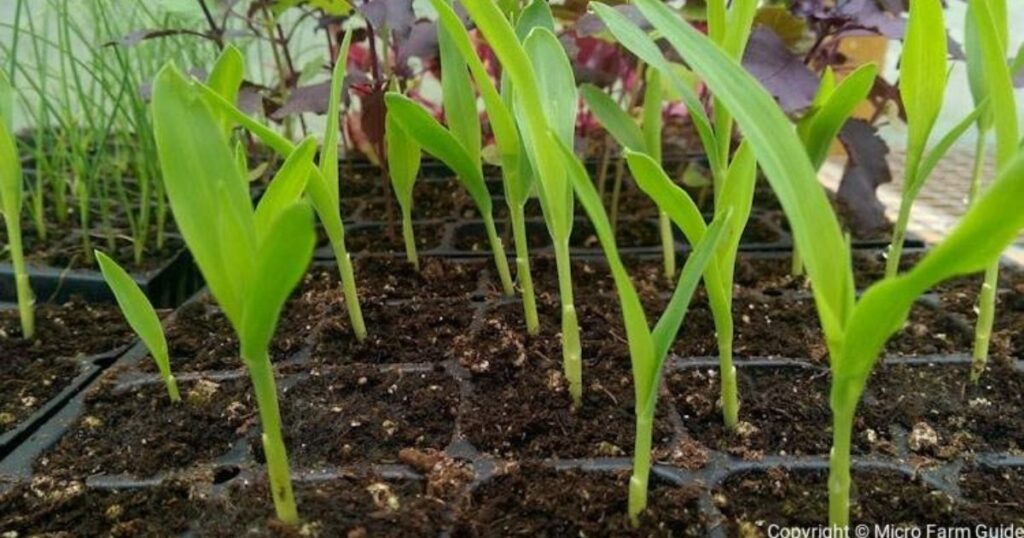 Micro farmers grow a raised beds diverse range of high-value, fast-growing crops designed to produce maximum yield in small spaces. Common choices include leafy greens like lettuce, spinach, kale, and arugula, as well as herbs such as basil, mint, cilantro, and parsley. Many also cultivate microgreens, cherry tomatoes, peppers, cucumbers, and strawberries. In urban or indoor settings, micro-farmers often cultivate specialty crops, including edible flowers, compost, medicinal herbs, and gourmet mushrooms.
Some integrate fruit trees in containers or vertical systems. By focusing on crops with quick harvest cycles, strong market demand, and high nutritional value, micro-farmers can supply fresh, local produce year-round while locally using their limited land efficiently.
Popular micro farming crops:
- Leafy greens (lettuce, spinach, arugula)
- Microgreens
- Culinary herbs
- Radishes
- Green onions
- Cherry tomatoes
- Strawberries
- Mushrooms
- Edible flowers
Best Crops for Micro Farming (Table)
It focuses on maximizing yield in small spaces, making crop selection crucial. This table highlights the best crops suited for compact, intensive cultivation, balancing growth speed, space efficiency, and profitability. Leafy greens, such as spinach, kale, and lettuce, thrive in small plots with quick harvest cycles. Herbs such as basil, cilantro, and mint offer high-value returns with minimal space.
Compact vegetables, such as cherry tomatoes, agricultural radishes, and peppers, are ideal for vertical or container setups. The table also includes microgreens and sprouts, which grow rapidly and require minimal space to cultivate. Use this guide to plan a productive, space-smart pest micro farm.
Types of Micro Farming Systems
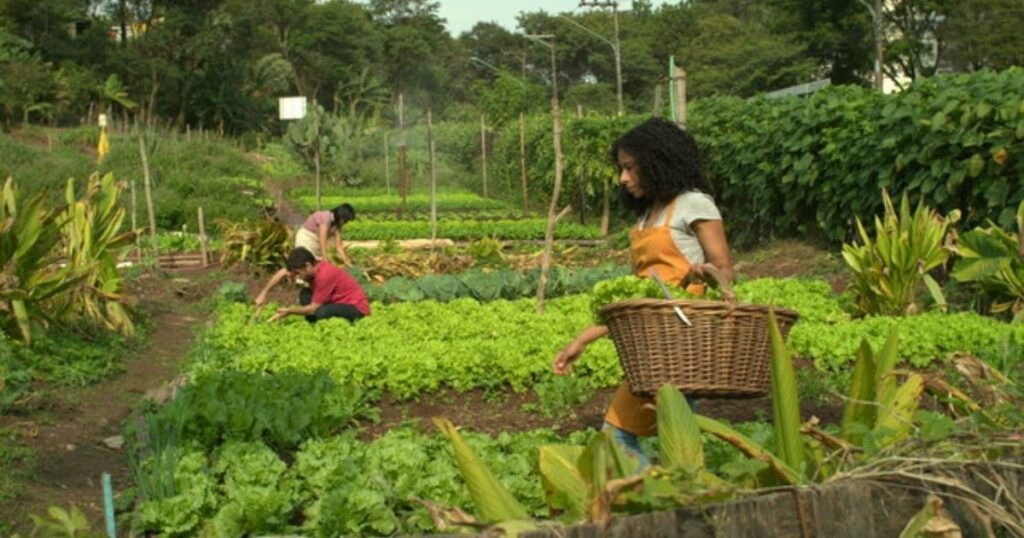 Micro farming systems are small-scale, intensive food production methods designed to maximize yield in limited spaces. Common types include urban microfarms, which utilize rooftops, balconies, and vacant lots; vertical farming systems, where crops grow in stacked layers with controlled lighting; and hydroponic and aquaponic systems, which cultivate plants in nutrient-rich water with minimal or no soil. Container and backyard micro farms focus on raised beds, grow bags, and compact supply chains greenhouses.
There are also permaculture-based micro farms that integrate crops, grow crops composting, and natural pest control. Together, these systems support nutrient-sustainable, efficient, and year-round food production.
Backyard Micro Farming
- Raised beds or containers
- Personal food and small sales
Urban Micro Farming
- Rooftops, vacant lots, balconies
- Supplying local communities and restaurants
Indoor Micro Farming
- Microgreens, mushrooms, and hydroponics
- Climate-controlled lettuce production
Rural Micro Farming
- Quarter-acre intensive vegetable farms
- High-density specialty crop production
How Micro Farming Works (Step-by-Step)
Micro farming is a small-scale, intensive method of growing food in limited spaces, maximizing yield and efficiency. It begins with planning, where growers choose high-value crops and design compact beds or containers. Next is soil preparation, small-scale enriching the soil with compost and natural amendments. The third step is planting, using close spacing or succession planting to produce more in less space. Then comes smart watering and feeding, often through drip irrigation and organic fertilizers.
Pest and disease management follows, relying on natural controls instead of chemicals. Finally, harvesting and replanting ensure continuous local communities production, making microfarming productive, sustainable, and profitable even on small what is it tractor plots.
How to Start Micro Farming (Numbered Steps)
- Assess your space — Measure available land (yard, rooftop, indoor area) and check sunlight, water access, and zoning rules.
- Choose your focus — Decide on crops (e.g., high-value options like microgreens, herbs, or salad greens) based on local demand and your goals (whether for personal use or profit).
- Plan sustainably — use raised beds, vertical systems, or containers; incorporate composting, vertical gardening, and rainwater collection.
- Prepare the soil/growing medium — test and amend the soil or use organic mixes for indoor environmental sustainability setups.
- Plant intensively — apply techniques such as succession planting, intercropping, and crop rotation to achieve maximum yield.
- Maintain efficiently — Use hand tools, natural pest control, and monitor closely (small scale = easy management).
- Harvest & market — Sell direct via farmers’ markets, CSAs, restaurants, or online; prioritize machinery freshness.
- Scale smart — Start small, track profits, and expand based on what works.
Benefits of Micro Farming
- Low startup costs — No need for large land suburban areas purchases or heavy machinery.
- High profitability potential — Focus on premium, direct-to-consumer sales (e.g., farmers’ markets, restaurants); some operations earn significant income from tiny plots.
- Sustainability — Reduced water/chemical use, lower carbon footprint (local = less transport), promotes biodiversity and soil health.
- Accessibility — Anyone can start (backyard, balcony, indoors); ideal for urban dwellers.
- Health & community — Fresher, organic food; mental/physical benefits from gardening; supports local food security.
- Flexibility — Year-round production (especially indoors); quick adaptation to market demands.
- Environmental impact — Requires less land, helping combat food deserts and climate change, and challenges to sustainable farming practices.
Micro Farming Pros and Cons
Micro farming is a small-scale, intensive ecosystem approach to agriculture, ideal for urban spaces, backyards, and community plots. Pros include efficient use of limited land, lower startup costs, reduced environmental impact, year-round fresh produce, and opportunities for local food production. It promotes sustainable practices, soil health awareness, and innovative growing techniques, such as vertical farming and hydroponics.
Cons include limited crop benefits of It volume, potential income instability, higher labor requirements per yield, and vulnerability to pests or diseases. Micro farmers may face challenges with irrigation, nutrient management, and market access. Overall, micro farming is niche rewarding for achieving self-sufficiency, but small farms require careful planning and one acre dedication.
Is Micro Farming Profitable?
 Micro farming can be profitable, but success depends on careful planning, market demand, and efficient use of resources. Unlike traditional large-scale farming, microfarms focus on small plots, intensive cultivation, and high-value crops such as herbs, vegetables, or specialty fruits. Profitability often comes from maximizing yield per square foot, direct-to-consumer sales, farmers’ markets, CSA subscriptions, or niche online markets.
Startup costs are lower, but labor and management are intensive. Risk factors include crop failure, pests, and market fluctuations. With brilliant crop selection, sustainable practices, and local market connections, It can generate a meaningful income while supporting urban agriculture and maximizing productivity and food security soil fertility 2 acres initiatives.
Common Profitable Micro Farm Niches:
- Microgreens production
- Herb farming
- Salad green farms
- Mushroom cultivation
- Plant nurseries
Profit depends on crop choice, production skills, and local market demand for small spaces.
Tools and Equipment Used in Micro Farming
It relies on compact, efficient tools and equipment to maximize productivity in small spaces. Essential hand tools include trowels, hoes, spades, and pruning shears for planting, weeding, and harvesting. Raised bed kits, seed trays, and containers support organized crop growth. Drip irrigation systems, watering cans, and compact sprinklers ensure precise water delivery, reducing waste. For soil health, small-scale composters, soil testers, and hand-held fertilizers help maintain nutrient-rich conditions.
Advanced microfarmers may also utilize lightweight weed greenhouses, vertical farming racks, and hydroponic or aquaponic systems. Overall, the right combination of specialized and straightforward tools makes it manageable, productive, and sustainable.
Micro Farming and Sustainability
It supports sustainable agriculture by:
- Reducing food miles
- Encouraging composting
- Improving soil biodiversity
- Lowering chemical use
- Increasing local resilience
It aligns closely with the principles of organic farming, regenerative agriculture, and intensive planting methods permaculture.
Who Should Start Micro Farming?
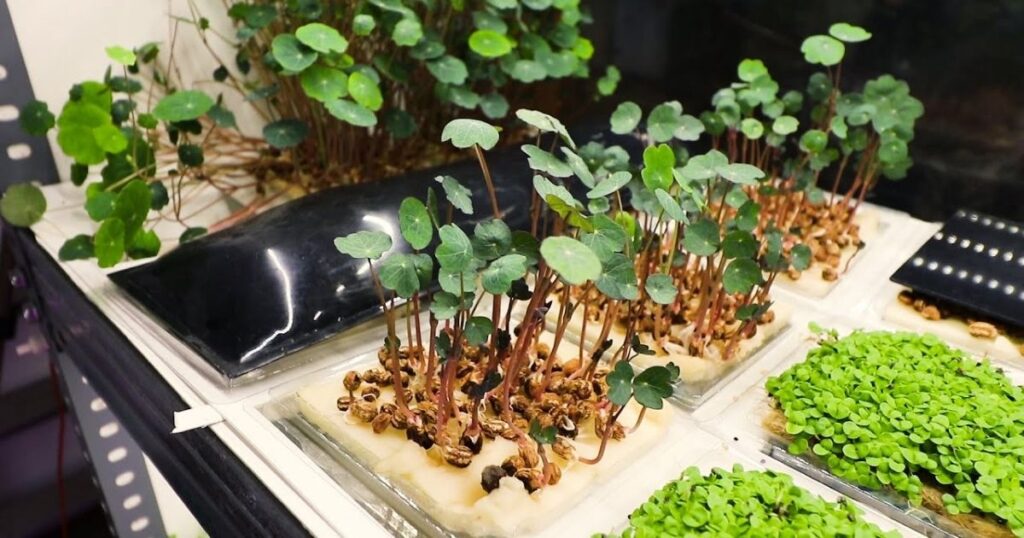 Micro farming is ideal for individuals passionate about sustainable agriculture, healthy eating, and local food production. Urban dwellers with limited space, such as backyard gardeners, rooftop farmers, or small-lot owners, can benefit from starting a micro farm. Beginners looking for a low-risk entry into farming, hobbyists seeking to grow fresh produce for personal use, and entrepreneurs exploring small-scale agribusiness opportunities will find extra income micro-farming a viable and rewarding option.
It’s also ideal for individuals seeking to minimize their environmental impact through organic practices, crop diversity, and community-supported agriculture. Individuals motivated by food security, self-sufficiency, or entrepreneurial farming can micro farming is becoming successfully start micro-farming ventures.
Beginner Checklist: How to Start Micro Farming
Starting it can be exciting but overwhelming for beginners. This checklist guides you through essential steps to launch your small-scale farm successfully. Learn how to select the right crops or livestock, assess your available space, and prepare the soil or growing medium. Understand the basics of irrigation, sunlight requirements, and pest management. Discover tools and resources to simplify daily tasks, from planting to harvesting.
This guide also highlights planning, record-keeping, and sustainable practices to maximize yield in limited spaces. Perfect for anyone looking to grow fresh produce, explore urban farming, or start a hobby soil health farm with confidence in crop rotation.
Common Micro Farming Mistakes
- Growing too many crops at once
- Poor soil preparation
- Ignoring succession planting
- Underestimating labor needs
- Not researching local markets
Future of Micro Farming
Micro farming is expanding due to:
- Rapid urbanization
- Rising food costs
- Climate challenges
- Technology improvements
- Demand for local, fresh produce
Emerging trends include:
- Smart indoor micro farms
- Rooftop commercial gardens
- AI-supported growing systems
- Community micro-farm networks
- School-based food production
IT increasingly biodiversity recognized as a critical part of modern, decentralized food systems.
Conclusion:
Microfarming is a practical and sustainable approach to growing food on a small scale, whether in urban spaces, backyards, or compact rural plots. It empowers individuals to cover cropping produce fresh, nutritious crops, reduce food costs, and minimize environmental impact. While it requires careful planning, resource management, and consistent effort, the benefits—enhanced food security, community engagement, and potential income opportunities—are significant.
By leveraging innovative techniques such as vertical farming, crops grown container gardening, and hydroponics, anyone can establish a micro farm. Embracing it not only nurtures healthy plants but also promotes a greener, self-reliant lifestyle, micro can be done making it a modern solution for global food challenges.
FAQ:
What is Micro Farming in Simple Words?
Micro farming refers to growing food on small areas of land using efficient methods to produce high yields per plot.
Is Micro Frming Organic?
IT often uses commercial farms organic practices, but the term refers to scale, not small plot of land certification.
How much Money can a Micro Farm Make?
Income varies widely, but many micro farms generate a profit by selling high-value crops directly to local monitor preserver
Can Micro Farming work Indoors?
Yes. Many micro farms operate indoors, producing microgreens, mushrooms, and hydroponic crops.