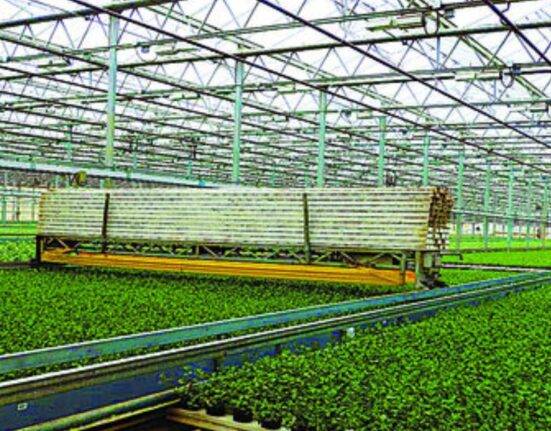


In today’s world, with an increasing global population and growing food demands, the discipline of crop science plays a pivotal role in feeding the world. Crop science definition encompasses the scientific knowledge and understanding of the cultivation, management, processing, and production of crops. It is a multidisciplinary field within agricultural science that integrates principles from plant science, soil science, ecology, and environmental science to improve crop production and ensure food security.
Crop science, often closely aligned with agronomy, focuses on the science of plant growth and crop management in agricultural systems. Agronomists and crop scientists work tirelessly to enhance agricultural productivity through better cropping systems, production systems, and resource management. This blog post examines the field of crop science, its history, key components, and its significance in modern agriculture, while highlighting how it addresses challenges such as soil degradation, environmental impact, and the need for improved agricultural practices.
What Is Agriculture Crop Science?
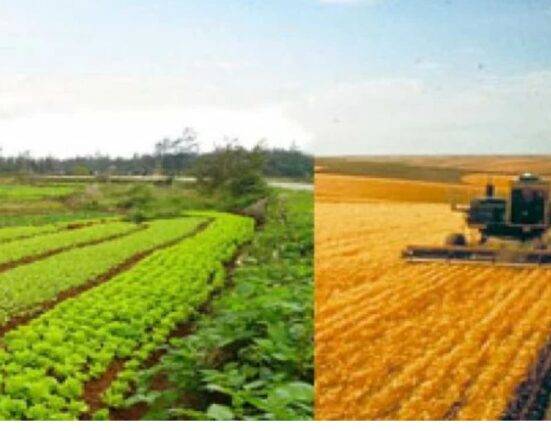
Agricultural crop science is a branch of agricultural science that focuses on the study of cultivated plants and the methods used to grow them efficiently, sustainably, and profitably. It combines principles from plant biology, soil science, genetics, chemistry, and environmental science to understand how crops grow and how their productivity can be improved. Crop science examines every stage of crop production, from seed selection and soil preparation to planting, nutrient management, pest and disease control, and harvesting.The primary goal of agricultural crop science is to enhance crop yield and quality while conserving natural resources. Through plant breeding and genetic improvement, crop scientists develop high-yielding, disease-resistant, and climate-resilient crop varieties. Soil and nutrient management practices help maintain soil fertility and ensure balanced plant nutrition, Modern Commercial Agriculture: while modern pest and weed management techniques reduce crop losses and minimize environmental harm.

Crop science also plays a crucial role in sustainable farming by promoting water conservation, efficient use of fertilizers, and reduced energy consumption, while helping farmers adapt to climate change and resource limitations.Agricultural crop science is essential for ensuring food security, supporting farmers’ livelihoods, and building a sustainable farming system. Applying scientific knowledge to crop production helps meet the growing demand for affordable, nutritious, and safe food worldwide.
The Beginning of Agriculture and the Evolution of Crop Science
The beginning of agriculture dates back approximately 12,000 years, when humans first cultivated grain crops in regions such as the Fertile Crescent. This marked the transition from hunter-gatherer societies to settled communities, laying the foundation for civilization. Early attempts to breed new grain types emerged as farmers selected grain types that would provide higher yields and better adaptation to local conditions.Over millennia, agriculture and the attempt to improve crops evolved through trial and error. New breeds are required to adapt to changing environmental factors, including variations in temperature and rainfall. The development of new strains has become essential, as pests can threaten farmers, especially those who grow large monocultures, as many farmers do today.
The modern era of crop science began with developments in science during the 19th and 20th centuries. People such as Justus Liebig contributed to understanding nutrient requirements, while Gregor Mendel’s work laid the groundwork for plant breeding and genetics. Farm Management: Education The Green Revolution in the mid-20th century significantly increased food production through the introduction of high-yielding types, enhanced irrigation systems, and fertilizer application, thereby helping to avert famine amid a rapidly growing world population.Today, crop science is a sophisticated field drawing from various disciplines, including plant physiology, plant pathology, and environmental science.
Crop Science Definition and Core Principles
At its core, the discipline of crop science is the study of crops in relation to their growth, production, and interaction with the environment. It involves principles of crop production, including morphological characteristics, plant growth stages, and crop growth processes. Crop scientists apply scientific knowledge to optimize plant improvement, focusing on the specific needs of individual crops.Crop science overlaps with agronomy, which is used in agronomy to manage field crops, pasture, and soil. Agronomic practices emphasize soil management, crop management, and farm management to boost agricultural productivity. Key areas include soil fertility, nutrient management, and soil and water conservation.
Related disciplines such as plant science, agricultural science, and crop and soil sciences integrate knowledge from biology, chemistry, and ecology. For instance, understanding plant physiology and crop ecology helps in developing cropping systems that are resilient to environmental change.A degree in crop science or a major in crop science equips students with the knowledge and understanding of these interconnected fields, preparing them for careers as agronomists, crop scientists, or researchers.
Key Components of Crop Science

Crop science encompasses several critical areas:
Plant Breeding and Genetics:
Plant breeding is a central component of crop breeding efforts. Through breeding, scientists develop new types with desired characteristics, such as increased yields, resistance to disease, and tolerance to environmental factors. Techniques range from traditional cross-breeding to modern biotechnology, including cell culture and tissue culture for plant improvement. The effort to breed new grain varieties that yield higher crops continues to drive innovation.
Soil Science and Management:
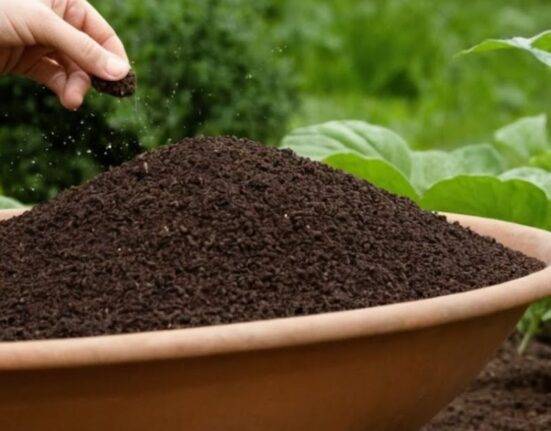
Soil science is fundamental, addressing soil health, soil fertility, and soil degradation. Practices include soil management to maintain the quality of natural resources, prevent soil erosion, and enhance nutrient availability. Soil and water interactions are crucial for the sustainable production of crops.
Pest Management:
Pests, including insects, weeds, plant viruses, and infections, present serious risks to both agricultural productivity and human health. Pest management encompasses techniques such as biological control, integrated pest management (IPM), and the use of resistant varieties. Plant pathology studies diseases, A Complete Guide to Agricultural Organic while entomology focuses on insects. Non-infected cells, when used in studying pests through cell culture, aid in developing specific crop science solutions.
Crop Physiology and Ecology:
Understanding plant physiology, including photosynthesis, nutrient uptake, and responses to environmental factors, is key. Crop ecology examines interactions within agricultural systems, promoting biodiversity and reducing environmental impact.
Precision Agriculture:
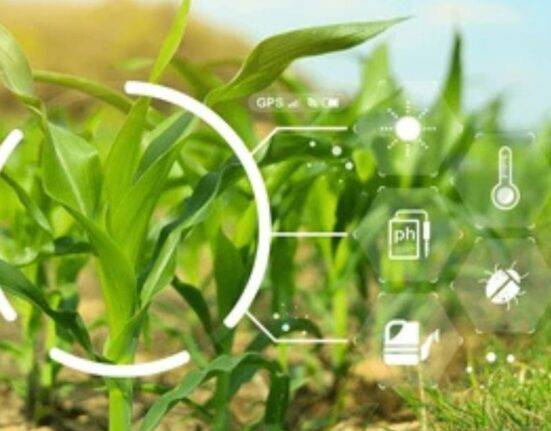
Modern agriculture incorporates science and technology through precision agriculture. Tools like drones, GPS-guided tractors, and sensors enable targeted applications of inputs, improving efficiency in crop management and resource management.
Challenges and the Role in Food Security
Modern agriculture faces pressures from climate change, soil degradation, and resource scarcity. Issues such as weed competition, pest outbreaks in large monocultures, and declining soil health pose significant threats to agricultural production. Crop scientists develop specific crop solutions, such as bioremediation and waste management techniques, to mitigate environmental quality concerns.
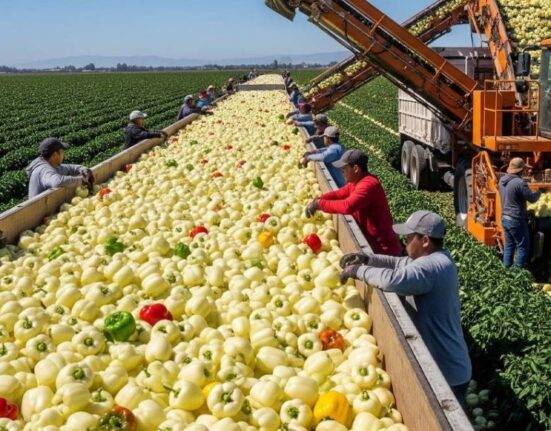
Improving agricultural systems is vital for food production and food security. With an increasing global population, we need varieties that will provide higher yields sustainably. Understanding Food Costs Crop science contributes to economic and social benefits, including better farm management and integration with animal production.Techniques like precision agriculture reduce inputs while maximizing outputs, addressing environmental impact. Research in plant viruses, strains resistant to pests, and nutrient-efficient varieties supports sustainable intensification.
Careers and Future of Crop Science
A career in crop science offers a diverse range of opportunities. Crop scientists, agronomists, and researchers work in academia, industry, or extension services. Social sciences aspects consider the economic and social implications of technologies.The future involves integrating advanced science and technology, including biotechnology, to develop new crop varieties. Addressing environmental change through resilient cropping systems and sustainable soil management will be key.

In conclusion, crop science is crucial for sustainable agriculture and the effort to feed a growing global population. By combining scientific knowledge and understanding across various disciplines, it ensures agricultural productivity while preserving natural resources and environmental quality. As we advance, crop science will continue to evolve, providing innovative solutions for global challenges in food production.
Conclusion
Agricultural crop science is the foundation of modern and sustainable farming. Combining scientific knowledge with practical farming techniques helps enhance crop quality, productivity, and resistance to insects, diseases, and climate challenges. Crop science not only supports farmers in making informed production decisions but also plays a crucial role in ensuring food security for an expanding global population. What Is Agriculture A Simple Guide As agriculture continues to develop, the significance of crop science will only increase, making it essential for building a resilient, productive, and environmentally responsible agricultural system.
FAQ
What is agricultural crop science?
Agriculture crop science is the study of cultivated plants and the scientific methods used to improve crop growth, yield, quality, and sustainability.
Why is crop science important in agriculture?
Crop science is crucial because it helps increase food production, improve crop quality, reduce losses from pests and diseases, and encourage environmentally friendly farming methods.
What are the main branches of crop science?
The main branches include agronomy, plant breeding and genetics, soil science, crop physiology, and weed, pest, and disease management.
How does crop science help farmers?
Crop science offers farmers improved crop varieties, efficient fertilizer use, enhanced pest control methods, and modern farming technologies, enabling them to increase productivity and income.
Is crop science a good career choice?
Yes, crop science offers strong career opportunities in research, farming, agribusiness, education, and agricultural extension services, especially as global food demand continues to grow.