

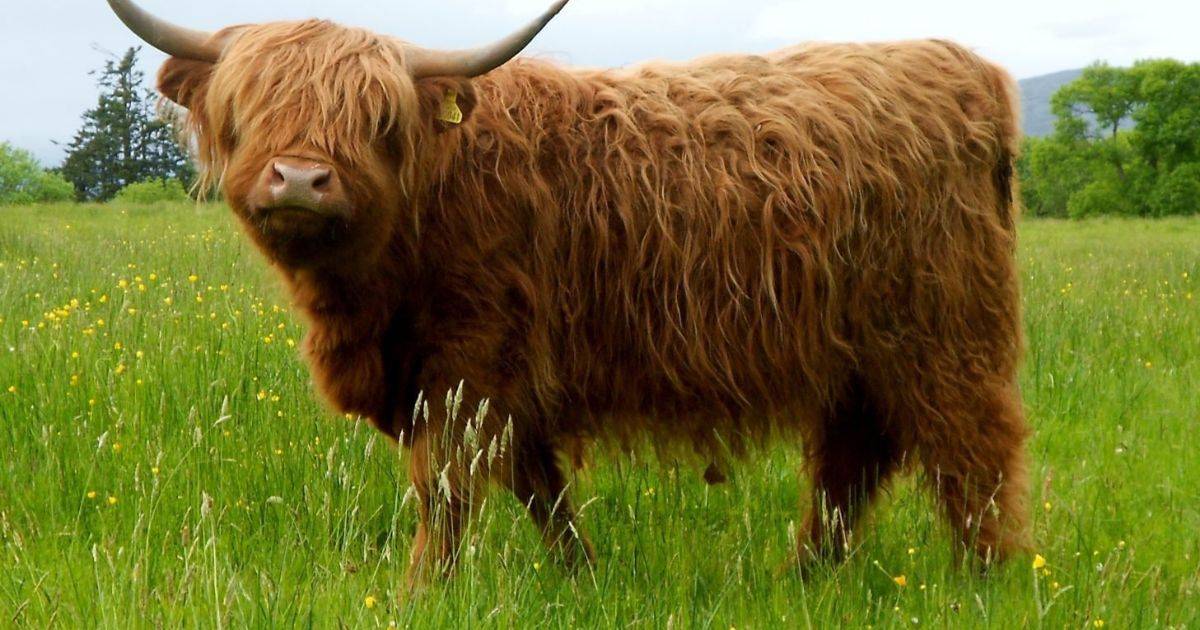
Highland cows, with their distinctive long horns and thick, shaggy coats, are one of the most recognizable breeds of cattle in the world. Originating from the rugged Scottish Highlands, these hardy animals are uniquely adapted to harsh climates, able to thrive in cold, wet, and mountainous regions where other breeds might struggle. Beyond their striking appearance, Highland cows are highly valued for several practical purposes. They are primarily raised for their high-quality, lean beef, known for its rich flavor and low fat content.
Additionally, their resilience and calm temperament make them suitable for conservation grazing, maintaining landscapes, and sustainable farming practices. Understanding their diverse uses highlights why Highland cows remain an integral part of agriculture and rural life.
What are Highland cows used for?
Highland cows are primarily used for beef production, valued for their high-quality, lean, and flavorful meat. Originating from the rugged Scottish Highlands, these hardy cattle are well adapted to cold, wet climates and rough grazing conditions. Their thick double coat allows them to thrive outdoors year-round, reducing the need for expensive housing. In addition to beef, Highland cows are sometimes raised for hairy cattle milk, though dairy production is not their primary higland cow purpose.
They are also popular in conservation grazing programs, where they help manage grasslands and improve biodiversity by controlling invasive plants. Beyond agriculture, Highland cows are admired for their gentle temperament and distinctive appearance, making them popular on hobby farms, agritourism properties, and as iconic symbols of Scottish scottish highland cattle heritage.
Beef Production
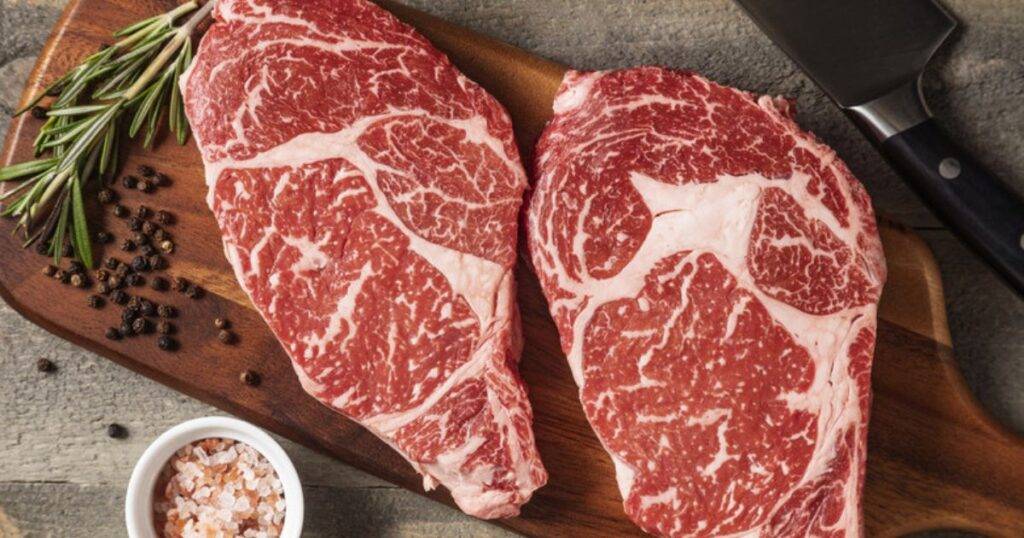 Beef production is the process of raising cattle for meat through carefully managed breeding, feeding, health care, and processing systems. It begins with cow-calf operations, where calves are born and raised, followed by backgrounding and feedlot phases that focus on growth and weight gain. Farmers and ranchers use balanced nutrition, pasture management, and veterinary care to ensure animal welfare and high-quality meat.
Modern beef production combines traditional livestock practices with advanced technology, including genetic selection and sustainable resource management. The industry plays a vital role in global food security, rural economies, and agricultural trade. Responsible beef production also emphasizes environmental stewardship, efficient feed use, and reduced greenhouse gas emissions to meet growing consumer demand highland cattle for meat sustainably.
The Primary Use: Premium Beef
The most essential and traditional use of Highland cows is beef production. Highland beef is highly prized for its:
- Lean texture
- Fine marbling
- Rich, natural flavor
- Lower fat and cholesterol content compared to many commercial breeds
Because Highland cattle grow slowly and graze naturally on pasture, their meat develops a deep, distinctive taste. Many consumers consider it a premium, grass-fed beef product.
Why Highland Beef Is Special
Unlike many modern beef breeds that are grain-finished, Highland cattle are typically:
- Raised on grass
- Minimal grain-fed
- Naturally hardy
- Less dependent on intensive farming systems
Their thick double coat allows them to thrive in cold weather without building excessive body fat. Instead of storing fat externally, they develop intramuscular marbling, which enhances tenderness and flavor.
Advantages for Farmers
Highland cattle are:
- Easy calvers (low birthing problems)
- Long-lived (often productive into their teens)
- Efficient grazers
- Disease-resistant
These traits make them a profitable choice for small-scale and sustainable beef producers.
Conservation Grazing
Conservation Grazing is a sustainable land management practice that uses livestock to maintain and restore natural ecosystems. Instead of relying on mechanical mowing or chemical treatments, carefully managed grazing by cattle, sheep, or goats helps control invasive plants, reduce excess vegetation, and promote native biodiversity. This method improves soil health, enhances wildlife habitats, and lowers wildfire risks by reducing dry plant buildup. Conservation grazing mimics natural grazing highland farms patterns, encouraging balanced plant growth and nutrient cycling.
Farmers and land managers adjust stocking rates and grazing timing to protect sensitive species and prevent highlander cattleovergrazing. By blending agriculture with environmental stewardship, conservation grazing supports highlander animal productive landscapes while preserving ecological integrity for long-term sustainability.
Natural Land Managers
Another primary use of Highland cows is conservation grazing. Their ability to thrive on rough, poor-quality forage makes them ideal for managing:
- Wetlands
- Heathlands
- Moorlands
- Nature reserves
- Woodland edges
They help control invasive plant species and maintain biodiversity.
Why They’re Ideal for Conservation
Highland cattle:
- Eat coarse grasses and shrubs
- Trample dense vegetation
- Create natural habitat diversity
- Require minimal supplemental feed
Their lighter body structure compared to some heavy commercial breeds means they cause less soil compaction, which is what are highland cows used for essential in sensitive ecological areas.
Many environmental organizations use Highland cattle as part of sustainable land management programs.
Dairy (Limited Use)
Dairy (Limited Use) refers to the moderate and mindful consumption of milk-based products within a balanced diet. It includes items such as milk, yogurt, cheese, butter, and cream, used in controlled portions rather than as primary sources of food. Limited dairy use is often recommended for individuals managing lactose intolerance, calorie intake, cholesterol levels, or specific dietary plans. In agriculture and food production, it may also describe small-scale dairy processing focused on sustainability and reduced highland cow purposewaste.
By practicing limited use, consumers can still benefit from essential nutrients like calcium, protein, and vitamin D while maintaining overall health goals. This approach promotes nutritional balance, digestive comfort, and responsible food high cattle choices without eliminating dairy products from daily meals.
Can Highland Cows Be Used for Milk?
Yes, but dairy is not their primary purpose.
Highland cows produce:
- Moderate amounts of milk
- High butterfat content milk
- Rich, creamy flavor
Traditionally, Highland cattle were considered a dual-purpose breed (milk and meat). However, modern dairy farming typically uses specialized breeds such as Holsteins or Jerseys to achieve higher milk yields.
When Are They Used for Dairy?
Highland cows may be used for:
- Small-scale homesteads
- Artisan cheese production
- Family milk supply
- Calf-rearing purposes
Their milk is rich, making it suitable for:
- Butter
- Cream
- Cheese
Still, if maximum milk production is the goal, other dairy breeds are more efficient.
Breeding Programs
Breeding Programs are structured efforts designed to improve the genetic quality of plants or animals for specific traits such as higher yield, disease resistance, climate adaptability, and enhanced productivity. These programs use selective breeding, crossbreeding, and modern biotechnological tools to enhance desirable characteristics while maintaining genetic diversity. In agriculture, breeding highland cows used forprograms help develop crop varieties that mature faster, tolerate drought, and resist pests.
In livestock production, they focus on improving growth rate, milk production, meat quality, and overall health. Effective breeding programs rely on careful record-keeping, genetic evaluation, and long-term planning. By combining traditional knowledge with scientific innovation, breeding programs play a crucial role in strengthening food security, sustainability, and economic growth what are highland cows used for worldwide.
Why Farmers Crossbreed Highland Cattle
Highland genetics can add:
- Cold tolerance
- Disease resistance
- Strong maternal instincts
- Longevity
- Efficient grazing ability
Crossbreeding Highland cows with other beef breeds can produce hardy offspring suited for rugged terrain and harsh climates.
Agritourism and Farm Attractions
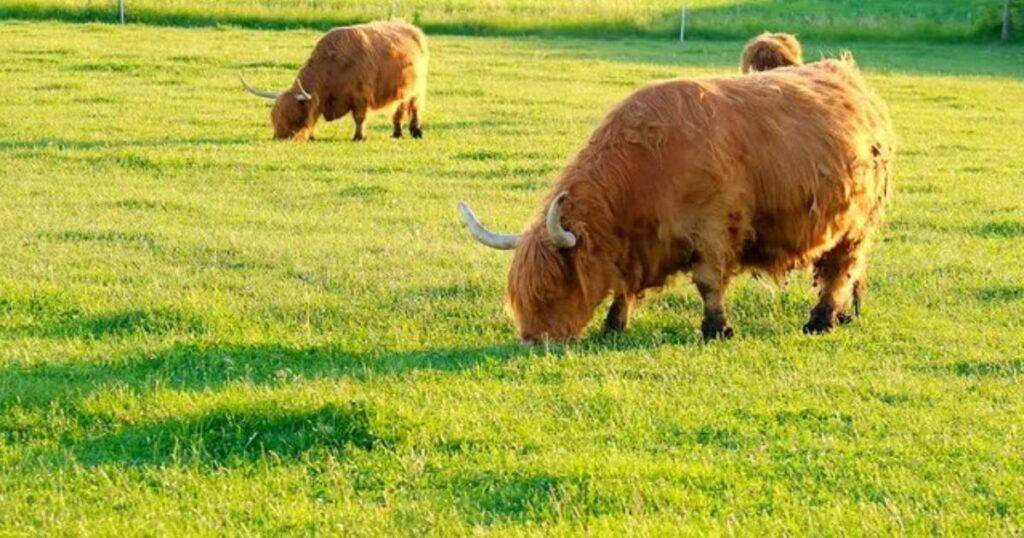 Agritourism and farm attractions combine agriculture with travel, offering visitors a chance to experience rural life firsthand. From pick-your-own fruit orchards and pumpkin patches to farm stays and educational tours, agritourism creates meaningful connections between farmers and consumers. Guests can explore crop fields, interact with livestock, enjoy hayrides, and taste fresh, locally grown produce. These attractions support local economies by generating additional income for farmers while promoting highland cattle breeds sustainable agriculture and community engagement.
Seasonal festivals, farmers’ markets, corn mazes, and vineyard tours also enhance the experience, making farms vibrant destinations for families, students, and travelers. Agritourism not only provides recreational and educational opportunities but also raises awareness of food production, environmental stewardship, and the importance of supporting local farming communities.
Tourism Appeal
Highland cows are incredibly photogenic. Their long shaggy coats and impressive horns make them a favorite what are highland cows good for attraction for:
- Farm tours
- Petting zoos
- Rural tourism businesses
- Photography sessions
- Social media marketing
Many farms keep Highland cattle partly to attract visitors and increase agritourism income.
Why They’re Popular with Visitors
- Gentle temperament
- Unique appearance
- Calm behavior
- Easy handling
Their friendly and curious nature makes them ideal ambassadors for farms and rural experiences.
Hobby Farming and Small Homesteads
Hobby Farming and Small Homesteads focus on small-scale, self-sufficient living that blends productivity with lifestyle enjoyment. Unlike large commercial farms, hobby farms are typically operated for personal satisfaction rather than as a primary source of income. They may include vegetable gardens, fruit trees, backyard poultry, dairy goats, beekeeping, or small livestock. Small homesteads emphasize sustainability—growing organic food, preserving harvests, composting waste, and sometimes using renewable energy white highland cattle sources.
Many people choose this lifestyle to reconnect with nature, improve food security, and reduce reliance on store-bought goods. Hobby farming offers flexibility, allowing owners to balance farming activities with other careers. It promotes hands-on learning, healthy living, and a deeper appreciation for where food comes from, making it an increasingly popular trend in rural and suburban areas.
Why Hobby Farmers Love Them
- Require less intensive management
- Thrive on pasture
- Adapt to rough terrain
- Strong maternal instincts
- Long lifespan
They are beautiful for small-scale, low-input farming systems.
However, potential owners should remember:
- They still require proper fencing
- They need adequate grazing land
- Horns require careful handling
Climate Resilience and Sustainable Farming
Climate resilience and sustainable farming focus on creating agricultural systems that can withstand climate change while preserving natural resources for future generations. This approach integrates eco-friendly practices such as crop rotation, agroforestry, organic fertilization, and water-efficient irrigation to reduce environmental impact and maintain soil health. By enhancing biodiversity and adopting renewable energy solutions, farmers can mitigate risks from extreme weather events, pests, and disease highland cows uses outbreaks.
Sustainable farming also emphasizes community engagement, fair labor practices, and local food systems, ensuring economic stability alongside environmental protection. Overall, climate-resilient agriculture fosters productivity, resource efficiency, and ecological balance, making it a crucial strategy for feeding a growing population while addressing the challenges posed by a changing climate.
Key Adaptations
Their double-layered coat includes:
- A long, oily outer coat
- A soft insulating undercoat
This allows them to:
- Withstand snow and cold winds
- Graze in winter conditions
- Live comfortably in harsh climates
Because of these traits, Highland cattle are often used in:
- Low-input sustainable farming
- Regenerative agriculture
- Organic farming systems
They require less shelter and supplemental feed compared to many commercial breeds.
Show Animals and Heritage Preservation
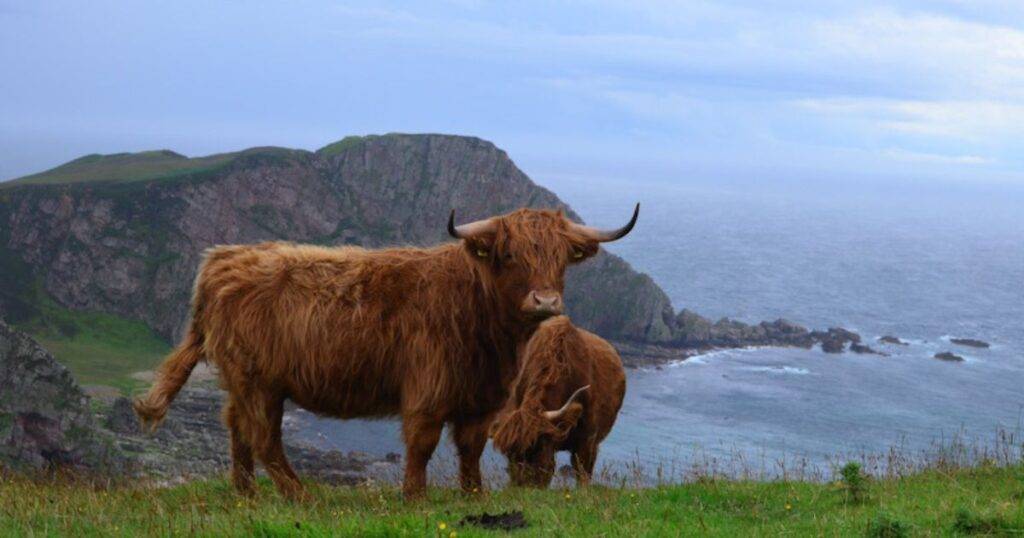 Show animals and heritage preservation celebrate the rich traditions of animal husbandry while safeguarding cultural history. Through exhibitions, competitions, and fairs, communities showcase prized livestock, including cattle, horses, sheep, and poultry, highlighting their unique traits, lineage, and value. These events not only foster appreciation for animal breeding and care but also educate the public about sustainable farming practices and conservation.
Simultaneously, heritage preservation efforts protect traditional knowledge, practices, and artifacts related to agriculture, rural life, and livestock management. By blending live animal displays with cultural storytelling, demonstrations, and workshops, these initiatives strengthen community identity, promote biodiversity, and ensure the wisdom of past generations remains accessible and relevant to future generations.
Cultural Importance
Highland cows represent:
- Scottish heritage
- Traditional farming
- Rural identity
Breed societies work to preserve their genetics and maintain breed standards.
Educational and Research Purposes
Educational and research purposes focus on acquiring, analyzing, and applying knowledge to advance learning and innovation. In academic settings, this involves using resources, tools, and technologies to study subjects, conduct experiments, and develop critical thinking skills. Research purposes include exploring new ideas, testing hypotheses, and advancing scientific, social, or technological knowledge.
Institutions, students, and professionals rely on structured learning and evidence-based research to solve problems, enhance understanding, and drive progress. These activities support lifelong learning, inform policy and practice, and foster intellectual growth. By prioritizing education and research, societies cultivate informed individuals, encourage creativity, and promote sustainable development across multiple disciplines.
Landscape Aesthetics
In some cases, Highland cattle are kept simply for their beauty and contribution to rural landscapes.
Landowners may use them to:
- Enhance scenic estates
- Maintain open pastures
- Create natural grazing landscapes
Their presence often increases property value in rural tourism areas.
Are Highland Cows Profitable?
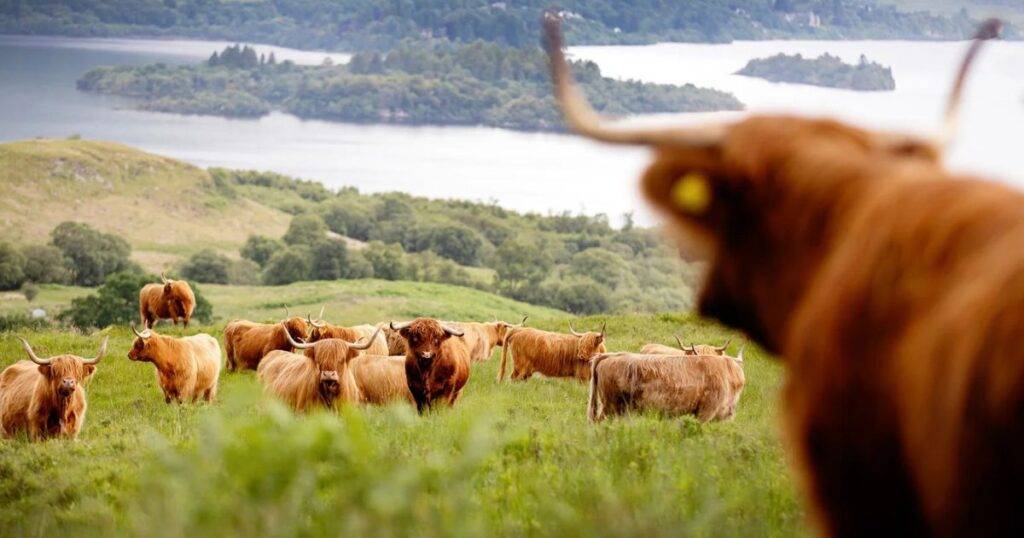 Highland cows can be profitable when:
- Marketed as premium grass-fed beef
- Used in agritourism operations
- Raised in low-input systems
- Sold as breeding stock
However, they grow more slowly than commercial beef breeds, so profitability depends on:
- Niche marketing
- Direct-to-consumer sales
- Sustainable production systems
Conclusion:
Highland cows, with their distinctive long hair and hardy nature, are incredibly versatile animals. Primarily, they are raised for high-quality beef, known for its tenderness and rich flavor due to the cows’ natural grazing on rough terrain. Beyond meat production, Highland cows are also valued for conservation grazing, helping maintain natural landscapes, prevent overgrowth, and support what are highland cows used for biodiversity.
Their gentle temperament makes them suitable for small-scale farms, agro-tourism, and educational purposes, allowing people to interact with livestock safely. Additionally, their thick coats can provide raw material for crafting wool products. Overall, Highland cows are more than just a source of food—they contribute to ecological management, sustainable farming, and cultural heritage in highland regions.
FAQ:
What are Highland Cows?
Highland cows are a Scottish breed of cattle known for their long hair, hardy nature, and adaptability to harsh climates. They have distinctive long horns and a thick coat that protects them from cold and wet weather.
Are Highland Cows used for Meat Production?
Yes. Highland cows are primarily raised for their high-quality beef. Their meat is lean, flavorful, and lower in cholesterol than that of many other cattle breeds. It is highly prized for its tenderness and natural marbling.
Can Highland Cows be used for dairy Production?
While Highland cows can produce milk, they are not typically used as commercial dairy cows. Their milk yield is relatively low compared to specialized dairy breeds, but it is rich and creamy, often used for personal consumption or specialty cheeses.
Are Highland Cows used for Farming or land Management?
Absolutely. Highland cows are excellent for grazing on rough terrain and managing vegetation. They help maintain biodiversity, prevent overgrowth, and can be used in conservation grazing projects on hills, moors, and natural reserves.
Can Highland Cows be used for Work?
Historically, Highland cows were sometimes used as draft animals on farms, but today they are rarely used for heavy labor. Their main contributions are in meat production, land management, and agritourism.
