
In recent years, using organic fertilizer has become a key practice in sustainable agriculture and home gardening. As concerns about soil degradation, water pollution, and synthetic chemicals continue to rise, more farmers and gardeners are turning to organic fertilisers to support healthy crops and long-term soil health. Because they come from natural sources, organic fertilizers offer a consistent, environmentally friendly way to nourish plants and improve soil fertility.
This comprehensive guide explains everything you need to know about organic fertilizer, including types, benefits, application methods, and how to choose the right organic option for your garden or farm.
What Is Organic Fertilizer?
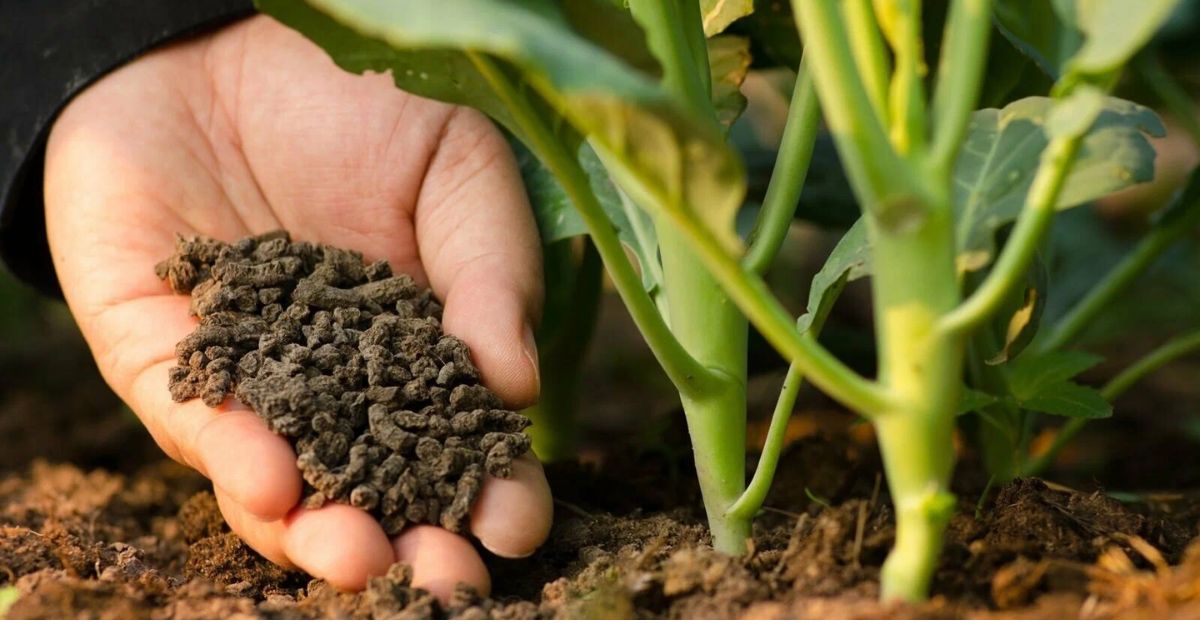
Organic fertilizer refers to fertilizer products that are obtained from natural sources, such as materials found in plants or animals. Organic fertilizers include manure, compost, bone meal, fish meal, blood meal, kelp, and green manure. Unlike chemical or synthetic fertilizers, organic fertilizers are made from organic materials and contain organic nutrients that improve plant growth and soil quality.Because fertilizers are derived from natural and renewable resources, they align closely Sustainable Soil: Organic Methods To Enhance Soil Fertility with the principles of organic agriculture and organic farming. Many certified organic fertilizers are approved for use under strict standards, such as products labeled as OMRI or OMRI-listed.
How Organic Fertilizers Work in the Soil

One of the key differences between organic and synthetic fertilizers lies in how nutrients are delivered. Slowly releasing nutrients, organic fertilizers offer a consistent source throughout the growing season. This slow-release process depends on soil microorganisms, including Fungi and bacteria that decompose organic materials into nutrients readily available to plants.To transform organic matter into plant nutrients, healthy soil bacteria are essential. This microbial activity improves soil structure, enhances soil fertility, and helps plants to thrive naturally.
Key Plant Nutrients in Organic Fertilisers
Organic fertilizers provide a wide range of essential plant nutrients, including:
- Nitrogen and phosphorus for leafy growth and root development
- Phosphorus and potassium for flowering, fruiting, and disease resistance
- Secondary nutrients such as sulfur and calcium
- Trace minerals that support overall plant health
Many organic fertilizers are rich in organic A Complete Guide to Agricultural Organic compounds that not only feed plants but also improve soil conditions over time.
Types of Organic Fertilizers
Animal-Based Organic Fertilizers
These fertilizers consist of materials derived from animal waste or byproducts:
- Chicken manure – high nitrogen content
- Fresh manure (must be composted to avoid burning plants)
- Bone meal – excellent phosphorus source
- Blood meal – high nitrogen fertilizer
- Fish meal and fish emulsion – fast-acting organic nutrients
Animal-based fertilizers are widely used in both organic and conventional systems.
Plant-Based Organic Fertilizers
- Organic compost from itchen waste and garden residues
- Green manure crops like legumes
- Kelp and seaweed extracts
- Plant residues are used as organic material
These fertilizers improve soil quality and are especially beneficial for home gardens and small-scale farming.
Mineral-Based Organic Fertilizers
- Limestone for pH balance
- Rock phosphate
- Natural sulfur sources
These are often used as fertilizers and soil amendments to correct nutrient deficiencies.
Benefits of Using Organic Fertilizer

Using organic fertilizer offers numerous benefits for plants, soil, and the environment. By boosting organic matter and improving soil structure, organic fertilizers increase soil fertility, a primary benefit. This enhances aeration, helps the soil retain moisture, and provides plant roots with a healthier habitat.Because organic fertilizers release nutrients gradually, they supply a steady flow of nitrogen, phosphorus, and potassium throughout the plant’s growth season. This slow-release property prevents nutrient overload, minimizes nutrient loss, and supports consistent and healthy plant growth.Another key benefit is improved soil health. Organic fertilizers nourish beneficial soil microbes, which help decompose organic matter and make nutrients more readily available to plants. This microbial activity strengthens root development and improves overall plant resilience.
Additionally, organic fertilizers are environmentally friendly. They reduce dependence on synthetic chemicals, lower he risk of water pollution, and support sustainable agriculture. Whether used in organic farming or in a home garden, organic fertilizers promote healthier plants and long-term soil quality.You do not have enough Humanizer words left. Upgrade your Surfer plan.
How to Choose the Right Organic Fertilizer
Choosing the right organic fertilizer is essential for healthy plant growth and long-term soil fertility. The first and most crucial step is to conduct a soil test. A soil test helps you understand existing nutrient levels, soil pH, and overall soil conditions. Once you know what your soil lacks, you can select an organic fertilizer that provides the nutrients your plants need.Next, consider the fertilizer’s nutrient content. Different organic fertilizers supply different nutrients. For example, compost and organic manure improve soil structure and organic matter. At the same time, bone meal is rich in phosphorus, blood meal provides high nitrogen, and fish emulsion offers fast-acting nutrients. Matching the fertilizer to your crop’s needs is key, especially during different stages of the growing season.
You should also think about the source and quality of the fertilizer. Choose products derived from natural sources and, if possible, certified organic or OMRI-listed fertilizers. These ensure the product is safe for organic farming nd environmentally friendly.Finally, consider how and when the fertilizer releases nutrients. In long-term soil, most organic fertilizers Boosting Soil Health: How To Improve Soil Health In Home Gardens Guide release nutrients gradually. health. Always follow recommended application rates to avoid overuse and ensure your plants thrive naturally.
How to Use Organic Fertilizer Properly
Using organic fertilizer properly helps maximize plant growth while protecting soil quality. To begin, perform a soil test to determine nutrient levels and soil conditions. This prevents overuse and ensures plants receive the nutrients they actually need.Choose the right organic fertilizer based on crop type and growth stage. Compost and organic manure are ideal for improving soil structure before planting. At the same time, bone meal supports root development, and fish emulsion or other liquid fertilizers provide quick nutrition during active growth.
Apply organic fertilizer at the right time. Before planting, add manure or compost to the soil. a d use top dressing or liquid applications during the growing season. Because organic fertilizers release nutrients slowly, early application ensures nutrients become available when plants need them.Always follow recommended application rates. Even natural fertilizers can harm plants if overused, especially high-nitrogen materials or fresh manure, which may burn plants. Water the soil after application to help nutrients move into the root zone.With proper timing, appropriate dosage, and a suitable fertilizer choice, organic fertilizers improve soil fertility, support beneficial microbes, and help plants thrive naturally.
Organic Fertilizers in Organic Farming and Agriculture
Organic fertilizers play a vital role in organic farming and agriculture by maintaining soil fertility without synthetic chemicals. In organic agriculture, fertilizers must originate from natural sources, including mineral-based inputs, plant materials, and animal waste. Common examples include compost, organic manure, green manure, bone meal, Manure And Compost: Natural Boost For Healthy Soil fish meal, and rock minerals. These materials are used as fertilizer to supply essential nutrients while improving overall soil quality.A key principle of organic farming is building long-term soil health. Organic fertilizers increase organic matter, improve oil structure, and support beneficial soil microbes. These microorganisms help break down organic material and release nutrients in ways that plants can easily access. Organic fertilizers provide a consistent supply of nutrients throughout the growing season because they release nutrients gradually. nutrient loss.

In agriculture, organic fertilizers support environmental sustainability. They help reduce water pollution, protect beneficial organisms, and promote soil biodiversity. Many farms use certified organic or OMRI-listed fertilizer products to meet organic standards. By relying on organic fertilizers, organic farming systems create healthier soils, stronger crops, and more resilient agricultural ecosystems.
Conclusion
Using organic fertilizers is a sustainable and efficient way to boost plant growth, increase soil fertility, and protect the environment. Organic fertilizers come from natural sources and function by boosting organic matter, strengthening soil microorganisms, and improving soil structure. Organic fertilizers deliver nutrients more slowly than synthetic ones. providing plants with a steady, balanced nutrient supply throughout the growing season.
In organic farming, agriculture, and home gardening, Fertilizer: Understanding Types Nutrients and Application organic fertilizers play a key role in maintaining long-term soil health and reducing environmental damage, such as water pollution. When chosen carefully and applied correctly, they help plants develop strong roots, grow healthier, and produce better yields. Overall, adopting organic fertilisers is not just beneficial for crops; it is an investment in healthier soil, sustainable agriculture, and a greener future.
FAQ
What is organic fertilizer?
Natural plant or animal sources are used to make organic fertilizers, such as compost, manure, bone meal, and fish emulsion. It improves soil fertility while providing essential nutrients for plant growth.
Are organic fertilizers safe for all plants?
Yes, most organic fertilizers are safe for vegetables, fruits, flowers, trees, and shrubs when used according to recommended application rates.
How often should organic fertilizer be applied?
The application depends on the fertilizer type and crop needs. Compost is usually applied before planting, while liquid organic fertilizers can be used during the growing season.
Can organic fertilizers replace chemical fertilizers?
Yes, in many cases, organic fertilizers can fully replace chemical fertilizers, especially in organic farming and home gardening, while also improving soil health.
Do organic fertilizers work more slowly than synthetic fertilizers?
Organic fertilizers usually release nutrients slowly, providing long-lasting nutrition and supporting healthier soil and plant growth.