
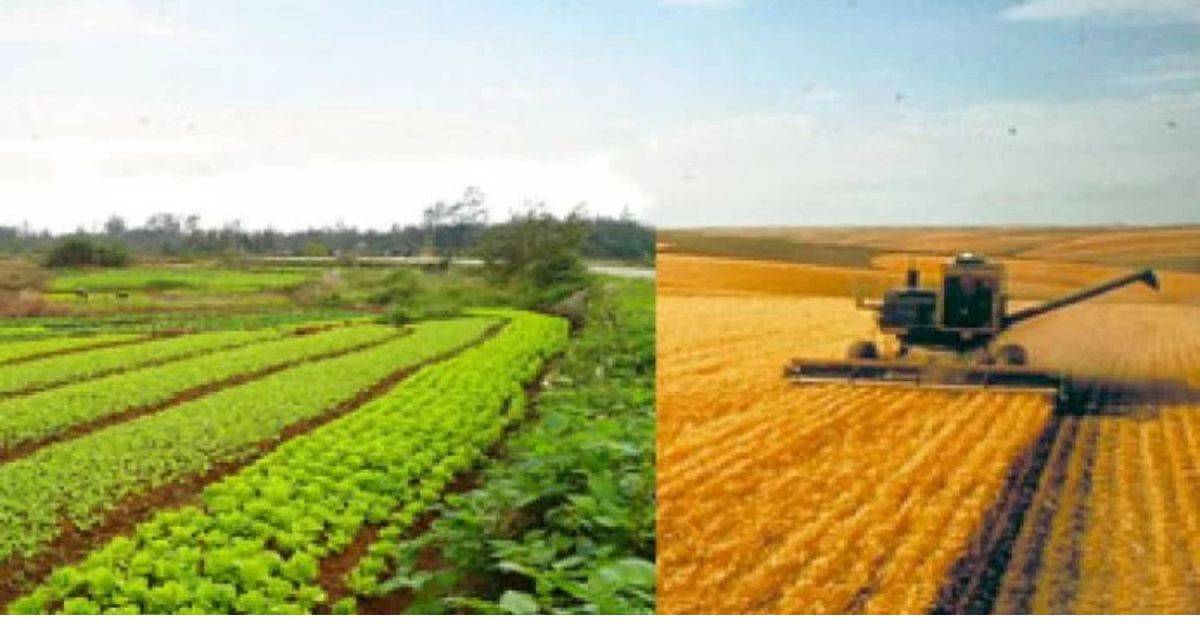
Agriculture refers to the foundation of human survival, as it helps produce food for billions worldwide. Today, the debate between sustainable agriculture and conventional agriculture is more important than ever. With rising population and climate challenges, the question is: can sustainable agriculture feed the world without compromising the ability of future generations?Modern agriculture takes different approaches. Synthetic insecticides and fertilizers are widely used in conventional farming. intensive farming and monoculture to maximize crop yield and agricultural productivity. On the other hand, sustainable farming focuses on environmental health, biodiversity, and efficient use of natural resources.
The contrast between conventional and sustainable agriculture lies in their farming practices, environmental impacts, and long-term viability. While conventional methods increase food production quickly, they often cause soil degradation, water pollution, and increased greenhouse gas emissions.This article explores conventional vs sustainable farming methods, comparing their strengths and weaknesses, and examining whether sustainable agriculture could realistically feed the world while maintaining soil health, ecosystem balance, and food security.
What is Sustainable Agriculture?
Sustainable agriculture aims to produce safe and nutritious food while protecting environmental health and conserving natural resources. It is a farming system designed to enhance soil fertility, lessen soil erosion, and preserve biodiversity without relying heavily on synthetic inputs.Sustainable agriculture practices include organic farming, crop rotation, agroforestry, and regenerative practices. Practices like crop rotation and the use of organic matter help improve soil health and naturally reduce pests and diseases. Organic farming methods avoid synthetic pesticides and chemical fertilizers and instead use natural alternatives.This agricultural production system focuses on ecosystem services, ensuring that agriculture is adapted to local conditions and cycles. Fertilizer Sustainable agriculture could reduce greenhouse gas emissions and improve resilience against drought and climate change.
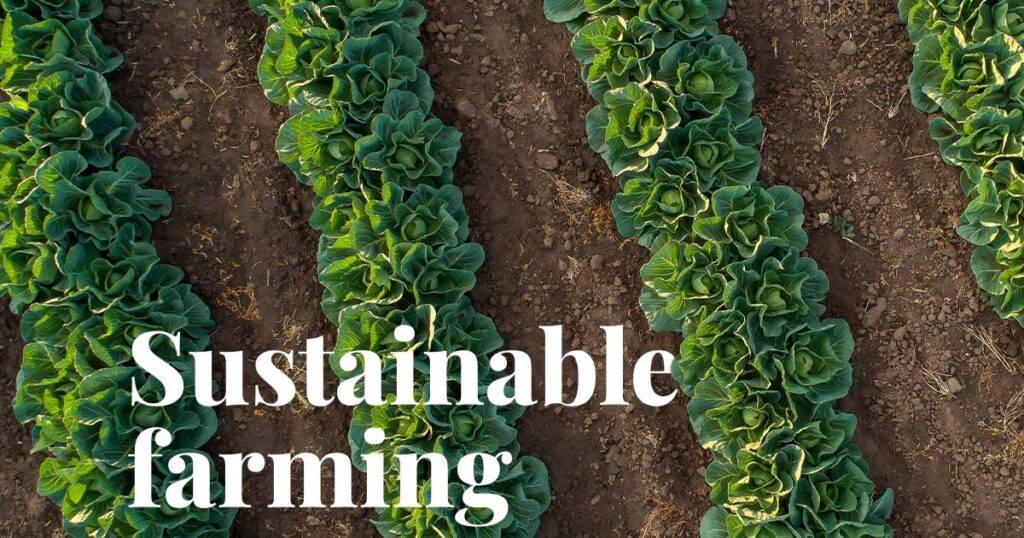
By minimizing synthetic fertilizer and pesticide inputs, sustainable farming protects water quality and prevents water pollution. It also enhances soil fertility and reduces erosion.Ultimately, sustainable agriculture aims to feed the world without compromising the ability of future generations, making it a long-term solution for global food security.
What is Conventional Agriculture?
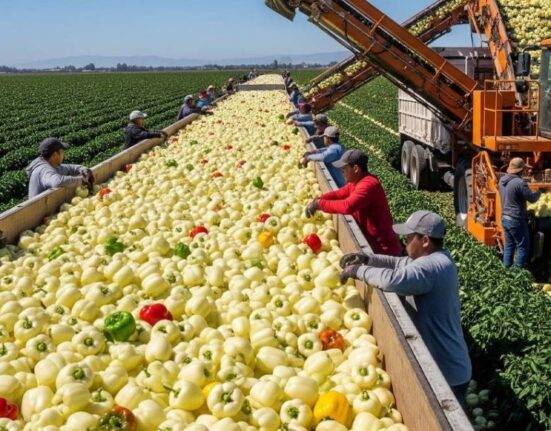
Conventional agriculture often relies on high-input, intensive farming methods to maximize yield and agricultural productivity. This production system uses synthetic fertilizers and pesticides, mechanization, and monoculture to increase crop yield and efficiency.Conventional farming relies heavily on synthetic inputs such as fertilizers and pesticides to control pests and diseases and boost crop production. These farming practices are widely used because they can produce food quickly and on a large scale.
However, conventional agriculture often causes soil degradation, soil erosion, and biodiversity loss. Synthetic pesticides and chemical fertilizers can contaminate water and damage ecosystems. Furthermore, intensive farming contributes to greenhouse gas emissions and environmental damage.While conventional methods are effective in increasing food production, they often ignore long-term environmental impacts. Agriculture may benefit in the short term, but over time, a reliance on artificial pesticides and fertilizers may decrease soil fertility.Despite these challenges, conventional agriculture remains dominant in modern agriculture because it can meet immediate food demand.
Key Differences Between Sustainable and Conventional Agriculture
When comparing conventional and sustainable farming, the differences lie in farming methods, environmental impact, and long-term sustainability.In terms of crop yield, conventional farming often produces higher short-term yields through synthetic fertilizers and intensive farming practices. However, sustainable agriculture practices focus on long-term soil health and stable agricultural productivity.Environmental impact is another major difference. Conventional agriculture causes soil erosion, water pollution, and increased greenhouse gas emissions. In contrast, sustainable farming improves soil health, reduces erosion, and supports biodiversity.
From an economic perspective, Why Winter Feed Costs Rise and How to Control Them conventional farming relies on costly inputs such as fertilizers and pesticides. At the same time, sustainable agriculture reduces dependency on external inputs by using organic matter and natural pest control.Sustainable and conventional agriculture also differ in their approach to ecosystem services. Sustainable agriculture focuses on maintaining ecosystems, while conventional methods prioritize production.Overall, comparing agriculture across both systems shows that sustainable agriculture provides environmental benefits, while conventional farming offers immediate productivity gains.
Can Sustainable Agriculture Feed the World?
The question of whether sustainable agriculture could feed the world is widely debated. The Food and Agriculture Organization claims that Global food needs could be met by sustainable agriculture. Demand, if implemented effectively.Sustainable agriculture aims to increase agricultural productivity without compromising the ability of future generations. Improving soil fertility, reducing soil degradation, and enhancing ecosystem services create a resilient production system.However, challenges remain. Sustainable farming may yield lower yields than conventional agriculture in the short term. Transitioning from conventional methods to sustainable practices requires time, knowledge, and investment.
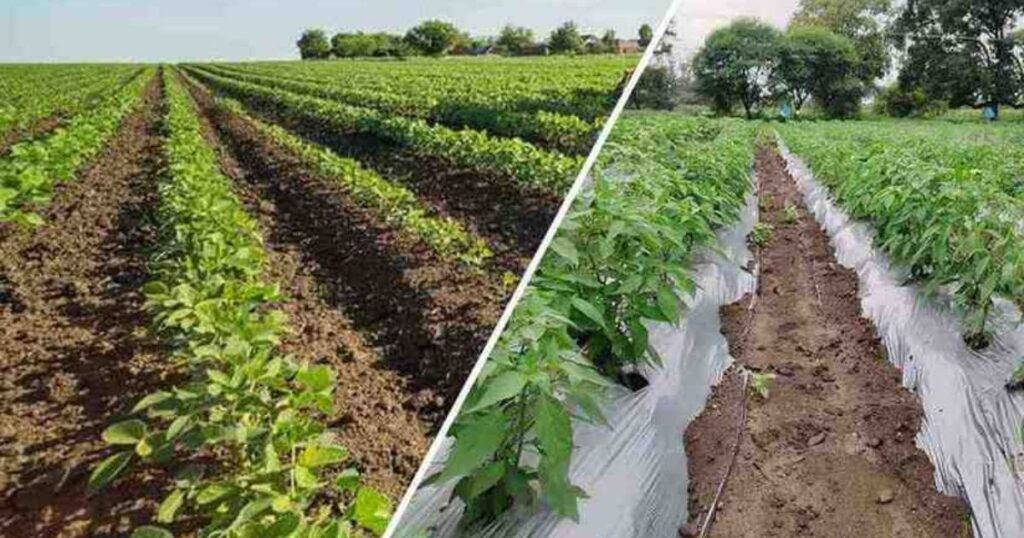
Despite this, sustainable agriculture could reduce dependence on synthetic fertilizers and pesticides, lower greenhouse gas emissions, and improve environmental health. It also helps farmers adapt to drought and climate change.With proper support for agricultural technologies and the widespread adoption of sustainable practices, agriculture could feed the world while protecting natural resources and ensuring long-term food security.
Benefits of Transitioning to Sustainable Agriculture
Transitioning to sustainable agriculture offers a wide range of advantages for farmers, consumers, and the environment. In contrast to traditional farming, which often relies heavily on artificial fertilizers and pesticides, sustainable farming focuses on long-term productivity, environmental health, and the efficient use of natural resources.One of the biggest benefits is improved soil health. Sustainable farming practices include organic farming and crop rotation. Matter use and regenerative practices help improve soil fertility and reduce soil erosion. Over time, this leads to stronger, more resilient land than in conventional farming, where soil degradation is common due to intensive farming and monoculture.Another key advantage is reduced environmental impact. Sustainable farming minimizes water pollution by avoiding the overuse of synthetic pesticides and chemical fertilizers. It also lowers greenhouse gas emissions, helping combat climate change. In contrast, conventional agriculture often increases greenhouse gas emissions through the use of synthetic inputs and large-scale production systems.
Sustainable agriculture also supports biodiversity and ecosystem services. Farmers who employ organic farming practices and avoid dangerous chemicals can protect beneficial insects, Sustainable Soil wildlife, and natural pest control systems. This reduces dependence on external inputs such as fertilizers and pesticides.From an economic perspective, sustainable agriculture can improve long-term profitability. Although the transition may require an initial investment, it reduces the costs of inputs such as fertilizers over time. Farmers can also access premium markets for organic agriculture and safe and nutritious food.Additionally, sustainable agriculture enhances resilience to climate challenges, such as drought. By improving soil structure and water-use efficiency, it ensures stable crop yields even under difficult conditions.Ultimately, sustainable agriculture aims to produce food without compromising the ability of future generations. It creates a balanced agricultural production system that supports environmental sustainability, economic viability, and global food security.
The Role of Technology in Agriculture
Technologies in agriculture play a crucial role in both conventional and sustainable farming systems. Modern agriculture uses advanced tools to improve crop yield, manage pests and diseases, and optimize water use.In conventional agriculture, technology supports the use of synthetic fertilizers and pesticides, precision farming, and intensive farming methods. These innovations help increase agricultural production and efficiency.In sustainable agriculture, technology focuses on improving soil health, reducing inputs such as fertilizers, and enhancing ecosystem services. Tools like smart irrigation systems help conserve water use and prevent soil erosion.
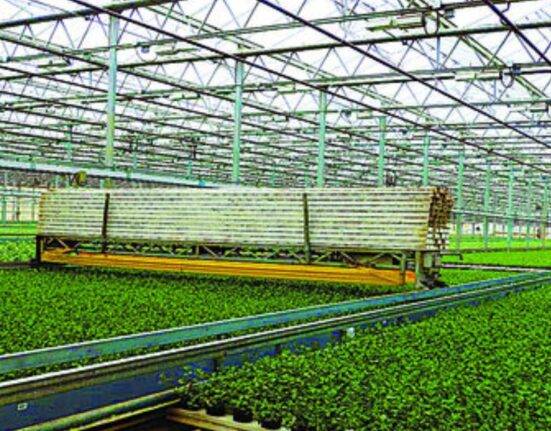
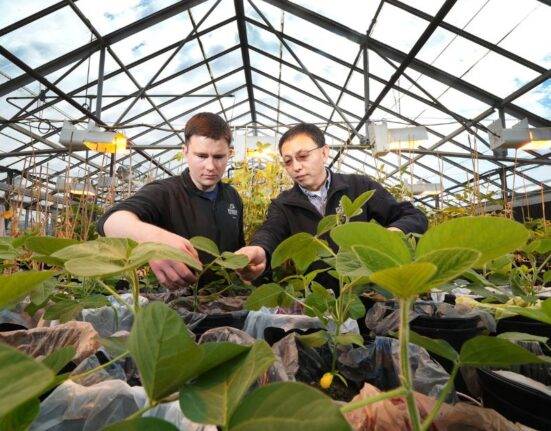
Greenhouse farming is another example where controlled environments improve crop production while reducing environmental impact. These systems can maximize resources and reduce greenhouse gas emissions. use.By integrating technology with sustainable agriculture practices, farmers can increase yield while reducing environmental damage. 3 Big Things Successful Farming Today This balance between innovation and sustainability is key to feeding the world.
Conclusion
The debate between conventional and sustainable agriculture highlights the need for balance in modern agriculture. While conventional farming relies on synthetic fertilizers and pesticides to maximize food production, it often causes environmental issues such as water contamination and soil deterioration.On the other hand, sustainable agriculture focuses on environmental health, biodiversity, and long-term soil fertility. Sustainable agriculture aims to produce food that is both healthy Using Organic Fertilisers and nourishing without sacrificing the capacity of future generations.
Both systems have strengths and limitations. Conventional agriculture ensures high yield and immediate food supply, while sustainable farming provides long-term environmental benefits and resilience.The future lies in combining conventional and sustainable approaches to create a balanced agricultural production system. By adopting sustainable practices, reducing reliance on synthetic inputs, and using advanced technologies, agriculture could feed the world.Ultimately, sustainable agriculture is not just an option; it is a necessity for ensuring global food security and protecting the planet.
FAQ
What is sustainable agriculture?
Sustainable agriculture is an agricultural method that strives to create food. while preserving resources for future generations and safeguarding the environment.while protecting environmental health, improving soil fertility, and conserving natural resources. It focuses on long-term productivity without compromising the ability of future generations.
How is sustainable agriculture different from conventional agriculture?
The main difference is in farming practices. Conventional agriculture often relies on synthetic fertilizers and pesticides. At the same time, sustainable farming uses natural methods like crop rotation, organic matter, and biological pest control to improve soil health and reduce environmental damage.
Can sustainable agriculture feed the world?
Yes, sustainable agriculture could feed the world if widely adopted. While crop yield may be slightly lower in the short term compared to conventional farming, it improves soil fertility, reduces soil degradation, and ensures long-term food production and stability.
Why does conventional farming rely heavily on chemicals?
Conventional farming uses synthetic fertilizers and insecticides to increase agricultural productivity, control pests and diseases, and maximize crop yield. This approach helps produce food quickly but may harm the ecosystem over time.
What advantages does sustainable agriculture have for the environment?
Sustainable agriculture reduces greenhouse gas emissions, prevents water pollution, improves soil health, and supports biodiversity. It also enhances ecosystem services and helps combat climate change.