

Healthy crops depend on balanced soil nutrients. While nitrogen, phosphorus, and potassium often receive the most attention, sulfur is another essential element that plays a crucial role in plant growth and soil health. In modern agriculture, sulfur deficiency is becoming more common due to reduced atmospheric sulfur deposition and intensive farming practices.
Farmers and gardeners who understand how sulfur works in the soil can improve crop productivity, enhance plant quality, and maintain long-term soil sulfur fertility.This guide explains why sulfur is important for crop growth, how it benefits soil and plants, signs of deficiency, and the best ways to apply sulfur for healthier fields and sulfur gardens.
What Is Sulfur in Agriculture?
Sulfur is an essential secondary nutrient required by plants in moderate amounts. It is part of several vital plant processes, including protein formation, enzyme activity, and chlorophyll production. Unlike primary nutrients such as nitrogen or phosphorus, sulfur is needed in smaller quantities, but it is still critical for proper plant development.
Sulfur naturally occurs in soil in organic matter and minerals. It also comes from fertilizers, irrigation water, and atmospheric sources. However, in many farming systems, sulfur levels have declined because modern fertilizers often lack sulfur, and environmental regulations have reduced sulfur emissions into the atmosphere. When soils become deficient in sulfur, plants struggle to produce proteins and enzymes that are needed for Growth, leading to weak plants and lower crop yields.
Why Sulfur Is Important for Crop Growth
 Sulfur is an essential nutrient that plays a vital role in healthy crop growth and soil fertility. It helps plants produce proteins, enzymes, and vitamins that support strong development. Sulfur is also important for chlorophyll formation, which allows plants to carry out photosynthesis efficiently. When crops receive sufficient sulfur, they produce sulfur management greener leaves, stronger stems, and higher yields.
This nutrient also improves nitrogen use in plants, making fertilizers more effective. A sulfur deficiency can lead to pale leaves, slow Growth, and reduced crop quality. By maintaining proper soil sulfur levels, farmers can support healthier plants, improve productivity, and ensure sustainable crop production.
Supports Protein Production
Sulfur is a component of essential amino acids such as cysteine and methionine. These amino acids form the building blocks of plant proteins. Without adequate sulfur, plants cannot efficiently convert nitrogen into proteins. When sulfur levels are balanced, crops utilize nitrogen more effectively. This improves plant growth and ensures that applied fertilizers provide maximum nitrogen benefit.
Improves Chlorophyll Formation
Chlorophyll is the green pigment responsible for photosynthesis. Sulfur plays a role in chlorophyll production, helping plants capture sunlight and convert it into energy. Healthy chlorophyll levels lead to stronger plant growth, greener leaves, nutrient and higher crop elemental sulfur productivity.
Enhances Enzyme Activity
Many plant enzymes require sulfur to function properly. These enzymes regulate metabolic processes, including nutrient absorption, carbohydrate synthesis, and plant defense crop yield systems.Proper sulfur nutrition keeps plant metabolic processes running crop production smoothly.
Boosts Crop Quality
Sulfur contributes to the plant growth flavor, aroma, and nutritional value of many crops. For example:
- Onions and garlic rely on sulfur compounds for their distinctive taste.
- Oilseed crops like canola and mustard require sulfur for oil production.
- Legumes need sulfur for protein synthesis.
Adequate sulfur improves crop quality and market value.
The Role of Sulfur in Soil Health
Sulfur is an essential nutrient that plays a vital role in maintaining healthy soil and supporting strong plant growth. It helps plants produce proteins, enzymes, and vitamins, which are necessary for proper development. Sulfur also improves soil fertility by enhancing microbial activity and aiding in the breakdown of organic matter.
When sulfur levels are balanced, plants can absorb nutrients such as nitrogen more efficiently. In addition, sulfur contributes to better crop quality, stronger roots, and improved resistance to environmental stress. Farmers often add sulfur through fertilizers or organic materials to maintain soil balance and promote sustainable agricultural essential nutrient productivity.
Supports Soil Microbial Activity
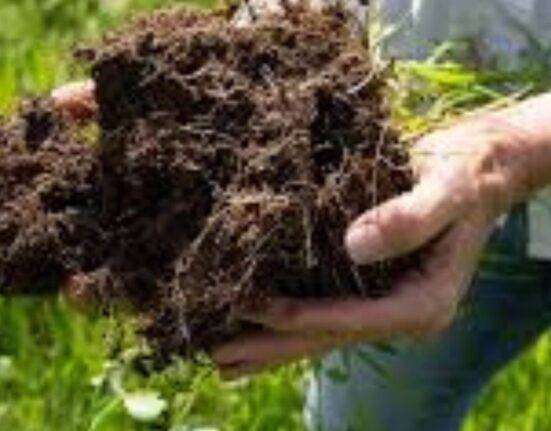
Supporting soil microbial activity is essential for healthy, fertile soil. This process encourages the Growth of beneficial microorganisms that break down organic matter, recycle nutrients, and improve soil structure. Active microbial communities enhance plant nutrient uptake, promote root development, and strengthen natural disease resistance. By fostering a balanced soil ecosystem, farmers and gardeners can maintain long-term soil health, boost crop productivity, and reduce dependence on chemical inputs. Healthy microbes mean healthier plants and a more sustainable growing elemental sulphur environment.
Improves Nutrient Availability
Improving nutrient availability means enhancing plants’ ability to access essential minerals and nutrients in the soil. By optimizing soil conditions, such as pH, organic matter, and microbial activity, nutrients like nitrogen, phosphorus, potassium, and micronutrients become more soluble and absorbable by plant roots. This leads to healthier Growth, higher yields, and greater stress resistance. Techniques such as proper fertilization, composting, and soil amendments can significantly increase nutrient availability for crops and garden soybean plants.
Helps Manage Soil pH
Managing soil pH is crucial for healthy plant growth, and using pH-balancing amendments can make a significant difference. By helping adjust soil acidity or alkalinity, these solutions optimize nutrient availability, improve soil structure, and support beneficial microbial activity. Proper pH management ensures crops absorb essential nutrients efficiently, promoting stronger roots, higher yields, and overall plant vitality. Whether for gardens, farms, or lawns, controlling soil pH creates a stable, fertile deficiency symptoms environment that enhances Growth and long-term soil health.
Signs of Sulfur Deficiency in Crops
Sulfur deficiency in crops can significantly affect plant growth and yield. Common signs include pale yellowing of young leaves, stunted Growth, and thin, spindly stems. Leaves may curl or show interveinal chlorosis, while overall plant vigor declines. In legumes, reduced nodulation and poor nitrogen fixation can occur. Deficient crops often produce smaller, lower-quality seeds and fruits. Early detection and correction with sulfur-containing fertilizers are crucial to restoring healthy Growth and optimizing crop need sulfur productivity.
Yellowing of Young Leaves
Yellowing of Young Leaves occurs when new Growth on elemental plants turns pale or yellow instead of vibrant green. This symptom often indicates nutrient deficiencies, particularly nitrogen, iron, or magnesium, or may result from overwatering, poor soil drainage, or pest damage. Young leaves are especially sensitive, and prolonged yellowing can stunt Growth and reduce photosynthesis. Early detection and corrective measures, such as proper fertilization, adjusted watering practices, or pest control, are crucial for restoring healthy plant development and maintaining overall phosphorus vigor.
Stunted Growth
Stunted Growth refers to the slowed or halted development of plants, often caused by nutrient deficiencies, poor soil quality, pests, diseases, or adverse environmental conditions. Plants affected by stunted Growth typically show shorter stems, smaller leaves, delayed flowering, and reduced yields. Early detection and corrective measures, such as improving soil fertility, proper watering, pest management, and adequate sunlight, are essential to restore healthy Growth and maximize crop productivity. Addressing the sulfur deficiency symptoms underlying causes ensures stronger, more resilient sulfate form plants.
Thin Stems
Sulfur-deficient plants often develop weak stems, making them more susceptible to wind or pest organic matter damage.Crops may take longer to reach maturity when sulfur is lacking.These symptoms are especially common in sandy soils, low-organic-matter soils, and fields with chlorophyll heavy rainfall, where nutrients can leach away.
Crops That Require Higher Sulfur Levels
 Sulfur is an essential nutrient that plays a key role in plant growth, protein formation, and enzyme activity. Some crops require higher sulfur levels to achieve optimal yield and quality. Oilseed crops such as canola, mustard, and sunflower have a particularly high demand for sulfur because it helps produce oils and improves seed development. Legumes like soybeans and peanuts also benefit from adequate sulfur, as it supports nitrogen fixation and protein production.
In addition, crops such as onions, garlic, cabbage, and broccoli rely on sulfur to develop their strong flavor and healthy Growth. Providing sufficient sulfur in the soil helps these crops grow stronger, improves nutrient uptake, and ultimately leads to healthier plants and better potassium harvests.
Examples include:
- Canola
- Mustard
- Sunflower
- Onion
- Garlic
- Cabbage
- Broccoli
- Legumes
- Alfalfa
These crops rely on sulfur for oil production, flavor compounds, or protein formation.
Sources of Sulfur Fertilizers
Sources of Sulfur Fertilizers include both natural and manufactured materials that supply sulfur to the soil for healthy plant growth. Common sources include elemental sulfur, gypsum (calcium sulfate), ammonium sulfate, potassium sulfate, and magnesium sulfate. Organic sources such as manure, compost, and crop residues also per acre add sulfur as they decompose. Industrial by-products from petroleum refining and natural gas processing are major sources of elemental sulfur used in fertilizers.
These sulfur fertilizers help improve soil fertility, enhance nutrient uptake, and support the formation of proteins and enzymes in plants. Choosing the right sulfur source depends on soil conditions, crop needs, and the desired macronutrient speed of sulfur availability for soil fertility plants.
Elemental Sulfur
Elemental sulfur is a concentrated source of sulfur. Soil bacteria convert it into sulfate, the form plants can amounts of sulfur absorb.
Benefits:
- Long-lasting
- Helps reduce soil pH
- Highly concentrated
However, it works slowly because it requires microbial conversion.
Sulfate-Based Fertilizers
Sulfate fertilizers provide sulfur in a form that plants can absorb immediately.
Common sulfate fertilizers include:
- Ammonium sulfate
- Potassium sulfate
- Magnesium sulfate (Epsom salt)
These fertilizers are ideal for correcting sulfur deficiency quickly.
Gypsum
Gypsum (calcium sulfate) supplies both calcium and sulfur. It also improves soil structure in certain soil types.
Gypsum is commonly used in agricultural fields to improve soil conditions and nutrient growing season balance.
Organic Sources
Organic materials such as compost and manure contain sulfur as part of organic matter. As microbes break down these materials, sulfur becomes available to uptake plants.Organic amendments also improve soil structure and water leach retention.
Best Practices for Applying Sulfur

Applying sulfur effectively is essential for improving soil fertility and supporting healthy crop atmospheric deposition growth. The best practice is to conduct a soil test first to determine sulfur deficiency and the correct application rate. Farmers should apply sulfur in forms such as elemental sulfur, gypsum, or sulfate-based fertilizers, depending on soil needs. Incorporating sulfur into the soil before planting helps ensure better nutrient availability for plants.
It is also important to apply sulfur evenly across the field and follow recommended rates to avoid over-application. Additionally, combining sulfur with balanced fertilization and proper irrigation enhances its effectiveness, promoting stronger plant development and higher crop yields.
Conduct Soil Testing
Before applying sulfur fertilizers, it is important to test the soil. Soil tests reveal existing nutrient levels and sulfur fertilizer help determine the correct application rate. This prevents over-application and saves money on fertilizers.
Apply Sulfur with Other Nutrients
Sulfur often works crop nutrition best when applied together with nitrogen or other nutrients. Balanced fertilization supports complete plant nutrition. For example, ammonium sulfate provides both nitrogen and sulfur.
Apply at the Right Time
Sulfur should be applied before or during planting to ensure it is available during early plant sulfur management growth. Slow-release sulfur sources should be applied earlier because they take time to convert into plant-available sulfur in crop production forms.
Monitor Soil Moisture
Soil moisture influences sulfur availability. Adequate moisture helps microbes convert elemental sulfur into sulfate. Dry soils may slow this understanding sulfur process.
Environmental Benefits of Sulfur Use
Sulfur plays an important role in improving soil health and supporting environmentally friendly farming. It helps balance soil pH, making nutrients more available for plants and reducing the need for excessive chemical fertilizers. Sulfur also supports beneficial soil microorganisms that break down organic matter and improve soil structure.
By enhancing nutrient efficiency, sulfur can reduce nutrient runoff into waterways, helping protect rivers and ecosystems. In addition, sulfur improves plant growth and crop quality, leading to healthier yields with fewer inputs. When used responsibly, sulfur contributes to sustainable agriculture by promoting fertile soil, stronger crops, and a cleaner environment for future generations.
Improved Nutrient Efficiency
Balanced sulfur levels help crops utilize nitrogen more efficiently. This reduces nitrogen losses through leaching and volatilization. When nutrients are balanced, farmers can use fertilizers more effectively, reducing excess nutrient runoff into water systems.
Healthier Soil Ecosystems
Sulfur supports soil microorganisms that maintain soil fertility and organic matter fourth major crop nutrient decomposition.These factors contribute to long-term soil sustainability.
Sulfur in Sustainable Farming Systems
 Sulfur in Sustainable Farming Systems plays a vital role in improving soil fertility, plant growth, and overall crop productivity. As an essential plant nutrient, sulfur helps plants produce proteins, enzymes, and chlorophyll, which are necessary for healthy development. In sustainable farming, maintaining balanced sulfur levels supports strong root systems and enhances resistance to stress and disease.
Farmers often add sulfur through organic matter, compost, gypsum, or elemental sulfur to improve soil quality and nutrient availability. It also helps balance soil pH and increases the efficiency of other nutrients, such as nitrogen and phosphorus. By supporting soil health and crop quality, sulfur contributes to long-term agricultural sustainability and environmentally friendly farming practices.
Regenerative Agriculture
In regenerative farming, maintaining balanced soil nutrients supports soil health and biodiversity. Sulfur contributes to nutrient cycling and plant vitality. Organic systems rely heavily on natural nutrient sources such as compost, manure, and gypsum. These materials provide sulfur while improving soil structure.
Precision Agriculture
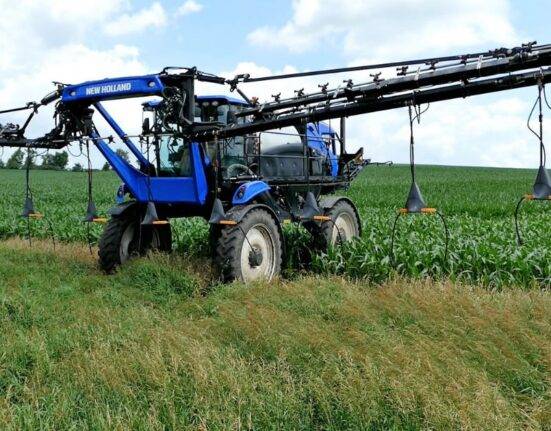
Advanced farming technologies enable farmers to apply nutrients, such as sulfur, precisely where importance of sulfur they are needed. This improves efficiency and reduces environmental sulfate sulfur impact.
Challenges of Sulfur Management
Sulfur management in agriculture presents several challenges, including maintaining the right soil balance, preventing deficiencies that reduce crop yield, and avoiding excess that can harm plants. Environmental factors, variable soil types, and interactions with other nutrients complicate precise application.
Farmers must monitor sulfur levels carefully to ensure optimal plant growth and sustainable soil health while minimizing costs and environmental impact. Effective management requires knowledge, proper timing, and suitable fertilizers to overcome these challenges and support consistent crop production.
Soil Variability
Different soils contain varying sulfur levels. Sandy soils often lose sulfur quickly through leaching, while clay soils may retain it longer. Heavy rainfall can wash sulfate away from the root zone, especially in lighter sulphur institute soils.
Interaction with Other Nutrients
Too much sulfur can interfere with nutrient balance. Over-application may also lower soil pH excessively.Proper soil testing and balanced fertilization help avoid these issues.
Practical Tips for Farmers and Gardeners
Here are simple ways to improve sulfur management in crops:
- Test soil regularly to monitor sulfur levels.
- Use sulfur-containing fertilizers when needed.
- Add organic matter such as compost or manure.
- Rotate crops to maintain soil fertility.
- Monitor crop symptoms for early signs of deficiency.
These steps help maintain balanced soil nutrition and support healthy crop growth.
The Future of Sulfur in Agriculture
As farming systems continue to intensify, sulfur management will become even more important. Reduced atmospheric sulfur deposition means farmers must actively supply this nutrient through fertilizers or organic sources.
Advances in soil testing, precision agriculture, and nutrient management strategies are helping farmers apply sulfur more efficiently. Researchers are also studying improved fertilizer formulations that deliver sulfur alongside other essential nutrients.These innovations will help ensure that crops receive balanced nutrition while protecting soil health and environmental quality.
Conclusion:
Sulfur is an essential nutrient that plays a vital role in crop growth and soil health. It supports protein formation, chlorophyll production, enzyme activity, and overall plant development. Sulfur also improves soil microbial activity, nutrient availability, and soil structure.
Because sulfur deficiency is becoming more common in modern agriculture, farmers and gardeners must pay closer attention to sulfur management. Soil testing, balanced fertilization, and proper fertilizer selection can help maintain optimal sulfur levels.
FAQ:
What is Sulfur, and why is it Important for Crops?
Sulfur is an essential macronutrient required by plants for protein synthesis, enzyme activation, and chlorophyll formation. It improves crop growth, yield, and quality by supporting healthy leaf development and strong root systems.
How do I know if my Soil needs Sulfur?
A soil test is the most reliable method. Sandy soils and soils with high rainfall often lose sulfur through leaching and may require supplementation.
Are there Environmental Considerations for Using Sulfur?
Excess sulfur can lead to soil acidification and runoff into waterways. Use the correct application rates and follow local agricultural guidelines.
How does Sulfur Benefit soil Health?
Sulfur helps balance soil pH, improves nutrient availability (especially nitrogen and phosphorus), and enhances microbial activity. Sulfur-rich soils promote stronger plant growth and reduce susceptibility to diseases.
Which Crops need Sulfur the Most?
Crops like canola, cruciferous vegetables (cabbage, broccoli), onions, garlic, legumes, and corn often have higher sulfur requirements. Deficiency can reduce yield, protein content, and crop quality.