
Silkie chickens are one of the most fascinating and beloved poultry breeds in the world. Known for their fluffy, silk-like feathers and gentle personalities, Silkies stand out in any backyard flock. Whether you’re a beginner poultry keeper, a hobby farmer, or simply a chicken enthusiast, the Silkie chicken offers a unique combination of beauty, temperament, and usefulness.
In this complete guide, we’ll explore everything you need to know about Silkie chickens—from their unusual features and history to feeding, housing, health care, and breeding tips. By the end, you’ll understand why Silkies are so popular and how to care for them successfully.
What Is a Silkie Chicken?
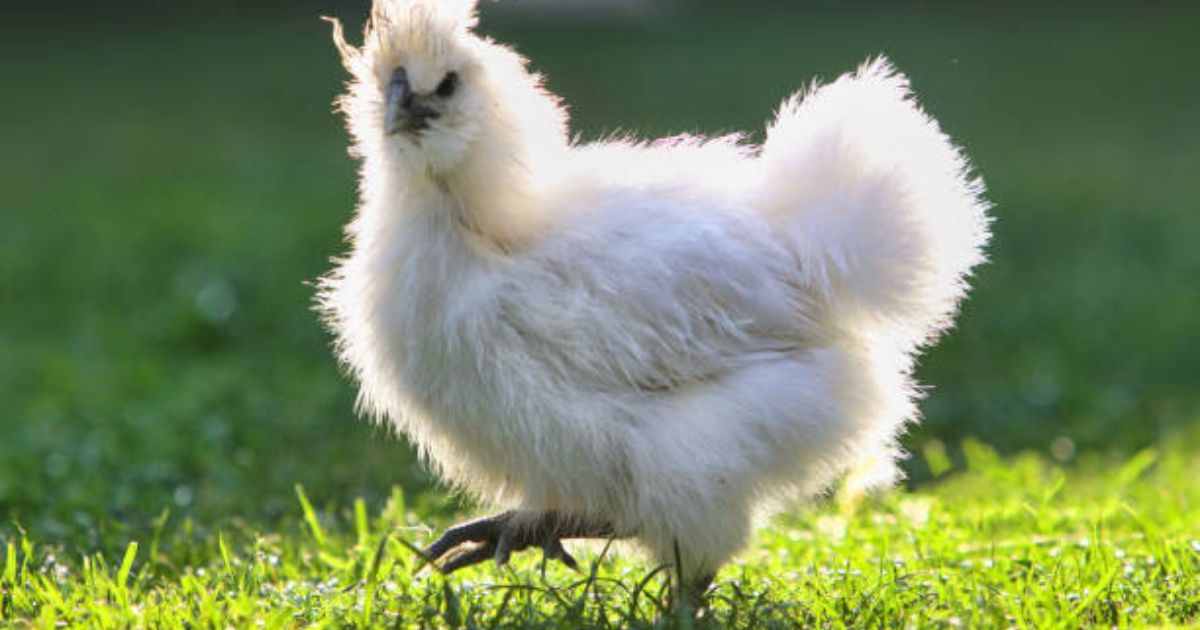
The Silkie chicken is a distinctive breed best known for its soft, fur-like plumage and egg-laying rather than traditional feathers. Unlike most chickens, Silkies lack functioning barbicels in their feathers, which gives them their signature fluffy bantam silkie lifespan appearance.
Silkies are considered a bantam-type breed, though larger standard versions also exist. They are primarily kept for ornamental purposes, companionship, brooding, and cultural significance rather than for high meat or egg production.
Origin and History of Silkie Chickens
 It is thought that silkie chickens first appeared in ancient China, with records dating back over 1,000 years. They were often referred to as “Chinese silk chickens” or “wool chickens” due to their unique plumage.
The famous explorer Marco Polo reportedly described a “furry chicken” during his travels in Asia in the 13th century. Silkies were later introduced to Europe and eventually to North America, where they gained popularity among poultry keepers and exhibition breeders. In many Asian cultures, Silkie chickens are valued for traditional medicine and cuisine, while in Western countries, they are mostly kept as ornamental or backyard silkie bantam pets.
Unique Features of Silkie Chickens
Silkie chickens are one of the most distinctive poultry breeds in the world, instantly recognized for their soft, fur-like feathers that feel more like silk than typical plumage. Unlike most chickens, Silkies have black skin, dark bones, and even bluish earlobes, giving them an exotic appearance. They are also known for having five toes instead of the usual four, a rare trait among chicken breeds.
Silkies are exceptionally calm, friendly, and broody, making them excellent mothers and popular choices for backyard flocks. Their gentle temperament allows them to mix well with other birds. Although they are not prolific egg layers, their unique look and sweet nature make them a favorite among poultry lay enthusiasts.
Silky, Fluffy Feathers
The most iconic feature of Silkie chickens is their soft, hair-like feathers. Unlike normal chicken feathers, Silkie feathers do not interlock, creating a plush, cotton-like flock appearance.
Key points:
- Feels more like fur than feathers
- Provides poor insulation against rain and cold
- Requires extra care in wet climates
Black Skin and Bones
Another rare trait is their black skin, bones, and connective tissue, a condition known as fibromelanosis.
This feature:
- Is genetically inherited
- Makes Silkies unique among chicken breeds
- It is highly valued in Asian culinary traditions
Blue Earlobes
Most chickens have red or white earlobes, but Silkies are known for their turquoise or blue earlobes, which add to their exotic appearance.
Five Toes Instead of Four
Unlike most chickens, which have four toes, Silkie chickens have five toes on each foot, a rare trait shared by only a few other breeds.
Crested Head and Walnut Comb
Silkies have:
- A rounded crest of feathers on their head
- A walnut-shaped comb, which is dark purple or black
These features contribute to their ornamental value but can also limit visibility if the crest grows too large.
Silkie Chicken Temperament and Behavior
 Silkie chickens are best known for their exceptionally calm, gentle, and friendly temperament. They are naturally docile birds that enjoy human interaction, making them ideal for families, beginners, and backyard flocks. Silkies are rarely aggressive and often become quite tame, especially when handled regularly from a young age. Their quiet nature means they are less likely to cause noise issues, even in close neighborhoods.
Silkies tend to be curious but not overly active, preferring to stay close to their broody coop and flock mates. They are also famously broody, showing strong nurturing instincts and often caring for eggs from other breeds. Overall, Silkie chickens are affectionate, peaceful, and easygoing companions in any bird poultry setup.
Personality Traits
- Very tame and easy to handle
- Ideal for families and children
- Rarely aggressive
- Enjoy human interaction
Because of their calm demeanor, Silkies are often bullied by more assertive breeds. It’s best to keep them with similarly gentle chickens.
Egg Production: What to Expect
Egg production varies by breed, age, diet, and care, but understanding the basics helps set realistic expectations. Most productive laying birds begin producing eggs between 18 and 24 weeks of age. During peak laying seasons—usually spring through early summer—you can expect consistent output, often 4–6 eggs per week from good layers. Proper nutrition, including balanced protein and calcium, plays a significant role in shell quality and frequency.
Clean water, adequate daylight (12–14 hours), and low stress also support steady laying. Egg size and color may vary, especially early on. As birds age, production gradually declines, but with good management, reliable egg laying can continue for several years.
Egg Details
- Egg color: Cream to light brown
- Egg size: Small to medium
- Annual production: 100–120 eggs per year
They tend to lay fewer eggs during winter and when broody.
Broodiness: Excellent Natural Mothers
Broodiness is a highly valued trait in poultry, especially among heritage duck and chicken breeds. Broody females instinctively sit on their eggs, keeping them warm and protected until they hatch. During this period, they show strong maternal dedication, rarely leaving the nest except for food and water. Once the eggs hatch, these excellent natural mothers continue to care for their young by guiding them to food, keeping them warm, and protecting them from potential threats.
This natural parenting reduces the need for incubators and brooder equipment, making broodiness especially beneficial for small-scale and backyard farmers. Birds with strong brooding instincts help ensure higher chick or duckling survival through attentive, hands-on care.
Why Silkies Are Great Brooders
- Sit patiently on eggs
- Hatch eggs reliably
- Care well for chicks
- Can brood eggs from other breeds or even ducks
Many poultry keepers keep Silkies specifically as surrogate mothers.
Housing Requirements for Silkie Chickens
 Silkie chickens, like all chickens, need safe, dry, and well-ventilated housing to stay healthy and comfortable. Because their fluffy feathers are not waterproof, the coop must protect them from rain, dampness, and cold drafts. A clean, dry floor with soft bedding, such as straw or wood shavings, helps prevent foot silkie chicken eggs problems.
Provide low roosts or ground-level perches, as Silkies are poor flyers. Good ventilation is essential, but avoid direct airflow on the birds. Secure fencing and predator-proof doors are important since Silkies are gentle and vulnerable. Adequate space, nesting boxes, and regular cleaning ensure a stress-free environment where Silkie chickens can thrive and remain productive year-round.
Coop Design Tips
- Keep the coop dry and well-ventilated
- Avoid high perches (Silkies can’t fly well)
- Provide clean, dry bedding (pine shavings or straw)
- Ensure protection from predators
Space Requirements
- Coop space: 3–4 square feet per bird
- Run space: 8–10 square feet per bird
Climate Considerations
Climate considerations play a crucial role in planning and decision-making across agriculture, construction, and environmental management. Understanding local temperature ranges, rainfall patterns, humidity levels, and seasonal variations helps determine suitable crops, building materials, and resource use strategies. Climate factors also influence soil health, water availability, pest pressure, and energy silky chickens consumption.
As climate change increases weather extremes such as droughts, floods, and heatwaves, adaptation practices become essential for long-term silkie chicks sustainability. By analyzing climate data and anticipating future trends, individuals and organizations can reduce risks, improve efficiency, protect ecosystems, and build resilient systems that perform well under changing environmental how long do silkie chickens live conditions.
Cold Weather Care
- Use draft-free coops
- Add extra bedding in winter
- Avoid wet conditions
Hot Weather Care
- Provide shade and ventilation
- Ensure constant access to fresh water
- Watch for heat stress
Feeding and Nutrition Guide
Feeding and Nutrition Guide: Proper nutrition is the foundation of healthy growth and productivity for both animals and plants. This guide covers essential dietary needs, feeding schedules, portion control, and nutrient balance to ensure optimal health. Learn how to choose the proper feed, supplements, and natural sources of vitamins and minerals.
Whether you’re raising livestock, poultry, or cultivating crops, understanding nutritional requirements can prevent deficiencies, boost immunity, and enhance performance. Follow these guidelines to promote well-being, longevity, and sustainable growth.
Basic Diet
- Chick starter: 18–20% protein
- Grower feed: 16–18% protein
- Layer feed: 16% protein with calcium
Supplements
- Crushed oyster shells for laying hens
- Grit for digestion
- Occasional treats (vegetables, grains, insects)
Avoid overfeeding treats, as Silkies can easily gain weight.
Health and Common Problems
Maintaining good health is essential for a fulfilling life, yet many individuals face common health problems that affect daily well-being. Issues such as fatigue, stress, obesity, digestive disorders, and minor infections can disrupt everyday routines if not addressed promptly. Understanding preventive measures, healthy habits, and early detection is crucial to managing these challenges effectively.
Regular exercise, balanced nutrition, adequate sleep, and routine medical check-ups play a vital role in minimizing risks. Awareness and proactive care help ensure long-term physical and mental health wellness.
Common Health Concerns
- Mites and lice (due to fluffy feathers)
- Respiratory issues in damp environments
- Vision problems from overgrown crests
Health Tips
- Perform regular health checks
- Keep the coop clean and dry
- Trim crest feathers if they block vision
- Use dust baths to prevent parasites
Grooming and Maintenance
Grooming and maintenance are essential practices for ensuring the health, hygiene, and well-being of pets, livestock, and even plants. Regular grooming, such as brushing, trimming, and bathing, helps prevent skin issues, matting, and parasites, while promoting a clean, polished appearance. Maintenance includes routine checks, cleaning, and care that extend the lifespan and functionality of living beings or equipment.
Together, these practices not only enhance aesthetics but also support overall health, comfort, and productivity, making them vital for responsible care and management.
Grooming Needs
- Occasional feather trimming
- Cleaning muddy feathers
- Regular parasite checks
Unlike show birds, backyard Silkies don’t need frequent bathing unless extremely dirty.
Breeding Silkie Chickens
 Breeding Silkie chickens is a rewarding endeavor for poultry enthusiasts seeking unique, friendly birds. Known for their fluffy plumage, black skin, and gentle temperament, Silkies are ideal for backyard flocks and show purposes. Successful breeding involves selecting healthy, well-tempered adults, maintaining proper nutrition, and providing a safe, clean nesting area.
Incubation can be done naturally by broody hens or artificially with an incubator. With careful attention to genetics, care, and environment, breeders can produce healthy, striking Silkies, preserving their distinctive appearance and calm, affectionate nature for generations.
Breeding Tips
- Maintain a ratio of 1 rooster to 6–8 hens
- Choose healthy birds with correct traits
- Separate breeding pairs if needed
Hatch Rate
Silkies typically have high hatch success rates, especially when brooded naturally.
Raising Silkie Chicks
Silkie chicks are one of the most charming and unique poultry breeds, known for their fluffy plumage, gentle temperament, and friendly nature. Raising Silkie chicks is ideal for beginners and seasoned poultry keepers alike, as they are hardy, easy to care for, and adapt well to small backyard coops.
They thrive on a balanced diet, clean water, and safe, warm housing. Regular handling from a young age helps them become social and affectionate. With proper care, Silkies grow into beautiful, docile birds, perfect for pets, shows, or small-scale egg production.
Chick Care Basics
- Use a brooder with consistent heat
- Provide chick starter feed
- Keep bedding dry
- Protect from drafts
Silkie chicks feather more slowly than other breeds, so they need warmth for longer.
Are Silkie Chickens Good for Beginners?
Silkie chickens are an excellent choice for beginners due to their gentle, friendly nature and ease of care. Known for their fluffy, soft feathers and calm temperament, Silkies are outstanding for families and small backyard flocks. They are hardy birds that adapt well to confinement and free-ranging, requiring basic shelter, food, and water.
Silkies lay fewer eggs but are exceptional brooders, often used to hatch eggs from other breeds. Their low-maintenance personality, unique appearance, and affectionate behavior make them a perfect starter breed for anyone new to raising chickens.
Pros for Beginners
- Friendly and calm
- Easy to handle
- Great brooders
- Low aggression
Potential Challenges
- Lower egg production
- Extra care in wet climates
- Vulnerable to predators
Uses of Silkie Chickens
 Silkie chickens are a unique and cherished breed, prized for their gentle temperament and distinctive fluffy plumage. Beyond their ornamental appeal, they serve multiple practical uses. Silkies are excellent pets and backyard companions, known for being friendly with children and other animals. They are also valued for their surprisingly good egg-laying abilities, providing small, delicate eggs.
In addition, Silkies are often used in gourmet cooking, especially in traditional Asian recipes, for their tender meat. Their docile nature makes them ideal for small-scale farms, educational purposes, and hobbyists seeking a charming, versatile chicken breed.
Common Uses
- Ornamental and show birds
- Backyard pets
- Broody hens for hatching eggs
- Cultural and traditional dishes
Tips for Successfully Raising Silkie Chickens
- Keep them dry at all times
- House them with calm breeds
- Monitor feather condition
- Protect from predators
- Provide balanced nutrition
Conclusion:
Silkie chickens are genuinely one of the most unique and rewarding poultry breeds. While they may not be the best choice for high egg production or harsh climates, they excel as pets, broody hens, and ornamental birds.
Their calm personalities, striking appearance, and nurturing instincts make them a favorite among backyard chicken raisers. worldwide. With proper care, housing, and attention, Silkie chickens can thrive and bring charm and companionship to any flock. If you’re looking for a chicken that’s as lovable as it is unusual, the Silkie chicken might be the perfect choice for you.
FAQ:
What is a Silkie chicken?
Silkie chickens are a distinctive breed known for their fluffy, fur-like feathers, calm temperament, and unique appearance. Originating from China, they are often kept as pets, exhibition birds, and for small-scale egg production.
How big do Silkie chickens grow?
Silkies are a small breed. Adult males (roosters) typically weigh 2–3 pounds, while females (hens) weigh 1.5–2.5 pounds. They are considered bantam-sized, though standard sizes exist in some lines.
What is the egg-laying capacity of Silkies?
Silkie hens lay small, cream-colored eggs. On average, they produce 100–120 eggs per year, making them more ornamental than prolific egg layers.
How long do Silkies live?
With proper care, Silkies can live 7–9 years on average. Some may live for over a decade if kept healthy and safe from predators.
Are Silkies hardy in all climates?
Silkies are more susceptible to cold and wet weather because their fluffy feathers don’t repel water well. Extra care is needed in rainy or winter conditions, such as insulated coops and dry bedding.