

To feed the world, agriculture is essential. Supporting livelihoods and shaping landscapes. However, modern farming systems have also contributed to serious environmental challenges, including soil degradation, biodiversity loss, water pollution, and climate change. As these problems intensify, a growing number of farmers, scientists, and policymakers are seeking solutions that extend beyond sustainability. One such solution is regenerative agriculture.
Regenerative agriculture encompasses more than just farming practices. Techniques—it is a holistic approach that focuses on restoring natural ecosystems while producing healthy food. By improving soil health, enhancing biodiversity, and strengthening resilience to climate change, regenerative agriculture offers a promising path toward a more sustainable and secure food system. This article explores what regenerative agriculture is, how it functions, and its significance for farmers, consumers, and the planet.
What Is Regenerative Agriculture?
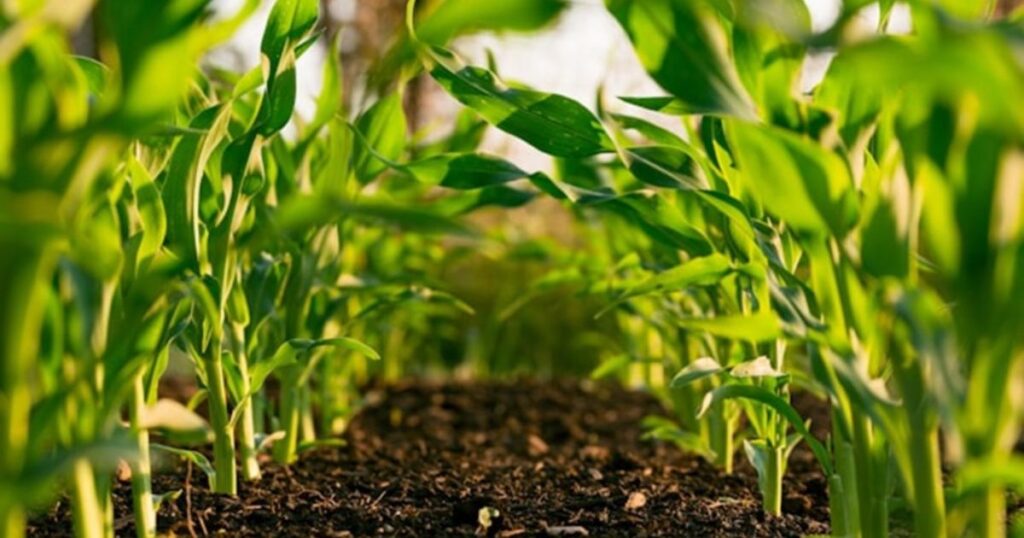 Regenerative agriculture refers to farming and land management practices designed to regenerate and revitalize the soil, ecosystems, and communities involved in food production. In contrast to traditional agriculture, which often relies heavily on chemical inputs and intensive land use, regenerative agriculture harnesses natural processes to restore soil fertility and maintain ecological balance on the farm.
At the heart of regenerative agriculture is the idea that soil is a living system. Healthy soils are rich in microorganisms, fungi, insects, and organic matter that support plant growth and nutrient cycling. Regenerative farming aims to enhance this living system rather than deplete it. Although there is no single, universal definition, regenerative agriculture generally seeks to achieve outcomes such as improved soil health, increased biodiversity, better water management, and reduced greenhouse gas emissions in the soil.
The Origins of Regenerative Agriculture
While the term “regenerative agriculture” is relatively modern, its principles are deeply rooted in traditional farming systems that have been practiced for centuries. Indigenous communities around the world have long used methods such as crop rotation, mixed cropping, composting, and managed grazing to maintain healthy land.
In the 20th century, concerns about soil erosion and declining fertility brought renewed attention to soil-centered farming. The 1930s Dust Bowl highlighted the consequences of poor land management, prompting researchers and farmers to explore more resilient approaches to land management. Over time, these ideas evolved into organic, conservation, and eventually regenerative agriculture farmer movements.
Today, regenerative agriculture combines traditional knowledge with modern science to address the challenges of contemporary soil health and food production.
Core Principles of Regenerative Agriculture
Regenerative agriculture is guided by principles that work with nature to restore and strengthen farming ecosystems. At its core is the improvement of soil health through practices such as minimal tillage, composting, and cover cropping, which increase organic matter and enhance soil life. Biodiversity is encouraged by integrating diverse crops, livestock, and beneficial organisms, creating resilient and balanced systems.
Maintaining living roots in the soil year-round helps prevent erosion and improves nutrient cycling. Efficient water management enhances infiltration and reduces runoff, strengthening farmers’ resistance to the effects of climate change. Ultimately, regenerative agriculture emphasizes holistic land stewardship, promoting long-term productivity, environmental sustainability, and healthier food systems for both people and the planet.
Building Healthy Soil
Building healthy soil is the foundation of productive farming crops and sustainable ecosystems. Healthy soil supports strong plant growth by providing essential nutrients, retaining moisture, and encouraging beneficial microorganisms. Practices such as adding organic matter, reducing chemical inputs, rotating crops, and minimizing soil disturbance help improve soil structure and fertility. Well-managed soil also enhances water infiltration, reduces erosion, and captures carbon, contributing to climate resilience. By focusing on soil health, farmers and gardeners can grow more resilient crops, protect biodiversity, and ensure long-term agricultural productivity while preserving the natural balance of the environment.
Minimizing Soil Disturbance
Minimizing Soil Disturbance is a core principle of sustainable and regenerative agriculture. It focuses on reducing physical disruption of the soil through practices such as no-till or low-till farming. By leaving soil structure intact, beneficial microorganisms, earthworms, and organic matter can thrive. This improves soil fertility, enhances water infiltration, and reduces erosion. Minimizing disturbance also helps store carbon in the soil, contributing to climate resilience. Over time, healthier soil in an ecosystem supports stronger root systems, increases crop productivity, and reduces the need for chemical inputs, making farming more environmentally friendly and economically sustainable.
Keeping Soil Covered
Keeping soil covered is a core practice in sustainable and regenerative agriculture that protects the soil surface from erosion, moisture loss, and extreme temperatures. By using cover crops, mulch, crop residues, or living plants, farmers protect the soil from wind and rain while improving its structure. Continuous cover feeds beneficial microorganisms, increases organic matter, and supports nutrient cycling. It also suppresses weeds and reduces the need for chemical inputs.
Increasing Biodiversity
Diversity is essential for resilient ecosystems. Regenerative agricultural practices promote crop diversity, intercropping, and the integration of livestock to improve nutrient cycling and reduce pest and holistic disease pressure.
Integrating Livestock Responsibly
Livestock play a crucial role in regenerative systems when properly managed. Rotational grazing mimics natural grazing patterns, enhances pasture health, and replenishes soil nutrients through restoring manure.
Key Practices in Regenerative Agriculture
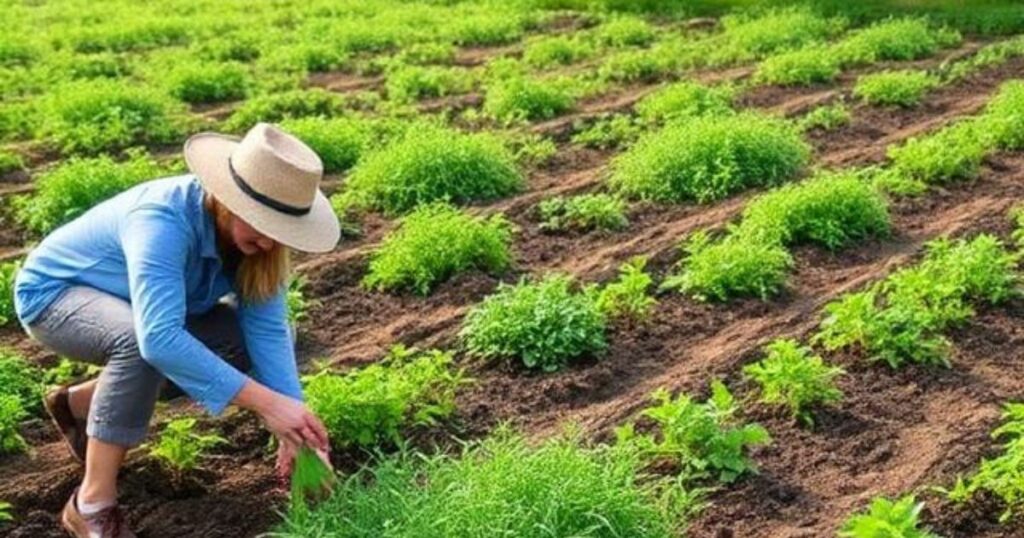 Regenerative agriculture focuses on restoring soil health, enhancing biodiversity, and strengthening farm ecosystems. Key practices include minimizing soil disturbance through reduced- or no-till farming, which protects the soil’s structure and beneficial organic matter and microorganisms. Cover cropping is widely used to prevent erosion, improve soil fertility, and retain moisture. Crop rotation and diversification help break pest cycles and improve nutrient balance.
Integrating livestock through managed grazing returns organic matter to the soil and stimulates plant growth. Composting and organic amendments enrich soil with natural nutrients while reducing reliance on synthetic inputs. Together, these practices work to rebuild resilient soils, increase carbon sequestration, and create productive, sustainable agricultural systems that benefit both the environment and food system farmers.
Cover Cropping
Cover Cropping is an agricultural practice where specific plants, known as cover crops, are grown. The primary purpose of growing cover crops is to enhance and preserve the soil, rather than for direct harvest. These crops, such as clover, rye, or legumes, help reduce weed growth, improve soil fertility, prevent soil erosion, and enhance water retention. By incorporating organic debris and promoting the development of beneficial microorganisms through cover crops, ranchers enhance soil health and structure.
They also contribute to sustainable farming by minimizing nutrient runoff and reducing the use of chemical fertilizers. Overall, cover cropping is an eco-friendly strategy that supports long-term productivity and resilience in agriculture, thereby improving soil health and overall systems.
Crop Rotation and Intercropping
Crop Rotation and Intercropping involve strategic planting methods that help improve soil health and increase agricultural output. Growing various crops one after the other is known as crop rotation. Sequentially, on the same land, which helps prevent soil nutrient depletion, reduces the buildup of pests and diseases, and improves soil structure.
Intercropping involves cultivating two or more crops simultaneously in the same field, maximizing space, improving biodiversity, and reducing weed growth. Together, these techniques promote sustainable farming by maintaining soil fertility, minimizing chemical inputs, and increasing overall yield. They are essential tools for farmers aiming for efficient, eco-friendly, and resilient agricultural productivity systems.
Reduced or No-Till Farming
No-till or low-till systems help preserve grassland soil structure, retain moisture, and promote regenerative agriculture, which in turn helps sequester carbon in the soil through the accumulation of regenerative organic matter.
Composting and Organic Amendments
Adding compost, agriculture builds manure or plant residues, which provide nutrients for crops while feeding soil-sustaining microorganisms in sustainable practices such as cover cropping.
Agroforestry
Agroforestry combines trees with crops or livestock. Trees enhance biodiversity, regenerative agriculture stabilizes soil, and resources for regenerative agriculture store carbon. Healthy soil provides additional income from cover cropping sources.
Regenerative Agriculture vs. Conventional and Sustainable Farming
Conventional agriculture often prioritizes short-term productivity by using synthetic fertilizers, pesticides, and pest management methods. While effective in increasing yields, this approach can degrade soil and ecosystems over the entire supply chain.
Sustainable agriculture aims to minimize environmental harm while maintaining productivity. By actively rebuilding soil, regenerative agriculture goes one step further. Instead of merely sustaining current conditions, it seeks to improve the definition of regenerative agriculture over time.
Why Regenerative Agriculture Matters
 Regenerative agriculture matters because it restores the health of the land while producing food sustainably for future generations. Unlike conventional farming, it focuses on rebuilding agricultural practices to improve soil fertility, increase biodiversity, and enhance water retention through techniques that include reduced tillage, cover crops, crop rotation, and holistic grazing management. These methods help capture carbon from the atmosphere, lower greenhouse gas emissions, and strengthen farm resilience to climate change.
Regenerative agriculture also supports farmers by lowering input costs and improving long-term productivity. By strengthening ecosystems rather than depleting them, regenerative agriculture creates a balanced relationship between food production, environmental protection, and rural livelihoods—making it a vital solution for a sustainable and secure food system for farmers and ranchers.
Climate Change Mitigation
Healthy soils have the capacity to store large amounts of carbon. Through photosynthesis, plants capture carbon dioxide from the atmosphere and convert it into organic matter, which is then transferred into the soil. Regenerative practices enhance this advanced regenerative agriculture process, helping reduce greenhouse gas emissions.
Soil Restoration
Soil degradation threatens global food security. Regenerative agriculture rebuilds soil organic matter, improving fertility and productivity while reducing soil erosion across 7 million acres.
Biodiversity Conservation
Regenerative farms support a diverse range of practices and a diverse array of plant and animal life. Increased biodiversity strengthens regenerative agriculture practices, ecosystem stability in California, and reduces reliance on chemical farming inputs.
Water Management
Healthy soils absorb and retain water more effectively through regenerative practices, reducing runoff and improving drought resilience. This helps protect water resources and reduce “regenerative agriculture from conventional practices that enhance risks.
Farmer Resilience and Profitability
By reducing the dependence of a set of principles on expensive inputs and improving soil productivity, regenerative farming practices, such as no-till, can enhance farm resilience and long-term organic farming profitability.
Challenges Facing Regenerative Agriculture
Regenerative agriculture faces several challenges despite its promise for environmental and economic sustainability. One major obstacle is the high initial transition cost, as farmers may need to invest in new crop rotation equipment, undergo training, and dedicate time to rebuilding soil health before they can realize profits. Limited access to technical knowledge and region-specific guidance can also slow the adoption of management practices.
Additionally, short-term yield uncertainty discourages farmers who rely on consistent production for their income. Policy and market systems often favor conventional practices, offering fewer incentives for regenerative methods. Measuring outcomes such as soil carbon sequestration and biodiversity improvement remains complex, making it harder to prove benefits. Finally, consumer awareness and demand for regeneratively produced food are still in development, which limits market rewards.
Lack of Standardization
The absence of a universal definition or building soil health certification can lead to miscommunications and make it difficult to verify claims. Confirm claims. Farmers transitioning to regenerative systems may experience short-term yield declines and require financial and technical support to enhance soil organic matter in regenerative agriculture.
Knowledge and Training Needs
Regenerative agriculture requires understanding complex ecological systems. Access to principles and practices, education, and extension services is essential for conventional agriculture and regenerative agriculture.
The Role of Consumers and Policy
Consumers can support regenerative agriculture by choosing products from farms operated by regenerative farmers and ranchers, supporting local food systems, and advocating for sustainable agricultural policies. Governments can encourage adoption through incentives, research funding, and help farmers with education on natural resources programs.
The Future of Regenerative Agriculture
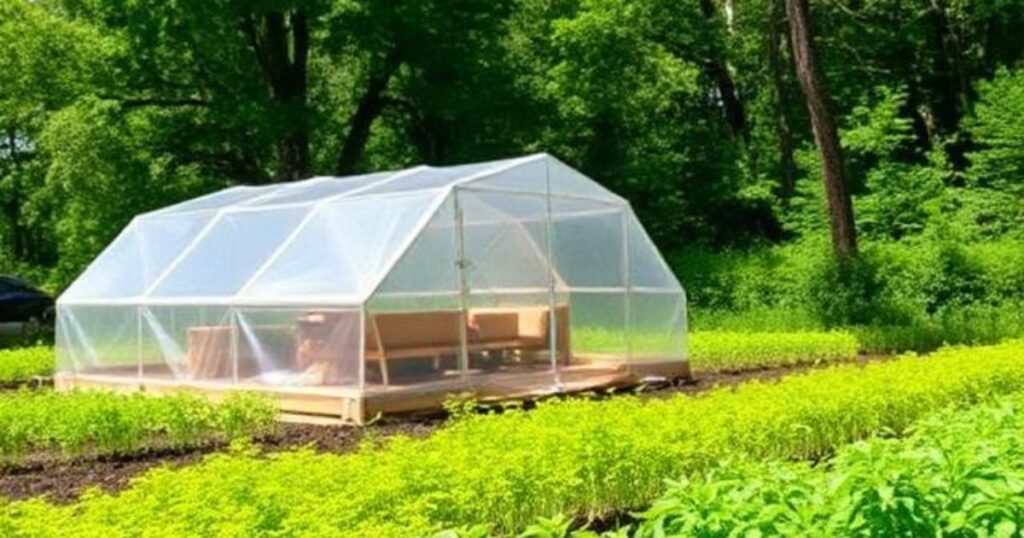 The future of regenerative agriculture lies in restoring water quality and ecosystems while feeding a growing global population. By focusing on soil health, biodiversity, water conservation, and carbon sequestration, regenerative practices offer a sustainable alternative to conventional farming. Advances in American agriculture technology—such as precision farming, data-driven soil monitoring, and climate-smart crops—are accelerating adoption worldwide. Farmers are increasingly recognized as land stewards, improving resilience against climate change while enhancing long-term productivity and profitability.
As consumers demand transparency and environmentally responsible food systems, regenerative agriculture is gaining policy support and market incentives for regenerative management. In the years ahead, it will play a vital role in combating climate change, revitalizing rural economies, and building a healthier, more resilient food system for future generations.
Why It Matters: The Benefits of Regenerative Agriculture
Regenerative agriculture offers multifaceted benefits that address interconnected global crises. Conventional farming has degraded over half of the world’s farmland, leading to erosion and nutrient depletion. Regenerative practices rebuild soil, foster regenerative food systems, and increase organic matter, thereby enhancing fertility and improving soil structure. Studies from paired farms regenerative techniques show regenerative fields have higher organic matter and microbial diversity, leading to farms and ranches being more resilient and regenerative farmers’ soils.
Climate Change Mitigation and Resilience
Healthy soils sequester carbon, potentially offsetting significant emissions through regenerative agriculture techniques. Regenerative methods enhance water retention, reducing drought vulnerability and flood risk. Farms become more resilient to extreme weather for many regenerative farmers, thanks to conservation services that ensure stable yields amid the benefits of regenerative agriculture, particularly in the face of climate variability.
Biodiversity Enhancement
By fostering diverse habitats, regenerative farms support a wide range of pollinators, birds, and soil regenerative poultry organisms. This reduces the demand for regenerative agriculture by conserving chemicals through the establishment of resilient ecosystems that are less vulnerable to insect outbreaks.
Economic and Social Advantages
Farmers often report lower input costs over time, along with improved profitability. Nutrient-dense food from healthy soils benefits human health. Regenerative agriculture supports agricultural principles, while fair labor practices promote the regeneration of rural soil and water. Regenerative poultry adoption in communities promotes regenerative agriculture.
Conclusion:
Regenerative agriculture represents a decisive shift in how we approach food production. By focusing on soil health, biodiversity, and ecosystem restoration, it addresses many of the environmental and social challenges facing the modern agricultural sector during its transition to regenerative agriculture. More than a trend, regenerative agriculture represents a practical and necessary evolution in farming that addresses climate change—one that has the potential to nourish both people and the planet for generations to come.
FAQ:
What is Regenerative Agriculture?
A set of farming concepts and methods known as regenerative agriculture focuses on restoring soil health, enhancing biodiversity, improving water cycles, and increasing ecosystem resilience. Unlike conventional agriculture, which often depletes natural resources, regenerative methods aim to replenish and enhance the land and water quality over time.
How is Regenerative Agriculture Different from Organic Farming?
While both practices avoid rotational grazing and synthetic soil-building chemicals, organic farming primarily focuses on eliminating synthetic inputs. In contrast, regenerative agriculture emphasizes restoring ecological balance, improving soil carbon, and enhancing biodiversity. Regenerative agriculture can incorporate organic, conventional, or hybrid approaches, as long as the core goal of ecosystem restoration through regenerative agriculture adoption is maintained.
Why is soil Health Important in Regenerative Agriculture?
Regenerative farming is based on healthy soil. It improves water retention, supports nutrient cycling, enhances crop resilience, and sequesters carbon, thereby helping to mitigate climate change. Techniques such as reduced tillage, cover crops, and composting support robust soil ecosystems in extreme weather conditions.
Can Regenerative Agriculture Increase crop Yields?
Yes, over time. Initially, yields may fluctuate as the soil ecosystem recovers; however, healthier soil, improved regenerative farming practices, and water retention often lead to more stable and sometimes higher yields in the long term of food production.
Is Regenerative Agriculture Economically viable?
Yes, it can be. While initial investments in soil restoration, equipment, or training may be necessary, regenerative agriculture can reduce long-term costs associated with fertilizers, pesticides, and water. Additionally, many markets now pay soil disturbance premiums for regenerative or sustainably produced products.
How does livestock fit into Regenerative Agriculture?
Livestock plays a key role through holistic or rotational grazing. Grazing animals stimulate plant growth, fertilize soil naturally, and help maintain grassland ecosystems. Properly managed livestock can enhance biodiversity and soil health, rather than degrading the land.