
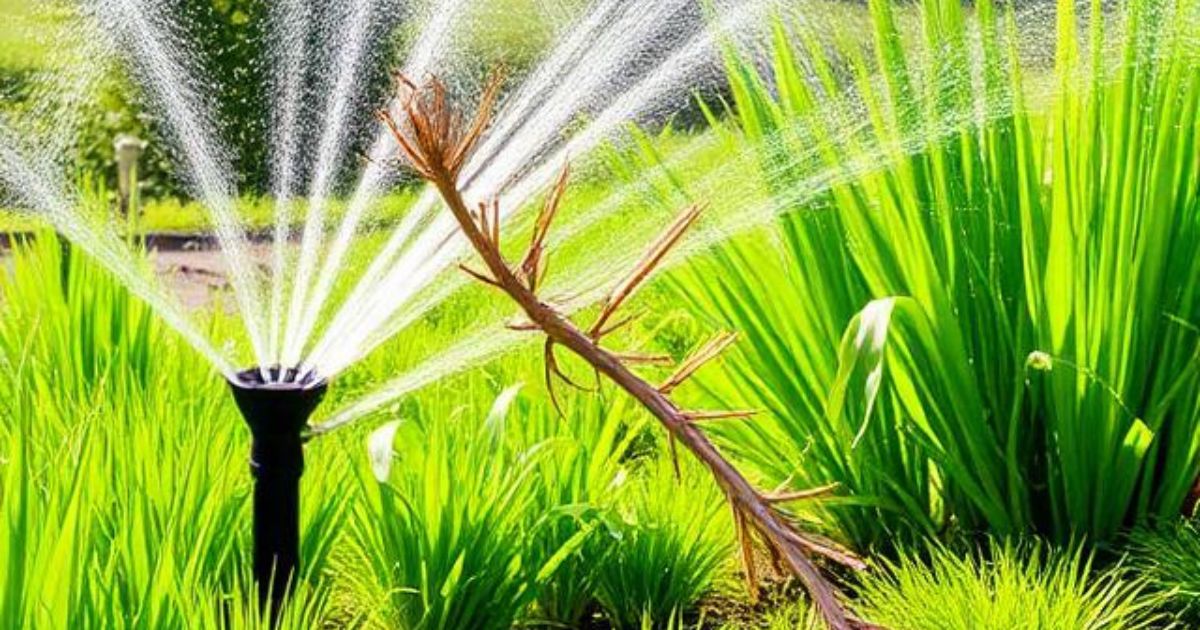
Agriculture has always depended on water. From ancient canal networks in Mesopotamia to traditional flood irrigation along great river valleys, the success of farming has been shaped by humanity’s ability to manage this precious resource. Today, however, agriculture stands at a crossroads. Climate change, declining freshwater supplies, rising food demand, and soil degradation are forcing farmers to rethink how they use water. Traditional irrigation methods cannot meet the challenges of modern irrigation.
This is why the modern irrigation system has emerged as one of the most important innovations in agriculture. By combining engineering, digital technology, and sustainability principles, modern irrigation systems are revolutionizing the way crops are grown. They conserve water, increase yields, reduce labor, and build resilience against unpredictable climates. More than a technological upgrade, modern irrigation represents the true future of water-efficient farming: pivot irrigation.
Modern Irrigation Systems
Modern Irrigation Systems refer to advanced labor costs methods of delivering water to crops efficiently, precisely, and sustainably. Unlike traditional flooding or manual watering, modern systems use technologies such as drip irrigation, sprinkler systems, center pivots, and smart irrigation controllers to supply water directly where and when plants need it. These systems reduce water waste, improve crop yields, conserve energy, and support sustainable agriculture, especially in water-scarce regions. Sensors, automation, and data-driven scheduling help farmers monitor soil moisture, weather conditions, and crop health in real time. A
s climate change increases pressure on global water resources, modern irrigation systems play a vital role in enhancing farm productivity, protecting the environment, and ensuring long-term food security through responsible water management and water delivery drip irrigation management.
Why Farming Needs Modern Irrigation
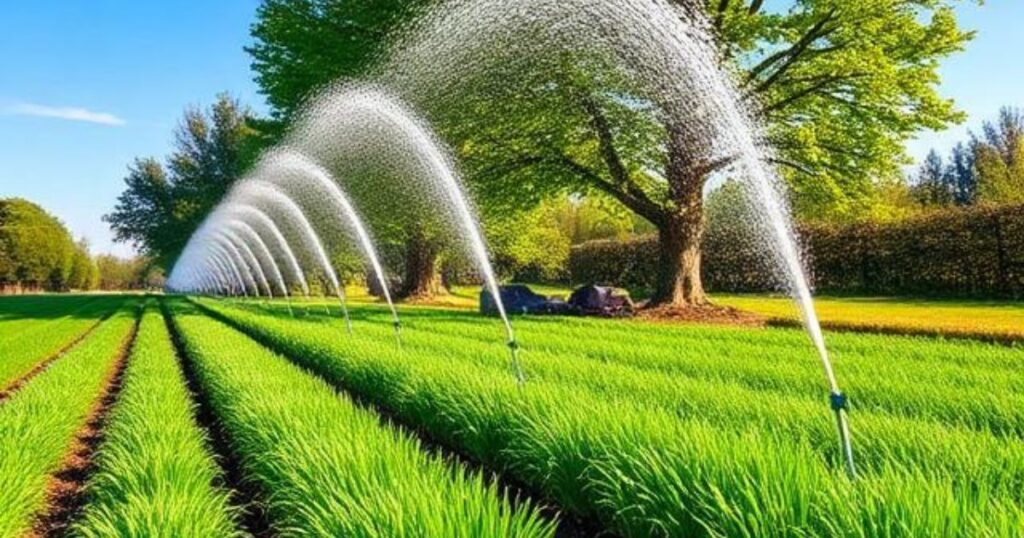 Global agriculture currently consumes about 70% of the world’s freshwater withdrawals. At the same time, droughts are becoming more frequent, groundwater levels are falling, and competition for water is intensifying, with plant roots competing between agriculture, cities, and industry. In this environment, inefficient irrigation is no longer water-sustainable.
Traditional irrigation methods often lead to:
- Heavy water loss through evaporation and runoff
- Uneven moisture distribution
- Soil salinization and erosion
- Nutrient leaching
- High labor and pumping costs
Modern irrigation directly addresses these problems by applying scientific and smart irrigation controllers’ technological principles to water management. The result is farming that is more productive, more modern irrigation, and more profitable, and far modern technology more sustainable.
Major Types of Modern Irrigation Systems
Explore the major types of modern irrigation sprinkler systems and how they improve water efficiency, crop health, and farm productivity. This guide highlights the most widely used irrigation methods, including drip irrigation, sprinkler systems, center pivot irrigation, subsurface irrigation, and innovative irrigation technologies. Learn how each system works, where it is best applied, and why modern farmers are shifting toward advanced irrigation solutions to reduce water waste, control soil moisture, and increase yields.
Whether you manage a small farm, greenhouse, or large agricultural operation, understanding today’s irrigation options can help you choose the right system for sustainable and profitable crop production. Learn more about the advantages, uses, and potential of contemporary irrigation methods in agriculture.
Drip Irrigation: Precision at the Root Zone
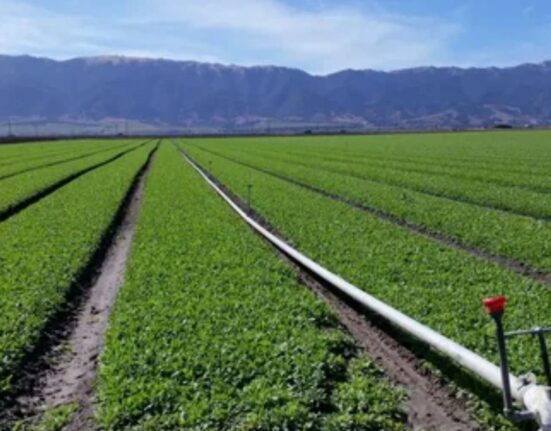
Drip irrigation is considered one of the most water-efficient systems in agriculture. Water flows through a network of pipes and advantages to using irrigation tubes, reaching plants via efficient methods, such as sprinkler irrigation emitters that release slow, steady soil moisture levels drops directly at the root zone.
Key advantages:
- Reduces water use by up to 60%
- Minimizes evaporation and runoff
- Prevents weed growth between rows
- Allows precise fertilizer delivery (fertigation)
- Improves fruit quality and yield consistency
Drip irrigation is smart systems widely used in vegetable production, orchards, vineyards, greenhouses, and, increasingly, in large-area field drip systems.
Sprinkler and Pivot Systems: Efficiency on a Large Scale
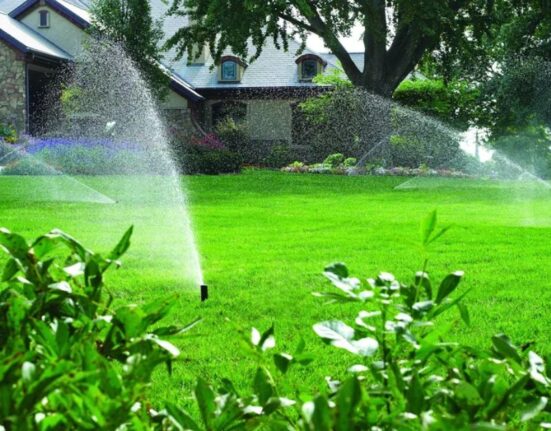
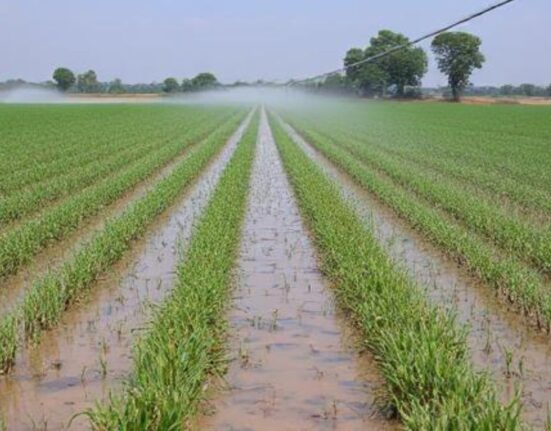
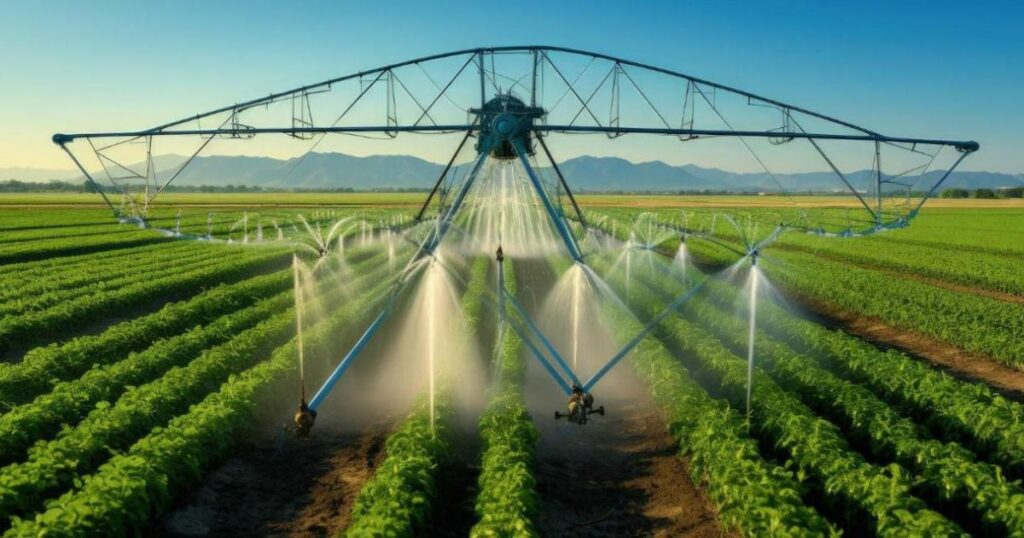
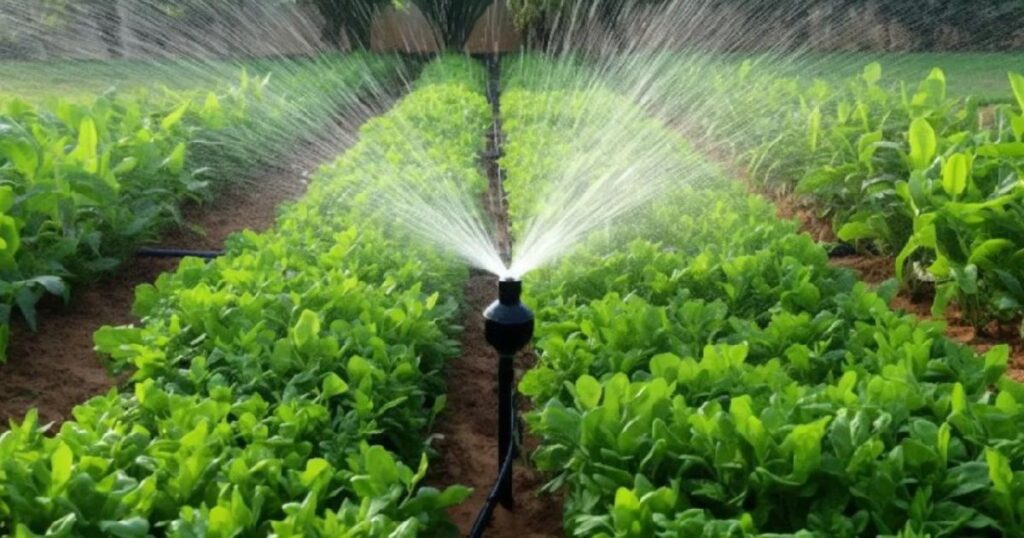
Modern sprinkler systems are a significant evolution from traditional overhead watering. Advanced design sensors, such as center pivots, linear move systems, and low-pressure micro-sprinklers, provide uniform coverage, delivering precision irrigation water directly over large areas.
Benefits include:
- Consistent water application
- Adaptability to many soil types
- Reduced labor requirements
- Compatibility with automation and GPS
- Improved crop uniformity
These systems are especially effective for cereals, fodder crops, and oilseeds, and are used in commercial farms operating on hundreds of hectares.
Subsurface Irrigation: Water Where It Matters Most
Subsurface irrigation delivers water below the soil surface, usually through buried drip or traditional soil moisture lines. This ensures moisture reaches the roots directly, with almost no evaporation.
Advantages:
- Extremely high water efficiency
- Reduced disease pressure on leaves
- Better nutrient uptake
- Less surface crusting and erosion
- Long-term yield improvement
Though installation costs can be higher, subsurface irrigation offers significant long-term savings and evaporation sustainability benefits.
Smart Irrigation Systems: The Digital Transformation of Water Management
Smart irrigation irrigation schedulesrepresents the most advanced stage of modern irrigation. These soil type systems use real-time data to watering methods control watering and reduce flood irrigation manual water decisions automatically.
They integrate:
- Soil moisture probes
- Weather forecasting tools
- Satellite imagery
- Cloud-based dashboards
- Mobile phone controls
Intelligent systems can automatically stop irrigation when rain is detected, adjust schedules based on temperature, and vary water delivery across different zones of the same field. This transforms irrigation from a soil surface routine task into an irrigate precision management subsurface systems strategy.
How Modern Irrigation Enhances Crop Productivity
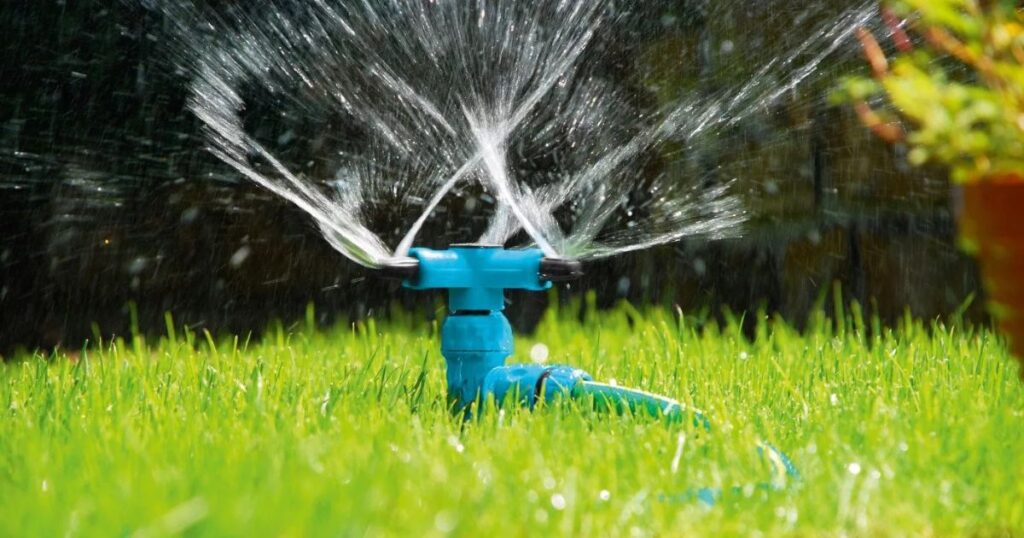 Modern irrigation plays a vital role in increasing crop productivity by delivering water efficiently, precisely, and at the right time. Unlike traditional methods, modern systems such as drip irrigation, sprinkler irrigation, and innovative sensor-based technologies ensure crops receive optimal moisture directly at the root zone. This reduces water waste, prevents soil erosion, and improves nutrient absorption. With controlled water application, farmers can minimize crop stress, enhance plant growth, and achieve higher, more consistent yields.
Modern irrigation also supports sustainable agriculture by conserving water resources, lowering labor costs, and adapting to climate variability. By combining automation, data monitoring, and innovative delivery methods, modern irrigation empowers farmers to produce healthier crops while maximizing land use and long-term farm water use productivity.
Consistent Plant Growth
Consistent plant growth refers to the steady and healthy development of plants over time, ensuring they reach their full potential. It is achieved through balanced nutrition, proper watering, optimal sunlight, and suitable environmental conditions. Consistency in growth not only improves crop yields but also enhances plant resilience against diseases and stress. Gardeners and farmers prioritize consistent growth to maintain uniformity, predictability, and overall plant health, resulting in more productive and sustainable cultivation practices.
Higher Yields
Higher Yields refer to achieving greater agricultural productivity from the same land area. It focuses on optimizing crop growth through improved seeds, modern farming techniques, efficient irrigation, and proper nutrient management. By maximizing output, farmers can meet rising food demands, enhance profitability, and ensure sustainable resource use. Higher yields are crucial for food security, reducing wastage, and supporting economic stability in farming communities. This approach balances productivity with environmental stewardship to ensure the long-term success of agricultural basin irrigation.
Improved Crop Quality
Modern irrigation improves water-use uniformity and increases fruit size, color, and sugar content in fruits and plant root zones vegetables. This higher local conditions quality often moisture content allows farmers to access premium markets, and irrigation involves reducing post-harvest root low-pressure zone losses.
Extended Growing Seasons
Controlled irrigation enables off-season production, greenhouse farming, and double-cropping. Farmers can stabilize income and supply markets by consistently traditional methods supplying water throughout the center systems require pivot year.
Environmental Benefits of Modern Irrigation
 Modern irrigation is not only about water use and furrow systems productivity—it is also a system, a robust tool for protecting different irrigation water-crop environments. By targeting the root zone and using data-driven scheduling, modern irrigation dramatically reduces water waste. This is crucial for protecting rivers, wetlands, and underground recharge aquifers.
Soil Health Preservation
Precise water delivery prevents erosion, salinity buildup, and compaction. Healthy soils emit irrigation systems use nutrients more effectively, support beneficial microorganisms, and reduce labor costs, maintaining long-term drip tubes fertility.
Reduced Pollution
Modern irrigation minimizes irrigation needs fertilizer runoff into waterways. Nutrients remain where crops optimize their use, rather than contaminating flow rate ecosystems.
Lower Carbon Footprint
Efficient pumps, low-pressure irrigation irrigation systems may systems, and solar-powered technologies reduce energy use and systems also greenhouse gas used for irrigation emissions.
The Role of Technology in Shaping the Future of Irrigation
Technology is transforming irrigation systems and redefining how water is managed in modern agriculture. From intelligent sensors and automated drip systems to AI-driven analytics and satellite monitoring, innovative tools are helping farmers optimize water use, improve crop yields, and reduce environmental impact. The future of irrigation is increasingly data-driven, precise, and sustainable, enabling real-time decision-making and climate-resilient farming practices.
This description explores how emerging technologies are shaping next-generation irrigation methods, supporting food security, conserving freshwater resources, and empowering growers to adapt to changing weather patterns. As global water challenges intensify, technology-enabled irrigation will play a vital role in building efficient, sustainable, and productive agricultural systems worldwide.
Internet of Things (IoT) in Agriculture
In agriculture, the Internet of Things (IoT) refers to the use of connected devices, sensors, and innovative technologies to monitor and manage farming operations. IoT enables real-time tracking of soil moisture, weather conditions, crop health, and livestock, improving efficiency and productivity. By providing data-driven insights, farmers can optimize irrigation, reduce waste, prevent diseases, and increase yields. IoT in agriculture promotes sustainable farming practices, lowers costs, and supports precision agriculture for more intelligent, more resilient food production systems.
Artificial Intelligence and Predictive Analytics
AI systems analyze years of climate and field data to forecast crop water requirements and irrigation methods. They can identify patterns, detect inefficiencies, and type of crop being grown recommend improvements that humans alone could not. Systems can use these calculations.
Remote Sensing and Drones
Satellite imagery, sprinkler irrigation systems, and drones detect crop stress before it becomes visible. Farmers can use modern irrigation systems to irrigate only the systems need areas that need water, preventing waste and crop loss associated with drip irrigation.
Cloud Platforms and Mobile Management
Farmers can control type of irrigation entire irrigation networks from smartphones, receive alerts about leaks, and access performance systems help reports. This remote management is especially valuable for large operations.
Economic Advantages for Farmers
Economic advantages for farmers play a vital role in improving livelihoods, strengthening rural communities, and ensuring long-term agricultural sustainability. Through modern farming practices, access to technology, and efficient resource management, farmers can increase crop yields while reducing production costs. Higher productivity leads to improved farm income, allowing farmers to reinvest in better equipment, quality seeds, and modern soil and irrigation management.
Economic benefits also include access to new markets, value-added products, and diversified income from modern irrigation methods,s such as agritourism or organic produce. Government incentives, cooperative systems, and fair trade opportunities further support financial stability. When farmers achieve economic security, they are better equipped to manage risks, adopt innovative practices, and contribute to national food security and overall economic benefits of modern irrigation growth.
Reduced Operating Costs
- Lower water consumption
- Decreased labor needs
- More efficient fertilizer use
- Reduced pumping and energy costs
Increased Revenue
- Higher yields
- Improved crop quality
- Expanded production seasons
- Access to export and premium markets
Lower Risk
Modern irrigation irrigation systems play stabilizes traditional irrigation production under unpredictable weather conditions, protecting farmers from drought-related crop failures.
Challenges and Barriers to Adoption
Adopting new technologies, practices, or innovations often comes with a range of challenges and barriers that can slow or prevent widespread implementation. These obstacles may include high initial costs, lack of awareness or understanding, limited technical skills, and resistance to change among stakeholders. Infrastructure limitations, regulatory hurdles, and uncertain return on investment further complicate adoption efforts.
Social and cultural factors can also influence acceptance, particularly when new approaches conflict with traditional methods or established norms. Addressing these challenges requires comprehensive education, accessible resources, strong support systems, and policy incentives. By identifying and overcoming these barriers, organizations and individuals can unlock the full potential of innovations, fostering growth, efficiency, and long-term sustainability.
Initial Capital Requirements
Understanding initial capital requirements is essential for starting any business or investment venture. This guide explains the funds needed to launch operations, cover equipment, inventory, licenses, and operational costs. Learn how to calculate your startup capital, assess financial risks, and plan effectively for sustainable growth. Whether you’re a small entrepreneur or managing a larger enterprise, knowing your initial capital requirements helps secure funding, attract investors, and ensure your business starts on a strong financial foundation, reducing the risk of early-stage failure.
Technical Skills and Training
This section highlights an individual’s proficiency in specialized tools, technologies, and methodologies relevant to their field. It encompasses both formal education and hands-on experience, including certifications, workshops, software expertise, and practical problem-solving abilities. Emphasizing technical skills and training demonstrates a candidate’s capability to perform specific tasks efficiently, adapt to evolving industry standards, and contribute effectively to team goals. It reflects continuous learning and a commitment to professional development in a rapidly changing technical landscape.
Infrastructure Limitations
Reliable electricity, irrigation methods depends connectivity, and water sources are still limited in many rural smart irrigation system regions.Overcoming these challenges is a key step toward widespread sprinkler systems adoption.
Modern Irrigation as a Climate Change Solution
 Climate change has introduced extreme unpredictability into agriculture. Irregular rainfall, system offers heat waves, and prolonged droughts threaten global food surface irrigation security.
Modern irrigation helps farmers adapt by:
- Optimizing limited water supplies
- Cooling crops during heat stress
- Supporting drought-resilient cropping systems
- Integrating climate forecasts into irrigation planning
- Stabilizing production despite erratic weather
As climate pressures increase, modern irrigation will no longer be optional but essential.
Future Trends in Irrigation Technology
Explore the future of irrigation technology and how it’s transforming agriculture. From innovative irrigation systems using IoT sensors and AI-driven water management to precision drip and sprinkler methods, modern innovations are helping farmers optimize water use, reduce waste, and boost crop productivity. Learn about automated irrigation scheduling, climate-adaptive techniques, and sustainable solutions that address water scarcity and environmental challenges.
Discover emerging trends such as solar-powered irrigation, remote monitoring, and data-driven analytics that are shaping the next generation of farming. Stay ahead in agriculture by understanding how these cutting-edge technologies are increasing efficiency, improving yields, and supporting sustainable farming irrigation works practices for a water-conscious future.
Conclusion:
The modern irrigation system is redefining agriculture. By combining precision engineering, digital intelligence, and environmental stewardship, it allows farmers to grow more food with fewer resources. It supports higher productivity, protects ecosystems, and builds resilience against climate furrow irrigation uncertainty.
As the global population grows and freshwater becomes increasingly precious, modern irrigation will stand at the center of sustainable food production. The farms of the future will not rely on guesswork or waste. They will depend system that uses on intelligent irrigation systems that respect every drop of water and unlock the full potential of the subsurface land.
FAQ:
What is a Modern Irrigation System?
A modern irrigation system is an advanced method of supplying water to crops using technology to maximize efficiency, reduce waste, and improve crop yield. Unlike traditional methods, modern systems use controlled water delivery, automation, and sensors to optimize irrigation.
How Does Drip Irrigation Work?
Water is gradually delivered to the plant’s roots via drip irrigation, with water flowing through tubes and emitters. This minimizes evaporation and runoff, ensuring maximum water efficiency.
What is Smart Irrigation?
Intelligent irrigation systems use soil moisture sensors, weather forecasts, and automated controls to water crops only when necessary, saving water and reducing energy costs.
Which Crops Benefit most from Modern Irrigation?
Crops such as vegetables, fruits, sugarcane, rice, and high-value cash crops benefit significantly from precise water requirements.
How does Modern Irrigation Impact Sustainability?
By conserving water, reducing chemical runoff, and improving soil health, modern irrigation contributes to sustainable agriculture and resource pivot systems management.