

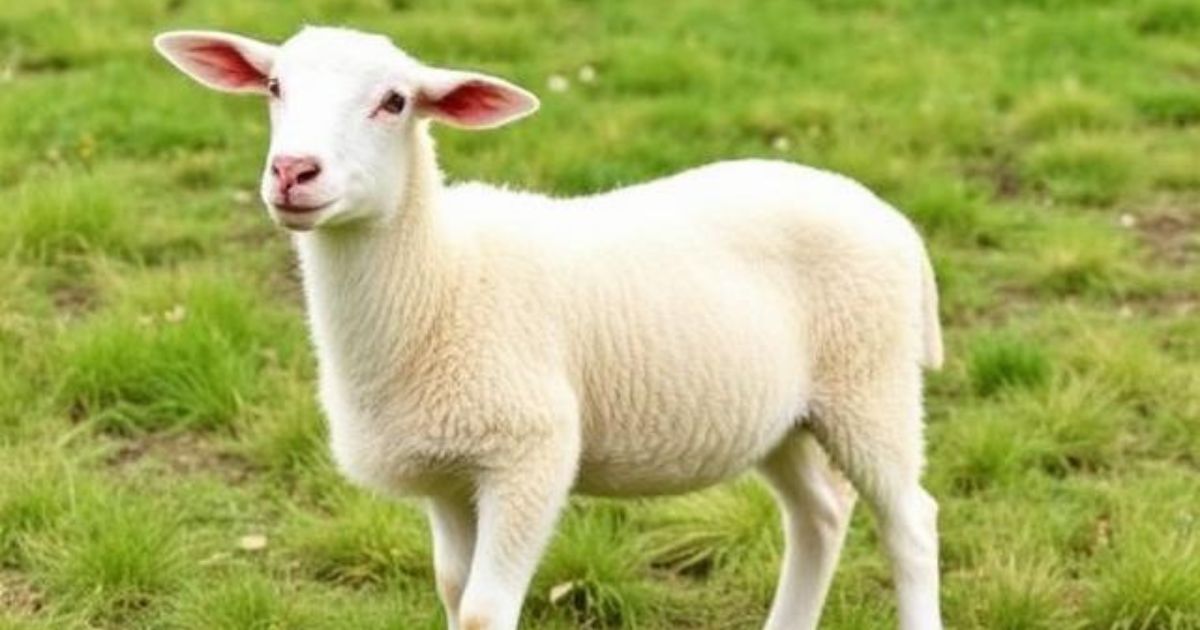
Modern livestock farming demands animal breeds that are profitable, resilient, low-maintenance, and suitable for sustainable and rotational systems. Among the rising stars of sheep farming, the Katahdin breed stands out as a top performer both for small homesteads and commercial operations. Compared to traditional wool breeds, Katahdin sheep require less work, offer excellent meat quality, and thrive in diverse environments.
In this deep dive, we’ll explore the history, traits, management strategies, challenges, and future potential of Katahdin sheep giving farmers and animal lovers alike the knowledge they need to decide if this breed fits their farm goals.
Origins & History of the Katahdin Breed
The Katahdin sheep trace their roots to the pine-covered landscapes of Maine, USA. In the mid-20th century, breeder Michael Piel developed the breed with a clear mission: create a hardy, easy-care sheep that could survive local conditions while producing high-quality katahdin ram lambs meat.
Piel’s method was simple yet innovative he crossed hair sheep from the Caribbean with traditional British breeds known for superior carcass traits. By selectively breeding over generations, he developed a sheep that would shed its own coat, tolerate parasites and cold weather, and convert forage into lean meat with enviable efficiency. The breed was officially recognized in the late 1970s, and today Katahdin sheep are raised on farms around the world from North America to Europe and khatadin sheep beyond.
Breed Characteristics: What Makes Katahdins Special
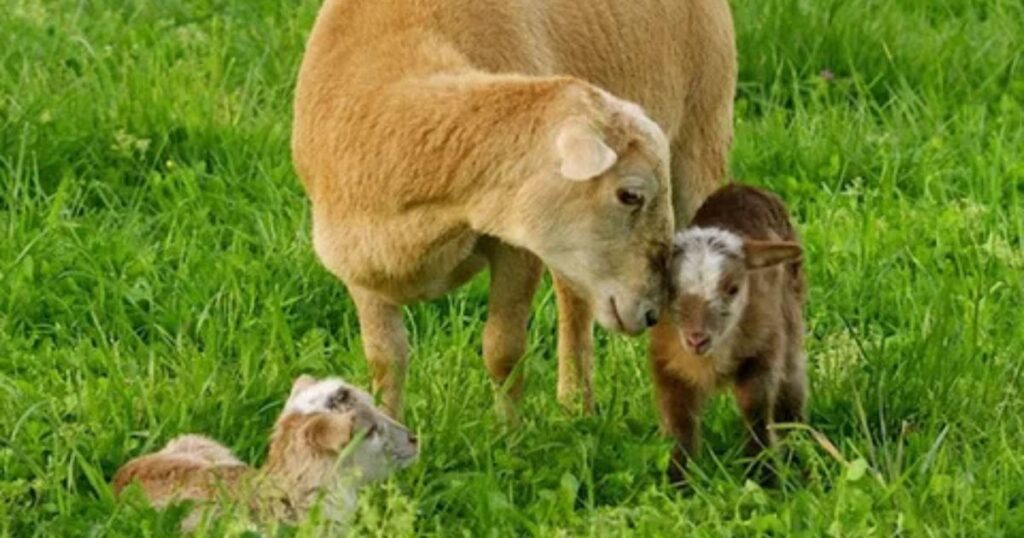 Katahdin sheep are a hardy, low-maintenance breed known for their adaptability and efficiency. Unlike traditional wool sheep, Katahdins are hair sheep, meaning they naturally shed their coat and don’t require shearing. This makes them especially attractive to both small- and large-scale farmers. They are well adapted to a wide range of climates, from hot and humid regions to colder sheep katahdin areas.
Katahdins are valued for their strong parasite resistance, excellent foraging ability, and calm temperament. They grow quickly and produce high-quality, lean meat with mild flavor, making them popular in meat production. Their easy lambing, good mothering instincts, and overall resilience truly set Katahdins apart among sheep breeds.
Hair Coat No Shearing Needed
Unlike wool sheep, Katahdins grow hair instead of wool. This means they naturally shed their fleece each spring a massive labor saver for farmers. No shearing, no crutching, no wool storage hassles. This trait alone makes them incredibly attractive for low-input farm katahdin sheep lambs systems.
Hardiness and Parasite Resistance
One of Katahdin’s most significant selling points is its resilience. They tolerate heat and humidity better than many wool breeds and have shown katahdin sheep stronger resistance to common internal parasites. While parasite katahdin lambs management is still vital, many producers find Katahdins easier to keep healthy on pasture.
Maternal Traits
Katahdin ewes are known for excellent mothering abilities. They typically lamb easily, have good milk production for nursing singles or twins, and rarely require intensive birthing assistance.
Meat Quality
Katahdin lambing programs focus on meat production rather than wool. The result is a lean, flavorful carcass with desirable cut yields. The breed’s moderate size — not too small, not too large fits well with direct-to-consumer and niche-market demands.
Temperament
Docile and calm, Katahdins are easy to handle a plus if you’re new to sheep farming or run a mixed-species operation.
Farm Systems That Benefit Most From Katahdins
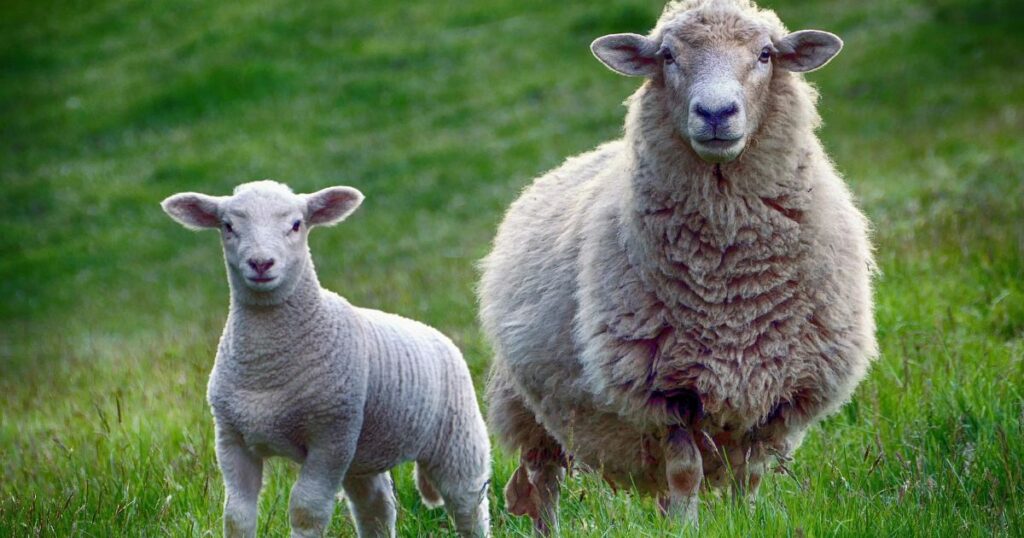 Katahdin sheep thrive in farm systems that value efficiency, adaptability, and low input costs. They are especially well-suited to pasture-based and rotational grazing systems, where their strong foraging ability helps maximize grass utilization. Small to medium-scale farms benefit from Katahdins because they require no shearing, reducing labor and equipment expenses. Mixed-livestock operations also gain an advantage, as Katahdins integrate well with cattle or goats and support parasite management through grazing diversity.
Sustainable and organic farms favor Katahdins for their natural hardiness, strong maternal instincts, and resistance to common diseases. Overall, farm systems focused on meat production, minimal intervention, and environmental stewardship benefit the most from raising Katahdin sheep.
Low-Input and Sustainable Farms
If your goal is to keep costs down and reduce labor, Katahdins are a perfect fit. Their natural shedding eliminates shearing costs, and their ability to thrive on pasture minimizes the need for grain feeding. These sheep adapt well to rotational grazing systems, helping improve pasture utilization and break parasite cycles through well-timed moves and rest periods.
Small Farms and Homesteads
Because they are easy to handle and low-maintenance, Katahdins are a top choice for beginning farmers or homesteaders looking for meat production without heavy infrastructure investments. Katahdins also work for commercial lamb markets, especially where consumers favor lean, flavorful meat. Breeders can market Katahdin lambs as premium meat, especially if they are raised sustainably or grass-fed.
Nutrition and Feeding Strategy
Nutrition and Feeding Strategy focuses on delivering the proper nutrients, in the right amounts, at the right time to support optimal growth, health, and productivity. A well-planned feeding strategy balances carbohydrates, proteins, fats, vitamins, minerals, and water based on age, activity level, and specific goals. It emphasizes high-quality ingredients, proper portion control, and consistent feeding schedules to maximize nutrient absorption and reduce waste.
Adjustments are made according to seasonal changes, health conditions, and performance demands. By monitoring intake and outcomes, nutrition plans can be refined to improve efficiency, strengthen immunity, and promote long-term sustainability. An adequate nutrition and feeding strategy not only enhances performance but also supports overall well-being and cost-effective management.
Pasture First
Katahdins flourish on quality pasture. Rotational grazing ensures a constant supply of fresh forage and helps maintain pasture health. They will eat grasses and legumes and browse — making them versatile grazers. While pasture is the foundation, supplementation may be necessary during winter or times when forage quality dips. Good sheep feed or grain helps maintain body condition, especially for ewes during late gestation and lactation.
Minerals & Water
Sheep thrive with constant access to clean water and appropriate mineral supplementation — especially selenium and copper-safe sheep minerals. Katahdins benefit from trace minerals just as other breeds do.
Health and Parasite Management
Health and Parasite Management are vital to maintaining strong, productive animals and a safe farming environment. Proper management focuses on preventing, early detection, and prompt treatment of diseases and parasites that can reduce growth, Reproduction, and overall performance. This includes regular health checks, vaccination programs, clean housing, and balanced nutrition to strengthen immunity.
Effective parasite control such as managing worms, mites, ticks, and lice—requires strategic deworming, pasture rotation, and good hygiene practices. Medication overuse is avoided to reduce resistance and protect long-term effectiveness. By combining biosecurity measures, monitoring, and responsible treatments, health and parasite management help ensure animal welfare, improve productivity, and support sustainable farming practices for long-term success.
Fecal Egg Counts
Regularly testing fecal samples helps determine parasite burden and inform treatment timing, reducing unnecessary deworming. Breeders have increasingly selected for parasite resistance within their flocks, improving long-term health outcomes.
Pasture Rotation
Moving sheep frequently breaks parasite life cycles — reducing exposure to infective larvae on pasture.Standard vaccines and hoof care help reduce disease risk and keep animals comfortable and productive.
Lambling and Reproduction
Lamming and Reproduction are vital stages in sheep farming that directly influence flock productivity and farm profitability. Reproduction begins with proper breeding management, including selecting healthy rams and ewes, monitoring heat cycles, and ensuring balanced nutrition. Gestation in sheep lasts about 147 days, leading to the lambing period when ewes give birth, usually to one or two lambs. Successful lambing depends on good housing, hygiene, and close observation to prevent complications.
After birth, lambs need immediate care, including colostrum intake for immunity and warmth for survival. Effective lambing management improves lamb survival rates, supports ewe health, and ensures steady flock growth, making it a cornerstone of sustainable and efficient sheep production.
Lambing Ease
Katahdin ewes generally lamb with minimum complications — and many are excellent at raising twins. Most farms plan for spring lambing, though some producers schedule fall lambing to spread market availability or utilize specific pasture conditions.
Flock Size and Planning
Whether you run a dozen ewes or a larger flock, careful planning ensures a consistent production rhythm and healthy lamb crop.
Market Opportunities for Katahdin Meat
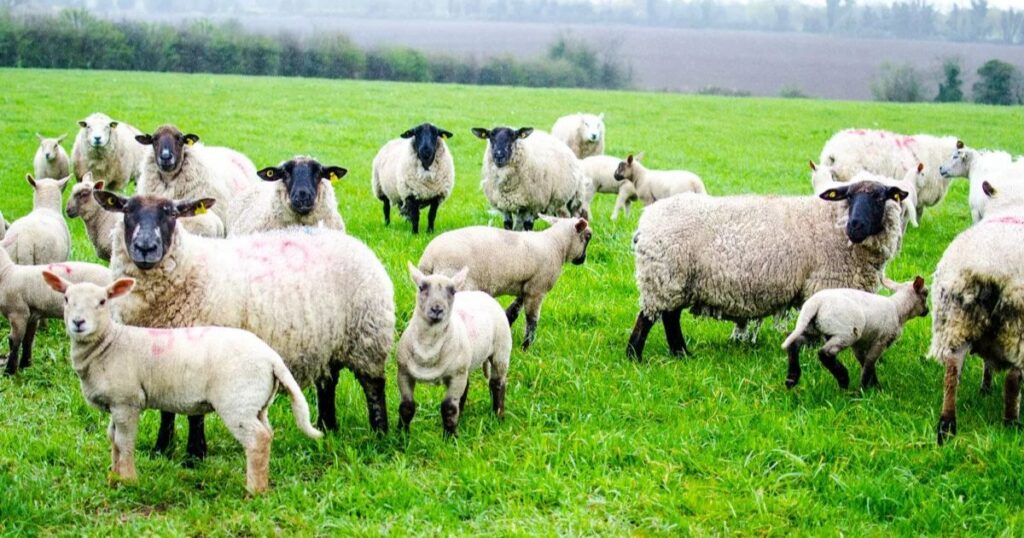 Katahdin meat offers strong market opportunities due to its growing popularity among health-conscious consumers and sustainable farmers. Known for its lean texture, mild flavor, and high protein content, Katahdin lamb appeals to customers seeking premium, grass-fed, and ethically raised meat. Restaurants, specialty butcher shops, and farmers’ markets increasingly favor Katahdin meat for its consistency and low fat content.
The breed’s hair-sheep advantage—no shearing required—also supports lower production costs, enabling competitive pricing. Rising demand for locally sourced, hormone-free, and pasture-raised meats further expands its market reach. With proper branding and education, Katahdin meat can attract niche and mainstream markets alike.
Direct-to-Consumer Sales
Many small farmers sell Katahdin lamb directly to consumers through farm stores, CSA boxes, or farmers’ markets. Consumers increasingly prefer locally raised, lean meat — and Katahdins deliver on quality. Artisan butchers, specialty restaurants, and health-oriented consumers seek leaner lamb cuts. Katahdin meat fits well with grass-fed, organic, and farm-to-table niches.
Value-Added Products
Smoked lamb sausage, specialty roasts, and marinated packages can increase profitability — especially for small farms looking to diversify income.
Katahdin vs. Other Breeds: A Comparison
Katahdin sheep stand out from many traditional sheep breeds because they are hair sheep, not wool sheep. Unlike breeds such as Merino or Suffolk, Katahdins naturally shed their hair, eliminating the need for shearing and reducing labor costs. They are highly adaptable, thriving in both hot and cold climates, while many other breeds perform best in specific environments.
Katahdins are also known for strong parasite resistance and excellent mothering ability, giving them an advantage over more maintenance-heavy breeds. Compared to wool breeds raised mainly for fleece, Katahdins are primarily valued for lean, mild-flavored meat. Overall, Katahdins offer a low-maintenance, hardy alternative to many conventional sheep breeds, especially for small and medium-scale farmers.
Why Some Farmers Prefer Katahdin
While wool breeds offer fleece income, they require more hands-on care — especially for shearing and parasite management. For many modern farms focused on meat and ease of management, Katahdins strike a perfect balance.
Challenges and Considerations
Navigating any project or initiative involves challenges and considerations that demand careful planning and foresight. Key challenges often include resource limitations, time constraints, and unforeseen risks that can impact outcomes. Decision-makers must consider factors such as cost, sustainability, compliance, and stakeholder expectations to ensure effective execution.
Additionally, balancing short-term goals with long-term objectives, managing team dynamics, and adapting to changing environments are critical. Awareness and proactive strategies help mitigate risks, optimize efficiency, and ensure successful results. Recognizing these challenges early enables better planning and informed decision-making.
No Wool Product
If your business model relies on selling wool, Katahdins won’t fit — they don’t produce fine fleeces. Some consumers are unfamiliar with leaner lamb cuts and may need education or recipes to appreciate the flavor profile.
Breeding Selection
To get the best results, choose animals from reputable breeders who focus on health, conformation, and parasite resistance.
Tips for Getting Started With Katahdins
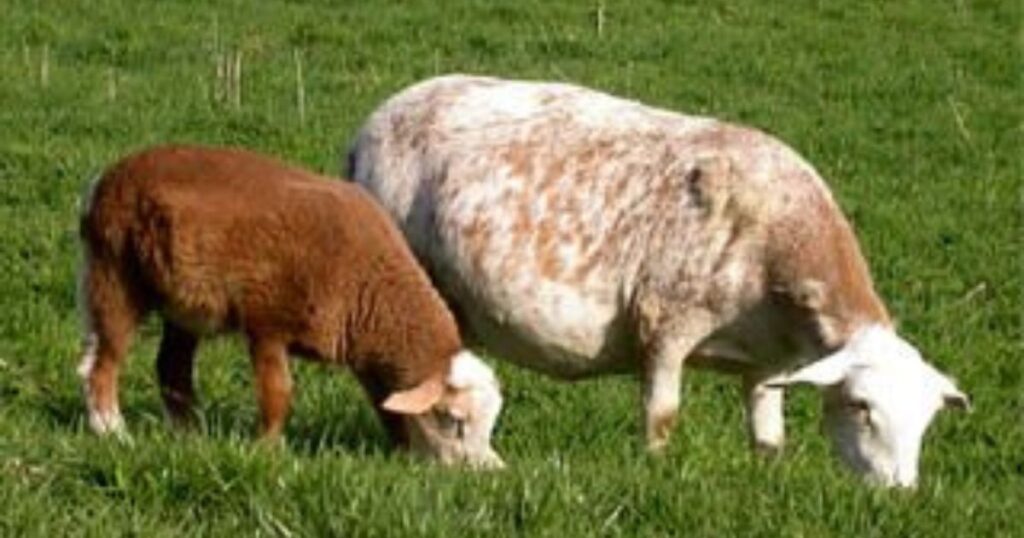 Katahdin sheep are a hardy, low-maintenance breed ideal for small farms and homesteads. When getting started, focus on proper shelter, nutrition, and handling. Provide a secure pasture with fresh water and quality forage, supplemented with minerals as needed. Start with healthy, young stock from reputable breeders and practice gentle, consistent handling to build trust.
Regular health checks, vaccinations, and parasite management are essential for flock well-being. Learn about breeding cycles and shearing needs, even though Katahdins shed naturally. With patience and planning, beginners can enjoy a productive, easy-care flock that thrives in diverse environments.
Assess Your Resources
Look at your pasture capacity, shelter availability, and water access. Katahdins do well on pasture but still need basic infrastructure. Connect with a veterinarian experienced in sheep to establish vaccination and parasite control protocols.
Choose Quality Stock
Buy from breeders with strong records for health, conformation, and productivity. If you’re new to sheep, start with a modest flock — learn the rhythms of sheep management before scaling up. Record breeding cycles, weights, parasite counts, and lambing outcomes. Data helps improve your flock year after year.
Sustainability and Environmental Benefits
Sustainability and environmental benefits focus on practices that meet current needs without compromising future needs. By reducing waste, conserving resources, and promoting renewable energy, sustainable approaches help protect ecosystems and biodiversity. These practices lower greenhouse gas emissions, improve air and water quality, and encourage responsible consumption.
Environmentally friendly methods, such as organic farming, eco-friendly transportation, and energy-efficient technologies, contribute to climate resilience and long-term planetary health. Beyond ecological advantages, sustainability supports social well-being and economic stability, fostering communities that thrive in harmony with nature. Embracing sustainability ensures a cleaner, healthier, and more balanced world for generations to come.
Efficient Grass Converters
They turn pasture into protein efficiently — reducing reliance on grain and external inputs. Managed grazing can improve soil health and encourage biodiversity.
Reduced Labor and Costs
Natural shedding and lower parasite susceptibility mean fewer interventions — and more time for other farm tasks.
Stories From the Farm: Real Life Experiences
Stories From the Farm: Real Life Experiences” takes readers on an authentic journey through daily life on farms. From early mornings in the fields to caring for livestock, this collection shares heartfelt moments, challenges, and triumphs of farmers. It captures the rhythm of rural life—the toil, the connection to nature, and the satisfaction of a hard day’s work.
Through personal anecdotes, readers experience the joys of harvest, unexpected adventures, and lessons learned from the land. Perfect for anyone curious about farming, this book offers an intimate glimpse into the resilience, humor, and humanity that thrive on farms everywhere.
Future of Katahdin Breeding
The future looks bright. As sustainability and regenerative agriculture trends grow, breeds like Katahdin, which fit low-input systems, will continue to gain popularity.
Breeders are also focusing on:
- Stronger parasite resistance
- Improved carcass traits
- Faster growth rates
This breed continues to evolve as farmers innovate.
Conclusion:
Katahdin lambs are a remarkable breed known for their hardiness, adaptability, and low-maintenance care. Originating in the United States, they thrive in diverse climates and require minimal shearing, making them ideal for both small- and large-scale farmers. Their gentle temperament, high-quality meat, and disease resistance add significant value to any flock.
Katahdin lambs also support sustainable farming practices due to their efficiency in grazing and minimal need for intensive management. Whether for commercial production or personal farming, investing in Katahdin sheep ensures reliability, productivity, and ease of care. In summary, they represent a wise, practical choice for modern shepherds.
FAQ:
What is a Katahdin Sheep?
Katahdin sheep are a breed of domestic sheep developed in the United States, known for their hair coat instead of wool, which naturally sheds. This makes them low-maintenance, especially for small farms or backyard flocks.
What Makes Katahdin lamb Different from other Lamb?
Katahdin lamb is prized for its lean, mild flavor and tenderness. Since the sheep are hair sheep, there’s no need for shearing, and their meat is naturally leaner than wool breeds.
Are Katahdin Sheep Suitable for Backyard Farming?
Yes! They are easy to manage, resistant to parasites, and adaptable to various climates. Their hair coat means no shearing and less concern about wool management.
What do Katahdin Lambs eat?
Katahdin lambs primarily graze on pasture grasses and hay. They may also receive supplemental grains for growth or breeding purposes.
How Healthy are Katahdin Sheep?
They are known for their hardiness and resistance to parasites, making them less prone to common sheep diseases. Proper pasture rotation and routine care keep them healthy.
