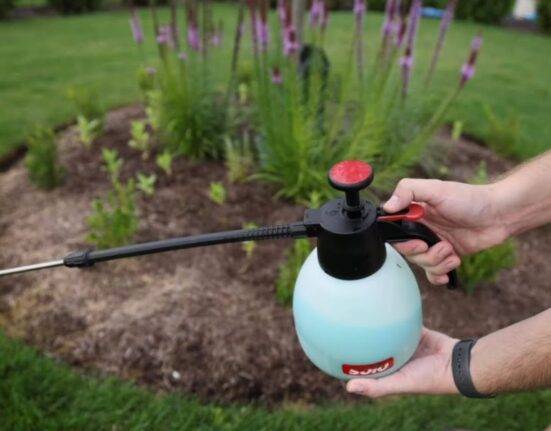

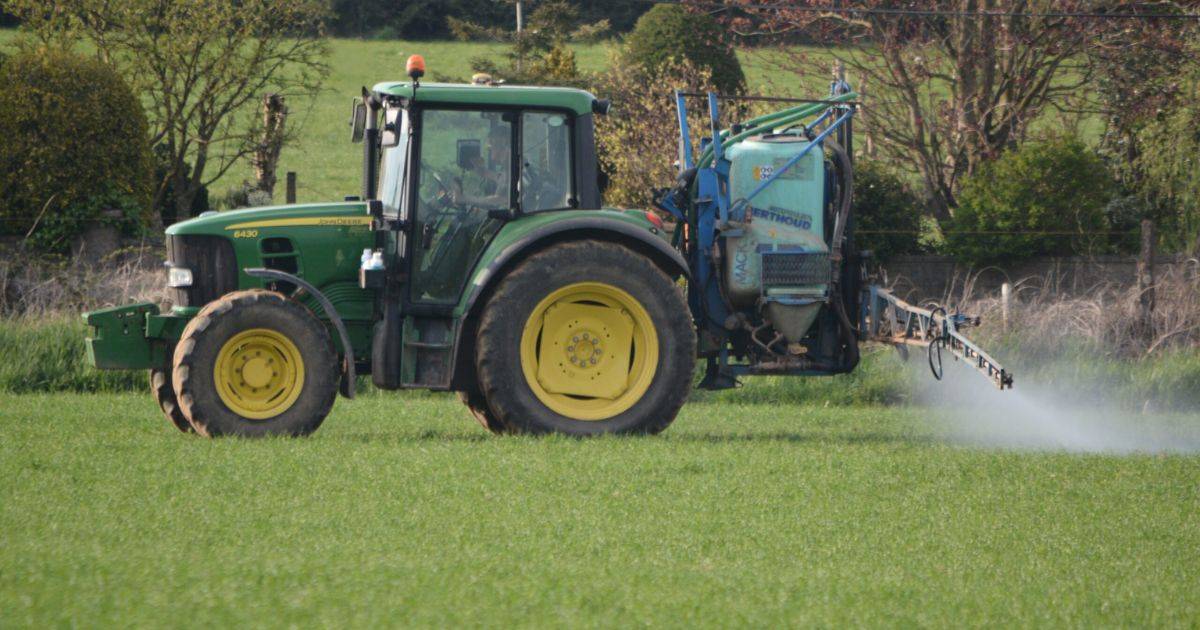
Water quality plays a critical role in herbicide performance, yet many farmers and applicators overlook its importance. The quality of your water directly affects how well an herbicide works, influencing herbicide efficacy, weed control, and overall crop protection. Whether you are using glyphosate or another pesticide, the spray solution depends heavily on factors like water pH, water hardness, turbidity, and water temperature. Poor spray water quality can reduce uptake, degrade active ingredients, and ultimately affect herbicide performance. According to findings similar to those from Purdue University and state university extension services, even an expensive herbicide can fail if mixed with hard water or poor carrier water. Elements like calcium, magnesium, and other positively charged ions (cations) bind to negatively charged herbicide molecules, reducing their effectiveness. This guide explores “the impact of water quality and herbicide performance” in detail. You’ll learn how to test your water, understand water-quality issues, and apply the right solutions, such as ammonium sulfate (AMS), adjuvants, and pH buffers, to improve weed management and crop production.
Understanding Herbicide Performance
Herbicide performance refers to how effectively a herbicide controls the target weed while maintaining crop safety. Several factors affect herbicide performance, including application timing, spray coverage, water volume, and environmental conditions. However, one of the most overlooked factors is water quality. The herbicide you use interacts with the spray solution, and if the solution pH or Hardness is not optimal, the herbicide’s efficacy drops significantly. Herbicide molecules may degrade or bind with ions in hard water, reducing their ability to penetrate and control weeds. For example, glyphosate is highly sensitive to calcium and magnesium ions, which can reduce its uptake. According to extension weed specialist reports and agronomist insights, spray water quality must be carefully managed to ensure effective weed management.
The product label is the best guide for understanding how water quality affects herbicide performance. Always check the herbicide label before mixing chemicals in a tank mix. Proper mixing order, correct water volume, and maintaining an ideal spray solution pH are essential for achieving consistent results in crop production.
What is Water Quality in Agriculture?
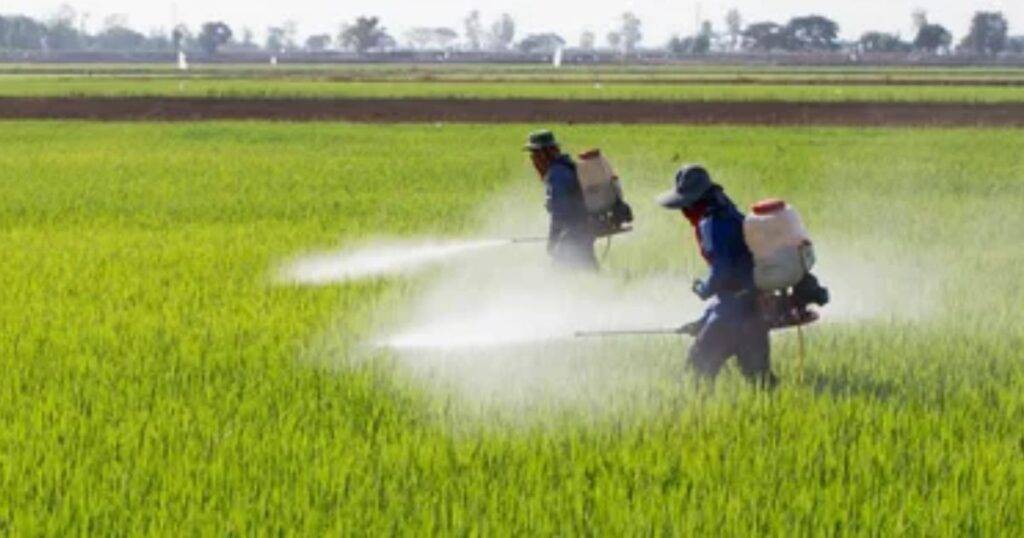
Water quality in agriculture refers to the physical and chemical characteristics of water used as carrier water in spray applications. It includes factors such as water pH, water hardness, turbidity, and dissolved ions, including calcium, magnesium, and ammonium. Different water sources, such as well water, surface water, and stored water, vary greatly in quality. Well water often has high Hardness due to calcium and magnesium, while surface water may have high turbidity from suspended particles. These factors can negatively affect herbicide performance by binding with active ingredients or altering the solution pH.
Water temperature and water volume also influence how well herbicides dissolve and remain stable in the spray solution. According to local extension and service recommendations, What Soil is Best For Growing Soybeans regularly testing your water is essential for identifying water quality issues. Understanding the quality of your water helps ensure that your herbicide molecules remain active and effective. Managing water quality and herbicide interactions is key to improving pesticide performance and achieving better weed control outcomes.
Key Water Quality Factors
Several water quality factors directly affect herbicide performance. Water pH determines the spray solution’s acidity or alkalinity, and most herbicides perform best within a specific pH range. If the solution pH is too high, certain herbicides degrade quickly. Calcium and magnesium ions can bind with water, forming hardness. negatively charged herbicide molecules, reducing herbicide efficacy. Hard water is a common issue in many regions, especially when using well water. Turbidity refers to suspended dirt and organic matter in water, which can bind herbicide molecules and reduce their availability for weed control.
Water temperature also plays a role, Best Tractor Brands for Farmers as cold water can slow chemical mixing and affect spray performance. According to Purdue University’s research and state university extension reports, managing pH and Hardness is essential for maximizing herbicide performance. Using water conditioners like ammonium sulfate (AMS), adjuvants, and pH buffers can help neutralize ions and stabilize the spray solution. Proper understanding of spray water quality ensures better uptake, improved efficacy, and more reliable weed management.
Testing Water Quality
To ensure optimal herbicide performance, test your water before mixing any spray solution. Water quality testing helps identify issues such as water hardness, solution pH, turbidity, and the presence of calcium and magnesium ions. Simple tools like pH strips, digital meters, and hardness test kits can provide quick results in the field. For more detailed analysis, laboratory testing through local extension or state university extension services is recommended. According to agronomist guidelines and extension weed specialist advice, testing should be done regularly, especially when changing water sources.
Different water sources, like well water and surface water, can vary significantly in quality. Understanding these differences helps applicators adjust their spray solution accordingly. Once you test your water, you can decide whether to add ammonium sulfate (AMS), pH buffers, or other water conditioners. Always check the herbicide label, as product label instructions often include recommendations for spray water quality. Proper testing ensures that herbicide molecules remain effective and that weed control efforts are not compromised.
Best Practices for Mixing Herbicides
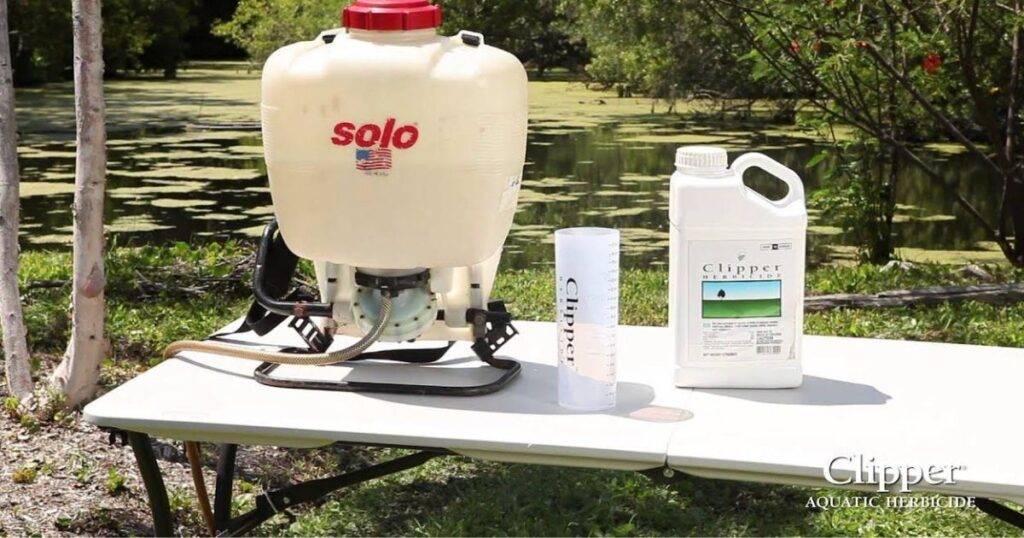
Mixing herbicides properly is essential for achieving strong weed control, maximizing herbicide performance, and protecting your crops. Poor mixing can reduce herbicide efficacy, waste an expensive herbicide, and even damage equipment or plants. Here are the best practices every applicator should follow:
Check the Product Label First
Always read and follow the product label; it is the best source of instructions. It tells you the correct mixing order, the recommended water volume (gallons), the required adjuvant, and whether you need a water conditioner, such as ammonium sulfate (AMS).
Use Clean, High-Quality Water
The quality of your water directly affects how well an herbicide works. Avoid muddy or dirty water with high turbidity (suspended particles). Choose a good water source such as clean well water or filtered surface water.
Test Your Water
Before mixing, test your water for pH, water hardness, and overall spray water quality. High hardness (from calcium and magnesium) and improper solution pH can affect herbicide performance.
Manage pH and Hardness.
- Maintain the correct pH range using pH buffers
- Treat hard water with AMS (ammonium sulfate) to neutralize positively charged ions (cations) like calcium and magnesium
- This prevents binding with negatively charged herbicide molecules
Maintain Proper Water Volume
Use the recommended water volume (gallons) as specified. Too little water reduces coverage, while too much may dilute the active ingredients.
Mix Thoroughly and Avoid Letting the Solution Sit
Ensure proper agitation so herbicide molecules stay evenly suspended in water. Do not let the spray solution sit in water for long periods, as some herbicides can degrade.
Monitor Water Temperature
Extreme water temperature (too cold or too hot) can affect solubility and mixing efficiency, What is Spray Irrigation impacting herbicide efficacy.
Avoid Tank Mix Conflicts
When preparing a tank mix, ensure all products are compatible. Some combinations can reduce uptake or damage crops. Consult an agronomist or extension service if unsure.
Clean Equipment Properly
After spraying, clean tanks and equipment to avoid contamination in future applications; residues can affect the next herbicide you use.
According to weed science experts and state university extension research, proper mixing is just as important as choosing the right herbicide. By managing water quality and herbicide interactions, you ensure better crop protection, improved weed management, and consistent crop production results.
Improving Water Quality
Improving water quality is essential for maximizing herbicide efficacy and ensuring effective weed management. One of the most common solutions is adding ammonium sulfate (AMS), which helps neutralize calcium and magnesium ions in hard water. This prevents ions from binding with herbicide molecules, allowing better uptake by the target weed. Using adjuvants and pH buffers can also help maintain the ideal spray solution pH and prevent herbicide degradation. Filtering water can reduce turbidity by removing suspended particles, improving spray performance. Choosing the right water source is equally important; Are Preventative Insecticides Fueling Resistant Weeds clean surface water or treated well water is often preferable.
According to national agronomists at Helena Agri-Enterprises and Purdue University research, proper water conditioning significantly improves herbicide performance. Always follow the mixing order when preparing a tank mix, as incorrectly mixing chemicals can reduce effectiveness. The product label is the best guide for determining the correct additives and procedures. By managing water quality and herbicide interactions, applicators can improve crop protection, reduce costs, and achieve better crop production results.
Benefits of Managing Water Quality
Managing water quality is essential for improving herbicide performance and ensuring effective weed control in modern crop production. The quality of your water directly impacts how well an herbicide works, as factors such as pH, Hardness, and turbidity can significantly affect its efficacy. When farmers properly manage spray water quality, they can prevent issues caused by hard water, such as calcium and magnesium ions that bind to herbicide molecules, reducing their effectiveness.
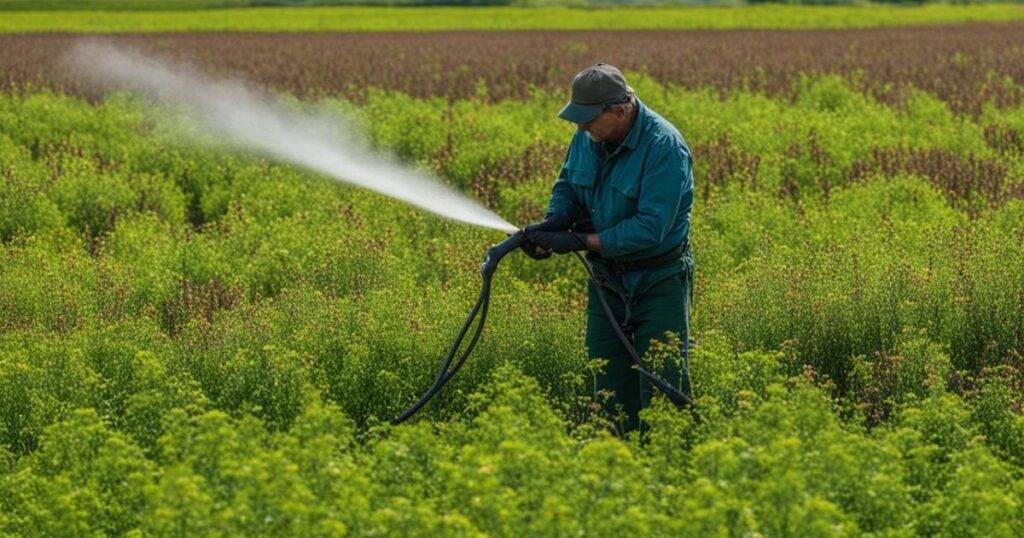
Using solutions such as ammonium sulfate (AMS) or a suitable water conditioner helps neutralize positively charged ions (cations), allowing better uptake of active ingredients, such as glyphosate, by the target weed. Maintaining the correct spray solution pH with pH buffers also prevents herbicides from breaking down too quickly. This results in improved herbicide efficacy, reduced reapplication needs, and better overall weed management.Additionally, How New Soybean Traits Fight SCN and Resistant Weeds managing water quality and herbicide interactions helps protect your investment, especially when using an expensive herbicide. It also ensures consistent performance across different water sources, whether well water or surface water. According to extension service and weed science research, proper water management leads to healthier crops, higher yields, and more efficient crop protection practices.
Conclusion
In conclusion, water quality is a crucial factor that can significantly affect herbicide performance. From water pH and Hardness to turbidity and water temperature, every aspect of spray water quality influences how well an herbicide works. Poor water quality can degrade active ingredients, reduce herbicide efficacy, and lead to ineffective weed control. By understanding the impact of water quality and herbicide interactions, farmers and applicators can make informed decisions.
Testing your water, using water conditioners such as ammonium sulfate (AMS), and following the proper mixing order are essential steps for improving spray solution quality. Always check the herbicide label and consult local extension or agronomist experts for guidance. As highlighted by extension services and weed science research, managing water quality is key to successful weed management and crop protection. With the right approach, you can ensure that even an expensive herbicide delivers optimal results. Ultimately, improving the quality of your water leads to better uptake, enhanced efficacy, and more sustainable crop production.
FAQ
Does water quality really affect herbicide performance?
Yes, water quality plays a major role in herbicide performance. Poor spray water quality can reduce herbicide efficacy by causing active ingredients to bind to minerals or degrade before they reach the target weed. Factors such as water pH, water hardness, and turbidity can directly affect herbicide performance.
What is the best water pH for herbicide spraying?
Most herbicides perform best within a slightly acidic pH range of 5–6.5. An incorrect pH can cause some herbicides to degrade quickly. Using pH buffers helps maintain the ideal spray solution pH, improving herbicide efficacy.
How does hard water impact herbicides?
Hard water contains calcium and magnesium, which are positively charged ions (cations). These ions bind with negatively charged herbicide molecules, reducing their effectiveness. This can significantly affect herbicide performance, especially for products like glyphosate.
How can I fix hard water issues?
You can use a water conditioner such as ammonium sulfate (AMS). It adds ammonium ions that neutralize Hardness caused by calcium and magnesium, improving uptake and overall weed control.
Can I use pond or surface water for spraying?
Yes, but surface water may contain dirt or organic matter, which can increase turbidity. Particles suspended in water can reduce herbicide efficacy. It’s best to filter the water and test your water before use.