

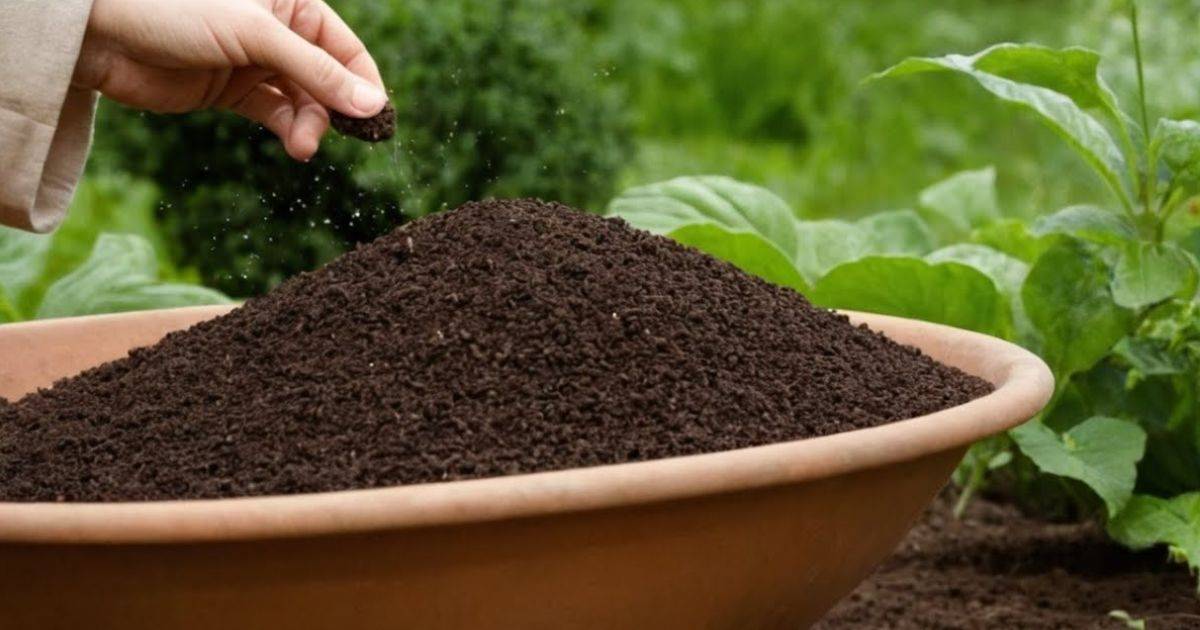
Okra is a popular warm-season vegetable crop known for its high nutritional value and wide use in cooking. Many farmers are now shifting toward organic farming to grow healthier crops and reduce reliance on synthetic fertilizers. Using the right organic fertilizer plays a key role in improving okra yield, enhancing soil health, and ensuring environmental sustainability.To successfully plant okra, it’s important to understand the nutritional needs of the okra plant from germination to harvesting. Healthy okra seedlings depend on fertile soil rich in organic matter, which supports better root development and nutrient uptake. Organic methods also help reduce environmental pollution while promoting beneficial microorganisms.
This guide explains how to fertilize okra with natural sources such as compost, manure, and vermicompost. You’ll learn the best farming practices, including soil preparation, irrigation, and crop rotation, to ensure optimal growth. Whether you are growing okra in the spring or managing large-scale okra farming, this guide will help you achieve successful okra cultivation with improved yield and quality.
Why Choose Organic Fertilizers for Okra Farming
Choosing organic fertilizer for okra cultivation offers many advantages over synthetic fertilizers. Organic options such as compost, animal manure, and vermicompost help improve soil structure, increase organic matter, and boost overall soil nutrient levels.One of the major benefits of organic fertilizers is that they release nutrients slowly, ensuring steady plant growth and preventing nutrient imbalances. This slow-release nature improves nutrient availability and enhances nutrient uptake, Can Biologicals which is essential for healthy okra pods and better pod production.
Organic fertilizers also support beneficial microorganisms that play a vital role in decomposing organic matter and providing plants with essential nutrients such as potassium, phosphorus, and nitrogen. This creates a better environment for okra and promotes strong root development.Additionally, organic methods reduce the need for harmful pesticides and promote environmental sustainability. By adopting organic agricultural practices, farmers can improve soil health, Manure And Compost: Natural Boost For Healthy Soil increase okra yield, and maintain long-term productivity without damaging the ecosystem.
Nutrient Requirements of Okra Plants
For optimal growth, okra plants require a balanced supply of essential nutrients. The primary nutrients include nitrogen, phosphorus, and potassium, which support different stages of plant growth.Nitrogen is crucial for new growth and leafy development, especially during the early stages of growing okra. Phosphorus supports strong root development and helps in flowering, while potassium improves disease resistance and enhances okra yield and quality.
In addition to these, micronutrients such as sulfur, zinc, and magnesium are important for maintaining overall plant health. Poor soil nutrient balance can lead to nutrient imbalances, affecting okra pods and reducing okra harvest.Conducting soil testing before planting helps determine the soil pH and existing nutrient levels. This allows farmers to apply the right fertilization strategy using organic amendments. Maintaining proper nutrient management ensures better nutrient uptake and supports continuous pod production throughout the season.It is crucial to understand these requirements to select the ideal fertilizer for okra and achieve successful okra farming.
Types of Organic Fertilizers for Okra
There are several organic options for fertilizing okra effectively. These include compost, animal manure, and vermicompost, all of which are rich in natural sources of nutrients.Compost is one of the most commonly used organic fertilizers. It improves soil structure, increases organic matter content, and helps provide essential nutrients. Animal manure is another excellent option that enhances soil fertility and supports healthy okra seedlings.Vermicompost is rich in beneficial microorganisms and improves nutrient availability, making it ideal for boosting okra yield. Other organic amendments, such as neem cake and bone meal, Sustainable Soil can also be used to supply phosphorus and protect against pests.
These fertilizers work as slow-release nutrient sources, reducing the risk of environmental pollution and improving long-term soil health. They also help improve soil structure, ensuring better water retention and aeration.Using a combination of these organic fertilizers ensures balanced nutrient management and supports sustainable okra cultivation.
How to Apply Organic Fertilizers in Okra Farming
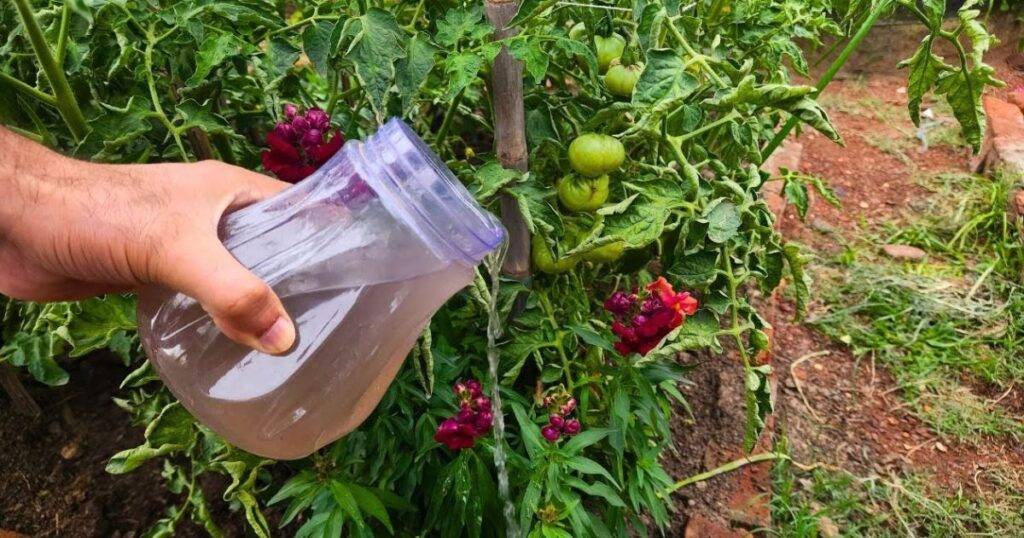
For okra to be effective, organic fertilizer must be applied correctly. production. Start with good soil preparation: mix compost or manure into the soil before sowing okra seed. This helps create a nutrient-rich base for okra seedlings.At planting time, farmers can scatter the fertilizer evenly across the field or apply it in rows where they plant okra. Maintaining proper spacing, Boosting Soil Health such as one plant per spot, ensures better plant growth and reduces competition for nutrients.
During the growing season, additional fertilization can be done using vermicompost or liquid organic fertilizers. Regular irrigation is important to help nutrients dissolve and reach the roots for better nutrient uptake.Applying fertilizers in stages ensures the plant receives nutrients during critical phases, such as flowering and pod production. This improves overall plant health, resulting in better okra pods and higher yields and quality.
Organic Fertilizer Schedule for Okra
A proper fertilization schedule is key to maximizing okra yield. Apply organic materials, such as animal dung or compost, before planting. during soil preparation to enrich the soil.When planting okra in the spring, add a small amount of vermicompost to support early growth. After 2–3 weeks, apply a top dressing of organic fertilizer to boost new growth and improve nutrient availability.
During flowering, apply phosphorus- and potassium-rich fertilizers to support okra pod development. Continue light feeding every few weeks to maintain steady nutrient uptake.Avoid over-fertilizing, Using Organic Fertilisers: A Guide to Organic Fertilisers as it can cause nutrient imbalances. Regular soil testing helps adjust the schedule based on soil nutrient levels.This planned approach ensures a consistent okra harvest, better pod production, and improved overall plant health.
Tips for Better Results
To achieve successful okra cultivation, follow essential care tips and best farming practices. Always start with soil testing to understand soil pH and nutrient levels.Maintain proper irrigation to ensure nutrients are absorbed efficiently. Adding mulch helps retain moisture and improves soil structure. Practicing crop rotation reduces pest and disease risks.Use high-quality okra varieties suited to your climate for better results. Avoid excessive pesticide use and rely more on organic pest control methods.

Regular monitoring of the okra plant health helps detect early signs of nutrient imbalances. Following guidance from the local extension service can also improve your agricultural practices.These steps help improve soil, increase okra yield, and ensure long-term environmental sustainability.
Conclusion
Using organic fertilizer in okra farming is a smart and sustainable approach to growing this versatile vegetable. It not only improves soil structure and soil health but also enhances nutrient availability and overall plant health.By using natural sources like compost, manure, and vermicompost, farmers can reduce reliance on synthetic fertilizers and minimize environmental pollution. Proper nutrient management, combined with good farming practices, ensures better okra yield and high-quality okra pods.
With the right approach to fertilizing okra, Fertilizer including proper timing, irrigation, and soil preparation, farmers can achieve optimal growth and a consistent okra harvest.Adopting organic methods not only benefits the crop but also promotes environmental health and long-term agricultural sustainability.
FAQ
What is the best fertilizer for okra?
The best fertilizer for okra is an organic fertilizer like compost, vermicompost, or well-rotted animal manure. These natural sources provide essential nutrients such as nitrogen, phosphorus, and potassium that support healthy okra plant growth. They also improve soil structure, increase organic matter content, and enhance soil health, leading to better okra yield and quality.
How often should I fertilize okra plants?
You should fertilize okra every 2–3 weeks during the growing season. Start by preparing the soil before planting, then apply organic fertilizers after the okra seedlings emerge. Regular feeding ensures steady nutrient uptake, supports new growth, and improves pod production and overall plant health.
Can I use only compost for growing okra?
Yes, you can use compost as a primary organic amendment, as it improves soil nutrient levels and soil structure. However, combining it with vermicompost or manure provides a more balanced supply of essential nutrients, preventing nutrient imbalances and ensuring optimal growth and better okra harvest.
When is the best time to apply organic fertilizer to okra?
The best time to apply organic fertilizer is during soil preparation, at planting, and throughout the growth stages. Applying fertilizer when you plant okra and during flowering ensures better nutrient availability, supports healthy okra pods, and improves yield and quality.
How does organic fertilizer improve okra yield?
Organic fertilizers release nutrients slowly, improving nutrient management and enhancing nutrient uptake. They also support beneficial microorganisms, which help break down organic matter and increase soil fertility. This leads to stronger plants, better root development, and higher okra yield.