

Drip tape irrigation is one of the most efficient ways to water a vegetable garden, raised beds, and rows of crops with precision and control. Unlike traditional sprinklers or soaker hoses, a drip irrigation system reduces water waste by delivering water directly to the plant roots. reduces the waste of water. uneven watering and disease pressure. For every gardener looking for a low-flow, low-pressure way to irrigate throughout the growing season, drip tape offers an ideal solution.
Using drip tape with emitters allows even watering along each row, making it perfect for tomatoes, vegetables, and systems for vegetables grown in beds or rows. A properly designed drip tape irrigation system uses a regulated water source, a pressure regulator (usually 8–15 psi), valves, fittings, and mainline tubing to efficiently control water flow. Whether you install drip tape on the surface or bury it slightly beneath the soil, this irrigation tape helps conserve water and nutrients while promoting healthier plants.This step-by-step guide to drip irrigation for your garden will help you understand how to use drip tape correctly, avoid clog issues, and set up a durable drip system that supports plant growth from planting to harvest.
What Is Drip Tape and How Does It Work?
Drip tape is a thin-walled irrigation tape designed for low-pressure drip irrigation. It contains built-in emitters spaced evenly along the tape, allowing controlled water flow measured in gph (gallons per hour). The emitter spacing, flow rate, and thickness (mil) determine how water is delivered along the row.A typical drip tape irrigation system connects drip tape along garden beds or rows of crops using barbed fittings, valves, and mainline tubing. Water flows from the water source through a pressure regulator, then into the drip line, where it is released slowly and evenly. This low-flow method prevents runoff in sandy soils and reduces pooling in clay 5 Common Mistakes In Sprinkler System Design soils.
Different types of drip tape are available based on thickness, durability, and emitter spacing. Lightweight tape works well for annual vegetables, while thicker mil tape is better for perennial planting or longer growing seasons. Gardeners can use drip tape on the soil surface or bury it slightly to improve moisture retention and reduce evaporation.Compared to soaker hoses, drip tape systems provide more precise water control and even watering, making them a superior way to water vegetable beds efficiently.
Benefits of Using Drip Tape Irrigation in Vegetable Gardens

Using drip tape irrigation offers multiple benefits for gardeners and farmers alike. One of the most significant advantages is water efficiency. Drip tape minimizes water loss by delivering water directly to plant roots. evaporation, runoff, and uneven watering. This is especially helpful when irrigating rows of crops in raised beds or open fields.Drip irrigation systems also help maintain consistent soil moisture throughout the growing season, resulting in healthier plants and improved nutrient uptake. When paired with a fertilizer injector, drip tape systems deliver nutrients and fertilizer directly into the root zone, reducing waste and enhancing plant growth.
Another significant benefit is reduced disease pressure. Since water is applied at the soil level rather than on leaves, fungal diseases become less common particularly in tomatoes and other vegetables. Drip tape systems also help control weeds by delivering water only to planted rows, not to empty spaces.Low-pressure operation (low psi) increases durability and reduces stress on fittings and tape. Overall, drip tape irrigation systems offer a reliable, low-maintenance, and cost-effective irrigation solution for gardeners seeking even watering and long-term plant health.
Step-by-Step Guide: How to Install Drip Tape Irrigation
To install a drip tape irrigation system, start by planning your garden layout. Measure each bed, row, and space between plants to determine emitter spacing and tape length. Connect the mainline tubing to the water source using a valve and a pressure regulator to control the psi.Next, lay the drip tape along each row with emitters facing upward. Use barbed fittings to connect the drip tape to the mainline tubing. Secure the tape using stakes or drip-tape attachment tools. You can bury the tape lightly if needed, especially in windy areas or sandy soils.
Flush the system before sealing the ends to prevent clog issues. Fertilizer: Understanding Types Nutrients and Application Once flushed, cap the ends and turn on the water to test the drip tape’s performance. Check for leaks, uneven water flow, or blocked emitters.For raised beds and vegetable gardens, proper installation ensures even watering and consistent moisture. This drip irrigation setup helps maximize efficiency while minimizing water use and maintenance issues.
Maintenance Fertigation and Long-Term Use
Maintaining a drip tape system is simple but essential for durability and performance. Regularly inspect emitters for clogging, especially when using fertilizer or nutrient injectors. Always use a filter to protect the irrigation system from debris.Flush the drip line at intervals during the growing season to maintain water flow. Monitor flow rate (gph) and pressure to avoid uneven watering. At the end of the season, roll up reusable drip tape and store it out of direct sunlight to extend its lifespan.
For gardeners using fertilizer injectors, apply nutrients gradually to prevent buildup inside the tape. Proper maintenance ensures consistent irrigation, healthier plants, and long-term system efficiency.
How to Use Drip Tape Properly Throughout the Growing Season
To use drip tape effectively, it is essential to irrigate crops according to planting stage, soil type, and weather conditions. During early planting, low-flow watering at short intervals helps young roots establish without water stress. As vegetables grow, increase watering duration while keeping the same low-pressure system to ensure even watering.A well-managed drip tape irrigation system delivers water directly to the plant roots, making it an excellent way to water tomatoes, vegetables, and perennial crops. Sandy soils require more frequent irrigation due to faster drainage, while clay soils need longer intervals to prevent waterlogging. Monitoring water flow and soil moisture helps avoid uneven watering and nutrient loss.
Using drip tape along rows of crops ensures uniform moisture distribution across beds and raised beds. Gardeners should adjust valve timing and flow rates to meet crop demand during the growing season. This method improves nutrient absorption, reduces disease pressure, and results in healthier plants with better yields.
Common Drip Tape Irrigation Problems and How to Fix Them

One common issue in any drip irrigation system is clogging. Emitters may clog due to dirt, fertilizer residue, or poor filtration. Installing a proper filter and flushing the drip line regularly helps maintain smooth water flow. Using clean water from a reliable water source is essential.Uneven watering can occur when pressure is not regulated correctly. A pressure regulator keeps psi within the recommended range, preventing tape damage and inconsistent flow of drip tape output. Another problem is incorrect emitter spacing, which can lead to dry spots in vegetable beds.
Leaks often result from weak fittings or damaged tape. Drip Irrigation vs. Flood Irrigation: A Comprehensive Comparison Using high-quality barbed fittings and choosing the correct thickness (mil) improves durability. Gardeners should also check for damage caused by burying the tape too deeply or by rodents.Addressing these issues early ensures the drip tape system runs efficiently, irrigates crops evenly, and supports strong plant growth throughout the season.
Using Fertilizer and Nutrients with Drip Tape Systems
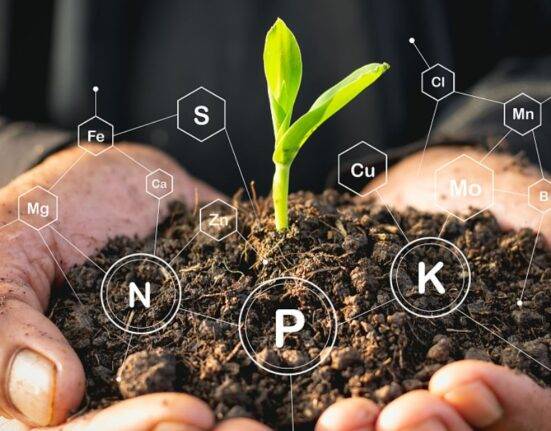
One of the most significant advantages of drip tape irrigation is the ability to apply fertilizer efficiently using a fertilizer injector. This process, known as fertigation, allows nutrients to flow directly to the root zone with irrigation water.A fertilizer injector connects to the mainline tubing and releases controlled amounts of nutrients into the drip system. This ensures plants receive consistent feeding without over-application. Drip irrigation systems for vegetables benefit significantly from this method, especially tomatoes and leafy crops.
Using low-pressure, low-flow irrigation reduces nutrient runoff and waste. Fertilizers applied through drip tape improve nutrient uptake, support steady growth, and increase yield. Gardeners should flush the system after fertigation to prevent clogging.By combining irrigation tape with proper nutrient management, growers can maintain soil health, reduce costs, and grow healthier plants with less effort.
Surface vs Buried Drip Tape: Which Is Better?
The soil’s surface can be covered with drip tape. or buried slightly below ground. Surface installation is more straightforward to monitor and repair, making it ideal for home gardeners and raised beds. It also allows quick detection of leaks or clog issues.Bury the drip tape 1–2 inches deep to reduce evaporation and protect it from sunlight damage. Burying the tape works well for rows of crops, perennial plants, and windy areas. However, burying too deeply can affect water distribution and make maintenance difficult.
For sandy soils, buried drip tape helps retain moisture, while clay soils often perform better with surface placement. Gardeners should choose based on crop type, soil condition, and irrigation goals.Both methods can deliver even watering when installed correctly. The key is consistent water flow, proper emitter spacing, and careful installation.
Choosing the Right Type of Drip Tape
Selecting the correct type of drip tape depends on thickness, emitter spacing, and flow rate. Thickness, measured in mils, affects durability. Thin tape works well for short growing seasons, while thicker tape is better for repeated use or perennial crops.Emitter spacing should match plant spacing. Closer spacing suits leafy vegetables, The Complete Beginner’s Guide to Drip Irrigation while wider spacing works for tomatoes and larger plants. Flow rate, measured in gph, determines how much water each emitter delivers.
Low-pressure systems require compatible drip tape to prevent bursting. Always match tape specifications with your pressure regulator and water source.Choosing the correct drip tape ensures efficient irrigation, extended system life, and consistent crop performance.
Drip Tape vs Soaker Hoses and Other Irrigation Methods
Compared to soaker hoses, drip tape irrigation offers greater control over water flow and placement. Soaker hoses often cause uneven watering, while drip tape systems provide precise irrigation directly to plant roots.Sprinklers waste water through evaporation and increase disease pressure by wetting foliage. Drip irrigation for your garden minimizes these problems and conserves water.

Drip tape systems are also easier to customize for vegetable gardens, raised beds, and rows of crops. With proper fittings, valves, and mainline tubing, gardeners can easily expand their systems.Overall, drip tape is a more efficient and professional irrigation solution for serious gardeners.
Conclusion
Drip tape irrigation is one of the most efficient and reliable methods for irrigating vegetables and garden beds. It delivers water evenly, reduces waste, and supports healthier plants throughout the growing season.With proper installation, correct emitter spacing, and good maintenance, a drip tape system can last for years. Drip Tape vs Drip Line: Which is Best? Whether used on the surface or buried, it adapts well to different soil types and crop needs.For gardeners seeking water efficiency, better nutrient use, and consistent results, drip tape remains a top choice. It simplifies irrigation while maximizing plant health and yield.
FAQ
What pressure (psi) is best for a drip tape irrigation system?
Most drip tape irrigation systems work best at 8–15 psi. Using higher pressure can damage the tape and cause uneven watering. A pressure regulator is strongly recommended to maintain a stable water flow and protect the drip tape system.
Can drip tape be buried underground?
Yes, you can bury the drip tape about 1–2 inches below the soil surface. Burying the tape helps reduce evaporation, protects it from sunlight, and improves moisture retention. However, burying it too profoundly may affect water distribution and make maintenance more difficult.
What emitter spacing should I choose for a vegetable garden?
Emitter spacing depends on the crop type and plant spacing. For leafy vegetables, 6–8 inch spacing works well. For larger plants like tomatoes, 10–12 inch spacing is more suitable. Proper spacing ensures even watering along each row.
How do I prevent clogging in drip tape?
To prevent clogging, always use a filter at the water source and flush the drip line regularly. If you use a fertilizer injector, flush the system after fertigation. Clean water and proper maintenance keep emitters working efficiently.
How long does drip tape last?
The lifespan of drip tape depends on its thickness (mil), water quality, and maintenance. Thin tape may last one growing season, while thicker, more durable tape can be reused for multiple seasons when stored properly.