

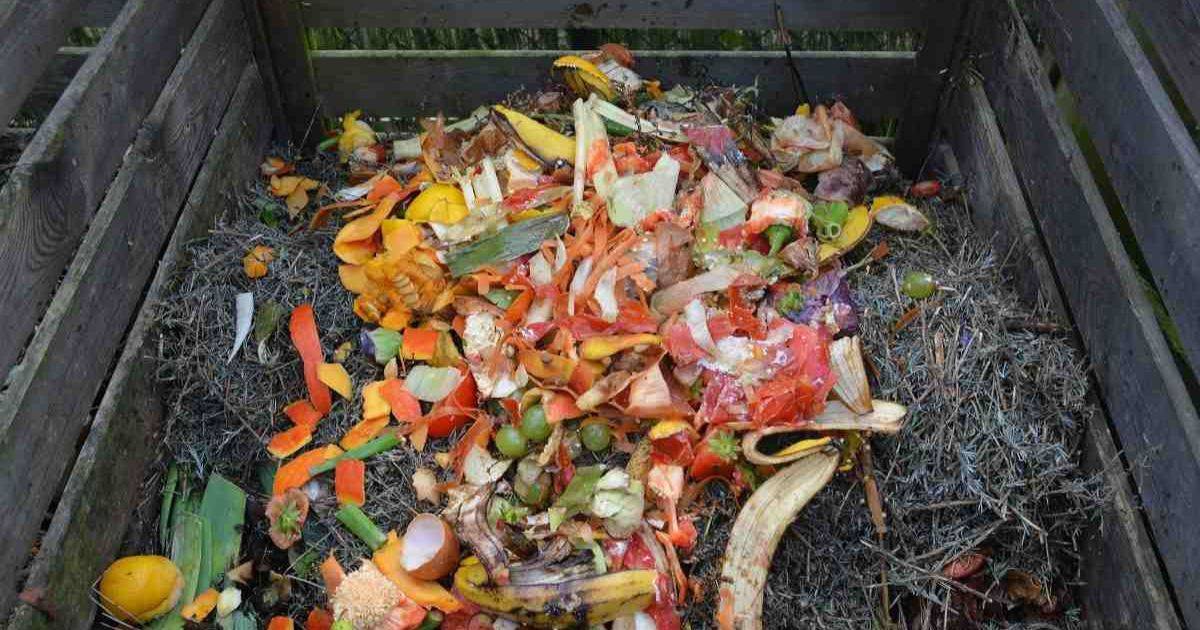
Composting is one of the simplest and most powerful ways to improve your garden soil, reduce household waste, and support sustainable living. Whether you grow vegetables on a farm, manage a backyard garden, or maintain potted plants on a balcony, learning the basics of composting can transform the way you think about food scraps and yard waste.
In this comprehensive 2000-word guide, you’ll know what composting is, how it works, the materials you need, different composting methods, common mistakes to avoid, and practical tips for what do you use compost for success.
What Is Composting?
Composting is the natural process of recycling organic waste—such as vegetable scraps, fruit peels, coffee grounds, grass clippings, and dry leaves—into a nutrient-rich soil amendment called compost. Through the action of microorganisms, fungi, air, and moisture, these materials break down into dark, crumbly humus that improves soil structure and fertility. Composting reduces landfill waste, lowers greenhouse gas emissions, and returns valuable nutrients to the compost for seeds earth.
It enhances the soil’s water retention, supports beneficial microbes, and promotes healthier plant growth without synthetic fertilizers. Suitable for home gardens, farms, and community projects, composting is an eco-friendly practice that transforms everyday waste into a sustainable resource for growing fruits, vegetables, flowers, and trees.
Why Composting Matters
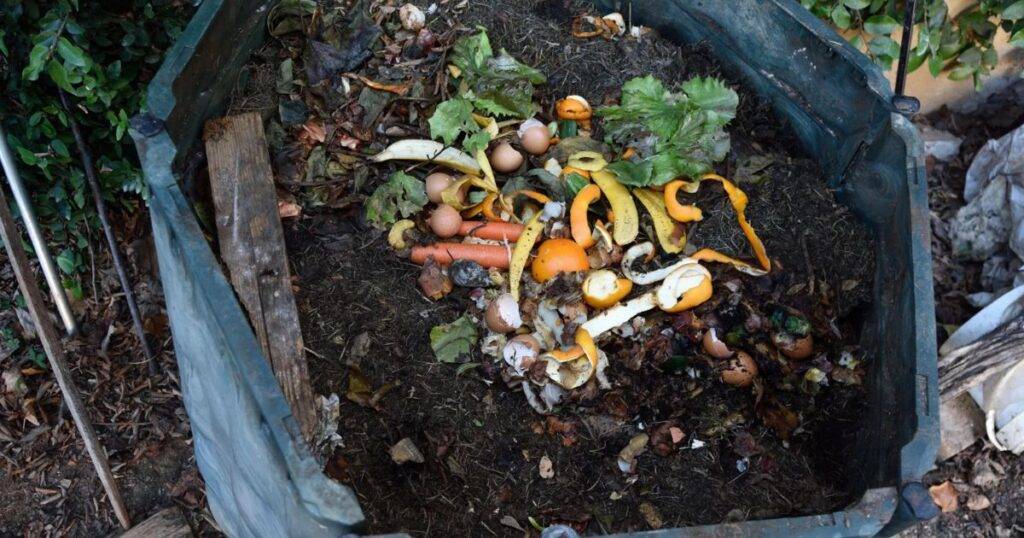 Composting matters because it transforms everyday organic waste into nutrient-rich soil that supports healthier crops, gardens, and ecosystems. Instead of sending food scraps and yard waste to landfills—where they produce harmful methane gas—composting recycles these materials into a valuable natural fertilizer. It improves soil structure, boosts beneficial microbes, increases water retention, and reduces the need for chemical inputs.
For farmers and home gardeners alike, compost strengthens plant roots, enhances yields, and promotes long-term soil fertility. Environmentally, composting lowers greenhouse gas emissions and helps close the nutrient cycle in sustainable agriculture. By turning waste into a resource, composting saves money, reduces pollution, and builds resilient soils for future generations.
Reduces Waste
Reduces Waste Implementing strategies that reduce waste not only conserves resources but also lowers costs and minimizes environmental impact. By optimizing processes, recycling materials, and preventing unnecessary disposal, businesses and individuals can achieve greater efficiency while supporting sustainability. Reducing waste helps protect natural ecosystems, decreases landfill usage, and encourages responsible consumption. From more innovative production methods to mindful everyday habits, adopting waste reduction practices ensures a cleaner, healthier planet for future generations while promoting economic and ecological balance.
Improves Soil Health
Healthy soil grows healthier plants. Compost adds organic matter, improving can i put garlic in compost bin soil aeration and root development. Instead of buying expensive fertilizers or soil conditioners, you create your own nutrient-rich what can’t you compost amendment.
Supports Sustainable Farming
For farmers and gardeners (especially those writing about agriculture topics like you often do), composting plays a key role in regenerative what to compost what not to compost practices.
How Composting Works
Composting is a natural process that turns organic waste into nutrient-rich soil. It works by combining “greens” (nitrogen-rich materials such as fruit scraps and grass clippings) with “browns” (carbon-rich materials such as dry leaves and cardboard) in the presence of oxygen. Microorganisms such as bacteria and fungi break down organic matter, generating heat as they digest it. This heat speeds up decomposition and helps kill weed seeds and harmful pathogens. Proper moisture and regular turning keep the pile aerated and active.
Over time, the mixture transforms into dark, crumbly compost that improves soil structure, boosts plant growth, and enhances water retention. Composting reduces landfill waste and returns valuable nutrients to the earth, supporting sustainable gardening and farming practices.
Browns (Carbon-Rich Materials)
These provide energy for microbes.
Examples:
- Dry leaves
- Straw
- Cardboard
- Paper
- Sawdust
Greens (Nitrogen-Rich Materials)
These provide protein for microbes.
Examples:
- Fruit and vegetable scraps
- Grass clippings
- Coffee grounds
- Fresh plant trimmings
Water
The pile should be damp but not leaking, like a wrung-out sponge. Turning the pile allows oxygen to enter and prevents foul odors.
The Ideal Compost Ratio
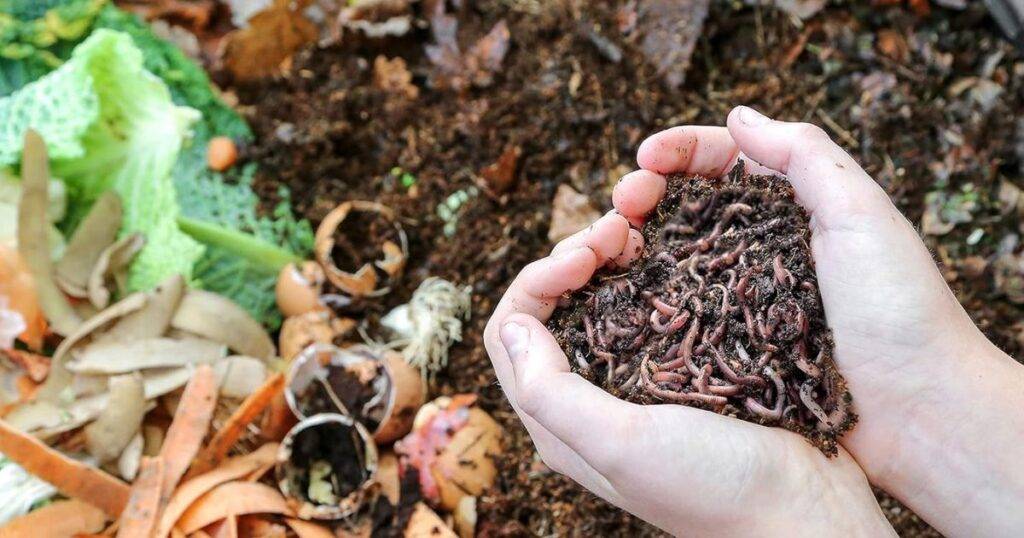 The Ideal Compost Ratio refers to the balanced mix of “greens” (nitrogen-rich materials) and “browns” (carbon-rich materials) needed to create healthy, fast-decomposing compost. The commonly recommended ratio is about 30 parts carbon to 1 part nitrogen (30:1). Browns include dry leaves, straw, cardboard, and wood chips, while greens include kitchen scraps, fresh grass clippings, and What to Use and What Not to Use manure.
Maintaining this balance helps microorganisms break down organic matter efficiently, preventing foul odors and speeding up decomposition. Too much nitrogen can cause a smelly, wet pile, while too much carbon slows the process. With the correct ratio, proper moisture, and regular turning, compost transforms into nutrient-rich how to use compost in a garden soil that naturally improves structure, fertility, and plant growth.
What You Can Compost
Composting turns everyday organic waste into nutrient-rich soil that improves plant growth and reduces landfill waste. You can compost fruit and vegetable scraps, coffee grounds, tea bags, eggshells, and stale bread from your kitchen. Yard waste, such as grass clippings, dry leaves, small branches, and garden trimmings, also breaks down naturally. Shredded paper, cardboard, and untreated wood chips add carbon to balance green materials. Even natural fibers like cotton or wool can be composted in small amounts.
Avoid adding meat, dairy, oily foods, and pet waste, as they attract pests and create odors. By combining “green” nitrogen-rich materials with “brown” carbon-rich materials, you create an ideal environment for microbes to transform waste into dark, crumbly compost that nourishes healthier soil.
Kitchen Waste
- Vegetable peels
- Fruit scraps
- Coffee grounds
- Tea bags (plastic-free)
- Eggshells
Garden Waste
- Grass clippings
- Leaves
- Plant trimmings
- Small twigs
Household Items
- Shredded newspaper
- Cardboard (non-glossy)
- Paper towels (unbleached)
What NOT to Compost
Avoid adding:
- Meat and fish
- Dairy products
- Oily foods
- Pet waste
- Diseased plants
- Glossy or coated paper
These materials can cause odors, attract pests, or introduce pathogens.
Types of Composting Methods
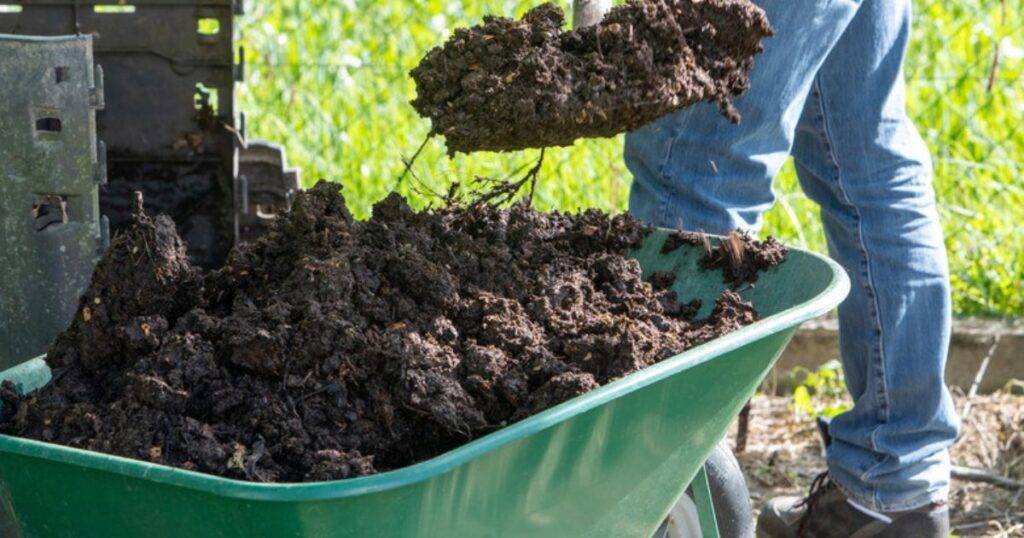 Types of Composting Methods include several practical approaches for turning organic waste into nutrient-rich soil. Hot composting uses a balanced mix of greens and browns to generate high temperatures, breaking down materials quickly. Cold composting is a slower, low-maintenance method where waste decomposes naturally over time. Vermicomposting uses earthworms to convert kitchen scraps into high-quality compost, ideal for small spaces. Bokashi composting ferments food waste using beneficial microbes in an airtight container.
Trench composting involves burying organic matter directly in the soil to enrich garden beds. Each method varies in speed, effort, and space requirements, allowing gardeners and farmers to choose the best system for their needs and sustainability goals.
Backyard Composting (Traditional Pile)
This is the most common method.
Best for: Homes with gardens
Space needed: Medium to large yard
Steps:
- Choose a dry, shaded spot.
- Start with coarse browns at the bottom.
- Alternate greens and browns.
- Add water as needed.
- Turn every 1–2 weeks.
Compost is usually ready in 2–6 months.
Bin Composting
Uses a container (plastic or wooden) to contain materials.
Benefits:
- Neater appearance
- Faster heating
- Easier management
Suitable for suburban homes and small gardens.
Vermicomposting (Worm Composting)
Uses worms (usually red wigglers) to break down food scraps.
Best for:
- Apartments
- Indoor composting
- Small households
Worm castings are extremely nutrient-rich and excellent for vegetable crops.
Trench Composting
Bury kitchen scraps directly in the soil.
Steps:
- Dig a trench 8–12 inches deep.
- Add scraps.
- Cover with soil.
This method is low-maintenance and ideal for vegetable gardens.
Bokashi Composting
A fermentation method using special bran and microbes.
Advantages:
- Handles meat and dairy
- Odor-controlled
- Indoor friendly
After fermentation, the material must be buried in soil.
Step-by-Step: How to Start Composting at Home
Learn how to turn everyday kitchen scraps and yard waste into nutrient-rich soil with this easy, step-by-step guide to starting composting at home. This beginner-friendly description walks you through choosing the proper composting method, selecting a bin or pile location, and understanding the perfect balance of green and brown materials. Discover what you can and cannot compost, how to maintain moisture and airflow, composting basics and simple tips to speed up decomposition.
Whether you have a large backyard or a small balcony, composting is an affordable, eco-friendly way to reduce waste and improve garden health. Start building healthier soil naturally while lowering your household’s environmental footprint.
Choose Your Method
Choose Your Method – Empower your decision-making with the freedom to select the approach that fits your goals. Whether it’s a step-by-step process, a flexible strategy, or an innovative technique, this feature lets you tailor your actions for maximum efficiency and success. Explore options, compare outcomes, and choose the method that best aligns with your compost for planting seeds needs.
Select a Location
- Well-drained area
- Partial shade
- Easy access to water
Build the Base
- Start with twigs or straw to allow airflow.
- Alternate browns and greens.
- Sprinkle water when dry.
- Mix every 1–2 weeks.
Finished compost looks:
- Dark brown or black
- Crumbly texture
- Earthy smell
How Long Does Composting Take?
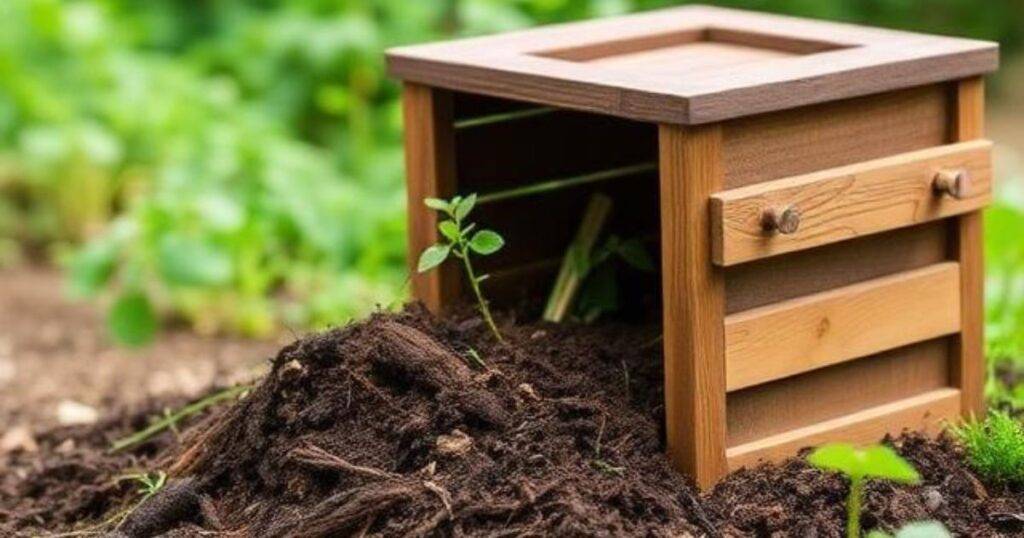 Composting typically takes anywhere from 2 months to 2 years, depending on the method, materials, and environmental conditions. Fast “hot composting” systems can produce finished compost in as little as 8–12 weeks when the pile is appropriately balanced with greens (nitrogen-rich materials) and browns (carbon-rich materials), kept moist, and turned regularly. In contrast, “cold composting” requires less maintenance but may take a year or more to break down fully.
Factors such as temperature, oxygen flow, particle size, and moisture levels significantly influence the speed of decomposition. Smaller materials decompose faster, and warm climates accelerate microbial activity. With proper care and monitoring, composting becomes an efficient way to recycle kitchen scraps and yard waste into composting basics nutrient-rich soil.
Signs Your Compost Is Working
- Pile heats up (steam may appear)
- Materials shrink in size
- Earthy smell (not rotten)
- Dark, crumbly texture develops
If it smells bad, it likely needs more browns or better airflow.
Common Composting Problems & Solutions
Composting can be an advantageous way to recycle organic waste, but beginners often face challenges. Common problems include foul odors, usually caused by too much wet or green material; slow decomposition, often due to insufficient aeration or an imbalance of greens and browns; pests, attracted by exposed food scraps; and a compost pile that’s too dry or too wet.
Solutions involve turning the pile regularly to improve airflow, maintaining a proper mix of nitrogen-rich greens and carbon-rich browns, covering food scraps to deter pests, and monitoring moisture levels to keep the pile damp but not soggy. With these adjustments, composting becomes efficient, odor-free, and produces rich, nutrient-dense soil for gardening composting basics success.
Problem: Bad Smell
Cause: Too many greens
Fix: Add dry leaves or cardboard and turn the pile.
Problem: Too Slow
Cause: Too dry or too many browns
Fix: Add greens and water.
Problem: Flies or Pests
Cause: Food exposed
Fix: Bury scraps under browns.
Benefits of Compost for Gardening
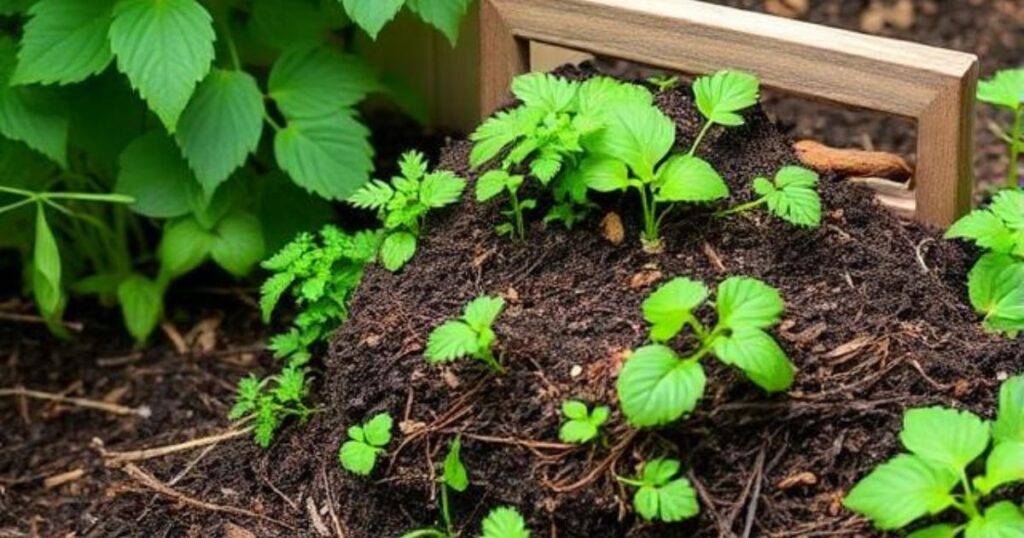 Compost is a natural powerhouse for gardening, transforming organic waste into nutrient-rich soil that promotes healthy plant growth. By adding compost to your garden, you improve soil structure, enhancing water retention and aeration, which helps roots thrive. It reduces the need for chemical fertilizers and supports soil health by providing vital nutrients like potassium, phosphorus, and nitrogen—sustainable gardening what can you put into compostpractices.
Compost also encourages beneficial microbial activity, protecting plants from diseases and pests while boosting overall soil fertility. Additionally, it helps recycle kitchen scraps and yard waste, reducing waste sent to landfills.
Improves Water Holding Capacity
Improving water-holding capacity refers to the ability of soil or growing mediums to retain moisture for extended periods, ensuring plants have consistent access to water. This enhancement reduces irrigation frequency, prevents water stress, and supports healthier root development. Soils with improved water holding capacity also minimize nutrient leaching, promoting better growth and higher crop what is good for compost yields.
Enhances Drainage
Enhancing drainage means improving the natural flow of water through soil or planting areas to prevent waterlogging and root rot. Promoting efficient water movement ensures that plants receive the right amount of moisture while excess water is quickly carried away. This process supports healthier root systems, reduces soil compaction, and minimizes compost for garden soil nutrient loss.
Increases Nutrient Availability
Enhancing nutrient availability is essential for healthy plant growth and higher crop yields. By improving soil structure, microbial activity, and nutrient cycling, plants can more efficiently absorb crucial nutrients such as nitrogen, phosphorus, and potassium. This process not only supports stronger roots, greener foliage, and better flowering or fruiting but also reduces the need for excessive chemical fertilizers.
Composting for Farmers
For larger-scale agriculture:
- Windrow composting (long rows turned by machinery)
- Aerated static piles
- Compost spreaders for field application
Composting reduces fertilizer costs and improves long-term soil fertility.
Composting in Small Spaces
If you live in an urban area:
- Use sealed bins
- Try vermicomposting
- Use balcony compost tumblers
- Share community composting programs
Even small efforts reduce waste significantly.
Composting Safety Tips
- Wear gloves when handling compost
- Wash your hands after turning the pile
- Avoid composting pet waste (unless a specialized system)
- Keep compost covered during heavy rain
How to Use Finished Compost
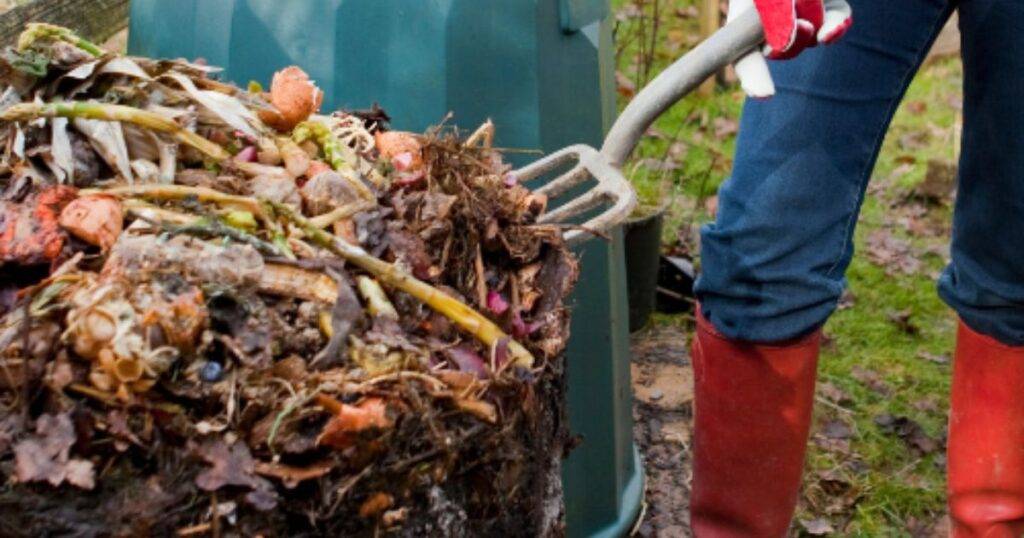 Finished compost is a nutrient-rich soil amendment that improves plant growth, soil structure, and moisture retention. To use it effectively, spread a 1–3 inch layer over garden beds or around trees and shrubs, then lightly mix it into the topsoil. It can also be used as a potting mix ingredient for container plants, providing essential nutrients for healthy roots. Mulching with compost helps suppress weeds and regulate soil temperature. For lawns, sprinkle a thin, even layer to enrich the soil. Always avoid over-application, and ensure compost is fully decomposed to prevent plant damage.
Soil Amendment
Soil Amendment refers to any material added to soil to improve its physical or chemical properties, enhancing plant growth and crop yield. Common amendments include compost, manure, peat moss, lime, and biochar, which help improve soil structure, water retention, aeration, and nutrient availability. They can also correct pH imbalances and support beneficial microbial activity. By enriching poor or depleted soils, soil amendments create a healthier environment for roots, promote sustainable agriculture, and increase overall productivity in gardens and farms.
Mulch
Mulch is a protective layer of organic or inorganic material spread over soil to conserve moisture, regulate temperature, and suppress weeds. Common types include wood chips, straw, compost, and plastic sheets. Mulching enriches soil fertility, prevents erosion, and enhances plant growth by maintaining a stable root what and what not to compost environment. It also adds aesthetic appeal to gardens and landscapes.
Seasonal Composting Tips
Seasonal composting is a smart way to turn kitchen scraps, garden waste, and fallen leaves into nutrient-rich soil year-round. Adjust your composting methods according to the season: in spring and summer, balance green and brown materials and keep your pile moist; in fall, add abundant leaves and garden debris; in winter, insulate your compost and use a bin to retain heat.
Environmental Impact of Composting
Composting is a sustainable waste management practice that transforms organic materials, such as food scraps and yard waste, into nutrient-rich soil. By diverting these materials from landfills, composting significantly reduces methane emissions, a potent greenhouse gas. It enriches soil health, improves water retention, and decreases the need for chemical fertilizers, promoting healthier ecosystems.
Additionally, composting supports carbon sequestration, reduces soil erosion, and fosters biodiversity in gardens and farms. Overall, adopting composting not only minimizes environmental pollution but also contributes to a circular, eco-friendly system where organic waste is repurposed into valuable resources, benefiting both the planet and agriculture.
Conclusion:
Composting is a simple, eco-friendly way to recycle kitchen scraps and garden waste into nutrient-rich soil. By balancing “greens” (like vegetable peels) and “browns” (like dry leaves), maintaining moisture, and turning the pile regularly, you can speed up decomposition. Composting not only reduces household waste but also enriches your garden, improves soil structure, and supports healthy plant growth.
Starting small and observing your compost’s progress helps refine the process over time. With patience and consistency, anyone can turn everyday organic waste into valuable compost, making gardening more sustainable and environmentally responsible.
FAQ:
What is Composting?
Composting is the natural process of recycling organic matter—like food scraps and yard waste—into a nutrient-rich soil amendment called compost.
How Long does Compost take?
Composting can take 2–6 months for kitchen scraps, depending on pile size, ingredients, moisture, and aeration.
How do I know When Compost is Ready?
Finished compost is dark brown, crumbly, and smells earthy. You should not see recognizable food scraps.
Can I Compost Indoors?
Yes! Use a small indoor bin or worm (vermicomposting) system. Make sure to maintain moisture and airflow.
Can I Compost Indoors?
Yes! Use a small indoor bin or vermicomposting with worms. Ensure proper ventilation and avoid adding meat or oily foods.
