

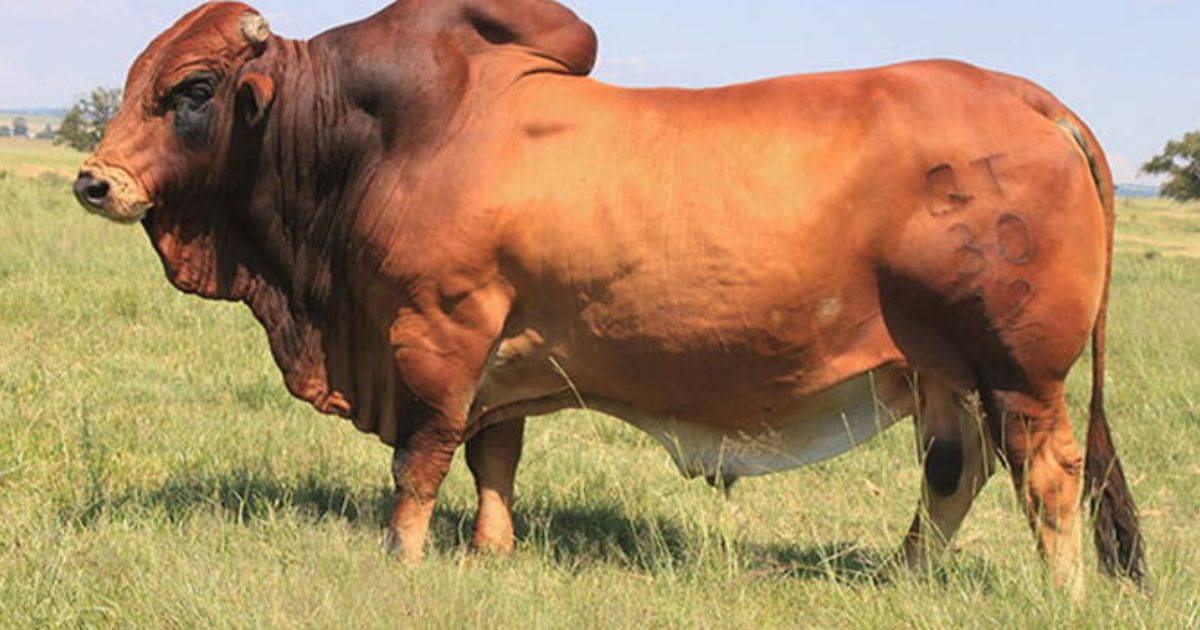
Determining how much a bull costs is more than just checking a price tag—it involves understanding breed, age, health, and purpose. Bulls are essential investments for both small farms and large ranches, contributing to breeding programs, herd improvement, and livestock production. Prices can vary widely depending on genetics, weight, and market demand, making it crucial for farmers and ranchers to understand the factors that influence costs.
Whether you’re looking for a bull for dairy, beef, or mixed farming, understanding the price range and what drives it helps ensure a wise, long-term investment in your herd’s productivity.
How Much Does a Bull Cost?
The cost of a bull varies widely depending on breed, age, genetics, purpose, and location. On average, a commercial beef bull can cost between $2,000 and $5,000, while high-quality registered or purebred bulls with strong bloodlines may range from $5,000 to $20,000 or more. Factors such as fertility, health records, weight, and performance data also influence Price. Bulls raised for breeding typically cost more than those sold for meat feeder bull prices production.
Additionally, market demand, feed costs, and transportation expenses can affect overall pricing. Farmers should also consider long-term maintenance costs, including feed, veterinary care, and housing, when budgeting for a bull.
Bull Cost by Breed
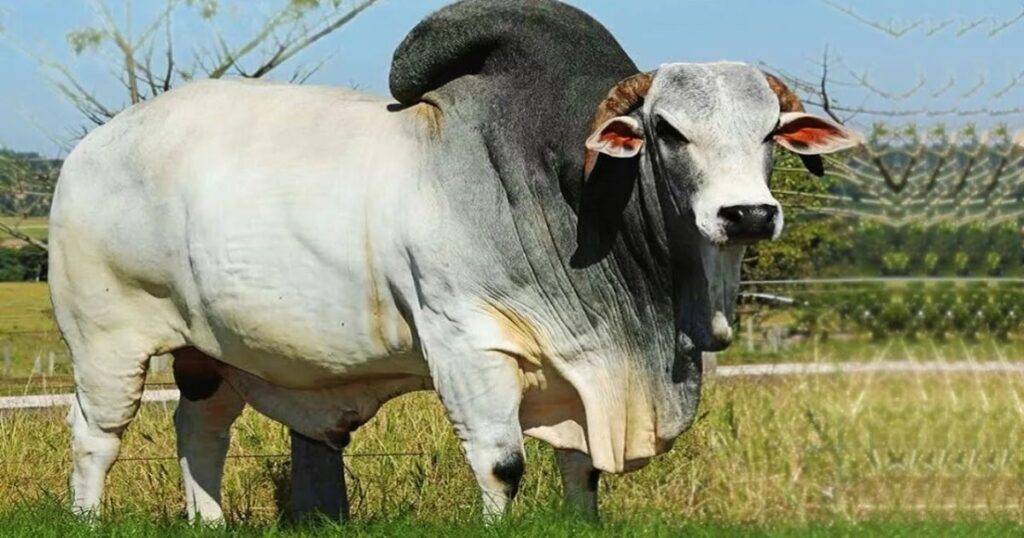 Bull Cost by Breed varies widely depending on genetics, purpose, age, and market demand. Beef breeds like Angus and Hereford often command higher prices due to strong growth rates and meat quality, while dairy breeds such as Holstein may cost less if raised primarily for breeding rather than beef production. Rare or heritage breeds can also command premium prices due to limited simmental bull availability.
Performance-tested, registered, and pedigree bulls typically cost more than commercial-grade animals. Additional factors influencing Price include health records, fertility testing, body condition, and regional supply and demand. Farmers should compare breed characteristics and long-term productivity before beef bulls investing in a bull.
Angus Bulls
The Angus Bull is a robust and highly prized breed of cattle known for its strength, adaptability, and superior meat quality. Originating from Scotland, Angus bulls are naturally polled (hornless) with a sleek black or red coat. They are celebrated for their calm temperament, muscular build, and ability to thrive in diverse climates. Angus bulls play a vital role in beef production due to their excellent marbling, tenderness, and flavor. Ideal for crossbreeding, they enhance herd genetics while maintaining hardiness and efficient feed conversion, making them a top choice for farmers worldwide.
Hereford Bulls
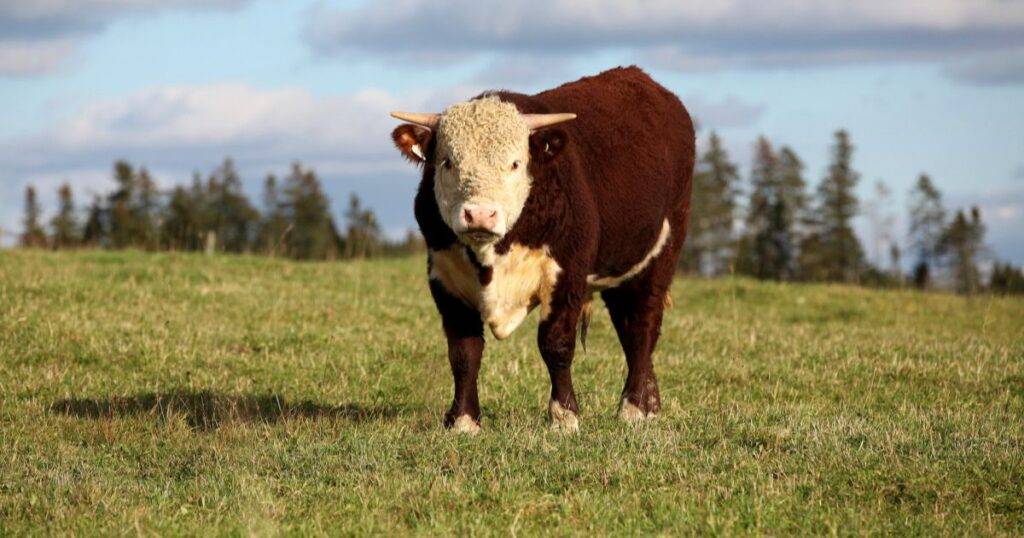
Hereford bulls are a renowned beef cattle breed, recognized for their distinctive red bodies and white faces. Originating from Herefordshire, England, they are prized for their docile temperament, adaptability, and strong maternal traits. Known for efficient weight gain and high-quality marbled meat, Hereford bulls are a popular choice in both commercial and small-scale beef farming. They thrive in diverse climates, resist harsh conditions, and contribute to crossbreeding programs to improve herd performance. Their calm nature and robust build make them ideal for sustainable and profitable cattle operations.
Brahman Bulls
Brahman bulls are a robust, hardy breed originating in India, renowned for their adaptability to hot, humid climates. They have a distinctive hump over their shoulders, loose skin, and large, drooping ears, which help with heat tolerance. Known for their strong musculature and calm temperament, Brahman bulls are prized in crossbreeding programs for their contributions to disease resistance, longevity, and meat quality. They thrive on diverse grazing conditions, making them ideal for both extensive and intensive farming how much is a bull worth systems. Their resilience and strength make them a valuable asset in modern cattle farming.
Highland Bulls
Highland cattle are known for their long horns and thick coats.
Average Price: $3,000 – $8,000
They are often raised for specialty beef markets or hobby farms.
Age and Its Impact on Price
Age plays a significant role in determining the Price of products, animals, property, and collectibles. In many markets, newer items often command higher prices because they offer longer useful life, greater productivity, and lower maintenance costs. For example, young livestock may be more valuable due to their breeding potential and longer how much are bulls worth productive lifespan.
Conversely, in antiques and rare collectibles, greater age can increase value, especially when combined with rarity, condition, and historical significance. However, depreciation commonly affects machinery, vehicles, and electronics as they age. Ultimately, the relationship between age and Price depends on demand, durability, condition, and market trends.
Calf (Under 12 Months)
- Cheapest option
- Not ready for breeding
- Higher risk
Yearling (12–18 Months)
- Most popular choice
- Good balance of Price and breeding potential
- $1,500 – $4,500
Mature Bull (2–4 Years)
- Proven fertility
- Ready for immediate breeding
- $3,000 – $8,000
Proven Elite Bull
- Documented offspring performance
- $10,000+
Older bulls cost more because fertility and genetics are proven.
Registered vs Commercial Bulls
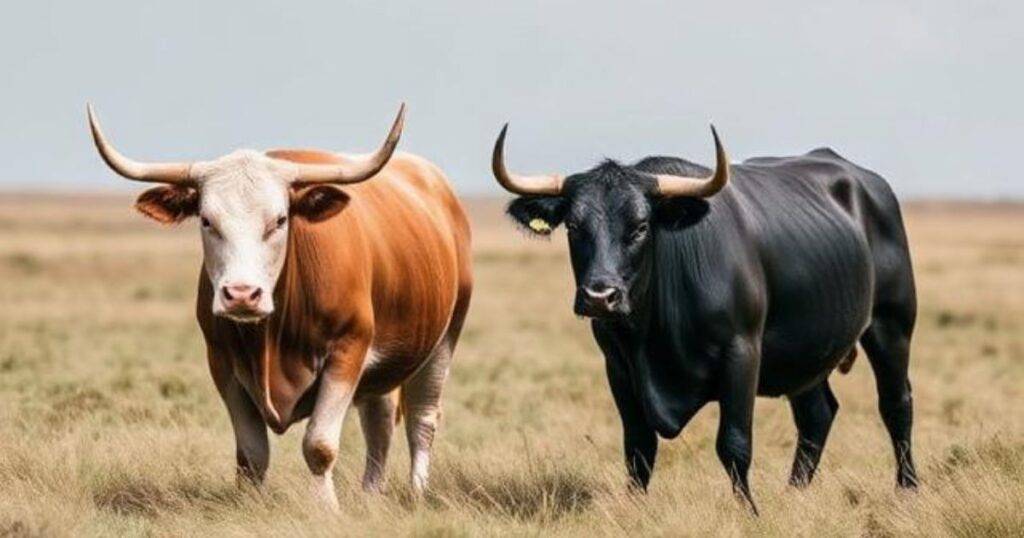 Registered vs Commercial Bulls refers to two distinct categories of breeding cattle used in livestock production. They come with documented pedigrees, genetic data, and performance records, making them valuable for improving herd genetics and maintaining breed standards. In contrast, commercial bulls are not registered how much does a bull cost with a breed breeding bulls association.
Commercial Bull
- No pedigree papers
- Lower Price
- Suitable for small farms
Registered Bull
- Documented bloodline
- Performance records (EPDs)
- Higher resale value
- Costs 2–5 times more
If improving herd genetics is your goal, a registered bull may be worth the investment.
Cost by Purpose
Cost by Purpose refers to the allocation and analysis of expenses based on their intended function or objective within a business, project, or farming operation. By categorizing costs according to purpose—such as production, maintenance, marketing, research, or labor—organizations gain clearer insights into where resources are being utilized and which areas require optimization. This approach allows for more accurate how much are bulls budgeting, strategic decision-making, and performance how much are bulls evaluation.
For example, in agriculture, costs can be separated into livestock care, feed, equipment, and land management. Understanding costs by purpose helps businesses prioritize investments, reduce waste, and semintal bull maximize efficiency while aligning spending with organizational how much is a bull goals.
Beef Production Bull
Most common type.
Cost: $2,000 – $6,000
Used to produce calves for meat markets.
Dairy Bull
Common dairy breeds include:
- Holstein Friesian
- Jersey cattle
Cost: $1,500 – $5,000
Many dairy farms prefer artificial insemination instead of keeping a bull.
Show or Genetic Bull
- Premium bloodlines
- Superior conformation
- High-demand semen
Price: $10,000 – $100,000+
These bulls are often sold at elite livestock auctions.
Hidden Costs of Owning a Bull
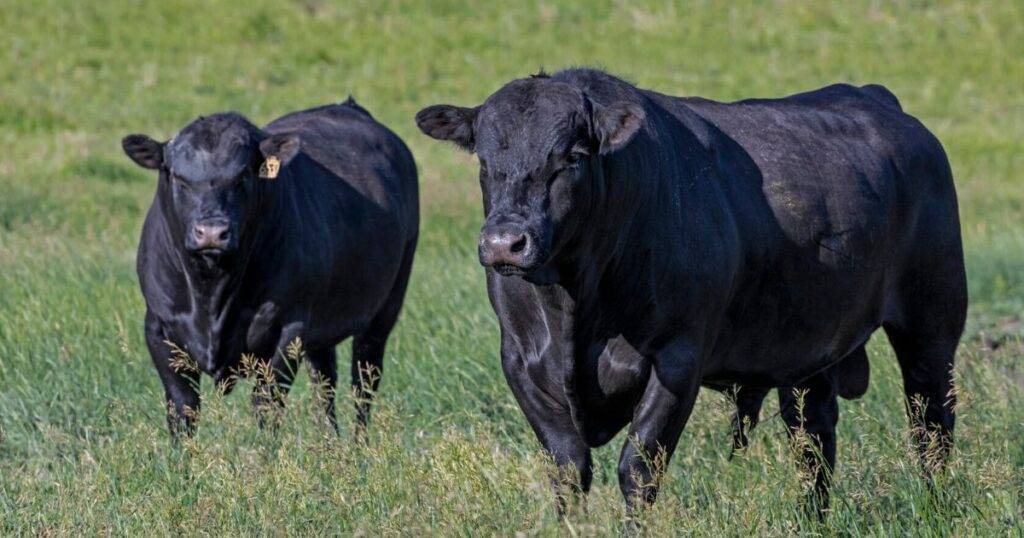 Owning a bull may seem profitable for breeding or herd improvement, but hidden costs can quickly add up. Beyond the initial purchase price, bulls require higher feed intake, stronger fencing, and secure housing to prevent escapes or injuries. Veterinary expenses increase due to vaccinations, fertility testing, and potential injuries from aggressive behavior. Insurance and liability risks are also higher, especially if a bull damages belgian blue bull price property or harms livestock or people.
Transportation and handling equipment must be sturdy and well-maintained. Additionally, bulls may cause stress in the herd, leading to reduced productivity. Understanding these hidden expenses helps farmers make smarter, more sustainable livestock management beef bull decisions.
Feed Costs
Feed costs are a significant component of livestock and poultry farming, representing the expenses associated with providing animals with the nutrition they need for growth, health, and productivity. These costs vary depending on the type of feed, quality, market prices, and the species being raised. Efficient feed management is essential to maximize profitability, reduce waste, and ensure optimal animal performance. Farmers often balance between commercial feeds, homemade rations, and seasonal forages to control expenses. Understanding feed costs helps in budgeting, planning, and sustaining a profitable farming operation.
Veterinary Expenses
Veterinary expenses refer to the costs associated with the healthcare and medical treatment of animals, whether pets, livestock, or exotic species. These expenses typically cover routine check-ups, vaccinations, medications, surgeries, diagnostic tests, and emergency care. For farmers and pet owners alike, veterinary costs are essential for ensuring animal health, preventing disease, and maintaining productivity and well-being. Proper budgeting for veterinary care helps avoid unexpected financial burdens, supports timely treatment, and promotes the longevity and quality of life of animals under toros simmental human care.
Housing and Fencing
Proper housing and fencing are essential components of successful livestock and poultry management. Well-designed housing shelters animals from extreme weather, predators, and disease, ensuring comfort and optimal growth. Adequate ventilation, lighting, and space contribute to animal health and productivity. Complementing this, strong, secure fencing protects livestock, defines grazing areas, and prevents escapes or intrusions.
Materials and design should suit the type of animal and farm environment. Together, adequate housing and fencing create a safe, controlled, and productive farming setup that supports both animal welfare and farm how much does a bull cost to buy efficiency.
Insurance
High-value bulls are often insured.
Cost:
- 3%–6% of the bull’s value annually
For a $10,000 bull, insurance may cost $300–$600 per year.
Transportation Costs
Transportation costs are the expenses incurred for moving goods, raw materials, or people from one location to another. These costs play a significant role in agriculture, manufacturing, retail, and global trade. They typically include fuel, vehicle maintenance, driver wages, insurance, tolls, storage, and logistics management. Transportation costs can vary depending on distance, shipment size, fuel prices, infrastructure quality, and the mode of transport used (road, rail, air, or sea).
Efficient transportation systems help businesses reduce overall expenses, maintain competitive pricing, and ensure timely delivery. Managing transportation costs effectively improves profitability, supply chain performance, and customer satisfaction in both local and international markets.
- $2–$5 per mile
- $300–$1,500 for long-distance transport
Always factor in delivery fees when budgeting for your purchase.
Is Artificial Insemination (AI) Cheaper?
AI costs:
- $20–$100 per semen straw
- $40–$100 technician fee per cow
For small herds (under 15 cows), AI is often cheaper than owning a bull.
For larger herds (20+ cows), owning a bull may be more economical in the long term.
How Many Cows Can One Bull Service?
Transportation costs are the expenses incurred for moving goods, raw materials, or people from one location to another. These costs play a significant role in agriculture, manufacturing, retail, and global trade. They typically include fuel, vehicle maintenance, driver wages, insurance, tolls, storage, and logistics management. Transportation costs can vary depending on distance, shipment size, fuel prices, infrastructure quality, and the mode of transport used (road, rail, air, or sea).
Efficient transportation systems help businesses reduce overall expenses, maintain competitive pricing, and ensure timely delivery. Managing transportation costs effectively improves profitability, supply chain performance, and customer satisfaction in both local and international markets.
Regional Price Differences
Bull prices vary based on:
- Local cattle demand
- Feed availability
- Climate suitability
- Export markets
In areas with strong beef demand, prices tend to be higher.
Best Time to Buy a Bull
 Knowing the best time to buy a bull is crucial for maximizing farm productivity and herd quality. Bulls are typically purchased when they are healthy, mature, and have proven genetics, usually between 1.5 and 3 years old, depending on the breed. Seasonal timing also matters: buying in late winter or early spring allows bulls to acclimate before the breeding season, ensuring optimal fertility and performance.
Market trends, availability, and prices fluctuate, so monitoring livestock sales and auctions can help secure a quality bull at a fair cost. Prioritizing health checks, veterinary certifications, and genetic records ensures your investment strengthens your herd for years to come.
Tips for Buying a Bull
Before purchasing:
- Check fertility test results
- Inspect feet and legs
- Look for a calm temperament
- Review performance records
- Compare multiple breeders
- Avoid aggressive bulls or animals with structural problems.
Long-Term Return on Investment
Long-term return on investment (ROI) measures the profitability of an asset, project, or portfolio over an extended period, typically several years. Unlike short-term gains, it emphasizes sustained growth, stability, and the compounding effect of reinvested earnings. Investors and businesses use long-term ROI to evaluate strategic decisions, assess financial health, and compare potential opportunities.
It considers not only capital appreciation but also dividends, interest, and other recurring benefits, providing a comprehensive view of overall performance. Understanding long-term ROI helps stakeholders make informed choices, plan for future growth, and balance risk versus reward, ultimately guiding investments toward sustainable, lasting financial success.
Conclusion:
In conclusion, the cost of a bull varies widely depending on factors such as breed, age, genetics, and purpose—whether for breeding, meat production, or show. High-quality purebred bulls with strong genetics naturally command higher prices, often ranging from a few thousand to tens of thousands of dollars. In contrast, standard or crossbred bulls are more affordable.
Additional considerations, such as health, vaccination status, and local market demand, also affect pricing. Prospective buyers should carefully evaluate their herd’s needs, long-term goals, and budget before investing. Ultimately, understanding these variables ensures an innovative and profitable bull purchase for any farm.
FAQ:
What Factors Affect the Price of a bull?
A bull’s cost depends on breed, age, genetics, health, purpose (breeding vs. meat), and market demand. Purebred or high-genetic-value bulls are significantly more expensive than crossbred or general-purpose bulls.
How Much does age Affect bull Pricing?
Younger bulls (1–2 years) suitable for breeding are often priced lower but require time to reach maturity. Mature bulls (3–5 years old) ready for immediate breeding may cost more due to their proven fertility and size.
Do Different Breeds cost Differently?
Yes. Popular beef breeds like Angus, Hereford, and Charolais may be more expensive due to demand. Dairy breeds like Holstein and Jersey bulls vary in milk production genetics.
Are there Additional Costs Beyond the Purchase price?
Yes. Bulls require proper feeding, housing, vaccinations, breeding management, and sometimes transportation. Insurance and registration fees may also apply.
Is it Cheaper to buy a bull or use Artificial Insemination?
Artificial insemination (AI) can be more cost-effective for small herds or high-quality genetics without maintaining a bull. Bulls are better for larger herds or natural breeding programs.
