
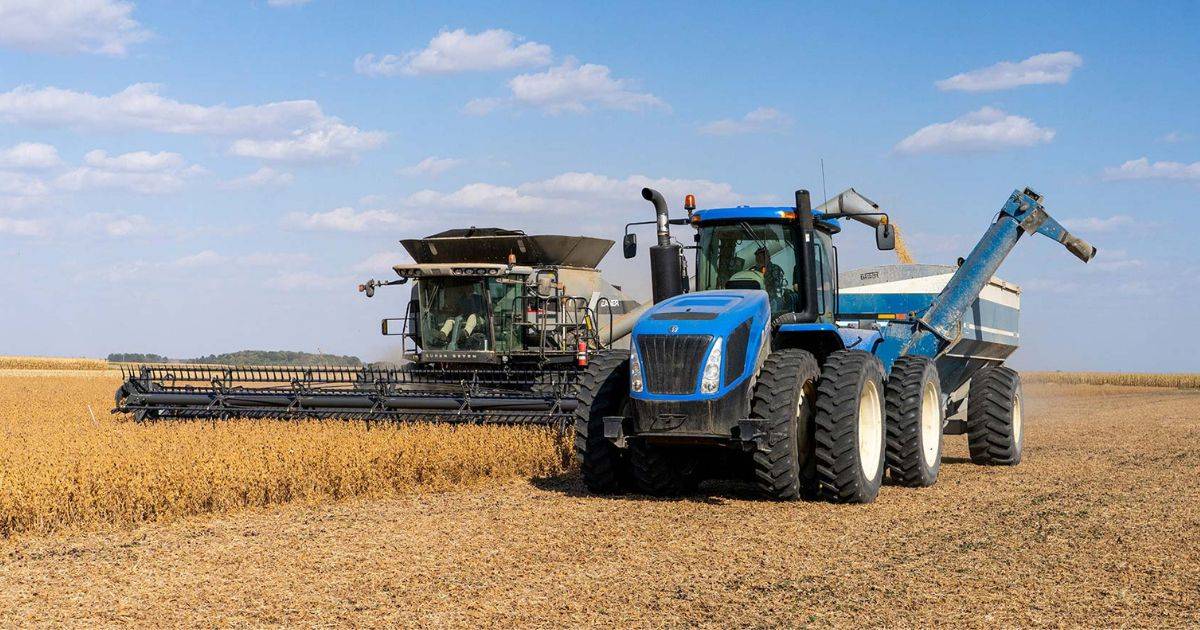
In modern agriculture (ag), improving yields and profitability no longer relies on guesswork. Today, farmers and every grower rely on harvest data and advanced ag technology tools to make smarter decisions. Harvest data optimization allows farmers to analyze data, identify trends, and leverage insight to improve overall farm management.During and throughout harvest, valuable yield data, weather conditions, and crop quality information are collected using tools such as sensor systems, FieldView, and other cloud-based systems. This data provides a strong basis for analyzing yield and for setting yield goals next season.
By using predictive analytics and business intelligence, farmers can optimize input, reduce waste, and assign a monetary value to yield, improving overall margins and ROI (return on investment). With proper data analysis, growers can identify field variability affected by rainfall, nutrient, or pest issues.Ultimately, harvest data optimization is a comprehensive solution that helps farmers make improvements for next season, ensuring better productivity, smarter decisions, and higher profits.
What is Harvest Data Optimization?
Harvest data optimization is the process of collecting, organizing, and analyzing yield data to improve decision-making and farm performance. It involves using maps with ag technology tools, yield maps with ag technology, and systems like FieldView or WinField United to gather actionable insight.Farmers collect datasets such as soybean yield, moisture levels, and crop quality during the growing season. However, raw data often includes outliers and bad data sets that can distort results, so cleaning and validating the data is critical. Ensuring file-naming conventions, confirming fields are aligned and consistent, and avoiding multiple names for the same field are key steps.
Once clean, this data is used to identify the highest- and lowest-producing areas, helping farmers optimize yield potential. With tools that calculate profitability, growers can also evaluate input costs, Sustainable Irrigation assign a monetary value, and measure ROI.This process provides a basis for analyzing yield goals next season and supports continuous learning. By working closely with an agronomist, farmers can refine strategies, improve fertility programs and in-season management, and ultimately boost productivity.
How Harvest Data Optimization Improves Farm Productivity
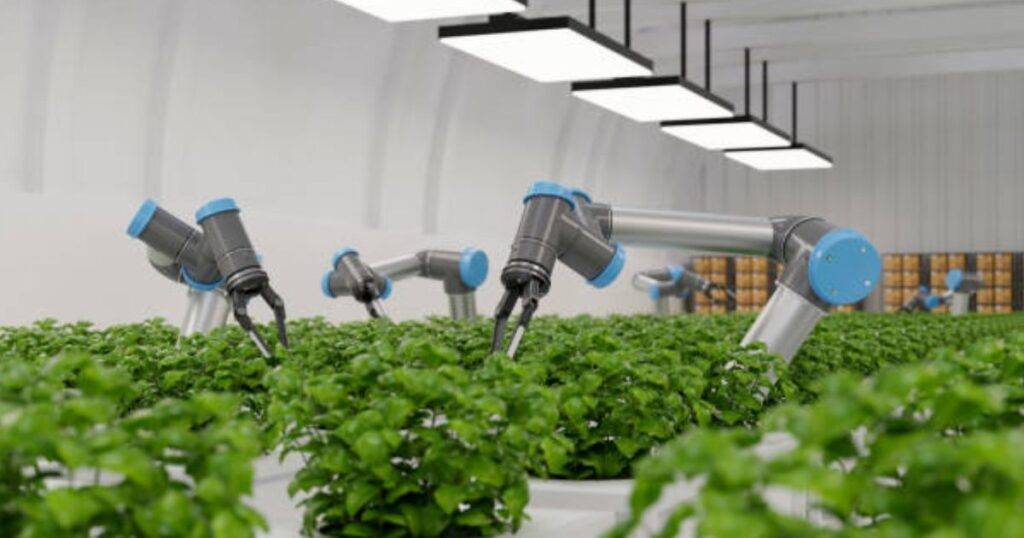
The biggest advantage of harvest data optimization is its ability to turn raw numbers into actionable insight. By analyzing data, farmers can make decisions that directly impact yield and profitability.For example, analyzing yield maps with ag technology helps identify the highest- and lowest-producing zones in a field. This allows growers to tweak input, adjust nutrient application, and improve fertility programs and in-season management. It also helps determine better seed selection and pest control strategies.
By combining historical data with weather conditions such as rainfall, farmers can understand patterns and reduce risks. Predictive analytics can send an alert when conditions may affect crop quality or yield.By entering input costs into technology tools that calculate profitability, farmers can evaluate overall margins and measure return on investment (ROI). This ensures that every farming decision contributes to better financial outcomes.Ultimately, this workflow enables farmers to refine, optimize, and continuously improve operations. It provides a strong basis for analyzing yield goals, helping farmers prepare for harvest and achieve consistent productivity growth.
Tools and Technologies Used
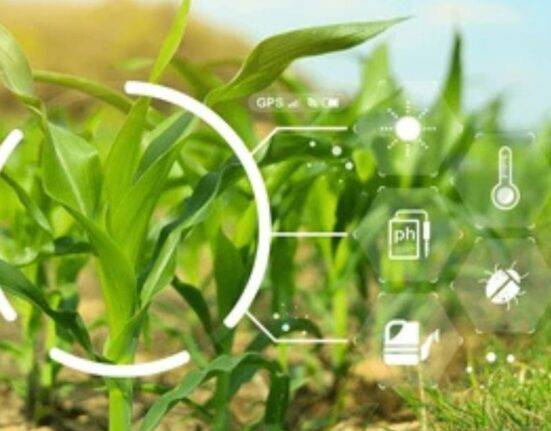
Modern harvest data optimization depends heavily on ag technology tools that calculate performance and profitability. Platforms like FieldView and solutions from WinField United provide cloud-based systems that store and process large volumes of harvest data.These tools integrate sensor data, yield maps, and weather conditions into one computer system, creating a comprehensive solution for farmers. They also support maps with ag technology tools, helping visualize field variability affected by different factors.Advanced systems use predictive analytics and business intelligence to analyze data and provide recommendations. They can detect outliers and bad data sets, remove sets that can distort results, and generate accurate insights.
Additionally, these tools help assign a monetary value to yield, track input costs, and calculate ROI. Farmers can also use them to monitor postharvest performance and refine strategies.By using these technologies, growers can build a data-driven workflow, improve farm management, and make informed decisions that enhance productivity and profitability.
Best Practices for Harvest Data Optimization
To fully leverage harvest data, farmers should follow structured best practices. First, always confirm that file-naming conventions are consistent and ensure fields are aligned and consistent. Avoid using different names for the same field, as it can distort analysis.Second, clean your data by removing outliers and datasets that can distort results. This ensures accurate data analysis and better conclusions.Third, always work with your agronomist, or meet with them, to interpret data. Their agronomic insight helps identify issues related to nutrient, pest, and rainfall impacts.
Fourth, track input costs carefully and use tools to calculate profitability. This allows you to assign a monetary value, evaluate overall margins, and measure ROI.Finally, use insights to tweak programs, refine strategies, 3 Big Things Successful Farming Today and make improvements for next season. This includes improving seed selection, adjusting fertility programs, and optimizing in-season management.By following these steps, farmers can turn harvest data available into actionable insights, improving productivity and long-term success.
Challenges in Implementing Harvest Data Optimization
While harvest data optimization offers significant benefits, many farmers and growers face real challenges when implementing it effectively. From managing complex datasets to using advanced ag technology tools, these obstacles can affect yield, profitability, and overall farm management. Below are the key challenges explained in detail:
Data Quality Issues and Inaccurate Data Sets
One of the biggest challenges is dealing with poor-quality harvest data. During and throughout harvest, data collected from sensor systems, machines, or platforms such as FieldView may contain outliers and bad data sets. These data sets, which can distort results, make accurate data analysis difficult.If farmers fail to clean and verify their data, it may lead to inaccurate perceptions and poor decisions. Ensuring reliable yield data requires removing sets that can distort results and validating information before using it to analyze data or make decisions.
Lack of Technical Knowledge and Training
Many growers struggle to understand how to use tools that calculate performance and tools that calculate profitability. Without proper training, it becomes difficult to effectively leverage the available harvest data.Farmers may not fully understand how to interpret yield maps with ag technology, use predictive analytics, or apply business intelligence. This lack of knowledge limits their ability to optimize processes, refine strategies, and improve return on investment (ROI).
High Initial Investment Costs
Implementing harvest data optimization often requires a significant investment in cloud-based computing systems, sensors, and software, such as those offered by WinField United. These tools help analyze data, track input costs, and assign a monetary value to yield, but they can be expensive.For small-scale farmers, this cost can be a major barrier. Without proper budgeting and understanding of overall margins, it may be difficult to justify the investment, even though it improves long-term profitability.
Data Management and Organization Challenges
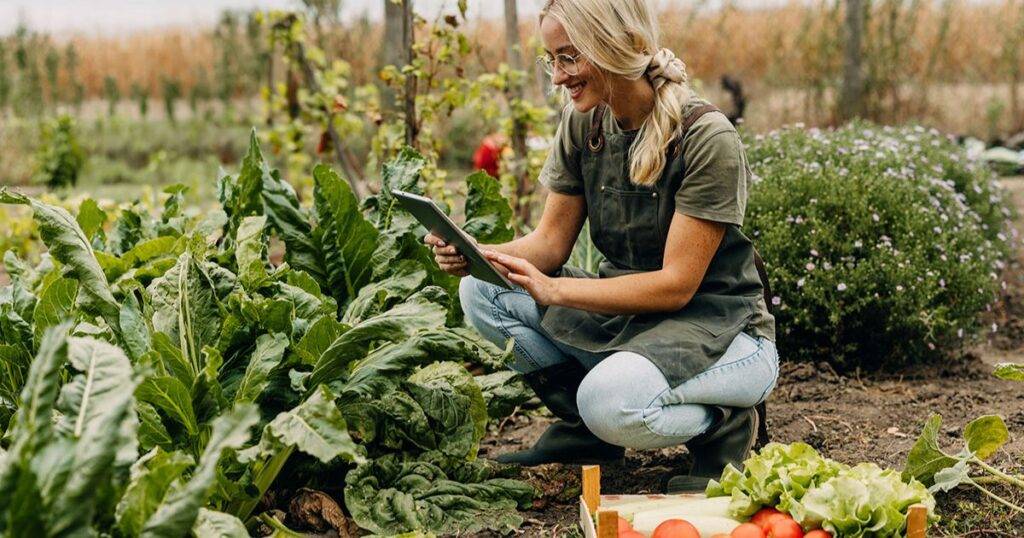
Proper data organization is essential, but many farmers struggle with it. Issues like inconsistent file-naming conventions, multiple names for the same field, and failure to ensure fields are aligned and consistent can create confusion.Poor data management leads to inaccurate conclusions and makes decisions that may harm productivity. A structured workflow and proper farm management system are needed to maintain clean, usable data.
Difficulty in Integrating Multiple Data Sources
Farmers often collect data from various sources, such as sensor devices, machinery, weather reports, and maps, using ag technology tools. Integrating all this information into one comprehensive solution can be challenging.Without proper integration, it becomes difficult to identify the highest- and lowest-producing areas or understand how field variability is affected by rainfall, nutrient, or pest factors. This limits the ability to gain meaningful insight.
Dependence on Weather Conditions and External Factors
Even with advanced harvest data optimization, farming still depends heavily on weather conditions. Unexpected changes in rainfall or climate can impact yield, crop quality, Top 10 Most Profitable Crops and overall performance.While predictive analytics can provide an alert, it is not always 100% accurate. This makes it difficult for farmers to fully rely on data when planning harvest timing or making critical decisions.
Limited Collaboration with Agronomists
Working with an agronomist is essential to correctly interpret agronomic data. However, not all farmers regularly meet with their agronomist or work with their agronomist.Without expert guidance, it becomes harder to understand fertility programs and in-season management, improve seed selection, or tweak programs based on historical data. This reduces the effectiveness of harvest data optimization.
Benefits of Harvest Data Optimization
Harvest data optimization plays a crucial role in modern ag (agriculture by helping every grower turn raw harvest data into actionable insight. By using advanced ag technology tools, farmers can analyze data, improve yield, and increase overall profitability.
Improved Yield and Productivity
One of the biggest benefits of harvest data optimization is the ability to improve yield. By analyzing yield data and yield maps with ag technology, farmers can identify the highest- and lowest-producing areas in a field. This provides a strong basis for analyzing yield and for setting yield goals next season.Using this data analysis, growers can optimize inputs such as nutrients, water, and pest control. Understanding field variability affected by rainfall and weather conditions allows farmers to apply the right resources in the right place. Over time, this helps optimize yield potential and boost farm productivity.
Better Decision-Making with Data Insights
With tools like FieldView and solutions from WinField United, farmers can access cloud-based platforms that provide real-time harvest data. These platforms use predictive analytics and business intelligence to deliver deep insight.Farmers can make decisions based on facts rather than guesswork. They can analyze data, detect patterns, and receive alert notifications when something unusual happens. This allows quick action during and throughout harvest, improving outcomes and reducing risks.
Increased Profitability and ROI
Another major advantage is improved profitability. Using technology tools that calculate profitability, farmers can track and enter input costs and assign a monetary value to yield.This helps calculate overall margins and measure return on investment (ROI). By comparing historical data with current results, growers can find ways to reduce costs and increase profits. This data-driven approach ensures every farming decision contributes to better financial performance.
Efficient Resource Management
Harvest data optimization helps farmers leverage data to use resources more efficiently. By understanding data sets, farmers can avoid wasting fertilizers, water, and pesticides.Through proper data analysis, they can detect outliers and bad data sets that could distort results, ensuring accurate planning. This improves workflow, reduces unnecessary input, and supports sustainable farming practices.
Enhanced Crop Quality
Monitoring crop quality during the time to harvest is essential. With sensor technology and ag-tech tools, farmers can track crop performance in detail.This helps improve postharvest performance and ensure better market value. What Is The Autumn Harvesting Identifying issues such as pests, nutrient deficiencies, or weather damage early allows farmers to take corrective action and maintain high-quality crops.
Strong Planning for Future Seasons
With accurate harvest data, farmers gain a basis for analyzing yield goals next season. By reviewing historical data, they can refine strategies and make improvements for next season.Working with an agronomist, farmers can adjust fertility programs and in-season management, improve seed selection, and tweak programs based on past performance. This continuous learning process leads to long-term success.
Better Data Organization and Accuracy
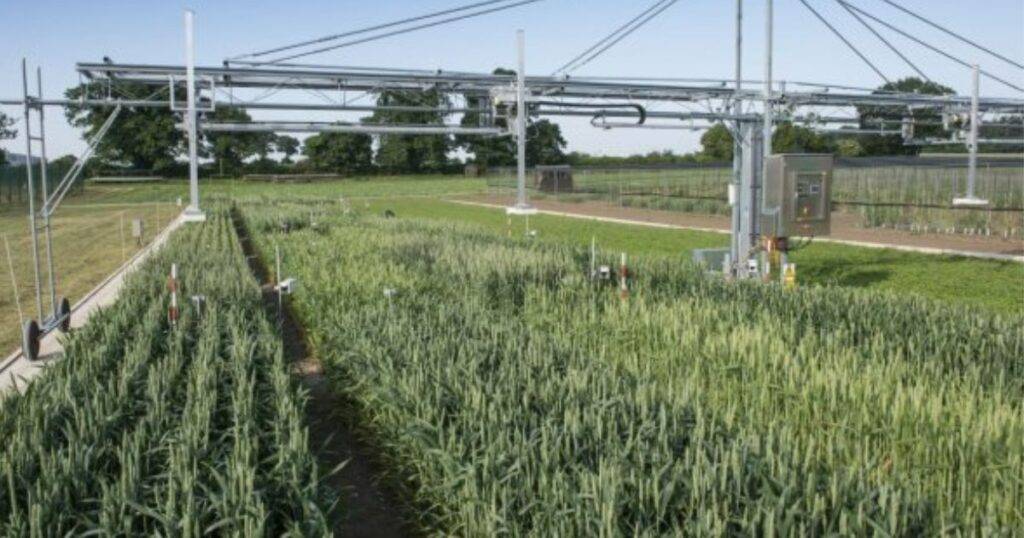
Using a proper computer system, farmers can ensure fields are aligned and consistent. It’s important to confirm that file-naming conventions are followed and to avoid multiple names for the same field.Clean and organized data prevents errors and avoids sets that can distort results. This improves data analysis reliability, enabling farmers to draw accurate conclusions and make informed decisions.
Comprehensive Farm Management Solution
Ultimately, harvest data optimization acts as a comprehensive solution for modern farm management. By integrating agronomic knowledge with ag-tech tools, farmers can effectively oversee all facets of their business.From preparing for harvest to analyzing yield maps, calculating ROI, and improving overall margins, this approach provides complete control over farm performance.
Conclusion
Harvest data optimization is no longer optional; it is a top priority for harvesting in modern agriculture. By using ag technology tools, farmers can transform raw harvest data into meaningful insights that drive productivity and profitability.From collecting yield data during the growing season to analyzing historical data, farmers gain a strong foundation for evaluating yield and setting future goals. With tools that calculate profitability, growers can evaluate return on investment, improve overall margins, and make smarter decisions.
The ability to identify the highest- and lowest-producing areas, Agriculture of California understand field variability affected, and adjust inputs makes a significant difference in performance. Combined with predictive analytics and business intelligence, farmers can proactively respond to challenges.By continuously learning, working with an agronomist, and refining strategies, growers can optimize yield potential and ensure sustainable success.In the end, harvest data optimization provides a clear path to better decisions, improved efficiency, and long-term growth in farm productivity.
FAQ
What is harvest data optimization?
Harvest data optimization is the process of collecting, organizing, and analyzing harvest and yield data to gain valuable insights and improve farm management. It involves using ag technology tools, sensor systems, and cloud-based computer systems to turn raw data into actionable decisions that increase yield and profitability.
How does harvest data optimization improve farm productivity?
It helps farmers identify the highest- and lowest-producing areas using yield maps with ag technology. By understanding how field variability is affected by rainfall, nutrients, and pest factors, growers can optimize inputs and tweak programs. This provides a strong basis for analyzing yield and for setting yield goals next season.
What tools are used in harvest data optimization?
Farmers use tools like FieldView, WinField United platforms, and other ag technology tools to calculate profitability. These tools use predictive analytics, business intelligence, and maps with ag technology tools to analyze data, track input costs, and calculate ROI (return on investment).
What are the main challenges in using harvest data?
Common challenges include managing outliers and bad data sets, handling datasets that can distort results, and ensuring proper file-naming conventions so fields are aligned and consistent. Other issues include high costs, limited training, and difficulty entering input costs accurately to measure overall margins and profitability.
Can small farmers benefit from harvest data optimization?
Yes, even small farmers can benefit from using basic harvest data and simple ag tech tools. By working with an agronomist, using historical data, and focusing on learning, they can make decisions, improve crop quality, and implement improvements for next season, leading to better yields and a higher return on investment (ROI).