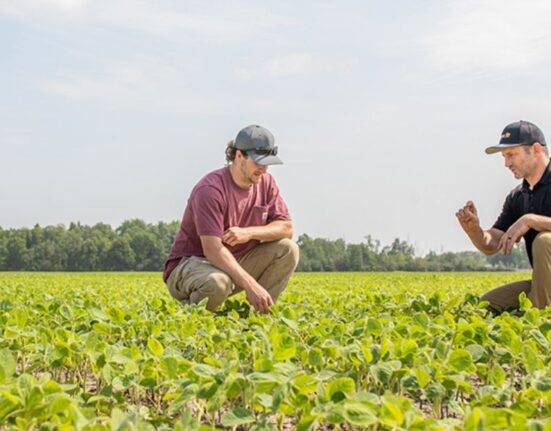

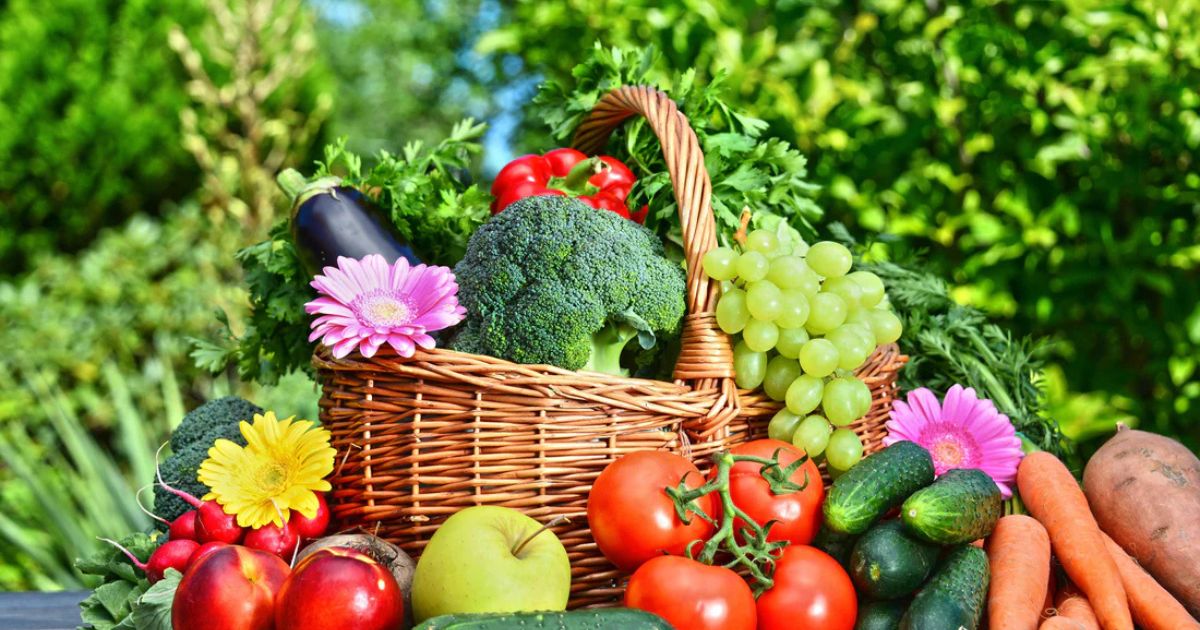
Horticulture, often described as the art and science of cultivating plants for food, comfort, and beauty, plays a pivotal role in modern agriculture. Derived from the Latin words “hortus” (garden) and “cultura” (cultivation), it encompasses a wide array of practices focused on intensive plant production. Unlike broad-scale agronomy, which deals with field crops like wheat or corn, horticulture emphasizes high-value crops grown in controlled environments, such as gardens, orchards, and greenhouses. This discipline integrates biology, environmental science, and technology to optimize plant growth, yield, and horticulture quality.
In the context of crop production, horticulture makes a significant contribution to global food security, economic development, and environmental sustainability. Horticultural crops encompass a diverse range of products, including fruits, vegetables, nuts, herbs, spices, ornamental plants, and medicinal herbs. These crops not only provide essential nutrients but also support industries like floriculture, landscaping, and agro-tourism. According to estimates, horticulture accounts for approximately 20-25% of the world’s agricultural output by value, despite occupying a smaller land area than staple crops.
The history of horticulture dates back to ancient civilizations. Egyptians cultivated gardens along the Nile, while the Hanging Gardens of Babylon represent one of the earliest feats of horticultural engineering. In medieval Europe, monasteries preserved horticultural knowledge, and the Renaissance saw advancements in plant breeding. Today, with a growing global population projected to reach 9.7 billion by 2050, horticulture is more crucial than ever for meeting diverse dietary needs and adapting to climate challenges.
Classification of Horticultural Crops
Horticultural crops are classified to facilitate the study, cultivation, and management of vegetables in a more systematic and organized manner. They are commonly grouped based on their use, life span, and climatic requirements. Based on use, horticultural crops are classified into fruits, vegetables, flowers, plantation crops, ornamental plants, medicinal plants, and aromatic plants. According to life span, they may be annuals, biennials, or perennials.
Classification based on climate divides crops into three main groups: tropical, subtropical, and temperate. Horticultural crops can also be classified by their growth habit, such as trees, shrubs, climbers, and herbs. This systematic classification enables farmers, students, and researchers to understand crop characteristics, refine cultivation practices, and improve productivity and crop vegetable quality.
Fruit Crops (Pomology)
Pomology, the study of fruit cultivation, encompasses perennial plants, including trees, shrubs, and vines. Major fruit crops are apples, oranges, bananas, grapes, and mangoes. These are fruits and vegetables divided into temperate (e.g., apples, pears) and tropical/subtropical varieties (e.g., pineapples, papayas).
Fruits are rich in vitamins, minerals, and antioxidants. Making them vital for human health. For instance, citrus fruits provide vitamin C, while berries offer anti-inflammatory compounds. Production involves techniques like grafting for disease resistance and pruning to enhance fruit quality. Global production exceeds 800 million tons annually, with China leading in apples and India in mangoes, particularly in agricultural production.
Vegetable Crops (Olericulture)
Olericulture focuses on edible herbaceous ornamental plants, including leafy greens (such as spinach and lettuce), root vegetables (like carrots and potatoes), and fruit vegetables (like tomatoes and peppers). Vegetables are annual or biennial, requiring intensive management.
Plant parts are categorized as follows: roots (beets), stems (asparagus), leaves (kale), flowers (broccoli), and fruits (cucumbers). Vegetables supply essential nutrients, such as fiber and folate, contributing to diets worldwide. Hydroponic systems have revolutionized vegetable production, allowing year-round cultivation in urban horticultural crop areas.
Ornamental Crops (Floriculture and Landscape Horticulture)
Floriculture involves the cultivation of flowers and foliage plants, such as roses, orchids, and chrysanthemums, primarily for aesthetic purposes. Landscape horticulture consists of designing and maintaining gardens, parks, and lawns that feature a diverse array of plants, including shrubs, trees, and turf.
The global floriculture market is valued at over $50 billion, with the Netherlands as a major exporter. These flower crops enhance biodiversity, support pollinators, and promote mental well-being by providing access to green commercial horticulture spaces.
Nuts, Spices, and Medicinal Crops
Nuts, such as cashews, walnuts, and almonds, are high-energy foods that come from trees. Spices (e.g., pepper, cinnamon) and herbs (e.g., basil, mint) not only add flavor but also possess medicinal properties. Medicinal plants, such as aloe vera and ginseng, are utilized in pharmaceuticals.
These crops often require specific climates; for example, almonds thrive in Mediterranean regions. Their production supports niche Horticulture crops markets, with organic spices gaining popularity in production and management.
Plantation Crops
Crops such as tea, horticultural coffee, rubber, and cocoa are cultivated on large estates. Though sometimes overlapping with agronomy, they fall under horticulture due to intensive care needs. Coffee production, for instance, involves shade-grown methods to preserve the coffee’s flavor.
This classification underscores the diversity of horticultural crops, each demanding unique approaches to soil preparation, irrigation, and pest Crop Insurance control.
Production Practices in Horticulture
 Production practices in horticulture involve an ornamental combination of scientific and skill-based methods used to grow fruits, vegetables, flowers, and ornamental plants efficiently. These practices begin with proper site selection, soil preparation, and the use of crop quality seeds or planting materials. Essential techniques include irrigation management, nutrient application, pruning, training, and mulching to promote healthy plant growth and development.
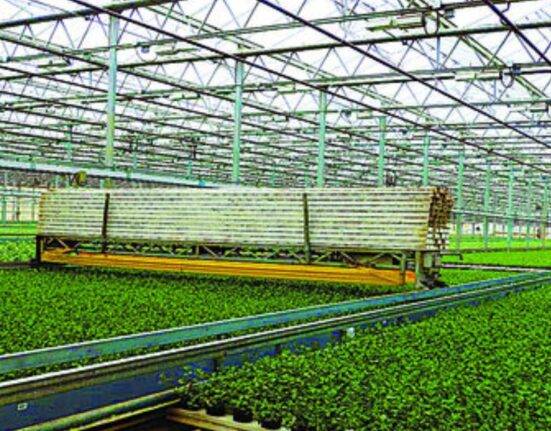
Integrated pest and disease management is applied to protect crops while minimizing environmental impact. Modern horticulture also emphasizes the use of fruit and vegetable greenhouses, protected cultivation, and improved varieties to enhance yield and quality. Overall, effective production practices ensure the sustainable use of resources, higher productivity, and better-quality horticultural produce for consumers and markets.
Site Selection and Soil Management
Choosing the correct location is fundamental. Factors like climate, topography, soil type, and water availability influence crop choice. Temperate fruits require chilling hours for ornamental plants, while tropical vegetables require warmth.
Soil management involves testing for pH, nutrients, and structure. Amendments like compost improve soil fertility, and practices like cover cropping help prevent soil erosion. Sustainable methods, such as no-till farming, maintain soil vegetables to plant in spring health.
Propagation Techniques
Horticultural crops are propagated sexually (seeds) or asexually (cuttings, grafting). Seeds ensure genetic diversity but may vary in quality. Asexual methods produce uniform plants; for example, apple varieties are grafted onto rootstocks for dwarfing and resistance.
Tissue culture, a laboratory-based technique, enables the mass production of disease-free plants, revolutionizing industries such as banana cultivation.
Nutrient and Water Management
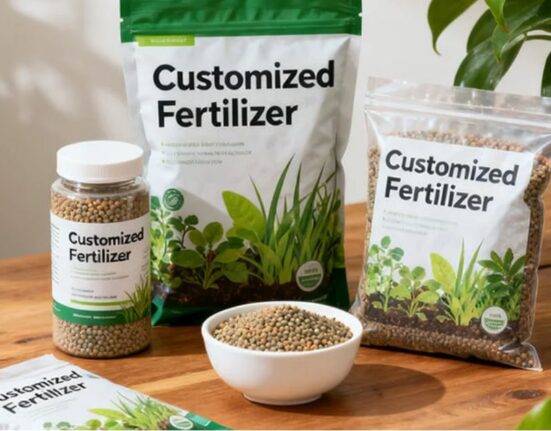
Plants require macronutrients (such as nitrogen, phosphorus, and potassium) and micronutrients (including iron and zinc). Fertilizers are applied via soil or foliar methods, with precision agriculture using sensors for targeted delivery.
Irrigation systems range from drip (efficient for water-scarce areas) to sprinkler. Water conservation is crucial, especially as climate change exacerbates droughts.
Pest and Disease Management
Integrated Pest Management (IPM) combines biological, cultural, and chemical controls. Beneficial insects combat pests, while crop rotation disrupts disease cycles. Biotechnology introduces resistant varieties, reducing pesticide use.
Common challenges include fungal diseases in humid areas and insect infestations in monocultures.
Harvesting and Post-Harvest Handling
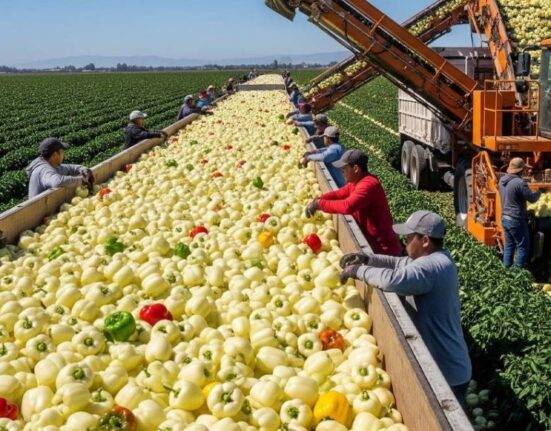
Timing harvest maximizes quality; for example, fruits are picked at physiological maturity. Post-harvest practices, including cooling, sorting, and packaging, help extend shelf life. Controlled atmosphere storage preserves freshness for exports.
These practices ensure high yields, with modern farms achieving up to 50 tons per hectare for tomatoes.
Economic and Nutritional Importance
Horticulture drives economic growth through employment, trade, and value addition. In developing countries, it employs millions in smallholder farms, while in developed nations, it supports agribusinesses.
Exports of fruits and vegetables generate billions; the EU imports vast quantities from Africa and Latin America. Domestically, farmers’ markets and Community Supported Agriculture (CSA) programs foster local economies.
Nutritionally, horticultural crops combat malnutrition. The WHO recommends 400g of fruits and vegetables daily to prevent chronic diseases. They provide antioxidants, which reduce the risk of cancer and heart disease. In urban areas, community gardens promote food access and education, helping to address food deserts.
Challenges in Horticultural Crop Production

Climate Change
Rising temperatures, erratic rainfall, and extreme events threaten production. Heat stress reduces fruit set in tomatoes, while floods destroy crops. Adaptation strategies include the use of drought-resistant varieties and the practice of protected fastest growing vegetables cultivation.
Pests and Diseases
Global trade spreads pathogens; the banana industry battles Fusarium wilt. Resistance to pesticides necessitates new solutions, such as RNA interference.
Labor and Market Issues
Labor shortages in harvesting lead to increased mechanization, but small farms struggle with the associated costs. Market volatility, influenced by supply chains, affects Horticulture crops prices.
Environmental Concerns
The overuse of chemicals pollutes water, while monocultures deplete soil. Sustainable practices are essential.
Innovations and Future Trends

The future of horticulture lies in the intersection of technology and sustainability.
Precision Agriculture
Drones, AI, and IoT monitor crops, optimizing inputs and enhancing yield. Vertical farming in cities uses LED lights for efficient production.
Biotechnology and Breeding
GMOs enhance traits like pest resistance; CRISPR edits genes precisely. Organic breeding focuses on natural resilience.
Sustainable Practices
Agroecology integrates ecology, reducing inputs. Permaculture designs mimic natural systems.
Urban Horticulture
Rooftop gardens and aquaponics address urbanization, providing fresh produce.
Climate-Resilient Crops
Research develops varieties tolerant to salinity and heat. By 2050, horticulture could double production through these innovations, ensuring food security.
Conclusion:
Horticulture and crop production form the backbone of diverse, nutritious food systems. From vibrant orchards to bustling vegetable farms, horticultural crops enrich our lives economically, nutritionally, and aesthetically. As we navigate challenges such as climate change, embracing sustainable innovations will be crucial. Whether planting a home garden or supporting local farmers, everyone can contribute to this vital field. Let’s cultivate a greener future—one crop at a time.
FAQ:
What is Horticulture?
The area of agriculture known as horticulture is dedicated to growing fruits, vegetables, flowers, ornamental plants, and landscape plants. It emphasizes plant quality, appearance, nutrition, and sustainable production methods.
How is Horticulture Different from Agriculture?
Agriculture mainly focuses on large-scale crop and livestock production (such as grains and animals), while horticulture deals with smaller-scale production. These high-value crops often require more intensive care and management.
What are Horticultural Crops?
Horticultural crops encompass a diverse range of products, including fruits, vegetables, nuts, herbs, flowers, ornamental plants, and nursery crops. These plants are typically cultivated for food, decoration, or landscaping purposes.
Why are Horticultural Crops Important?
They provide essential vitamins and minerals, enhance food diversity, support local economies, beautify the environment, and Horticulture crops contribute to overall environmental health.
What is Crop Production in Horticulture?
Crop production involves preparing the soil, planting, watering, fertilizing, controlling pests, and harvesting plants to ensure healthy growth and good yields.