

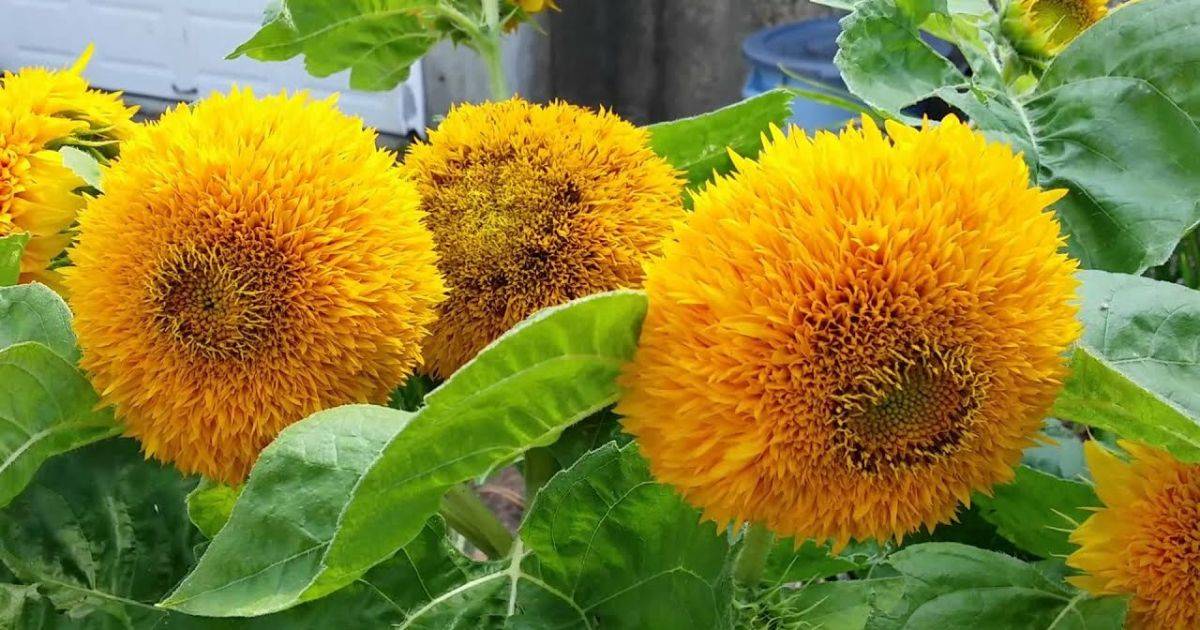
The Giant Teddy Bear Sunflower is one of the most charming and eye-catching flowers you can grow in your garden. Known for its fluffy, pom-pom-like blooms and compact branching habit, this sunflower variety stands out from traditional single-petal types. While many people associate sunflowers strictly with bright yellow petals, the Giant Teddy Bear Sunflower offers more color variation than you might expect.
In this complete guide, we’ll explore everything you need to know about Giant Teddy Bear Sunflower colors—from classic golden tones to subtle shades and seasonal variations. Whether you’re planting a backyard garden, designing a flower bed, or planning floral arrangements, this guide will help you recognize and appreciate the distinctive color appeal of this beautiful bloom.
What Is the Giant Teddy Bear Sunflower?
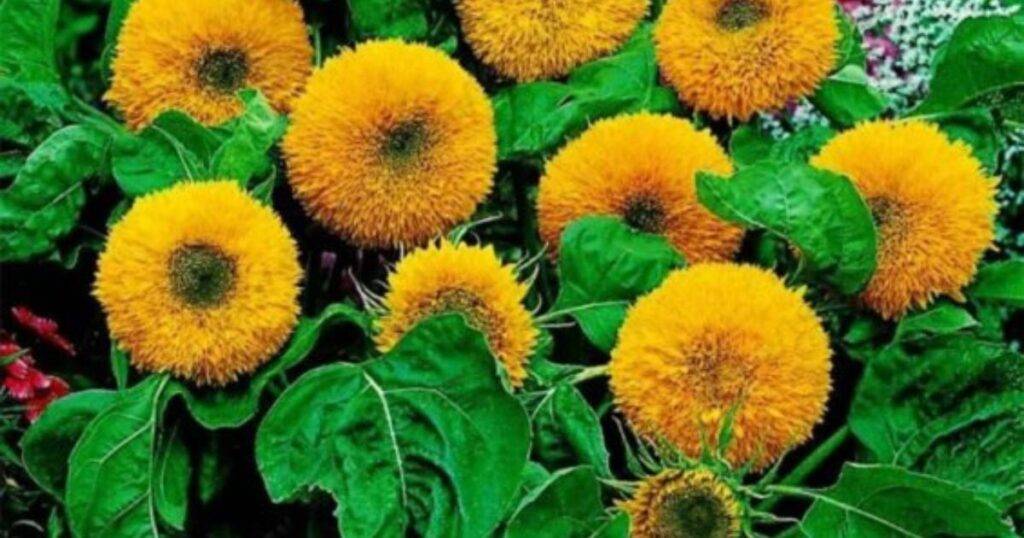 The Giant Teddy Bear Sunflower is a charming, fluffy variety of sunflower known for its dense, bushy foliage and vibrant golden blooms. Unlike traditional tall sunflowers, this variety grows more compactly, reaching about 3 to 5 feet in height, making it ideal for giant teddy bear sunflowersmaller gardens or container giant teddy bear sunflower seeds planting.
The Classic Golden Yellow
The Classic Golden Yellow is a timeless shade that captures warmth, sunshine, and natural beauty in its purest form. Rich and radiant, this vibrant hue instantly brightens gardens, landscapes, and floral arrangements. Often associated with happiness, positivity, and energy, golden yellow evokes the glow of early morning light and the charm of blooming summer fields.
It pairs beautifully with deep greens, soft whites, and bold purples, creating striking visual contrast. Whether found in blossoms, autumn leaves, or decorative accents, this classic color symbolizes optimism and vitality. Its enduring appeal makes it a favorite choice for gardeners, designers, and nature lovers giant teddy bear sunflowers alike.
Why Golden Yellow Dominates
Golden yellow captures attention with its warmth, vibrancy, and universal appeal, making it a dominant color in nature, design, and fashion. It evokes feelings of optimism, energy, and creativity, often associated with sunlight, ripening crops, and cheerful environments. Its high visibility and natural brightness make it ideal for highlighting key elements, from signage to interior accents.
In branding and art, golden yellow conveys confidence and positivity, standing out effortlessly among other hues. Its psychological impact and visual prominence explain why golden yellow consistently dominates in various contexts.
Color Characteristics
- Bright and warm
- Uniform across petals
- Slightly deeper yellow near the center
- Glows in direct sunlight
This classic golden shade is perfect for:
- Summer gardens
- Cottage-style landscapes
- Children’s gardens
- Pollinator-friendly spaces
Deep Yellow and Mustard Tones
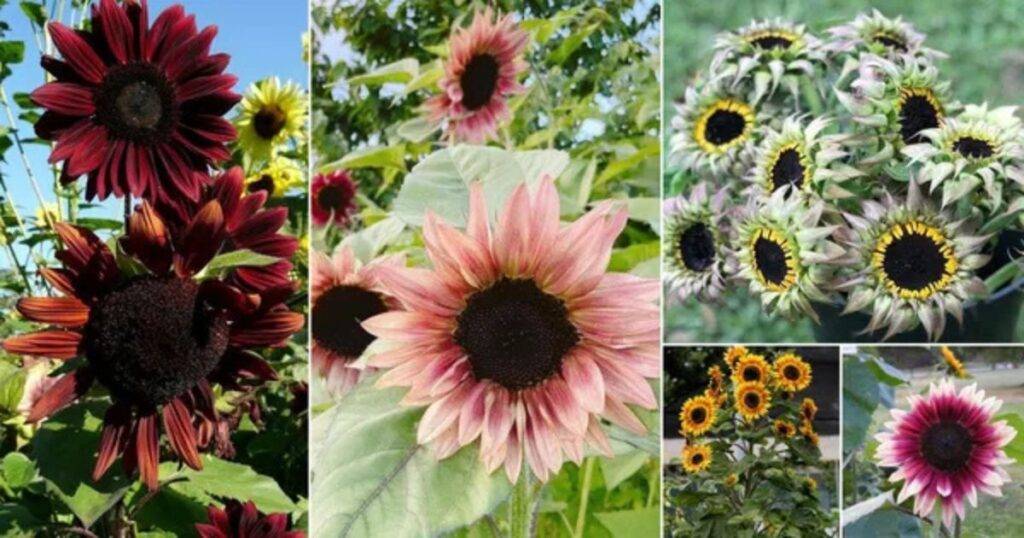 Deep yellow and mustard tones bring warmth, richness, and timeless charm to any garden or landscape. These golden hues instantly brighten flower beds, containers, and borders, creating a cozy, sunlit atmosphere even on cloudy days. Deep yellow flowers often symbolize happiness, energy, and optimism, while mustard shades add an earthy, vintage appeal that pairs beautifully with greens, purples, and deep reds. In autumn gardens, these tones echo the falling leaves and harvest colors, enhancing the season’s pink giant teddy bear sunflower beauty.
In modern landscapes, mustard foliage and blooms provide bold contrast and depth. Whether used in ornamental plants, vegetables, or decorative accents, deep yellow and mustard tones create inviting, cheerful spaces full of character and warmth.
What Causes Darker Shades?
Several factors influence color intensity:
- Sunlight exposure – Full sun deepens pigment.
- Soil nutrition – Rich soil can enhance vibrancy.
- Bloom maturity – Older blooms often darken slightly.
- Climate – Hot summer temperatures intensify color.
These deeper tones create a more dramatic and earthy garden aesthetic, especially when paired with burgundy or dark-leaved plants.
Pale Yellow and Creamy Variations
Pale yellow and creamy variations bring a soft, elegant touch to gardens, interiors, and floral arrangements. These gentle shades range from buttery pastels to warm vanilla tones, creating a calming and inviting atmosphere. In plants and flowers, pale yellow petals often symbolize joy, friendship, and fresh beginnings, while creamy hues add subtle sophistication and depth.
Together, they blend beautifully with whites, soft pinks, and light greens for a harmonious look. In produce and crops, creamy varieties may indicate mild flavor and tender texture. Whether used in landscaping, décor, or design themes, pale yellow and creamy tones offer timeless charm and natural warmth without overwhelming the pink giant teddy bear sunflowers senses.
Why Some Blooms Look Lighter
- Partial shade conditions
- Cooler climates
- Early-stage blooming
- Genetic variation in seed batches
These softer shades are ideal for:
- Pastel-themed gardens
- Wedding arrangements
- Soft cottage landscapes
- Mixed borders with white flowers
The creamy tones give the flower a delicate, elegant feel compared to the bold, classic yellow.
Are There Other Colors Available?
When shopping for products—whether clothing, home décor, electronics, or accessories—one common question is: “Are there other colors available?” This inquiry reflects a desire for personalization and matching existing styles or preferences. Many brands and retailers offer multiple color options to cater to diverse tastes, seasonal trends, or functional needs. Some items may come in standard colors, while limited editions or special collections provide unique are giant teddy bear sunflowers real alternatives.
Checking product listings, manufacturer websites, or in-store availability often reveals the full spectrum of colors. Understanding which colors are available helps consumers make informed choices, ensuring their purchases align with style, function, and personal preferences.
How Lighting Affects Teddy Bear Sunflower Color
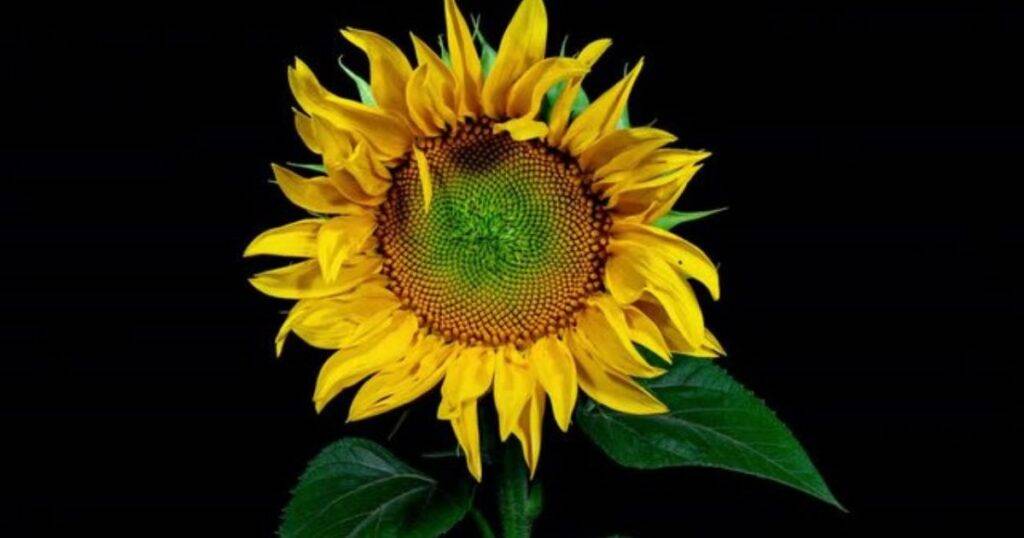 Lighting conditions highly influence the color of Teddy Bear Sunflowers. These charming sunflowers, known for their soft, fuzzy petals, respond to the intensity and duration of sunlight they receive. Full, direct sunlight typically enhances their golden-yellow hue, making blooms appear vibrant and lively. In contrast, limited or indirect light can result in paler petals, sometimes with a subtle greenish tint, as chlorophyll production is affected.
Lighting also affects overall plant health, influencing stem strength and leaf vibrancy, which, in turn, can subtly influence flower color perception. For the brightest, most saturated Teddy Bear Sunflowers, consistent sunlight exposure is essential.
In Direct Sunlight
- Petals appear brighter
- Golden tones intensify
- Texture becomes more defined
In Overcast Conditions
- Yellow looks softer
- Mustard tones appear muted
- Cream shades look more pronounced
For the richest color, plant Giant Teddy Bear Sunflowers in 6–8 hours of direct sunlight each day.
Seasonal Color Changes
Seasonal color changes transform landscapes, gardens, and trees throughout the year, reflecting nature’s rhythm. In spring, fresh greens and vibrant blooms signal renewal, while summer showcases lush foliage and bright floral hues. Autumn brings warm tones of red, orange, and gold as leaves prepare to fall, creating breathtaking scenery. Winter often introduces muted shades, evergreens, and occasional snowy contrasts.
These shifts not only enhance visual beauty but also indicate ecological cycles, plant health, and seasonal growth patterns, offering both gardeners and nature enthusiasts a dynamic, ever-changing palette to enchanting giant teddy bear sunflower enjoy.
Early Bloom Stage
- Slightly lighter yellow
- Soft texture
- Fresh, bright appearance
Mid-Season Peak
- Deep golden tone
- Fully dense petals
- Maximum color saturation
Late Season
- Slight darkening
- Edges may fade
- Petals dry to warm amber
These transitions add dynamic beauty to your garden over time.
Color Pairing Ideas for Your Garden
Creating a visually stunning garden goes beyond planting flowers—it’s about harmonizing colors to evoke mood, contrast, and flow. Color pairing ideas for your garden can transform ordinary spaces into vibrant, cohesive landscapes. Combining complementary colors like purple and yellow or blue and orange creates dynamic energy, while analogous colors such as pinks and reds offer a soothing, unified giant teddy bear sunflower pink giant teddy bear sunflower seeds colors feel.
Consider mixing warm tones with cool greens for balance, or use monochromatic schemes for elegance and simplicity. Seasonal color rotations and foliage texture also enhance depth. With thoughtful color pairings, your garden becomes a living canvas, inviting beauty, creativity, and personal giant teddy bear sunflower purple expression.
Yellow + Purple Contrast
Pair with:
- Lavender
- Salvia
- Purple petunias
The contrast creates a bold, vibrant display.
Yellow + White Elegance
Combine with:
- White zinnias
- Shasta daisies
- Alyssum
This softens the intensity of yellow.
Yellow + Burgundy Drama
Plant near:
- Dark coleus
- Red amaranth
- Burgundy ornamental grasses
The deep background makes the golden blooms pop.
Growing Tips for the Best Color
Growing vibrant, eye-catching colors in your garden requires attention to both plant selection and care techniques. Start by choosing varieties known for their rich hues and intense pigmentation. Ensure they receive the right amount of sunlight—most colorful flowers thrive in full sun, while some leafy greens benefit from partial shade. Soil quality is crucial; use nutrient-rich, well-draining soil and consider adding organic compost to boost growth.
Regular watering, without over-saturating, keeps plants healthy and colors vivid. Deadheading spent blooms and pruning encourages continuous flowering and brighter foliage. By balancing light, nutrients, and care, you can achieve plants that display their most stunning, vibrant colors throughout the season.
Full Sun Is Essential
Full sun is essential for many plants to thrive, as it provides the energy they need for photosynthesis, growth, and flowering. Plants that receive at least six to eight hours of direct sunlight daily develop stronger stems, healthier leaves, and more abundant blooms or fruits. Insufficient sunlight can lead to weak, leggy growth, subpar flowering, and heightened susceptibility to illnesses and pests. Choosing the correct location with full sun exposure ensures your garden or crops reach their full potential, promoting vibrant, productive, and resilient plants.
Well-Draining Soil
Well-draining soil is essential for healthy plant growth, allowing water to drain easily while avoiding waterlogging that can damage roots. It typically consists of a balanced mix of sand, silt, and organic matter, providing both moisture retention and aeration. This type of soil supports strong root development, reduces the risk of fungal diseases, and ensures nutrients are readily available to plants. Ideal for gardens, pots, and landscaping, well-draining soil is essential for vegetables, succulents, and other plants sensitive to excess moisture, promoting vibrant growth and long-term plant health.
Balanced Fertilizer
A balanced fertilizer is a type of plant nutrient mix containing the three primary macronutrients—nitrogen (N), phosphorus (P), and potassium (K)—in nearly equal proportions. It promotes overall plant health by supporting strong root development, lush foliage, and abundant flowering or fruiting. Ideal for general-purpose gardening and farming, balanced fertilizers help maintain soil fertility while preventing nutrient deficiencies.
They are suitable for a wide range of crops, including vegetables, fruits, flowers, and lawns, ensuring steady growth and high yields without overemphasizing any single nutrient.
Teddy Bear Sunflowers in Floral Arrangements
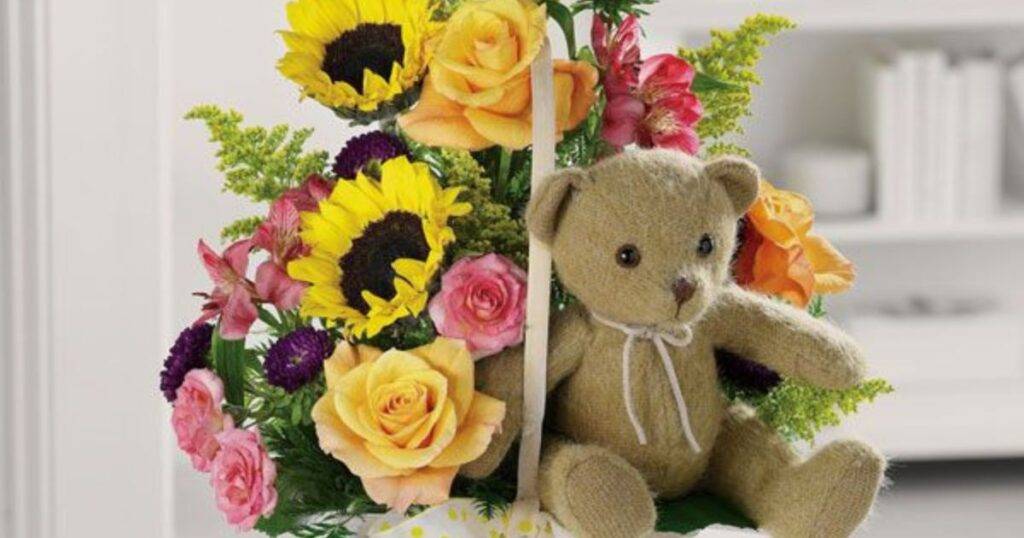 Teddy Bear Sunflowers are a charming and unique variety of sunflower, celebrated for their fluffy, double-layered petals that give them a soft, plush appearance—resembling a teddy bear. Their compact size and cheerful yellow hue make them ideal for incorporating warmth and texture into floral arrangements. These sunflowers blend beautifully with other blooms, from roses to wildflowers, enhancing both bouquets and centerpieces with a playful, inviting charm.
Ideal for gifting or brightening home spaces, Teddy Bear Sunflowers bring a touch of whimsy and joy to any floral design. Their long-lasting blooms and sturdy stems make arranging and displaying effortless while maintaining visual impact.
Are Giant Teddy Bear Sunflowers Good for Pollinators?
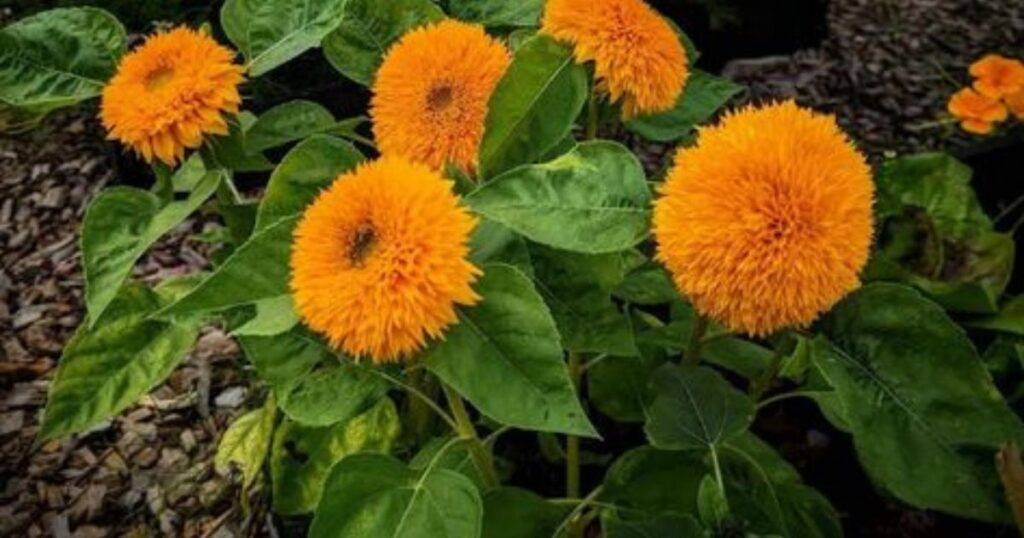 Since the dense double petals often hide the central disc, pollinators may find it harder to access pollen compared to traditional single-flowered sunflowers. However, they still attract:
- Bees
- Butterflies
- Beneficial insects
If pollinator support is your primary goal, consider planting them alongside single-bloom varieties for better nectar access.
Growing Giant Teddy Bear Sunflowers from Seed
Growing Giant Teddy Bear Sunflowers from seed is a rewarding experience for gardeners seeking bold, textured blooms. These unique sunflowers, known for their fluffy, pom-pom-like flower heads, can reach 3–4 feet tall, making them perfect for borders, containers, or sunny garden spots. Start seeds indoors 4–6 weeks before the last frost, or sow directly into rich, well-draining soil after frost danger has passed.
Teddy Bear Sunflowers thrive in full sunlight and require consistent watering, but avoid waterlogging. With minimal care, they produce vibrant, golden-yellow flowers that attract pollinators and add a cheerful, whimsical touch to any garden or landscape.
Planting Steps
- Choose a sunny location.
- Sow seeds directly in soil after the last frost.
- Plant ½ inch deep.
- Space 12–18 inches apart.
- Water gently and consistently.
With proper care, you’ll enjoy vibrant golden blooms throughout summer.
Why Gardeners Love the Teddy Bear Color
The appeal of Giant Teddy Bear Sunflower colors lies in their:
- Warmth
- Cheerful brightness
- Soft, plush texture
- Classic summer look
Unlike bold red or bi-colored sunflowers, the Teddy Bear variety offers a pure, comforting yellow that feels timeless and nostalgic.
It’s especially popular in:
- Cottage gardens
- Children’s learning gardens
- Small urban gardens
- Container planting
Common Questions About Teddy Bear Sunflower Colors
The Teddy Bear color has become a favorite among gardeners for its warm, earthy, and comforting tones that blend seamlessly into any garden setting. Resembling a soft, caramel-like hue, this color adds a cozy, inviting vibe to flower beds, planters, and garden décor. It beautifully complements vibrant greens, deep purples, and soft pastels, enhancing the natural charm of plants without overpowering them.
Gardeners appreciate its versatility, as it works well for flowers, foliage, and even garden accessories, creating harmony and balance. Beyond aesthetics, Teddy Bear shades evoke a sense of calm and relaxation, making gardens feel like serene retreats where beauty meets tranquility.
Conclusion:
The Giant Teddy Bear Sunflower may be best known for its golden yellow blooms, but within that spectrum lies a beautiful range—from bright sunshine yellow to deep mustard and soft creamy tones. While it doesn’t come in dramatic reds or purples like some ornamental sunflowers, its fluffy double petals and rich warmth make it a standout in any garden.
Whether you’re planting for color harmony, summer cheer, or decorative arrangements, the Teddy Bear sunflower delivers consistent beauty and reliable vibrancy. With proper sunlight, soil care, and watering, you can enjoy stunning golden blooms that truly live up to their cuddly name.If you’re looking for a sunflower that’s compact, charming, and filled with warm color energy, the Giant Teddy Bear Sunflower is an excellent choice for your next garden season.
FAQ:
What Colors do Giant Teddy Bear Sunflowers come in?
Giant Teddy Bear sunflowers are primarily golden yellow, with lush, fluffy petals giving a soft, teddy bear-like appearance. Some varieties may show lighter cream or pale yellow shades, but bright golden yellow is the most widespread.
Do the Flower Colors Change as they Mature?
Yes, the petals often start a bit paler when young and deepen into golden yellow as they fully bloom. Over time, some petals may fade slightly, especially in hot climates or late in the season.
Are there Multi-colored Giant Teddy Bear Sunflowers?
Traditional Giant Teddy Bear sunflowers are single-colored, mainly yellow. However, hybrids or similar “teddy bear” sunflowers might have slightly variegated tones, but true multi-colored blooms are rare.
Does soil or Sunlight Affect their Color?
Indirectly, yes. Rich, fertile soil and full sunlight (6–8 hours/day) help the flowers achieve vibrant golden colors. Poor soil or insufficient sunlight can make petals appear paler or less vivid.
Can Giant Teddy Bear Sunflower seeds Produce Consistent color?
Most seeds from reputable suppliers will produce the classic golden-yellow flowers, but slight natural variation in shade can occur. Save seeds from your healthiest plants for more consistent results.
