
Agriculture is entering one of the most transformative periods in human history. For centuries, farming evolved slowly, guided by seasonal knowledge, animal power, and traditional tools. Over the last hundred years, mechanization and chemical inputs have dramatically increased food production. Today, however, the world faces new pressures—climate change, population growth, shrinking farmland, water scarcity, and environmental degradation. These challenges demand a new vision.
The future of farming is not simply about growing more food. It is about producing food in more innovative, more sustainable, climate-resilient, and socially responsible ways. From artificial intelligence and robotics to regenerative practices and urban agriculture, agriculture’s path forward is being reshaped by innovation and the future of farming.
Why the Future of Farming Must Change
The future of farming must change to meet the growing challenges of climate change, population growth, soil degradation, and shrinking natural resources. Traditional agricultural methods alone cannot sustainably produce enough food while protecting the environment. Rising temperatures, unpredictable weather, water scarcity, and declining soil fertility are already reducing crop yields worldwide.
To secure global food systems, farming must evolve through the adoption of more innovative technologies, regenerative farm practices, precision agriculture, and climate-resilient crops. Modern farming approaches can increase productivity while reducing waste, conserving water, and lowering greenhouse gas emissions. Changing how we farm is not just an option—it is a necessity to ensure food security, protect ecosystems, support farmers’ livelihoods, and build a more sustainable future for the next generation.
Digital Agriculture and Smart Farming
 Digital agriculture and smart farming refer to the use of modern technologies to improve farm productivity, efficiency, and sustainability. These approaches integrate tools such as sensors, GPS, drones, artificial intelligence, and data analytics to monitor crops, soil, weather, and livestock in real time. Farmers can make precise decisions about irrigation, fertilization, pest control, and harvesting, reducing waste and lowering costs while increasing future of agriculture yields.
Innovative farming systems also support climate-resilient sensor agriculture by predicting risks and optimizing resource use. As global food demand grows, digital agriculture plays a crucial role in transforming conventional farming into a more data-driven, automated, and environmentally responsible practice that benefits producers and farming practices consumers worldwide.
Precision Agriculture
Precision agriculture allows farmers to manage fields at a micro level rather than treating entire plots the same. Using GPS, soil sensors, satellite imagery, and drones, farmers can measure farming practices:
- Soil moisture and nutrient levels
- Crop health and stress
- Pest and disease patterns
- Yield variability
This data enables targeted application of water, fertilizers, and pesticides—reducing costs and minimizing the environmental impact of agriculture.
Artificial Intelligence and Big Data
Artificial intelligence is transforming decision-making on farms for food security. AI systems analyze weather data, soil conditions, and plant health to predict outcomes and recommend actions. Farmers can:
- Forecast yields more accurately
- Detect diseases before they spread
- Optimize planting schedules
- Automate irrigation and nutrient delivery
Significant data platforms also help agribusinesses and cooperatives manage supply chains, reduce waste, and improve food traceability.
Robotics and Automation
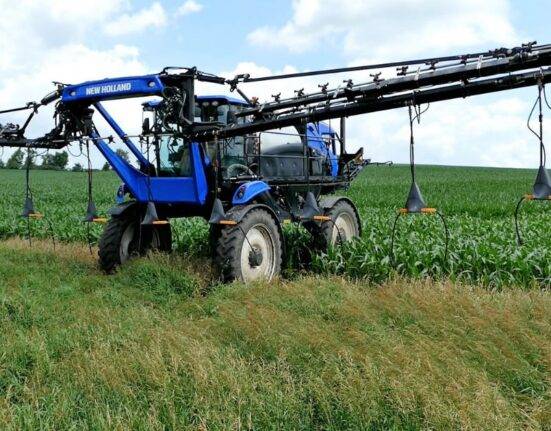
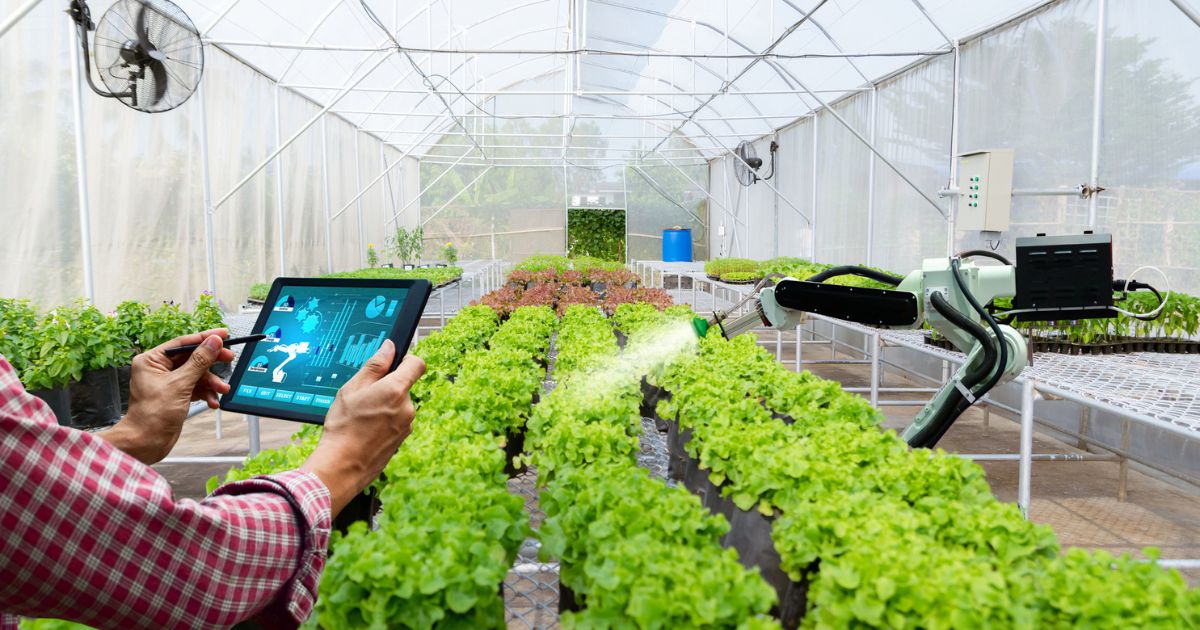
Robots are already planting robotic seeds, harvesting crops, milking cows, and removing weeds. In the future, autonomous machinery will handle more repetitive and labor-intensive soil health tasks, improving efficiency and traditional farming safety.
Examples include:
- Self-driving tractors
- Robotic harvesters for fruits and vegetables
- Automated greenhouse systems
- Precision weed-control robots that reduce herbicide use
Automation will not replace farmers—it will redefine their roles into technology precision agriculture managers, data analysts, and system designers.
Biotechnology and Crop Innovation
Biotechnology and Crop Innovation focuses on using advanced biological science to improve crop quality, productivity, and resilience. Using methods like molecular breeding, genetic engineering, and tissue culture, scientists develop crops that resist pests and diseases, tolerate drought and salinity, and deliver higher nutritional value. These innovations help farmers produce more food on less land while reducing dependence on chemical pesticides and grower fertilizers.
Crop biotechnology also supports climate-smart agriculture by creating varieties that can adapt to environmental stress and shifting weather patterns. and environmental stress. From improved seeds to sustainable farming solutions, biotechnology plays a vital role in strengthening global food security, protecting natural resources, and shaping the future of the modern world’s population agriculture.
Climate-Resilient Crops
Through genetic research, breeders are creating varieties that tolerate drought, heat, salinity, and food system flooding. These crops help stabilize food production in regions facing climate stress.
Future crop growers may feature:
- Deeper roots for water efficiency
- Improved nitrogen use
- Natural pest resistance
- Shorter growing cycles
Gene Editing and Precision Breeding
Technologies such as CRISPR enable precise changes to plant DNA without introducing foreign genes. This supply chain allows scientists to enhance traits such as disease resistance, shelf life, and nutritional content more quickly than traditional environmental impact breeding.
Microbial and Biological Inputs
Instead of relying heavily on the Food and Agriculture Organization for synthetic chemicals, the future of farming will increasingly use beneficial microbes, fungi, and natural biostimulants to improve soil health, protect plants, and boost nutrient uptake worldwide.
Sustainable and Regenerative Agriculture
 Sustainable and Regenerative Agriculture focuses on farming practices that maintain and improve the health of the land, ecosystems, and communities. By actively rebuilding ecosystems, regenerative agriculture goes one step further. enhancing biodiversity, sequestering carbon, and rebuilding soil organic matter. Together, these approaches aim to produce nutritious food while mitigating climate change, reducing environmental impact, and supporting resilient farming systems.
Farmers implement techniques such as crop rotation, cover cropping, agroforestry, composting, and holistic grazing to create self-sustaining and vibrant landscapes. By prioritizing both ecological balance and economic viability, these practices offer a forward-thinking model for the future of global agriculture.
Regenerative Practices
Regenerative farming focuses on sustainable farming practices, rebuilding soil organic matter and biodiversity. Key practices include:
- Cover cropping
- Crop rotation
- Reduced or no-till farming
- Composting and organic amendments
- Integrated livestock systems
These approaches improve soil structure, enhance water retention, increase carbon sequestration, and support beneficial organisms.
Carbon-Smart Agriculture
Future farms may become major climate solutions. By storing carbon in soils and perennial crops, agriculture can offset greenhouse gas emissions. Carbon markets and climate-smart incentives are likely to reward farmers for sustainable land management.
Water-Efficient Farming
Technologies like drip irrigation, moisture sensors, and drought-tolerant crops will shape agriculture’s future. Precision water management reduces waste, protects aquifers, and improves crop reliability.
The Rise of Controlled-Environment Agriculture
 The Rise of Controlled-Environment Agriculture explores the transformative shift in modern farming, where technology meets sustainability. Controlled-Environment Agriculture (CEA) refers to growing crops in highly regulated environments—such as greenhouses, vertical farms, and indoor facilities—where light, temperature, humidity, and nutrients are carefully managed. This approach maximizes yield, conserves water, reduces land use, and allows year-round production regardless of climate or geography.
Driven by population growth, urbanization, and the need for resilient food systems, CEA is reshaping the future of agriculture. From advanced hydroponics and aeroponics to AI-driven monitoring systems, these innovations enable efficient, precise, and sustainable food production. The rise of CEA marks a new era of agriculture: innovative, scalable, and environmentally conscious.
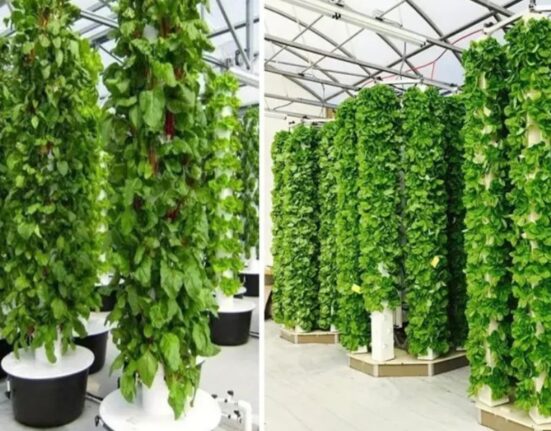
Vertical Farming
Vertical farms grow crops in stacked indoor systems using LED lighting and hydroponics or aeroponics. They use up to 90% less water, require no soil, and allow year-round production close to urban markets.
Benefits include:
- Minimal pesticide use
- Faster growth cycles
- Consistent quality
- Reduced transportation emissions
Smart Greenhouses
Future greenhouses integrate automation, climate control, robotics, and AI. They can optimize temperature, humidity, and light in real time, maximizing yields with minimal resources.
CEA will not replace traditional agriculture but will complement it—especially for leafy greens, herbs, and high-value crops.
Livestock Farming in the Future
Livestock Farming in the Future explores the transformative changes shaping animal agriculture. As demand for dairy, meat, and other animal products worldwide increases, sustainable practices and technological innovations are becoming essential. Future livestock farming will integrate precision farming, AI-driven monitoring, and automated feeding systems to enhance animal welfare and productivity. Alternatives like lab-grown meat, plant-based proteins, and climate-smart breeds aim to reduce environmental impact while ensuring food security.
Smart farms will leverage data analytics to optimize breeding, health management, and resource efficiency. By balancing economic viability, ecological responsibility, and ethical considerations, the future of livestock farming holds promise for a more sustainable, innovative, and humane approach to feeding a growing global population.
Precision Livestock Farming
Precision Livestock Farming (PLF) is an advanced approach that leverages technology to monitor, manage, and optimize the well-being, productivity, and health of farm animals. Using sensors, cameras, and data analytics, PLF tracks vital signs, behavior, and environmental conditions in real-time. This allows farmers to detect diseases early, improve feeding efficiency, reduce waste, and enhance overall farm sustainability. By combining innovation with animal care, Precision Livestock Farming ensures higher productivity, better resource management, and improved animal welfare, making modern livestock operations more innovative, more efficient, and environmentally responsible.
Sustainable Feed and Nutrition
Sustainable Feed and Nutrition focuses on providing livestock with balanced, eco-friendly diets that promote animal health while minimizing environmental impact. It emphasizes using renewable resources, locally sourced ingredients, and innovative feed strategies to reduce waste, greenhouse gas emissions, and dependency on nonrenewable inputs. By combining science-backed nutrition with sustainable practices, farmers can enhance livestock productivity, improve soil and water health, and contribute to long-term agricultural resilience. This approach ensures ethical, efficient, and environmentally responsible animal farming for the future.
Alternative Proteins
The future of farming includes plant-based proteins, cultivated meat, and fermentation-derived foods. While traditional livestock will remain important, alternative proteins can reduce pressure on land and resources.
Urban Agriculture and Local Food Systems
 Urban agriculture and local food systems are transforming the way cities produce, distribute, and consume food. By integrating farming practices into urban spaces—such as rooftop gardens, community plots, vertical farms, and hydroponic systems—cities can reduce food miles, enhance access to fresh produce, and promote sustainability. Local food systems strengthen community resilience, support small-scale farmers, and create economic opportunities while reducing dependence on industrial supply chains.
Urban agriculture also improves environmental quality by increasing green spaces, managing stormwater, and lowering carbon footprints. Beyond food production, these initiatives foster community engagement, education, and healthier lifestyles. Together, urban agriculture and local food systems offer innovative solutions for feeding growing populations sustainably within city landscapes.
The Role of Farmers in Agriculture’s Future
Despite advances in technology, farmers remain central to agriculture’s path forward. The future farmer will combine traditional knowledge with digital literacy, environmental stewardship, and entrepreneurial thinking.
Future farmers will:
- Interpret data from intelligent systems
- Manage diverse production models
- Collaborate with scientists and engineers
- Engage directly with consumers
- Adapt quickly to climate and market changes
Education, training, and rural connectivity will be essential to support this transition.
Policy, Investment, and Global Cooperation
The future of farming is not only shaped in fields—it is shaped in laboratories, classrooms, and government institutions.
Key areas of focus include:
- Investment in agricultural research
- Support for small and medium farmers
- Infrastructure for digital farming
- Fair and transparent food systems
- Climate-resilient agricultural policies
Global cooperation will be vital. Food security, climate change, and sustainability transcend national borders.
Biotechnology and the Future of Crops
 Biotechnology will play a crucial role in meeting future food demands.
Gene-editing technologies allow scientists to improve crops with unprecedented precision. New varieties can be developed to tolerate drought, resist disease, use nutrients more efficiently, and provide enhanced nutrition. These tools accelerate breeding programs that once took decades.
Beyond genetics, microbial agriculture is emerging as a powerful force. Beneficial bacteria and fungi are being used to improve nutrient uptake, strengthen plant immunity, and naturally suppress pests. These living inputs may reduce reliance on chemical fertilizers while improving long-term soil health.
Challenges on the Path Forward
While the future of farming is promising, it also faces real obstacles:
- High cost of technology adoption
- Digital divides between regions
- Ethical concerns around biotechnology
- Data ownership and privacy issues
- Market access for smallholders
Addressing these challenges requires inclusive innovation—ensuring new solutions benefit farmers of all scales and locations.
Conclusion:
The future of farming is not a single invention or trend—it is a new agricultural ecosystem built on innovation, sustainability, and resilience. As technology reshapes how food is grown and regenerative practices restore the land, agriculture is evolving into a more innovative, cleaner, and more adaptive system.
Farms of the future will look different from those of the past. They may include drones flying over fields, robots tending crops, microbes enriching soil, and vertical gardens rising in cities. But at their core, they will continue to serve the same essential purpose: nourishing humanity while caring for the planet.
FAQ:
What does the Future of Farming look like?
The future of farming focuses on sustainable, technology-driven, and efficient agriculture. Key trends include precision farming, automation, vertical farming, climate-smart agriculture, and the use of AI and IoT to optimize crop yield and resource management.
What is Precision Agriculture?
Precision agriculture uses technologies such as GPS, drones, sensors, and satellite imagery to monitor soil, crop health, and irrigation needs. This enables farmers to use insecticides, fertilizers, and water only where necessary, reducing waste and increasing productivity.
How will Technology Impact Farming?
Technology will transform farming by automating labor-intensive tasks, improving data collection, predicting the impact of weather, monitoring livestock health, and enabling smart irrigation. Robots, drones, AI, and IoT devices will become standard tools for modern farms.
What is Vertical Farming, and why is it Important?
Vertical farming is growing crops in stacked layers, often indoors, using controlled lighting and climate conditions. It conserves land and water, reduces transportation costs, and allows year-round production, especially in urban areas.
How will Climate Change affect Farming?
Climate change poses risks like extreme weather, pests, and soil degradation. The future of farming will rely on climate-resilient crops, adaptive techniques, and sustainable practices to reduce carbon footprints and maintain food security.