

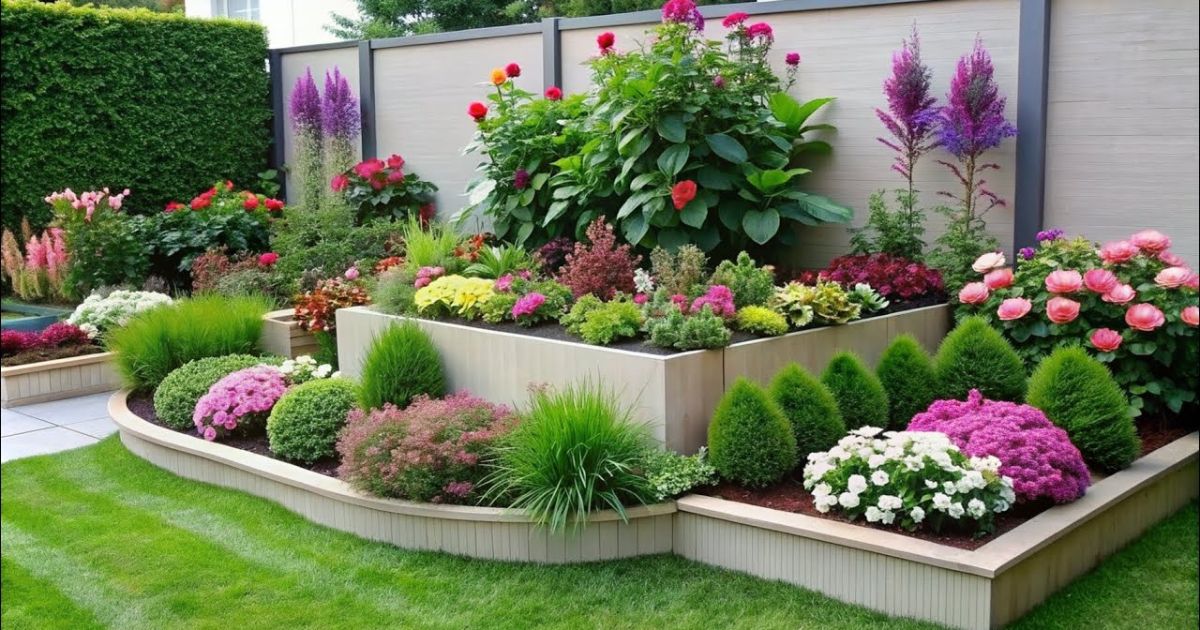
A Garden without flowers feels incomplete. Flowers bring life, color, and fragrance to outdoor spaces, and one of the best ways to showcase them is through thoughtfully designed flower beds. Whether you own a large backyard, a cozy cottage garden, or just a small strip near your front porch, flower beds can transform ordinary spaces into living works of art. From traditional cottage borders to sleek modern displays, flower beds offer endless creative opportunities.
They can be simple or elaborate, bold or delicate, seasonal or evergreen. The secret lies in thoughtful planning, wise plant choices, and a good balance of colors and textures. In this guide, we’ll explore colorful flower bed ideas for every garden, including design principles, plant combinations, maintenance tips, and seasonal inspiration. By the end, you’ll have everything you need to create flower beds that bloom beautifully all year long.
Why Flower Beds Are Essential in Garden Design
Flower beds are a cornerstone of garden design, bringing structure, color, and life to any outdoor space. They allow gardeners to showcase a variety of plants, from vibrant seasonal blooms to evergreen shrubs, creating year-round beauty. Beyond aesthetics, flower beds help organize the garden by defining pathways, framing lawns, or highlighting focal points like trees or water features. They also enhance biodiversity, attracting pollinators such as bees, butterflies, and birds, which support a healthy flower garden bedding ecosystem.
Flower beds can be customized in shape, size, and plant selection to suit any style—whether formal, cottage, or modern minimalist. Additionally, they improve soil health by encouraging regular care, mulching, and composting. With their ability to blend practicality and artistry, flower beds transform a simple yard into a dynamic, inviting landscape. In short, they are not just decorative but essential for creating balance, harmony, and vibrancy in garden design.
Planning the Perfect Flower Bed
 Creating the perfect flower bed begins with thoughtful planning and a touch of creativity. “Planning the Perfect Flower Bedesign” guides gardeners of all levels to design vibrant, harmonious, and visually striking flower arrangements. The process starts with understanding your garden’s sunlight, soil type, and space, ensuring the plants you choose thrive in their environment. Learn how to blend colors, heights, and textures to create dynamic layers that capture attention throughout the flower garden seasons.
Seasonal bloom planning ensures your flower bed remains vibrant year-round, while companion planting strategies foster healthy growth and naturally reduce pests. From selecting perennial favorites to experimenting with annuals for bursts of color, this guide offers practical tips and design inspiration. Whether you’re crafting a small balcony garden or a sprawling backyard oasis, mastering flower bed design transforms your outdoor space into a breathtaking sanctuary that reflects your personal style and love for flowerbeds nature.
Evaluate Your Space
Evaluate Your Space” is a practical guide designed to help you assess and optimize any area, whether at home, office, or outdoors. By carefully examining dimensions, layout, lighting, and functionality, grasping the fundamentals of color theory is essential for creating balanced and visually appealing garden beds. You can identify strengths and limitations to make the most of your space.
This approach encourages thoughtful planning, ensuring every corner serves a purpose while reflecting your style and needs. From arranging furniture efficiently to maximizing storage and creating inviting atmospheres, evaluating your space is the first step toward transforming it into a functional, comfortable, and visually appealing environment. Perfect for organized, creative solutions.
Choose the Bed Shape
Choosing the right bed shape is a crucial step in designing a comfortable and stylish bedroom. From classic rectangular frames to modern round or oval designs, the bed shape sets the tone for your space. Rectangular beds maximize sleeping area, while circular beds add a unique, luxurious touch.
Consider the room’s size, furniture layout, and personal style when selecting a shape. A well-chosen bed shape not only enhances aesthetics but also promotes better sleep and functionality. Whether you prefer minimalistic simplicity or bold statement pieces, the right bed shape can transform your bedroom into a harmonious and inviting flower garden ideas retreat.
Design with Layers
Design with Layers” is all about creating depth, complexity, and visual interest in any project. By strategically layering colors, textures, shapes, and elements, designers can guide the viewer’s eye, highlight key features, and evoke a sense of dimension. This approach isn’t limited to graphic design—it applies to fashion, interior design, and digital media, offering endless possibilities for creativity.
Layering enables subtle storytelling by adding context or emotion at each level, making the final composition richer and more engaging, whether slight or bold. Mastering design with layers transforms ordinary visuals into dynamic, memorable experiences that captivate and inspire.
Plan for Continuous Color
Mix early spring bulbs, summer perennials, and autumn blooms. Add evergreen shrubs or winter-interest plants to keep beds alive all year. Before planting, enrich the soil with compost, manure, or organic fertilizers. Healthy soil equals healthy blooms.
Colorful Flower Bed Ideas for Inspiration
 A vibrant flower bed can instantly transform any garden, bringing life, color, and charm to outdoor spaces. “Colorful Flower Bed Ideas for Inspiration” offers a wealth of creative suggestions for gardeners of all levels. From bold, contrasting color combinations to soothing, harmonious palettes, there’s a design to suit every taste. Learn how to layer flowers for height, texture, and seasonal interest, and discover plants that bloom continuously for long-lasting ideas for flower garden beauty.
Explore themed beds, such as cottage-style, tropical, or modern minimalist, and find tips for mixing perennials and annuals to ensure year-round appeal. Whether you have a small balcony, a backyard, or a sprawling garden, these ideas help you make the most of your space. With careful planning and a touch of creativity, your flower beds can become stunning focal points that attract pollinators, delight the senses, and reflect your personal flower bed ideas style.
The Classic Cottage Garden Bed
The Classic Cottage Garden Bed is a charming blend of colors, textures, and scents that brings timeless beauty to any outdoor space. Bursting with a mix of perennials, annuals, and flowering shrubs, this garden style celebrates a natural, slightly informal look where blooms spill freely, creating a relaxed, storybook feel. Roses, foxgloves, hollyhocks, and lavender mingle with greenery, attracting pollinators and filling the air with fragrance.
Paths of cobblestone or mulch invite exploration, while layered plantings offer year-round interest. Perfect for gardeners who love nostalgia and whimsy, the designs for flower beds Classic Cottage Garden Bed turns any yard into a vibrant, enchanting retreat.
Tropical Paradise Flower Bed
Transform your garden into a lush Tropical Paradise Flower Bed, where vibrant colors and exotic blooms create a stunning visual escape. Imagine a mix of bold hibiscus, fragrant plumeria, and striking bird of paradise flowers, surrounded by rich greenery and swaying palms. This flower bed design brings the warmth and vibrancy of the tropics right to your backyard, offering a serene retreat for relaxation or entertaining. Perfect for sunny spots, it combines eye-catching textures, dramatic foliage, and continuous blooms throughout the season. Create a tropical oasis that delights the senses and turns your garden into a lively, flowers in bed colorful haven.
Monochrome Elegance
Monochrome Elegance” captures the timeless beauty of simplicity through a sophisticated palette of black, white, and subtle shades of gray. This style emphasizes clean lines, minimalistic design, and harmonious contrasts, creating a space or aesthetic that feels both modern and classic. By focusing on a single color family, every detail—from textures and patterns to shapes and accessories—gains prominence, allowing for refined, understated luxury. Ideal for interiors, fashion, or visual art, “Monochrome Elegance” celebrates balance and subtlety, proving that true sophistication doesn’t need a multitude of flowerbeds colors, only thoughtful design and intentional expression.
Pollinator-Friendly Flower Beds
If you want to support bees and butterflies, design a pollinator haven. Plant choices: Coneflowers, bee balm, lavender, milkweed, sunflowers. Bonus: Pollinator gardens bring movement and buzzing life to your flower types of flower gardens beds.
Seasonal Showcase Beds
Dedicate beds to highlight each season:
- Spring: Daffodils, tulips, hyacinths.
- Summer: Dahlias, zinnias, cosmos.
- Fall: Asters, chrysanthemums, ornamental kale.
- Winter: Camellias, hellebores, evergreen shrubs.
With this approach, your garden is always in bloom.
Herb-and-Flower Combination Bed
Blend utility with beauty by mixing herbs and flowers.
Examples:
- Lavender and rosemary with marigolds.
- Basil with calendula.
- Thyme with nasturtiums.
These beds are fragrant, practical, and pest-resistant.
Low-Maintenance Perennial Beds
Perennials like daylilies, coneflowers, black-eyed Susans, and hostas return year after year, reducing replanting work. Tip: Pair with ornamental grasses for added texture.
Raised Flower Beds for Small Gardens
For patios, courtyards, or compact yards, raised beds provide a significant impact in small spaces. Plant ideas: Geraniums, begonias, dwarf dahlias, and pansies. Design tip: Use decorative edging like stone or wood to frame the raised flowerbed ideas bed.
Modern Minimalist Flower Beds
Minimalist gardens emphasize clean lines and simple plant palettes. Plant picks: White hydrangeas, ornamental grasses, agapanthus, and succulents. Design tip: Stick to two or three plant varieties for a sleek look.
Themed Flower Beds
Bring personality into your garden with creative themes:
- Butterfly garden: Butterfly bush, lantana, zinnias.
- Fragrance bed: Roses, lilacs, jasmine.
- Moon garden: White blooms like moonflowers and primroses that glow in the evening.
Using Color Theory in Flower Beds
 Creating a visually stunning flower bed goes beyond choosing your favorite blooms—it involves understanding and applying color theory. Color theory is the art and science of combining colors to create harmony, contrast, and mood. In flower gardening, this means selecting plants whose colors complement or contrast beautifully, guiding the viewer’s eye and enhancing the garden’s overall aesthetic. Warm colors like reds, oranges, and yellows can energize a space, while cool blues, purples, and greens provide a calming effect.
Complementary colors, placed opposite each other on the color wheel, create striking contrasts, while analogous colors, sitting next to each other, offer a serene, blended look. By thoughtfully planning flower beds with color theory in mind, gardeners can transform ordinary spaces into vibrant, balanced, and visually engaging landscapes. Even small flower beds benefit from these principles, making color an essential tool for every garden designer.
Adding Texture and Layers Beyond Flowers
Adding texture and layers beyond flowers transforms any garden from simple to stunning. Incorporating elements like ornamental grasses, foliage plants, shrubs, and groundcovers introduces depth and contrast, enhancing visual interest year-round. Unique leaves, varied heights, and complementary colors create a dynamic, multi-dimensional effect that draws the eye across your garden space. Hardscape features such as stones, mulch, and decorative pots further enrich the landscape, providing structure and rhythm. By blending these textures and layers, gardeners can achieve a balanced, harmonious design that feels natural yet curated, offering beauty even when blooms fade.
Flower Beds for Small Gardens
Creating a stunning flower bed in a small garden is all about maximizing color, texture, and charm within limited space. Thoughtful planning allows you to combine compact perennials, vibrant annuals, and seasonal blooms to create year-round appeal. Using vertical elements like trellises, hanging baskets, or raised beds can add dimension without crowding the area. Choose plants with varying heights, colors, and bloom times to maintain interest and harmony. Small garden flower beds not only enhance the beauty of your outdoor space but also provide a cozy, inviting atmosphere, transforming even the tiniest garden into a colorful, flourishing retreat.
Maintenance Tips for Long-Lasting Flower Beds
Maintaining vibrant, long-lasting flower beds requires a combination of proper care, thoughtful planning, and seasonal attention. Regular watering is essential, ensuring soil stays moist but not waterlogged, while mulching helps retain moisture and suppresses weeds. Periodic pruning and deadheading encourage continuous blooming and prevent plants from becoming overgrown. Fertilizing with the proper nutrients supports healthy growth and vibrant colors, while monitoring for pests and diseases protects your garden from damage.
Rotating plants seasonally and incorporating a mix of perennials and annuals can keep flower beds visually appealing year-round. Additionally, maintaining soil health through aeration and composting provides a strong foundation for thriving plants. By following these simple but effective maintenance tips, gardeners can enjoy lush, colorful flower beds that remain beautiful through changing seasons. Consistent care ensures that every bloom reaches its full potential, creating a garden that delights for years to come.
Common Mistakes to Avoid
- Overcrowding plants without leaving space to grow.
- Choosing flowers unsuitable for sun/shade conditions.
- Ignoring bloom times leads to gaps in color.
- The design incorporates too many clashing colors without achieving a balanced look.
- Neglecting soil preparation.
Sustainable Flower Beds
Eco-friendly choices make your beds more resilient:
- Use native plants adapted to your climate.
- Collect rainwater for irrigation.
- Avoid chemical pesticides—choose organic methods instead.
- Add companion plants to repel pests naturally.
Inspiring Flower Bed Examples Around the World
 The beauty and creativity of floral design are showcased in our curated collection of inspiring flower bed examples from around the world. From the vibrant tulip displays of the Netherlands to the serene Japanese garden arrangements, these flower beds showcase a stunning variety of colors, shapes, and patterns. Explore the lush, fragrant blooms of English cottage gardens, the geometric precision of French parterres, and the tropical splendor of Southeast Asian landscapes.
Each example highlights unique planting techniques, seasonal color schemes, and imaginative layouts that turn ordinary garden spaces into breathtaking visual experiences. Whether you’re seeking ideas for a small backyard, a community park, or a grand public garden, these global flower bed designs offer endless inspiration. Learn how different cultures combine textures, heights, and hues to create harmony and impact, and ignite your creativity to craft your own spectacular flower-filled flower bed design haven.
Conclusion:
Flower beds are the heart of every garden. They provide bursts of color, seasonal beauty, and a space for creativity. Whether you choose a romantic cottage garden, a sleek modern bed, or a pollinator-friendly patch, the possibilities are endless. By carefully planning layouts, mixing colors, and maintaining your plants, you can enjoy flower beds that thrive in every season. More than just decorative, they are habitats for pollinators, canvases for creativity, and joyful spaces for relaxation. So, grab your gardening gloves, sketch your dream bed, and start planting. With a little effort and inspiration, your garden will bloom into a colorful paradise that delights the senses year after year.
FAQ:
What is a Flower Bed?
A flower bed is a designated area in a garden where flowers are planted in groups to create a visually appealing display. Flower beds can be formal or informal and vary in size, shape, and plant selection.
How do I Choose the Correct Location for a Flower Bed?
Consider sunlight, soil type, and drainage. Most flowering plants need at least 6 hours of sunlight daily. Ensure the soil is fertile and drains well to prevent root rot. Also, consider the view and accessibility for maintenance.
How far apart should I Plant Flowers?
Spacing depends on the plant type. Check the plant tag or seed packet. Generally, allow enough room for growth to prevent overcrowding and improve airflow.
Can I Plant Flowers that bloom at Different Times Together?
Yes! Combining early, mid, and late-season bloomers ensures your flower bed looks vibrant throughout the year. Plan for overlapping bloom periods to maintain continuous color.
Are flower Beds Suitable for small Gardens?
Absolutely! Even a small corner or balcony can host a flower bed. Use vertical arrangements, raised beds, or container flower beds to maximize space.
