
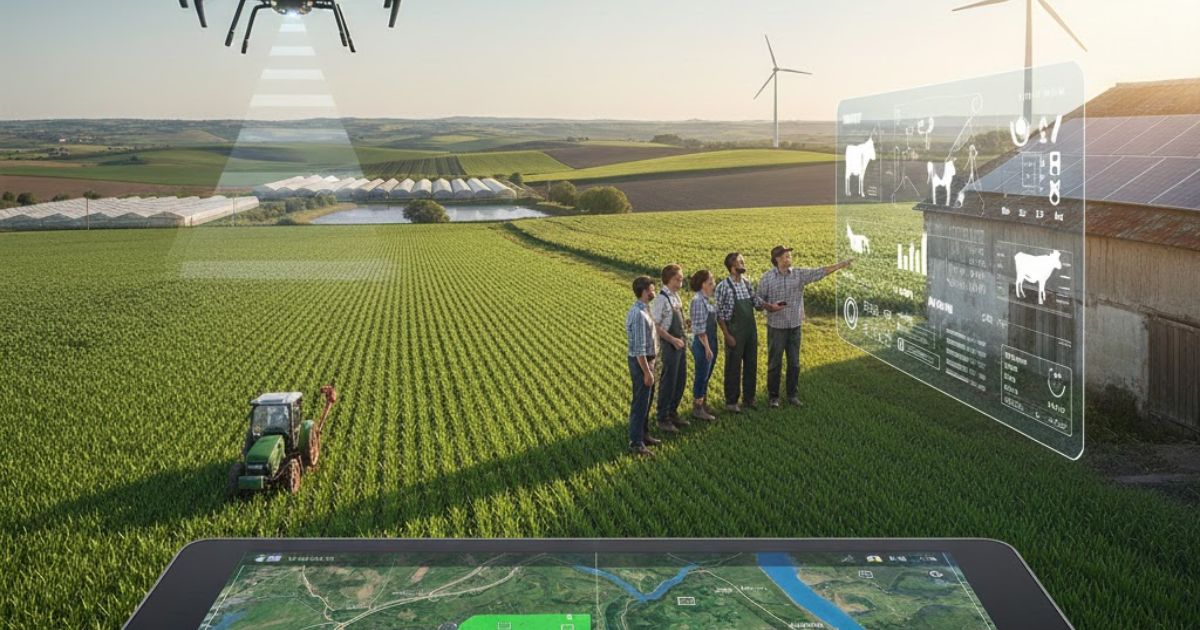
Farm management plays a vital role in the success and sustainability of any agricultural operation. It involves planning, organizing, and controlling farm resources to achieve maximum productivity and profitability. Farmers face numerous challenges, including rising production costs, climate change, market volatility, and limited resources. Without effective management, even well-equipped farms can struggle to maintain stable operations.
Education and guidance in enable farmers and farm managers to make informed decisions, utilize resources efficiently, and integrate modern farming practices into their operations. By learning effective management techniques, whole farm farmers can increase crop yields, optimize livestock care, and ensure sustainable long-term growth. This article examines the significance of manage your farm education and provides practical guidance to help farm managers and farmers improve their agricultural operations.
What Is Farm Management?
Farm management involves organizing, planning, and controlling all farm activities to achieve optimal results. It consists of determining how land, labor, capital, and other natural resources are utilized to produce crops and manage livestock efficiently and profitably.In simple terms, farm management helps farmers and farm managers determine what to produce, how to manage production, Drip Irrigation vs. Flood Irrigation: and when to schedule activities to achieve maximum yield while keeping costs low. Key activities in efficiently and sustainably industry include crop planning, livestock care, financial management, record keeping, the use of machinery, and marketing farm succeed products.
By applying effective farm risk management practices, farmers can efficiently integrate checklist reduce risks, enhance productivity, and maintain the long-term health of their land and livestock.
Importance of Education in Farm Management

Education is central to effective farm management. Modern agriculture requires knowledge of science, technology, economics, and sustainable methods in addition to conventional farming knowledge. Edecisions education equips farmers with skills to manage soil, plan crop management, control pests, care for livestock, and utilize water and fertilizers efficiently. Financial knowledge, including budgeting, cost analysis, successful farm and record keeping, enables farm managers to maintain profitable operations. Educated farmers can better respond to market fluctuations, streamline farm return on investment industry optimize their farm schedules, and integrate new techniques to achieve higher yields.
Training programs, workshops, day-to-day management and extension services offer practical guidance that allows farmers to enhance productivity while conserving resources. With proper education, operating a farm managers and farmers can build resilient, sustainable, and profitable expenditure operations.
Core Areas of Farm Management Education
Farm management education covers several core areas to help farmers operate their farm business efficiently:
Financial Management
Farm managers learn to budget, track income and expenses, manage financial flow, and maintain accurate records. Understanding credit, loans, insurance, and government support programs is essential for ensuring financial stability spreadsheet automate in farm operations.
Crop and Livestock Management
Education focuses on improving crop yield and livestock productivity. Farmers learn about crop rotation, soil fertility, weed pest and disease management, harvesting techniques, animal nutrition, breeding, and housing.
Resource Management
Effective farm management requires optimal use of land, water, labor, and machinery. Farmers are trained to integrate these resources efficiently, traceability food systems conserving them for long-term leasing sustainability.
Marketing and Business Management
Farm managers learn to sell products effectively by understanding market demand, pricing, value addition, storage, and transportation. decision making This knowledge helps maximize farm income.
Technology and Innovation
Modern farm management integrates technology, including farm management software, mobile applications, GPS, sensors, and drones. These tools help monitor farm activities, schedule tasks, and optimize yields.
By mastering these areas, farm transition and farm managers can operate their farm operations more effectively and integrate modern techniques to achieve long-term success.
Technology and Innovation in Farm Management
Technology has transformed farm management into a more efficient, data-driven, and sustainable practice. Digital farm management tools enable to schedule tasks, track expenses, monitor crop and livestock yields, and maintain accurate records in one centralized location.Precision agriculture tools, including GPS, sensors, and drones, enable management decisions to monitor soil, water, and crop health with precision and accuracy. planting and harvesting Targeted use of fertilizers, irrigation, and pesticides reduces waste and improves yield.
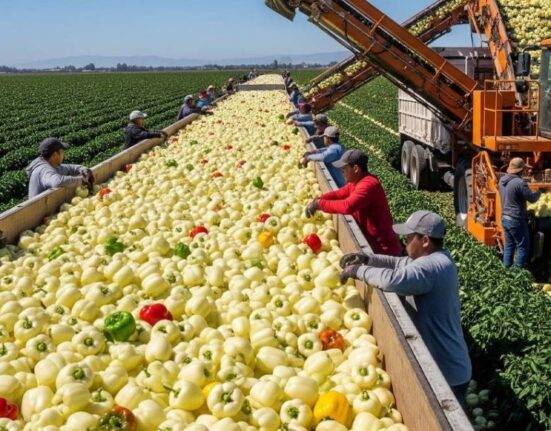
Mechanization and advanced machinery save labor and increase accuracy in planting, harvesting, and livestock care. Biotechnology and climate-smart techniques help integrate resilience into their farm operations.Innovation in agriculture ensures higher productivity, lower costs, and sustainable farm management practices.
Sustainable Farm Management Practices

Sustainable practices allow farmers to meet current agricultural industry needs while conserving resources for future generations. Soil conservation methods, such as reduced tillage, cover cropping, and crop rotation, maintain soil fertility and enhance yield.Water management strategies, including rainwater collection, drip irrigation, and appropriate irrigation scheduling, optimize water usage and prevent wastage. What Is Agriculture Integrated pest management (IPM) and responsible livestock care further support sustainability by minimizing environmental impact. Renewable energy use and waste recycling also contribute to efficient satellite operations.
Adopting sustainable practices helps farmers and farm managers protect resources, increase resilience, real-time and achieve stable agricultural output.
Labor Management in Farm Operations
Labor management is critical for the smooth operation of any farm. It involves planning, assigning, supervising, and monitoring workers to ensure the timely completion of tasks. Proper labor management reduces costs, enhances productivity, and keeps workers motivated.
Key Aspects of Labor Management
For any farm to run well, labor management is essential. It ensures that farm tasks are completed efficiently, resources are used effectively, and workers remain motivated. One of the primary aspects is workforce planning. Farmers and farm managers must determine the number of workers needed for activities such as planting, harvesting, irrigation, and livestock care. compliance Proper planning prevents both under- and overstaffing, ensuring that seasonal tasks are completed on time.Task assignment and scheduling are another crucial component. The 2025 Farm Bill Explained Assigning tasks according to workers’ skills and experience increases productivity. At the same time, well-organized schedules ensure that critical operations, such as sowing and harvesting, are completed at optimal times, directly impacting crop yield.
Training and skill development enhance labor efficiency. Educating workers on proper techniques, safe equipment use, and sustainable practices helps reduce errors and improve overall farm performance.Monitoring and supervision enable farm managers to track progress, financial analysis provide feedback, and ensure quality standards are maintained.Motivation and incentives, including fair wages, recognition, and safe working conditions, encourage workers to perform better and reduce turnover.Ultimately, labor cost management entails monitoring wages and expenses to ensure ongoing profitability. Tools such as labor diaries or farm management software simplify this process, enabling farm managers to integrate labor resources effectively and optimize overall farm operations.
Improving Farm Management
Improving farm management is essential for enhancing productivity, reducing expenses, and ensuring the long-term viability of agricultural operations. One of the key strategies is goal setting. Farmers and farm managers should establish both short-term and long-term objectives related to production, income, and sustainability. Clear goals provide direction, help prioritize tasks, soil health and make it easier to measure progress over time.Accurate record keeping is another critical aspect. Maintaining detailed records of income, expenses, crop yields, livestock performance, and resource usage allows farmers to identify areas for improvement, enterprise analyze operational efficiency, and make informed decisions. Well-kept records also assist in budgeting and accessing loans or government support programs.

Education and expert guidance play a significant role in improving farm management. Attending workshops, training programs, and consulting with agricultural advisors equips farmers with practical knowledge about modern farming techniques, financial planning, and problem-solving strategies. Learning from experienced farm managers reduces risks and prevents costly mistakes.Finally, What Is the Difference Between Subsistence And Commercial Farming? A Simple Guide integrating technology and sustainable practices enhances farm operations. Using digital farm management tools, advanced machinery, and eco-friendly methods improves efficiency, optimizes resource use, and increases crop and livestock yield. families and individuals Continuous evaluation and willingness to adopt innovative methods ensure that farms remain resilient, productive, and profitable in the long term.
Conclusion
Effective farm management is the foundation of a successful and sustainable farming operation. It goes beyond traditional farming practices by combining proper planning, education, technology, and responsible use of resources. With the appropriate knowledge and guidance, Farmers can make well-informed decisions that increase profitability, reduce risks, and improve production.
Education in farm management empowers farmers to adapt to changing market conditions, climate challenges, and the demands of modern agriculture. livestock health By adopting innovative technologies and sustainable practices, animal health farmers can protect the environment 3 Big Things Successful Farming Today while ensuring long-term growth and stability for their farms.In conclusion, investing in farm management education and continuous improvement is essential for the future of agriculture. Farmers who focus on learning, planning, and innovation are better prepared to build resilient farms and achieve lasting success.
FAQ
What is farm management?
Planning, organizing, and managing a farm and controlling farm resources, including land, labor, capital, and equipment, to achieve efficient and profitable agricultural production.
Why is farm management critical?
Farm management is essential because it enables farmers to utilize resources efficiently, reduce costs, increase productivity, and guarantee their farms’ long-term sustainability.
How does education help in farm management?
Education helps farmers acquire knowledge about modern farming techniques, financial planning, technology utilization, ranch and sustainable practices, enabling them to make better decisions and manage risks more effectively.
What are the main areas of farm management education?
The main areas include financial management, crop and livestock management, resource management, marketing and business skills, and the use of technology and innovation.
How can technology improve farm management?
Technology enhances farm management by providing tools for planning, monitoring, record-keeping, precision farming, and the efficient use of inputs such as water, fertilizers, and labor.