

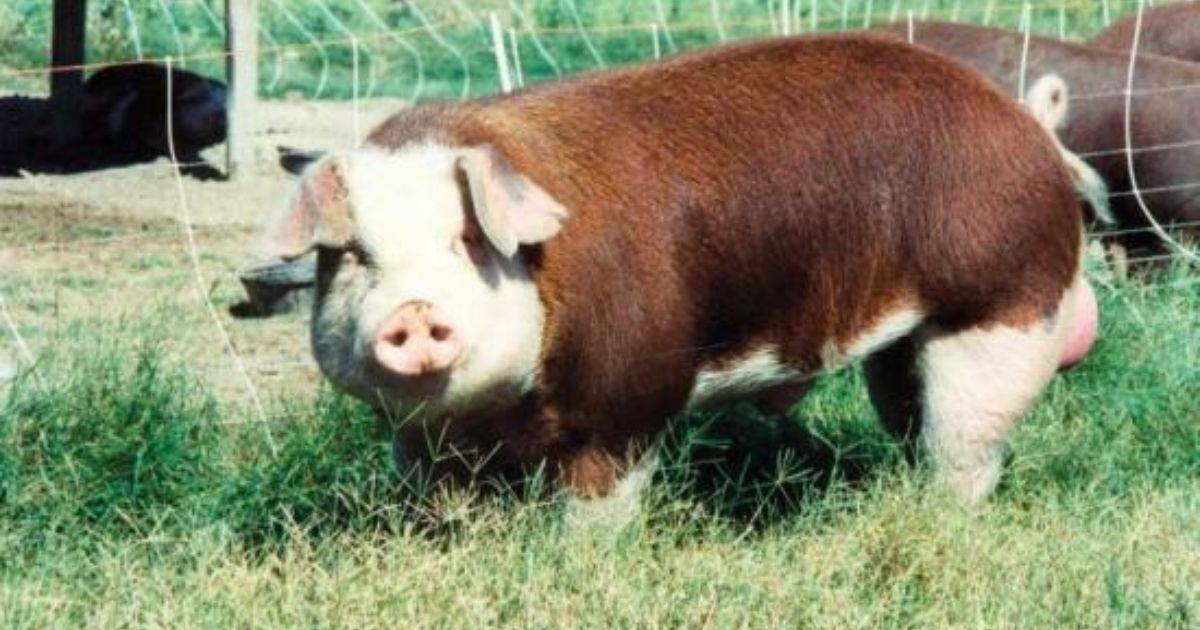
The Hereford pig is a hardy and visually striking heritage breed known for its red body and white face, resembling Hereford cattle. Over the years, Hereford pigs have gained popularity among small-scale and pasture-based farmers because of their adaptability, calm temperament, and excellent meat quality. Initially developed in the United States during the early 20th century, this breed was created by crossing Duroc, Poland China, and Chester White pigs to produce a well-balanced and productive animal.
Farmers appreciate Hereford hogs for their efficient growth, strong mothering ability, and ability to thrive in outdoor systems. Unlike some commercial breeds that require intensive care, the Hereford pig performs well in natural environments with proper management. Their distinct appearance also makes them a favorite at agricultural fairs and breeding shows.Whether you are a beginner farmer or an experienced breeder, understanding the breed’s background and performance traits is essential. In this guide, we will explore Hereford swine characteristics, breeding advantages, care tips, and what makes the Hereford pig a reliable and profitable choice for sustainable farming operations.
History and Origin of the Hereford Pig
The Hereford pig was developed in the United States in the 1920s and 1930s. Breeders aimed to create a pig with the striking color pattern of Hereford cattle while maintaining strong production qualities. To achieve this, they crossed Duroc (for growth and meat quality), Poland China (for size and muscling), and Chester White (for maternal traits). The result was a balanced breed with both visual appeal and practical farm value.As interest in heritage livestock increased, Hereford pigs regained attention among farmers seeking sustainable and pasture-friendly breeds. Historically, these pigs were valued for their ability to perform well in diverse climates and management systems. Unlike highly specialized commercial lines, Hereford hogs retained many traditional traits, What Soil is Best For Growing Soybeans such as foraging ability and durability.
Today, the breed is recognized for preserving genetic diversity within the swine industry. Many small farms prefer Hereford pigs because they are easy to manage and adaptable to different feeding systems. Their heritage background also makes them well-suited for niche markets, including natural and locally raised pork production.Understanding the breed’s origin helps farmers appreciate the Hereford pig’s firm foundation, which continues to make it a dependable animal.
Hereford Swine Characteristics
When discussing Hereford swine characteristics, several key traits stand out. First is their unique coloration: a deep red body with a white face, underbelly, and legs. This distinctive look makes Hereford pigs easily recognizable. They typically have medium-length ears that droop slightly forward and a solid, muscular build.In terms of temperament, Hereford hogs are known for being calm and manageable. This makes them ideal for small farms, family operations, and even youth livestock projects. Good temperament reduces stress, which can positively affect growth and meat quality.
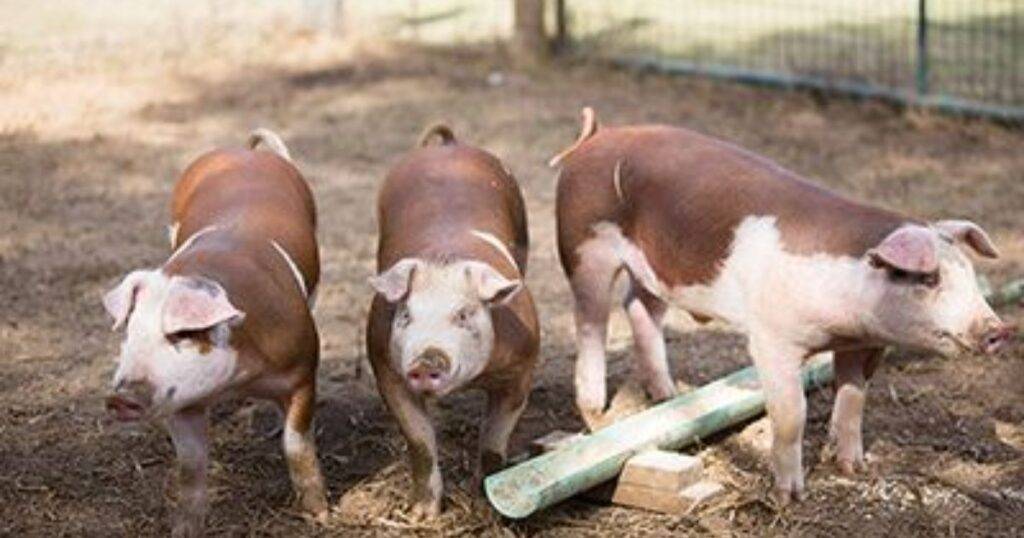
Physically, Hereford pigs have strong legs and good bone structure, which allows them to perform well in pasture systems. They are efficient feeders and can convert feed into effective weight gain. Mature Hereford boars are well-muscled and powerful, while sows demonstrate excellent maternal instincts.Another notable trait is their adaptability. They tolerate a wider range of climates and housing systems better than some modern commercial breeds. Their hardiness makes them a dependable option for farmers who prioritize sustainability and animal welfare.Overall, Hereford swine characteristics combine appearance, productivity, and resilience qualities that contribute to their growing popularity.
Breeding and Hereford Boars
Breeding is crucial to preserving the robustness of the Hereford pig line. Selecting high-quality Hereford boars is essential for producing healthy and productive offspring. A good Hereford boar should exhibit strong muscling, proper leg structure, and the correct red-and-white color pattern.When breeding Hereford pigs, farmers often focus on maintaining consistent Hereford pig characteristics, such as growth rate, meat quality, and maternal ability. Sows are known for being attentive mothers with good milk production, which supports healthy litters.Breeders also pay close attention to genetics. Avoiding inbreeding and choosing unrelated Hereford boars ensures better long-term performance. Responsible breeding programs help preserve the heritage traits that define this breed.
On average, Hereford sows produce moderate to large litters. With proper care and nutrition, fertility rates remain strong. The calm temperament of both boars and sows makes handling during breeding and farrowing easier compared to more aggressive breeds.Whether you are raising pigs for meat or breeding stock, selecting a well-structured and healthy Hereford boar is key to maintaining a productive and sustainable herd.
Caring for Hereford Piglets
Proper care of a Hereford piglet begins at birth. Healthy Hereford piglets are typically active, alert, and eager to nurse. Ensuring they receive colostrum within the first hours of life is crucial for immunity and early development.Farmers should provide a clean, dry farrowing area to reduce the risk of illness. Temperature control is also essential, How to Raise Homing Pigeons as piglets are sensitive to cold. Heat lamps or warm bedding can help maintain comfort during the early days.As Hereford piglets grow, a gradual introduction to solid feed supports steady weight gain. Their strong genetics and maternal support from the sow contribute to consistent development. Monitoring health, vaccination schedules, and proper nutrition ensures they reach weaning age successfully.
Because of their hardy nature, Hereford pigs generally adapt well after weaning. Providing balanced feed and access to clean water promotes continued growth. Social interaction among piglets is also essential for the development of healthy behavior patterns.With attentive management and proper nutrition, a Hereford piglet can develop into a productive and resilient adult, reflecting the dependable qualities of the breed.
Why Choose Hereford Hogs for Your Farm?
Choosing Hereford hogs offers several advantages for farmers seeking hardy and manageable livestock. One of the most significant benefits is their adaptability. The Hereford pig performs well in both pasture-based and semi-intensive systems, making it suitable for a wide range of farming systems.Their calm temperament simplifies daily management tasks such as feeding, moving, and health checks. This makes Hereford pigs particularly attractive to beginners and small-scale producers. Additionally, the breed’s balanced growth rate provides high-quality pork with desirable flavor and marbling.
Another reason to choose Hereford hogs is their strong maternal traits. Sows are attentive mothers, improving the survival rates of Hereford piglets. Efficient feed conversion also helps reduce production costs over time.From a marketing perspective, the heritage appeal of Hereford pigs attracts consumers interested in locally raised and sustainably produced meat. Boer Goats: A Complete Guide to Raising Breeding and Caring Their striking appearance can also enhance farm branding and visibility at livestock shows.Overall, the combination of resilience, productivity, and strong Hereford swine characteristics makes this breed a dependable option. Whether raising pigs for meat, breeding stock, or exhibition, the Hereford pig offers a practical and rewarding choice for modern farmers.
Feeding and Nutrition of Hereford Pigs
A healthy diet is essential for optimizing Hereford pig performance. Like most heritage breeds, Hereford pigs perform exceptionally well in pasture-based systems where they can forage naturally. Their strong foraging instinct enables them to consume grasses, legumes, and crop residues, helping reduce feed costs.However, pasture alone is not enough for optimal growth. A well-rounded diet that includes grains, protein sources, vitamins, and minerals is essential. Young Hereford piglets require high-protein starter feed to support muscle and bone development. As they grow, adjusting feed ratios ensures steady weight gain without excessive fat accumulation.
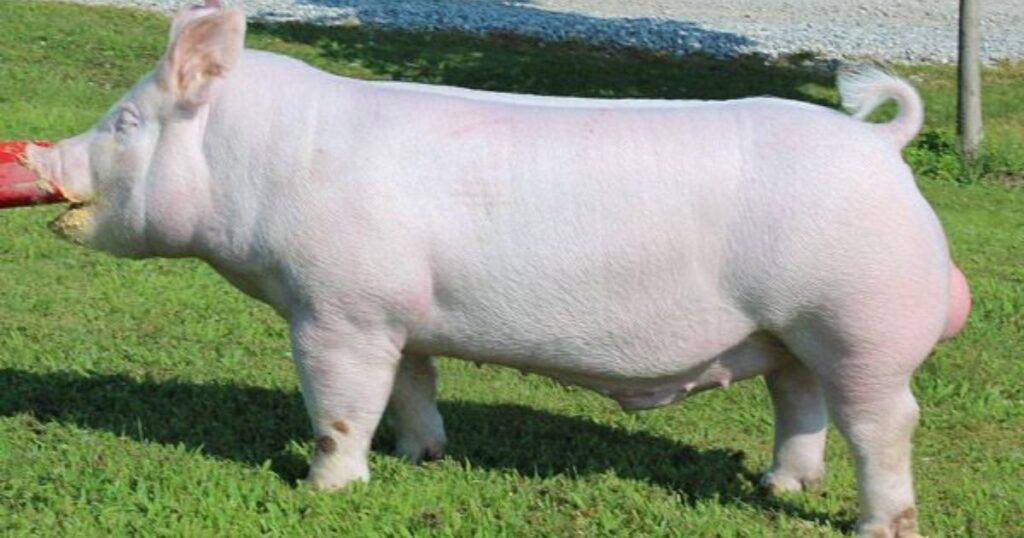
One of the advantages of Hereford swine characteristics is their efficient feed conversion. They can effectively transform quality feed into lean muscle. Mature Hereford boars especially need well-balanced rations to maintain strength and reproductive performance.Clean water must always be available, as hydration significantly impacts digestion and overall health. By maintaining a proper feeding plan, farmers can enhance the growth rate, meat quality, and long-term productivity of their Hereford hogs.
Growth Rate and Meat Quality
The Hereford pig breed is characterized by balanced growth and excellent pork quality. While they may not grow as rapidly as some commercial hybrid breeds, Hereford pigs produce well-marbled meat known for its flavor and tenderness. This makes them highly desirable in niche and local meat markets.Typically, Turkey Breed Guide: From Hatchery to Table Hereford hogs reach market weight at a steady pace when provided proper nutrition and care. Their muscular build contributes to good carcass yield while maintaining a healthy fat-to-lean ratio. Farmers raising pigs for premium pork often choose Herefords because consumers appreciate the rich taste associated with heritage breeds.
A well-developed Hereford boar passes strong muscling traits to offspring, improving meat quality across generations. Careful breeding selection enhances these desirable traits.Because of their adaptability and calm temperament, Hereford pigs generally have lower stress levels, which can positively influence meat quality. Stress reduction before processing is essential for maintaining tenderness and color.Overall, the combination of reliable growth and flavorful pork makes Hereford hogs a practical and profitable choice for farmers targeting quality-conscious buyers.
Common Health Concerns and Management
The Hereford pig is considered a hardy breed, but proper health management remains essential. Thanks to strong Hereford swine characteristics, these pigs generally adapt well to different climates and housing systems. However, routine care is necessary to prevent disease and maintain productivity.Regular vaccinations, parasite control, and veterinary checkups help ensure herd health. Clean housing and dry bedding reduce the risk of respiratory issues and infections. Young Hereford piglets are particularly sensitive during early development, so close monitoring is essential.Providing adequate space prevents overcrowding and stress among Hereford pigs. Overcrowding can lead to behavioral issues and slower growth. Mature Hereford boars should be housed securely to avoid injuries and maintain safe handling conditions.
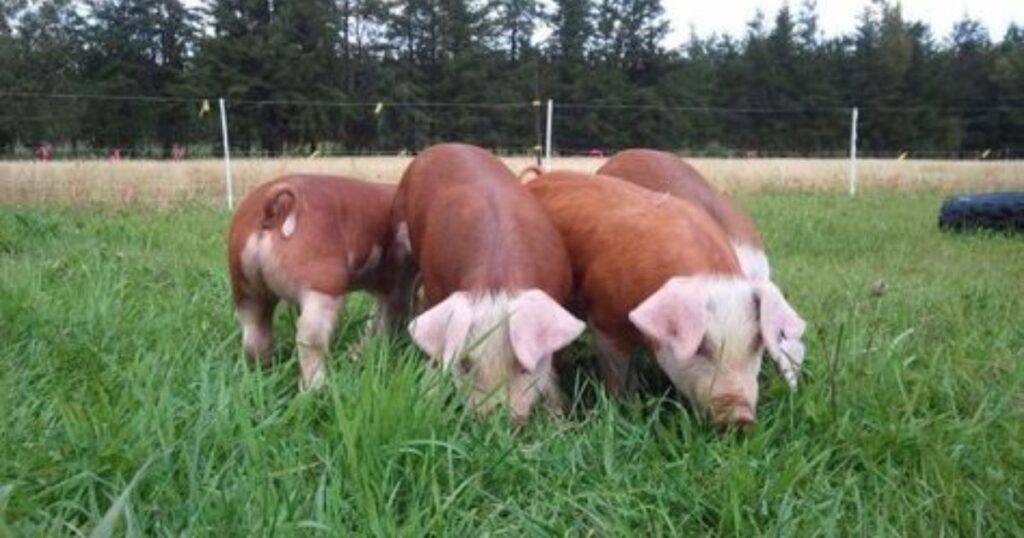
Biosecurity measures, such as limiting farm visitors and quarantining new animals, further protect herd health. Good record-keeping also allows farmers to track breeding cycles, growth rates, Different Types of Cows: Breeds Characteristics and Uses Explained and any medical treatments.With proper management, Hereford hogs remain strong, productive animals. Their natural resilience, combined with responsible care, makes them a dependable breed for both beginner and experienced farmers alike.
Conclusion
The Hereford pig stands out as a hardy, reliable, and visually distinctive heritage breed that continues to earn respect among modern farmers. With strong Hereford swine characteristics such as adaptability, calm temperament, efficient feed conversion, and excellent maternal ability, this breed fits well into both small-scale and pasture-based farming systems. Whether raising pigs for meat production or breeding stock, Hereford pigs offer a balanced combination of productivity and sustainability.From selecting quality Hereford boars for breeding to properly caring for each Hereford piglet, successful management ensures long-term herd strength and consistent performance. Their steady growth rate and flavorful pork make Hereford hogs especially appealing for local and niche markets that value quality over mass production.
Additionally, the strong genetic foundation behind Hereford pig characteristics supports resilience in various climates and housing conditions. With proper nutrition, health management, and responsible breeding practices, Hereford piglets grow into productive adults that maintain the breed’s reputation.Overall, the Hereford pig is more than just an attractive red-and-white animal; it is a practical, sustainable, and profitable choice for farmers seeking durability, performance, and heritage value in their swine operations.
FAQ
What are the main Hereford swine characteristics?
The main Hereford swine characteristics include a red body with a white face, white underline, and white legs. They have a muscular build, medium drooping ears, and strong bone structure. Hereford pigs are known for their calm temperament, good feed efficiency, and adaptability to pasture-based systems. Their balanced growth rate and strong maternal traits also make them popular among small-scale farmers.
Are Hereford pigs suitable for small farms?
Yes, the Hereford pig is an excellent choice for small and family farms. Hereford hogs are easy to manage due to their gentle temperament and hardy nature. They perform well in outdoor systems and can adapt to different climates. Their ability to forage helps reduce feed costs, making them suitable for sustainable farming operations.
How productive are Hereford boars for breeding?
A healthy Hereford boar plays a crucial role in maintaining strong genetics within a herd. Quality Hereford boars pass on desirable Hereford pig characteristics such as muscling, growth rate, and durability. With proper management and nutrition, they can significantly improve litter quality and overall herd performance.
How many piglets do Hereford pigs usually have?
On average, Hereford pigs produce moderate to large litters. A healthy sow can give birth to multiple Hereford piglets, and they are known for good mothering ability. Proper care during farrowing ensures vigorous, active Hereford piglets with high survival rates.
What makes Hereford pigs different from other breeds?
The Hereford pig stands out due to its unique red-and-white color pattern and balanced production traits. Compared to some commercial breeds, Hereford hogs are more adaptable and suitable for pasture systems. Their combination of hardiness, meat quality, and strong Hereford swine characteristics makes them a dependable choice as a heritage breed.
