

Modern agriculture is constantly evolving as farmers search for new ways to increase crop yield while managing costs and protecting soil health. With rising input prices, many growers are seeking solutions to improve crop performance and maintain profitability. One promising option is the use of biological products in crop management systems.A biological input typically contains beneficial microbes, microbial inoculants, or natural compounds that support plant growth. These solutions are becoming popular across the U.S ag industry because they may help increase yield potential without dramatically increasing traditional fertilizer use. Biologicals are designed to enhance nutrient availability, improve nutrient uptake, and support the plant’s natural ability to grow in different growing conditions.
Research and trial data analyzed by contract research organizations suggest that biologicals offer a practical way to boost yield in many cropping systems. In crops such as corn, soybean, canola, alfalfa, and wheat, farmers are exploring these tools as part of integrated agronomic practices.While biologicals are not a silver bullet, they can support better plant health, improve soil microbial activity, and contribute to higher yields per acre when used properly.
What Are Agricultural Biologicals?
Agricultural biologicals are natural products used to enhance crop growth, nutrient absorption, and overall plant health. Un ike traditional chemical inputs, biologicals rely on beneficial microbial organisms, such as rhizobacteria, mycorrhizal fungi, and other microbes, which interact with plants and soil ecosystems.These products come in several forms, including biostimulants, microbial inoculants, and biological seed treatment options. Soil-applied products are applied directly to seeds as an inoculant, while others are soil-applied or used as foliar sprays during the growing season. Each type of biological product works differently but shares the same goal: improving nutrient availability and uptake and helping crops reach their full yield potential.

For example, certain microbes assist with nitrogen fixation, converting atmospheric nitrogen into plant-available forms. Ot ers improve nutrient cycling and release nutrients bound in soil organic matter. The Health Benefits of Peaches: A Nutritional Powerhouse This can help crops better access essential nutrients without relying entirely on synthetic fertility programs.Companies such as Locus Agriculture and Locus Ag are investing in research to develop advanced biological solutions. Through contract research and on-farm trials, scientists and agronomists are exploring how these technologies can improve crop performance, adaptability to soil types, and long-term farm profitability.
How Biologicals Work to Boost Crop Yield
The effectiveness of biologicals stems from their interactions with the plant’s root system and the surrounding soil environment. Beneficial microbes and microbial inoculants colonize the root zone, stimulating microbial activity and improving nutrient cycling. This process releases nutrients bound to soil particles and organic matter, increasing their availability to plants.Many biological products also enhance nutrient uptake, allowing crops to absorb more nitrogen, phosphorus, and micronutrients from the soil. I’ve improved nutrient absorption, supporting stronger plant growth, healthier crops, and higher agricultural yields.
Another benefit comes from improved root development. Boosting Soil Health: How To Improve Soil Health In Home Gardens Guide Biological solutions can stimulate three plant growth responses root expansion, stress tolerance, and stronger nutrient efficiency. This helps plants perform better under challenging growing conditions, such as drought or poor soil.Research from contract research organizations and on-farm trials shows that improved microbial interactions can lead to measurable yield increases across crops. When combined with sound agronomic practices, biologicals can help farmers achieve higher yields per acre and stronger return on investment (ROI).
Types of Biological Products Used by Farmers
Today’s farmers can choose from a variety of biological products made for various agronomic objectives. Microbial inoculants, which add beneficial bacteria to seeds or soil, are a prevalent category. These organisms improve nutrient availability and assist with nitrogen fixation, particularly in row crop systems such as soybean, alfalfa, and canola.Another important group is biostimulants, which enhance plant growth by improving nutrient uptake, increasing root activity, and supporting plant metabolism. Biostimulants can be applied as foliar sprays, soil-applied treatments, or seed treatments during the early-season stages of the crop cycle.
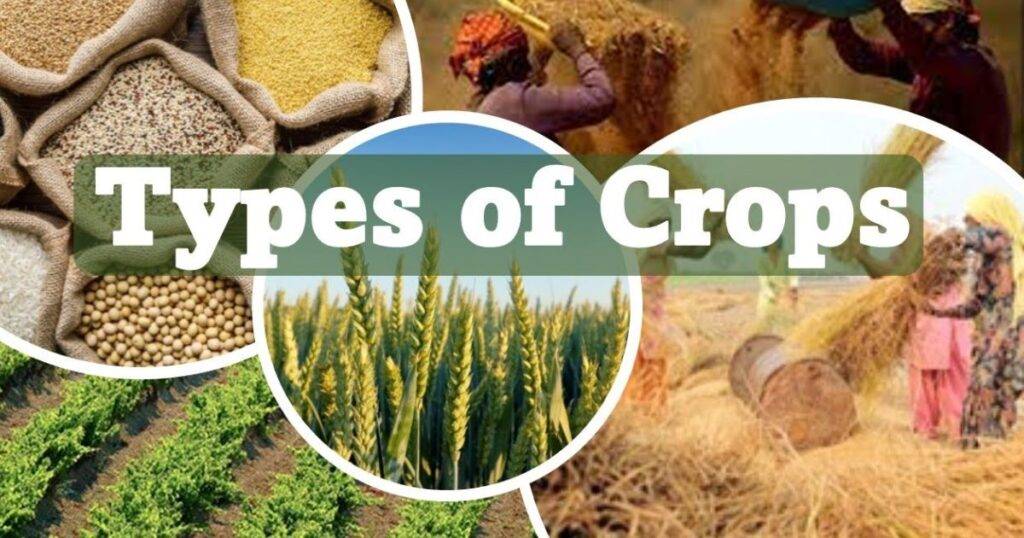
Products developed by companies like Locus Ag, using biological technology, Orchard Trees: Fruitful Growing A Comparative Guide are designed to stimulate microbial activity and improve soil health. These solutions help convert nutrients in organic matter into plant-available forms, making them more readily available to crops.Biologicals are now widely used in commodities such as wheat, corn, and soybeans, as well as in specialty crops, and 12 row crops were examined in different trials. With continued innovation, biologicals are becoming a key agronomy tool for helping farmers improve both crop performance and environmental sustainability.
What Research and Trial Data Show
Recent trial data analyzed by contract research organizations have provided strong evidence that biologicals can deliver measurable benefits. Studies on 11 specialty crops and 12 row crops have shown consistent yield increases across multiple crop systems. These results give growers greater confidence when evaluating the potential value of biological technologies.In many of these trials, biological treatments were applied as seed treatment, soil-applied, or foliar applications during the growing season. The researcher tracked improvements in nutrient availability and uptake, stronger plant health, and improved crop performance.
According to reports from Locus Agriculture and other research partners, farms that integrated biologicals into their fertility programs experienced measurable yield increases per acre. These improvements were especially noticeable in high-yield environments and under no-till or reduced-tillage systems, where microbial activity is naturally higher.Although biologicals are not a guaranteed silver bullet, data confirms they can play a valuable role in modern agronomic practices. For many farmers, the combination of biological inputs and traditional fertilizer programs offers a balanced strategy for achieving higher yields.
Return on Investment and Profitability for Growers.
For most farmers, the biggest question about using biologicals is whether they deliver a strong return on investment (ROI). With rising input prices for fertilizers and crop protection products such as herbicides, growers must carefully evaluate every input used on the Farm.Biological products can help improve profitability by increasing yield potential without significantly increasing input costs. When biologics improve nutrient uptake and nutrient availability, crops may use existing soil nutrients more efficiently. What Is Agriculture A Simple Guide for Everyone This can reduce dependence on expensive fertilizers while still supporting strong crop performance.
Field studies show that when biologicals lead to even modest yield increases per acre, the financial benefits can be significant. For example, small yield improvements in soybean, canola, or crops such as corn can translate into meaningful additional revenue during the growing season.As more on-farm trials are conducted, many growers report positive results and improved ROI. These outcomes are motivating a shift toward integrating biologicals into broader crop management strategies designed to produce high-yield crops while maintaining long-term soil health.
Best Practices for Using Biologicals on the Farm
To maximize the benefits of biologicals, farmers should integrate them with proven agronomic practices rather than treating them as a standalone solution. Successful programs begin with understanding the soil type, existing organic matter, and nutrient levels on the Farm.Applying biologicals at the right time is also critical. Many products perform best when used as biological seed treatments or early-season soil-applied inputs that allow beneficial microbes to establish in the root zone. Others may be applied as foliar treatments during key stages of plant growth.
Combining biologicals with no-till or reduced tillage systems can further enhance microbial activity and improve nutrient cycling in the soil. These practices help convert nutrients into plant-available forms, increasing nutrient absorption and improving overall crop health.Farmers should also evaluate performance using on-farm trials and compare results across different crops across multiple fields. Monitoring crop yield, plant health, and soil conditions throughout the growing season helps determine the best strategy for achieving consistent yield increases.
The Future of Biologicals in Agriculture
The future of biologicals in agriculture looks promising as technology continues to improve. Companies ike Locus Ag and Locus Agriculture are investing in advanced microbial research to develop solutions that improve nutrient availability, plant growth, and long-term soil health.As the industry gathers more trial data, farmers are gaining greater confidence in these products. The Health Benefits The combination of improved research methods and contract research organizations analyzing field results is helping validate biological technologies.

Biologicals are also gaining attention for their lower environmental impact compared with some traditional inputs. By supporting natural microbial activity, enhancing nitrogen fixation, and improving nutrient cycling, biologicals contribute to more sustainable agronomy systems As more growers adopt these tools, biological products may become a core component of modern crop management. With the potential to increase crop yield, improve plant health, and support long-term farm profitability, biologicals could play a major role in the next generation of high-yield farming systems.
Conclusion
Biological solutions are becoming an important tool in modern agriculture, especially as farmers seek new ways to increase crop yields while managing costs and protecting soil health. With rising input prices for traditional fertilizers and other farm inputs, many growers are exploring innovative approaches that improve crop performance without placing additional pressure on the environment. This is where biologicals offer a promising opportunity.By supporting microbial activity, improving nutrient availability, and enhancing nutrient uptake, biological products can help plants reach their full yield potential. Beneficial microbes, rhizobacteria, and mycorrhizal fungi work in the soil to improve nutrient cycling, convert nutrients into plant-available forms, and support stronger plant growth. What Soil is Best For Growing Soybeans These processes improve crop health and can lead to measurable yield increases across crops such as corn, soybeans, canola, and alfalfa.
However, biologicals are not a silver bullet. Their success depends on proper agronomic practices, a suitable soil type, and favorable growing conditions. When combined with well-designed fertility programs, no-till systems, and smart crop management, the use of biologicals may provide a high ROI (return on investment). For many farms across the U.S., these tools are becoming a practical way to boost yields per acre while supporting long-term sustainability and farm profitability.
FAQ
What are biologicals in agriculture?
In agriculture, biologicals are natural products made from beneficial microbes, microbial inoculants, and organic compounds. These biological products help improve soil health, enhance nutrient availability, and support better plant growth, helping farmers increase crop yields and overall crop performance.
How do biologicals help boost crop yield?
Biologicals work by increasing microbial activity in the soil and improving nutrient cycling. This process enhances nitrogen fixation and improves nutrient availability and uptake. As a result, crops such as corn, soybeans, and canola can achieve higher yields and healthier growth.
Which crops benefit most from using biologicals?
Many row crops and specialty crops benefit from using biologicals. Farmers often use them in crops such as corn, soybean, wheat, alfalfa, and canola. Trial data analyzed by contract research organizations show yield increases across crops under the right growing conditions and agronomic practices.
Are biologicals a replacement for fertilizer?
Biologicals are not a complete replacement for traditional fertilizer. Instead, they work alongside fertility programs to enhance nutrient absorption and improve plant health. When combined with proper crop management, they can help increase crop yield and improve return on investment (ROI).
How are biological products applied on farms?
Biological products can be applied in several ways, including seed treatment, soil-applied, or foliar applications. Many growers apply biostimulants or microbial inoculants early in the growing season to support strong root development, better plant health, and higher yields per acre.