
Fertilizer plays a vital role in plant health, lawn care, and crop productivity. Whether you maintain a garden, indoor plants, or a large lawn, proper fertilizer application is essential for healthy growth. However, timing is everything when you apply fertilizer. Applying nutrients at the wrong time can waste resources and prevent plants from absorbing the nutrients they need. The best time to fertilize depends on soil conditions, plant needs, and the growing season.A proper fertilization schedule ensures that plants receive the right nutrient balance, such as nitrogen and phosphorus. These nutrients strengthen root growth, improve soil quality, and help grass develop into a lush green lawn. Fertilization also helps turfgrass withstand environmental stressors such as drought, cold weather, and freezing conditions.
Many lawn maintenance experts recommend developing a lawn fertilization schedule once a year based on soil temperatures, sunlight exposure, and seasonal plant growth. Whether you use granular or liquid lawn fertilizer, the right application method will give your lawn healthier grass and stronger plants.Understanding fertilizer timing helps gardeners and homeowners fertilize their lawns efficiently. With proper fertilization, plants absorb fertilizer more effectively and exhibit stronger growth throughout the growing season.
Understanding Fertilizer and Soil Nutrients
The purpose of fertilizer is to supply vital nutrients that plants need to develop and remain healthy. The most common nutrients found in lawn fertilizer include nitrogen, phosphorus, and potassium. Nitrogen applications help grass grow faster and greener, while phosphorus supports root growth and plant development.When fertilizer is applied to the soil, plants absorb fertilizer through their roots. Soil quality and soil temperatures play a major role in how effectively plants can use nutrients. If the soil is too cold or too dry during drought conditions, plants may struggle to absorb fertilizer properly.
Different plants have different needs. Perennial plants, shrubs, and turfgrass require different nutrient levels compared to indoor plants or seasonal flowers. A good rule of thumb is to test your soil before beginning fertilization. How to Use Drip Tape Effectively for Efficient Irrigation This helps determine the optimal fertilizer formula.Both granular fertilizer and liquid fertilizer are commonly used in lawn fertilization. Granular fertilizer is often applied using a spreader, while liquid fertilizer provides quick nutrient absorption. Choosing the right fertilizer application method ensures your lawn, grass, and plants receive the nutrients needed for strong growth.Proper fertilization improves lawn maintenance, prevents weed problems, and helps develop a healthy green lawn.
What is Fertilizer Application Timing?
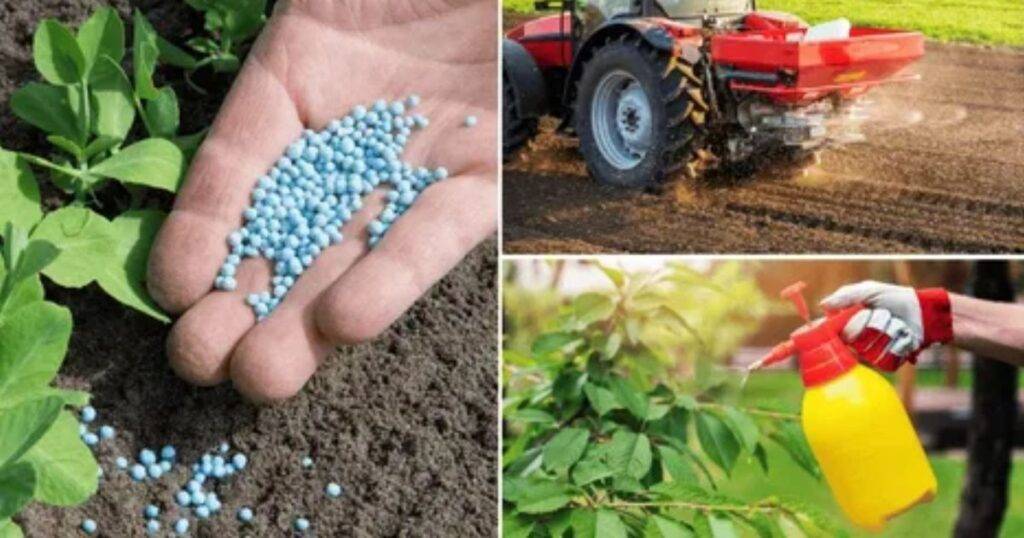
Fertilizer application timing refers to the specific time or stage at which fertilizer is applied to plants, soil, or lawns so that crops and grasses can absorb nutrients efficiently. In simple terms, it means choosing the right time to apply fertilizer based on plant growth stages, soil conditions, and seasonal changes. Proper fertilizer application timing ensures that plants receive essential nutrients, such as nitrogen and phosphorus, exactly when they need them most for healthy growth.Timing is very important because plants can only absorb fertilizer effectively when they are actively growing. If fertilizer is applied too early, nutrients may wash away with water or rain before plants can use them. On the other hand, applying fertilizer too late may not support key processes such as root growth, Fertilizer: leaf development, or flowering. This is why many lawn care experts say “timing is everything” in the fertilization process.
For lawns and turfgrass, the best time to fertilize usually depends on soil temperatures, sunlight, and the growing season. For example, a spring application often stimulates new grass growth and helps create a healthy, green lawn. Following a proper fertilization schedule helps improve soil health, strengthen plants, and maintain strong turf that can withstand drought or cold weather.In short, fertilizer application timing is about applying nutrients at the optimal moment so plants can grow stronger, healthier, and more productive.
Why Fertilizer Timing Matters for Crop Growth
Fertilizer timing plays a critical role in healthy crop development and productive farming. Plants obtain the nutrients they require throughout critical growth phases when fertilizer is applied at the appropriate time. Crops need essential nutrients, such as phosphorus and nitrogen. growth, leaf development, and overall plant strength. When fertilizer is applied at the proper stage of the growing season, plants can absorb fertilizer more efficiently from the soil.Timing is important because crops use nutrients effectively only when actively growing. If farmers apply fertilizer too early, nutrients may be lost through water runoff or soil leaching, especially during heavy rain or irrigation. This reduces the effectiveness of the fertilizer application and may also increase production costs. On the other hand, applying fertilizer too late may limit plant growth because crops have already passed the stage when they need those nutrients most.
Proper fertilizer application also improves soil health and promotes stronger plant development. For example, early-season nitrogen applications help stimulate new growth and encourage healthy leaves and stems. Phosphorus supports root growth, helping crops become stronger and better able to withstand drought, cold, and other environmental stresses.A well-planned fertilization schedule ensures that crops receive nutrients throughout the growing season. By choosing the best time to apply fertilizer, farmers can improve crop yield, maintain soil fertility, and support sustainable agricultural production.
Best Time to Apply Fertilizer
The type of plant determines when fertilizer should be applied. soil temperatures and the growing season. For most lawns and gardens, early spring is the best time to fertilize because plants begin actively growing during this period. Springtime fertilization helps stimulate new growth and prepares plants for spring and summer development.A spring application allows grass and turfgrass to absorb fertilizer as soil temperatures rise and sunlight increases. During this time, nitrogen applications encourage strong leaf development and improve lawn color. Warm-season grasses like Bermuda, Zoysia, and Augustina benefit from fertilizer during warm weather when they are actively growing.
For cool-season grasses such as fescue, Using Organic Fertilisers: A Guide to Organic Fertilisers fertilization may occur during early spring and again in fall. These grasses grow best in cooler soil temperatures and can withstand cold weather better than warm-season grasses.Watering after fertilizer application helps nutrients move into the soil and reach plant roots. This step is essential for proper nutrient absorption and prevents fertilizer from sitting on grass blades.By choosing the right time to fertilize, homeowners can give their lawns the nutrients they need to maintain healthy turf and consistent year-round growth.
Lawn Fertilization Schedule for Healthy Turf
Creating a lawn fertilization schedule helps maintain a strong, healthy lawn year-round. Most lawn care experts recommend fertilizing grass several times per year, depending on the type of turfgrass and climate conditions. A typical lawn fertilization schedule includes spring application, summer maintenance, and sometimes fall fertilization.Early spring fertilization encourages root growth and prepares grass for the growing season. During spring and summer, nitrogen applications support actively growing grass and improve lawn density. However, it is important to avoid fertilizing during extreme drought conditions or when the lawn becomes dormant.
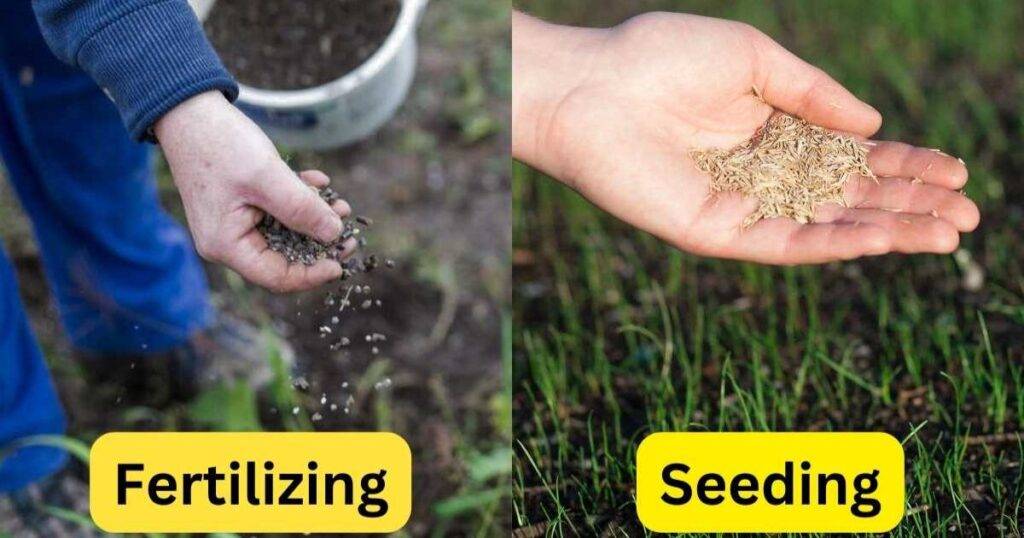
Using a spreader helps apply fertilizer evenly across the turf. Both granular lawn fertilizer and slow-release fertilizer are popular options because they provide nutrients gradually over time. Slow-release fertilizers are especially helpful because they reduce the risk of nutrient loss.Routine lawn care procedures, including watering, mowing, and clipping removal, also support healthy turf growth. Combining fertilization with proper lawn care ensures your lawn remains green and thick.Following the recommended lawn fertilization schedule helps reduce weeds, strengthen grass roots, and improve your lawn’s overall health.
Fertilization for Different Grass Types
Different grass types require different fertilization timing and schedules. Warm-season grasses such as Bermuda, Zoysia, and Augustine thrive during warm weather and should be fertilized when actively growing, in late spring and summer. These southern grasses benefit from nitrogen-rich lawn fertilizer that supports strong growth.Cool-season grasses like fescue perform better in cooler climates. These grasses are usually fertilized in early spring and fall to promote healthy turf development. Applying fertilizer during these seasons helps plants withstand cold weather and freezing conditions.
The fertilization process should always consider soil temperatures and sunlight levels. Grass absorbs fertilizer best when soil conditions are warm enough for root activity. Applying fertilizer when the lawn is dormant may waste nutrients and reduce effectiveness.Using slow-release or granular fertilizer helps maintain a consistent nutrient supply. Some gardeners also use liquid fertilizer for quick nutrient absorption during the growing season.Proper fertilization supports root development, stimulates new growth, and helps turfgrass remain thick and green year-round.
Watering and Lawn Care After Fertilization
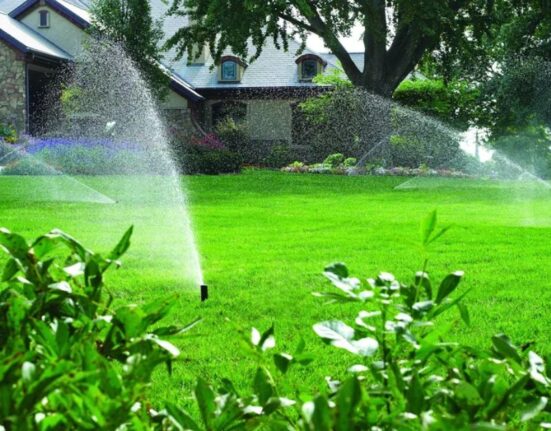
After fertilizer application, watering is essential for helping plants absorb nutrients. Water helps move fertilizer from grass blades into the earth, where plant roots can reach it. Without proper watering, fertilizer may remain on the lawn surface, becoming less effective.Lawn care practices such as mowing and clipping management also influence nutrient absorption. Regular mowing helps maintain grass health and prevents weeds from spreading. Removing excessive clipping buildup keeps the lawn clean and improves sunlight penetration.
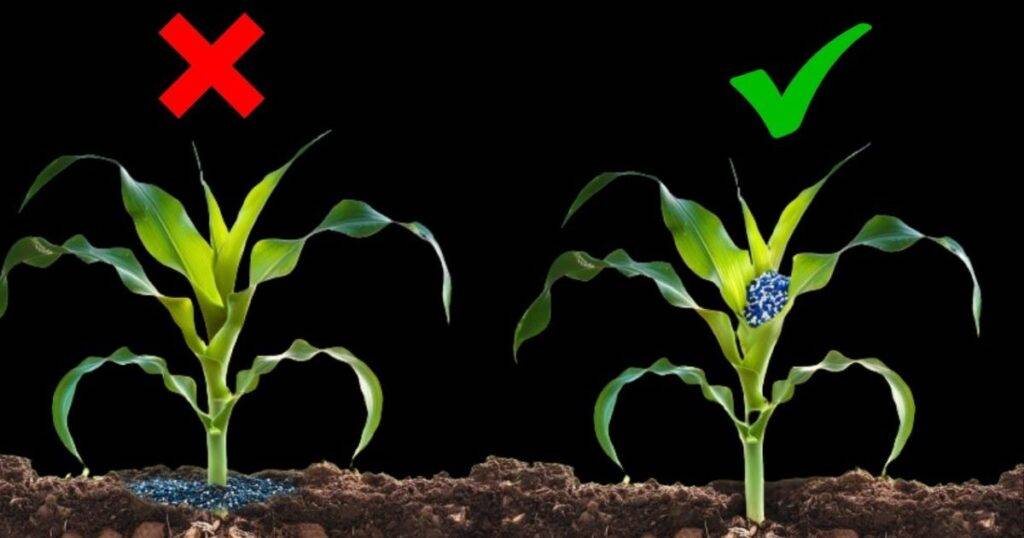
It is important to avoid fertilizing during drought or extremely dry weather because plants may struggle to absorb nutrients. Similarly, fertilizing during freeze or severe cold weather may damage turfgrass. How To Adjust A Rainbird Sprinkler Head Maintaining proper lawn maintenance routines, including watering and mowing, helps plants remain healthy and resilient. A well-maintained lawn with balanced fertilization produces strong turf that can withstand environmental stress.By combining proper watering with fertilizer application, homeowners can give their lawn the best conditions for healthy growth and long-lasting green color.
Conclusion
Proper fertilizer application timing is essential for maintaining healthy plants, strong turfgrass, and productive lawns. Timing is everything when it comes to fertilization because plants must be actively growing to absorb nutrients effectively. Understanding soil conditions, soil temperatures, and plant needs helps determine the best time to fertilize.Developing a lawn fertilization schedule ensures that the grass receives the right nutrients throughout the growing season. Whether using granular, slow-release, or liquid fertilizer, applying nutrients at the right time improves plant health and lawn appearance.
Following recommended lawn care practices, such as watering, mowing, and weed management, further supports strong plant growth. A healthy fertilization process strengthens root systems, stimulates new growth, How Often to Water Potatoes and helps plants withstand drought, cold weather, and other environmental challenges.By applying fertilizer at the optimal time and following a consistent fertilization schedule per year, gardeners and homeowners can maintain a vibrant green lawn and healthy plants throughout every season.
FAQ
What is the best time to apply fertilizer to a lawn?
The type of grass and soil determines when fertilizer should be applied. temperatures. Most lawns benefit from fertilization in early spring and during the growing season, when grass is actively growing and can absorb fertilizer efficiently.
How many times per year should I fertilize my lawn?
Most lawn care experts recommend fertilizing your lawn about 2–4 times per year. A proper lawn fertilization schedule usually includes a spring application, summer feeding for warm-season grasses, and sometimes fall fertilization for cool-season turfgrass like fescue.
Should I water after applying fertilizer?
Yes, watering after fertilizer application helps move nutrients into the soil so plant roots can absorb fertilizer. Light watering also prevents fertilizer from sitting on grass blades and reduces the risk of lawn damage or uneven nutrient distribution.
What type of fertilizer is best for lawns?
Both granular fertilizer and liquid fertilizer can be effective for lawn fertilization. Many homeowners prefer slow-release lawn fertilizer because it provides nutrients gradually, supports steady turf growth, and reduces the chances of over-fertilizing the soil.
When should you avoid fertilizing your lawn?
You should avoid fertilizing during drought or extreme cold, or when grass is dormant. Fertilizer works best when turfgrass is actively growing, soil temperatures are warm, and plants can absorb nutrients properly during the growing season.