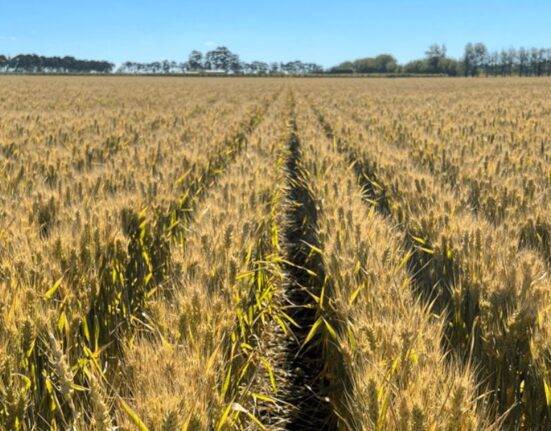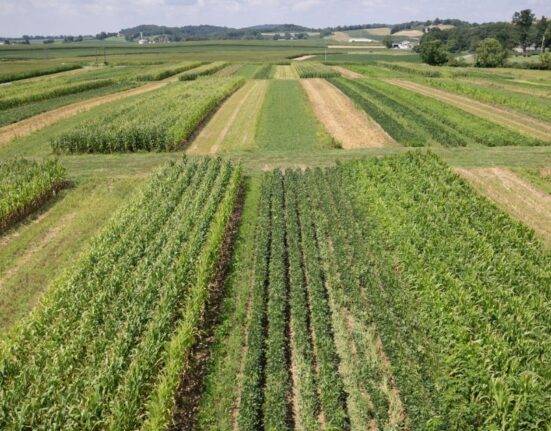


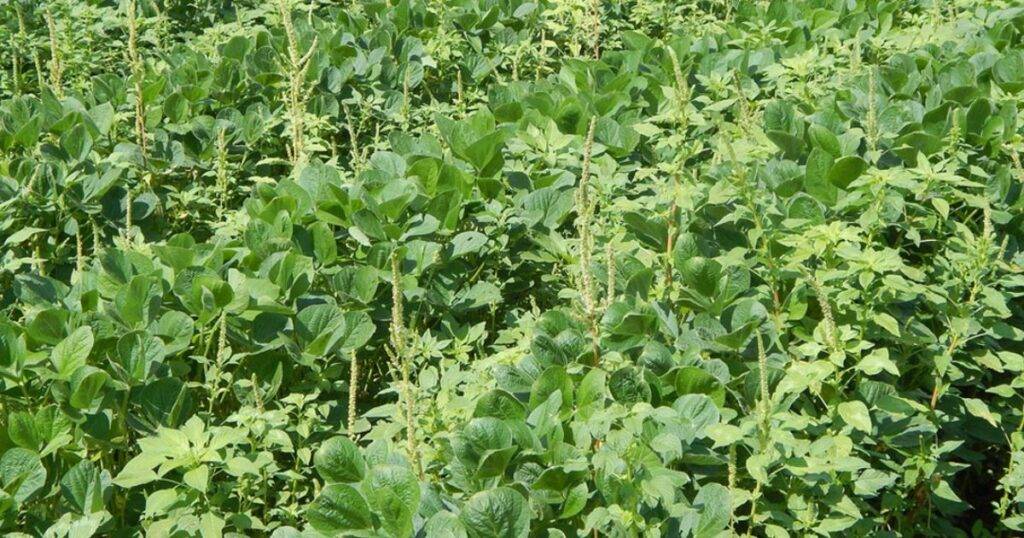
Modern agriculture depends heavily on pesticides and herbicides to protect crops throughout the growing season. However, the repeated use of a single herbicide and preventive insecticide treatments is raising concerns in weed science. Farmers are now facing a rapid increase in herbicide-resistant weed populations, including glyphosate-resistant weeds linked to products like Roundup. These resistant weed biotypes develop when susceptible weeds are eliminated, allowing weeds that may survive an herbicide application to reproduce and spread across the field. Over time, this leads to the evolution of herbicide resistance and the emergence of herbicide-resistant weeds at larger scales.
Preventative insecticides, though useful for pest control, may indirectly influence weed control strategies by simplifying management practices and encouraging reliance on herbicide programs. This can result in the selection for herbicide-resistant weeds and reduced herbicide efficacy. As weed species become resistant to a particular herbicide or even show multiple resistance to more than one herbicide, managing herbicide-resistant weeds becomes more complex. Understanding how herbicide use, insecticides, and weed management practices interact is essential for building an effective weed control program and preventing herbicide-resistant weeds in the future.
What Are Preventive Insecticides?
Preventative insecticides are pesticide products applied before pest outbreaks occur, often as seed treatments or early-season applications within a growing season. Their goal is to protect the crop from early insect damage, ensuring strong establishment and improved yield. While these treatments are beneficial, they can unintentionally influence weed management strategies.When insect pressure is minimized, crops grow more uniformly, but this often leads farmers to rely on herbicide application as the primary weed-control strategy. The repeated use of the same herbicide or of herbicides from the same Farm Management: herbicide families increases the risk of herbicide resistance. This is especially true when herbicide programs rely on a single herbicide or an herbicide with the same site of action.
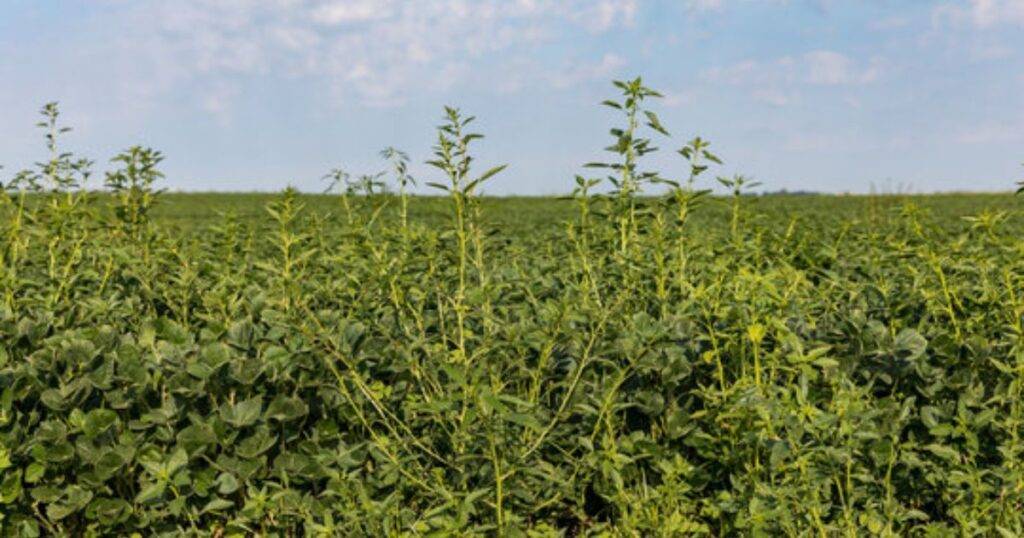
Preventative insecticides can also reduce the need for mechanical weed control or non-chemical weed methods, further narrowing weed control options. As a result, weed populations are exposed repeatedly to specific herbicides, increasing the likelihood that resistant weed biotypes will survive an herbicide application. Over time, this contributes to the development of herbicide-resistant weed species, making it harder to control weeds effectively with economical herbicide options.
Understanding Herbicide Resistance
Herbicide resistance refers to the ability of a weed biotype to survive an herbicide application that would normally control susceptible weeds. This occurs due to natural genetic variation within a weed population. When herbicides are applied repeatedly, especially with the same herbicide, resistant biotypes are selected for and begin to dominate the field.The development of herbicide-resistant weeds is closely tied to the herbicide site of action and mode of action. When a particular herbicide repeatedly targets the same biological process, weeds that can survive that action will reproduce. Over time, this leads to resistant weed populations and even multiple resistance, in which weeds become resistant to more than one herbicide or to different herbicide modes of action.
For example, resistance to sulfonylurea herbicides has been reported in many regions, and glyphosate-resistant weeds are now widespread. These herbicide-resistant weed species significantly reduce herbicide efficacy and limit herbicide options. The number of herbicide-resistant species is increasing globally, making weed resistance a major challenge in weed management programs. Without proper herbicide resistance management, weeds survive, spread through weed seed, and make future weed control strategies less effective.
Impact on Herbicide Effectiveness
The increasing reliance on herbicides in modern agriculture has significantly reduced herbicide efficacy, especially with the rise of herbicide-resistant weed populations. When farmers depend on a single herbicide or repeatedly use the same one, weeds that may survive an application begin to dominate. These resistant weed biotypes reduce the overall effectiveness of herbicide programs and make it harder to control weeds within a growing season.A key factor is the overuse of herbicides with the same site of action or similar modes of action. This repeated exposure allows weed species to develop resistance to specific herbicides, including widely used products such as glyphosate and Roundup. As a result, susceptible weeds are eliminated, while resistant weeds survive and spread through weed seed, increasing the number of herbicide-resistant weed species in the field.
This also leads to multiple resistance, in which weeds become resistant to more than one herbicide or even to different herbicide families. Consequently, farmers must use more complex and often less economical herbicide options, thereby increasing production costs.To maintain effective weed control, it is essential to diversify herbicide application, rotate modes of action, and adopt integrated weed management practices that reduce the risk of resistance and sustain long-term herbicide performance.
How Insecticides Influence Weed Resistance
Although insecticides do not directly cause herbicide resistance, they play a role in shaping weed management practices. Preventative insecticide use often simplifies crop protection systems, leading farmers to rely more heavily on herbicide treatments for weed control. This repeated use of specific herbicides increases selection pressure, selecting for herbicide-resistant weeds over time.When crops are protected from insects, they may grow more aggressively, but this does not eliminate early-season weed competition. Why Winter Feed Costs Rise and How to Control Them Farmers may respond by increasing herbicide use, often applying a single herbicide or a herbicide with the same site of action multiple times within a growing season. This repeated use encourages the evolution of herbicide resistance.
Additionally, reduced use of integrated weed management and mechanical weed control limits diversity in weed control strategies. As a result, weeds that may survive herbicide application continue to reproduce. These resistant weed biotypes spread, increasing the status of herbicide-resistant weeds in agricultural systems.Over time, the interaction between pesticide use and herbicide programs contributes to the occurrence of herbicide-resistant weeds, making it more difficult to manage weeds effectively and maintain long-term crop productivity.
Solutions: Managing and Preventing Resistant Weeds
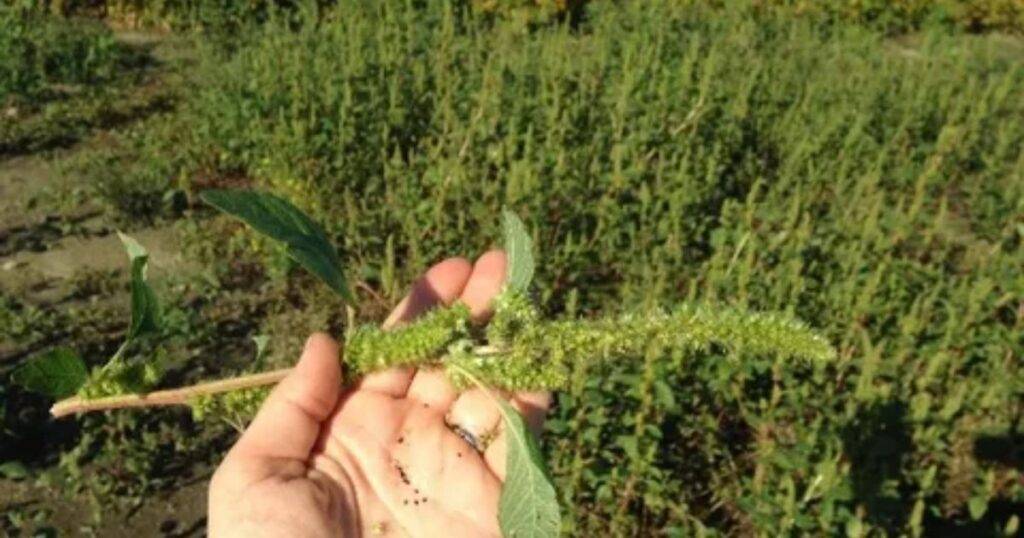
Managing herbicide-resistant weeds requires a diversified and proactive approach. Integrated weed management is one of the most effective management strategies, combining chemical, mechanical, and non-chemical weed control methods. This reduces reliance on a single herbicide and helps prevent the selection of herbicide-resistant weeds.Farmers should rotate herbicides from different herbicide families and use herbicides with different modes of action to minimize resistance to one product. Avoiding the repeated use of the same herbicide or herbicides with the same site of action is critical. Top 10 Proven Weed Management Tank mixes and herbicide programs that include multiple effective herbicide options can improve herbicide efficacy and control resistant weed populations.
In addition, practices such as crop rotation, early-season weed control, and managing weed seed can reduce weed population pressure. Mechanical weed control and non-chemical weed strategies also play an important role in long-term weed management.Preventing herbicide-resistant weeds is more economical than managing established resistant weed populations. By adopting strong weed management practices and focusing on herbicide resistance management, farmers can protect crop yields and ensure sustainable weed control programs for future growing seasons.
Future of Weed and Pest Management
The future of weed and pest management is moving toward smarter, more sustainable approaches that reduce reliance on repeated herbicide applications and broad-spectrum pesticides. As herbicide-resistant weed populations continue to rise, farmers are shifting toward integrated weed management and advanced weed control strategies that combine technology, biology, and precision agriculture.New weed technology, such as AI-powered sprayers and drone-based herbicide application, enables targeted weed control approaches, reducing the need for a single herbicide across entire fields. These systems improve herbicide efficacy while minimizing selection of herbicide-resistant weeds. At the same time, researchers are developing new herbicide modes and herbicides from different herbicide families to combat resistance to multiple herbicides.
Biological solutions and non-chemical weed management methods are also gaining attention, helping manage weeds without increasing herbicide resistance. Crop rotation, cover crops, How New Soybean Traits Fight SCN and Resistant Weeds and mechanical weed control will remain essential management practices in future weed management programs.Additionally, better herbicide resistance management plans will focus on rotating herbicide sites of action, avoiding repeated use of the same herbicide, and integrating multiple herbicide options. These innovations aim to slow the evolution of herbicide resistance, protect crop yields, and ensure long-term sustainability in managing herbicide-resistant weeds.
Conclusion
The growing problem of herbicide-resistant weed populations underscores the need for improved weed management strategies in modern agriculture. While preventive insecticides protect crops, they may indirectly contribute to the evolution of herbicide resistance by encouraging simplified weed-control programs.The repeated use of specific herbicides, especially those with the same herbicide site of action, accelerates the development of herbicide-resistant weed species. As weeds become resistant to glyphosate and other commonly used herbicides, farmers face reduced herbicide efficacy and fewer herbicide options. This makes managing herbicide-resistant weeds more challenging and costly.
To combat this issue, farmers must adopt integrated weed management practices that include diverse herbicide programs, mechanical weed control, and non-chemical weed strategies. What is Spray Irrigation Rotating herbicide modes and avoiding reliance on a single herbicide are essential steps in preventing herbicide-resistant weeds.Ultimately, sustainable weed management requires balancing pesticide use and herbicide application with the adoption of innovative weed control strategies. By understanding the factors driving weed resistance and implementing effective management practices, farmers can maintain productive crops and reduce the long-term impact of herbicide-resistant weeds.
FAQ
What causes herbicide-resistant weeds?
Herbicide-resistant weeds develop due to repeated use of the same herbicide, allowing resistant weed biotypes to survive and reproduce, leading to resistant weed populations over time.
Can insecticides increase weed resistance?
Indirectly, yes. Preventative insecticides may lead to increased herbicide use, which can select for herbicide-resistant weeds and reduce overall weed control effectiveness.
What is the best weed management strategy?
Integrated weed management, combining herbicide rotation, mechanical weed control, and non-chemical weed control methods, is the most effective way to manage weeds and prevent resistance.
Why is glyphosate resistance common?
Glyphosate resistance is widespread due to repeated use of the same herbicide, especially in herbicide-resistant crop systems like Roundup Ready crops.
How can farmers prevent resistant weeds?
Farmers can prevent the development of resistant weeds by rotating herbicides, using multiple modes of action, managing weed seed, and adopting diverse weed control strategies throughout a growing season.