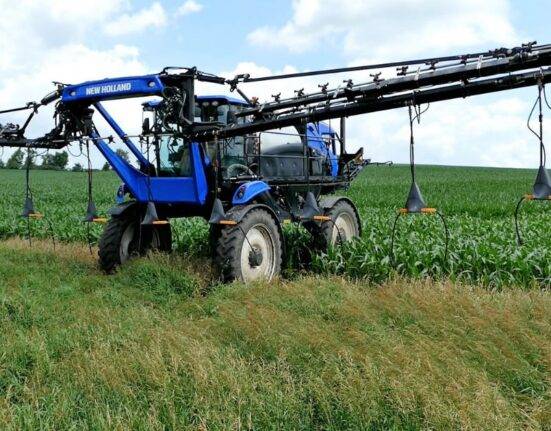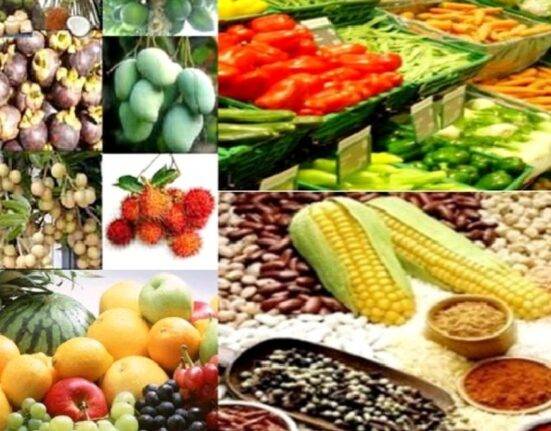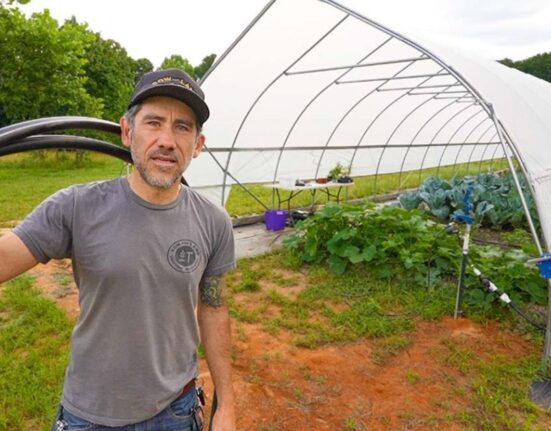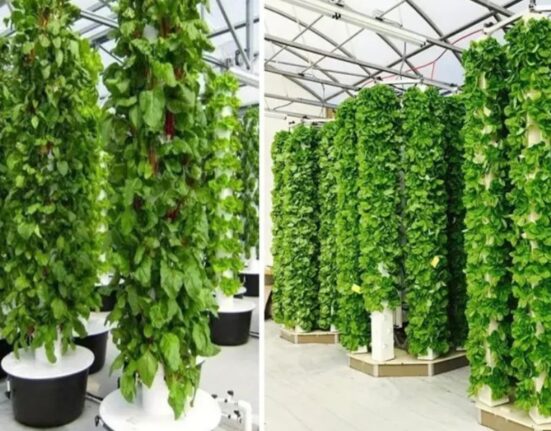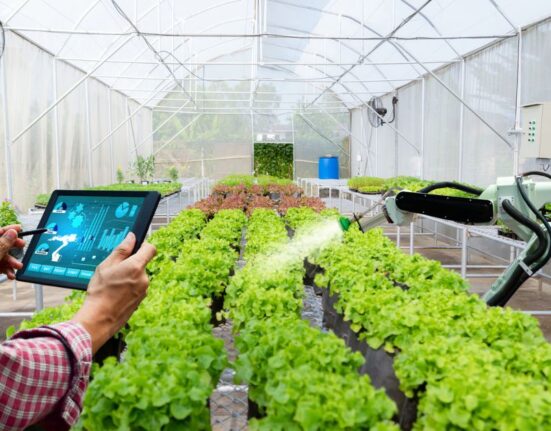

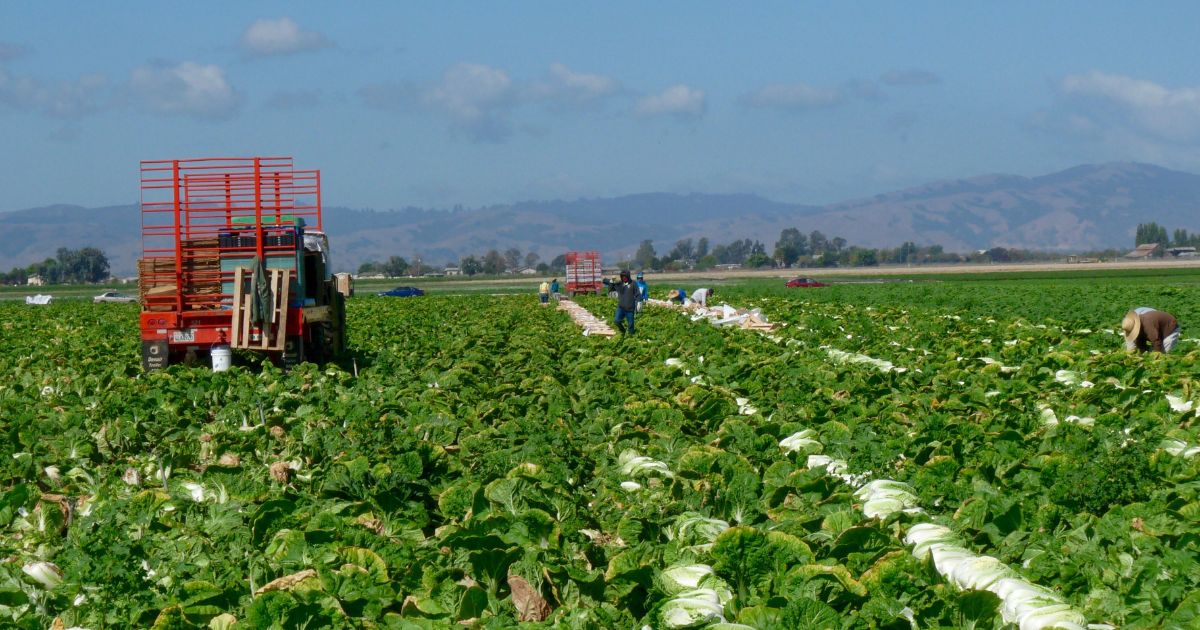
To feed the country, agriculture is essential. California agriculture stands at the center of this success. With its diverse climate, advanced agricultural practices, and vast areas of productive farmland, California supports one of the most dynamic farming systems in the world. From small-scale operations to large commercial farms, every grower contributes to the strength of the state’s food supply, while California farmers continue to lead in innovation and sustainability.
The fertile Central Valley serves as the backbone of California agriculture, producing a wide range of high-value crops that reach global markets. Iconic orchard-grown nuts such as almond, walnut, and pistachio dominate the landscape, making California a world leader in nut production. These orchard systems, combined with advanced irrigation and data-driven farming methods, demonstrate how California agriculture balances productivity, environmental responsibility, and economic growth.
The Importance of Agriculture in California
The importance of agriculture in California extends far beyond food production, shaping the state’s economy, environment, and rural communities. California agriculture covers a million acres of productive land, supporting thousands of farms and agricultural businesses across the state. This vast agrarian footprint allows California to remain a leading supplier of food for both domestic and international markets.Regions such as the San Joaquin Valley play a critical role in sustaining agricultural output, thanks to fertile soils and long growing seasons. The valley is primarily known for producing high-value fruit and nuts, making it a cornerstone of California’s agricultural success. Crops grown in this region contribute significantly to farm income and employment, underscoring agriculture’s importance to local livelihoods.
Despite its strengths, Can You Grow Crops without Soil California agriculture faces ongoing challenges, particularly drought, which affects water availability and crop planning. Prolonged dry conditions have pushed farmers to adopt water-efficient technologies and climate-smart practices to protect productivity. These adaptive strategies highlight how California agriculture continues to evolve, balancing economic growth with environmental resilience.
California Farmland: Foundation of Agricultural Success

California’s farmland forms the backbone of the state’s agricultural economy and supports one of the world’s most productive food systems. Spread across diverse climate zones, California farms produce a wide range of crops, with fruit and nuts accounting for a dominant share of overall farm value. This diversity allows the state to remain resilient while satisfying the expanding demand for food and agricultural goods worldwide. Research and innovation from the University of California have played a significant role in strengthening California’s agricultural practices. Through science-based approaches to food and agriculture, universities help farmers improve crop yields, manage natural resources, and adapt to changing environmental conditions. These research efforts directly support sustainable farmland management across the state.
Government agencies also play a critical role in protecting farmland and enhancing its productivity. The California Department of Food and Agriculture, commonly known as CDFA, oversees agricultural regulations, pest management, and farmer support programs. Data from the Census of Agriculture further help policymakers understand land-use trends and farm performance across California.Institutions such as the Public Policy Institute of California analyze agricultural data to inform decision-making. At the same time, the California Department continues to shape policies that protect farmland and promote long-term farming sustainability. Together, research, policy, and farmer innovation ensure that California’s farmland remains the foundation of agricultural success.
Major Crops Grown by California Farmers
California farmers grow an exceptionally diverse range of crops, making the state a leader in both domestic food supply and agricultural exports. Thanks to fertile soil, favorable climate conditions, and advanced farming practices, California produces more specialty crops than any other U.S. state. These crops contribute significantly to farm income, employment, and rural development.
Orchard Crops: Fruits and Nuts
Orchard farming is a defining feature of California agriculture. Permanent orchard systems dominate large areas of farmland, especially in the Central Valley. California is the world’s largest producer of almonds, supplying the majority of global demand. Alongside almonds, walnut and pistachio production continues to expand due to strong international markets and long-term profitability for growers.These nut crops require careful management, including irrigation efficiency, soil health practices, and pest control. California farmers rely on advanced agricultural technologies to maintain high yields while addressing environmental challenges such as water scarcity.
Fruit and Vegetable Production
In addition to orchard crops, California is a leading producer of fruits and vegetables. Crops such as grapes, strawberries, citrus fruits, lettuce, tomatoes, and broccoli thrive across the state’s diverse growing regions. Coastal areas and inland valleys allow farmers to supply fresh produce year-round, supporting both fresh markets and food processing industries.
Field Crops and Other Agricultural Products
Field crops also play an essential role in California’s agricultural system. Rice, alfalfa, cotton, and wheat are widely grown, particularly in regions suited to large-scale production. These crops support livestock operations, export markets, and food manufacturing, thereby strengthening California agriculture.Together, orchard crops, fruits, vegetables, and field crops demonstrate the diversity and resilience of California farming, highlighting why the state remains a cornerstone of U.S. agriculture.
The Role of the Grower in California Agriculture
The grower plays a central role in sustaining food production across the state and ensuring the long-term productivity of agricultural land. In California, growers are responsible for managing large areas of farmland, spanning significant acreage, while balancing economic goals with environmental stewardship. Their day-to-day decisions directly influence crop yields, resource efficiency, and the quality of agricultural products supplied to local and global markets.One of the most critical responsibilities of a grower is to irrigate crops efficiently. With a limited water supply and increasing pressure on groundwater, careful water use has become essential. Growers must monitor soil moisture, adopt water-saving technologies, and comply with regulations set by the California Department of Food and Agriculture. These practices help protect groundwater reserves while maintaining productivity on California farmland.

Data-driven decision-making is also transforming modern farming. Growers rely on agricultural statistics, including California agricultural statistics, to guide planting, irrigation, and harvest schedules. These data sets provide insights into crop performance, regional use in California, and long-term trends affecting agricultural land. Access to reliable statistics supports more thoughtful planning and reduces risks linked to climate variability.Regional specialization further highlights the grower’s role. On the Central Coast, growers focus on high-value fruits and vegetables, while inland regions support California dairy operations and large-scale crop farming. Meanwhile, vineyards producing California wine represent another significant segment of agricultural production, requiring specialized irrigation and land management practices.Together, growers serve as the link between land, water, and markets. By responsibly managing resources, adapting to data and policy, and responding to environmental challenges, growers ensure that California agriculture remains productive, sustainable, and globally competitive.
California Department of Food and Agriculture (CDFA)
To support and regulate, the California Department of Food and Agriculture (CDFA) is essential. the state’s vast agricultural system. As the primary government agency overseeing food and farming, CDFA works to protect California agriculture, strengthen rural economies, and ensure a safe and sustainable food supply. The department serves as a bridge between policymakers, researchers, and farmers, helping agriculture adapt to economic, environmental, and climate-related challenges.One of CDFA’s core responsibilities is supporting farmers and growers across the state. Through grants, incentive programs, and technical assistance, the department helps improve productivity on California farmland while encouraging responsible land and water management. CDFA also oversees pest prevention, plant health programs, and animal health services that protect agricultural production from disease outbreaks and invasive species.
CDFA plays a key role in food safety and quality assurance. By enforcing standards across the food production chain, the department ensures that agricultural products produced in California meet strict safety and quality requirements. These efforts help maintain consumer confidence and support both domestic and international markets for California-grown food.In addition, CDFA leads several sustainability and climate-focused initiatives. Programs promoting soil health, When Did American Farmers Start Growing Soybeans efficient irrigation, and reduced greenhouse gas emissions are designed to help farmers manage limited water resources and protect the long-term productivity of agricultural land. Through research partnerships and data collection, CDFA also contributes to farm planning and policy development across the state.In general, the Department of Food and Agriculture in California is essential to maintaining the strength and resilience of California agriculture. By combining regulation, research, and farmer support, CDFA helps ensure that the state remains a global leader in agricultural innovation and food production.
California Agriculture Statistics and Data Insights
The agricultural industry in California is one of the most productive and data-driven food systems in the world. Reliable statistics help explain how California grows such a wide variety of crops while supporting national and global markets. These insights highlight the scale of California’s agricultural output and its importance to the overall food supply and food security of the United States.
Scale and National Importance
Although California represents only a small percentage of the country’s farmland, it generates a remarkably high share of agricultural value. This efficiency makes California’s farming system unique within the state’s agricultural landscape and across the nation’s farms and ranches. Data consistently show that California produces more specialty crops than any other state, strengthening both domestic consumption and international trade.
Crops Grown and Top Commodities
A defining feature of California agriculture is the diversity of crops grown. From dairy and nuts to fruits and vegetables, California grows hundreds of agricultural products each year. Among the top commodities, California almond production stands out, with the majority of almonds grown in California and exported worldwide. Sustainable Irrigation Other high-value crops include grapes, pistachios, walnuts, and a wide range of vegetables.In addition, California organic farming continues to expand, reflecting consumer demand for sustainably produced food. Organic farms and ranches contribute significantly to the agricultural economy while promoting environmentally responsible practices.
Exports, Water, and Resource Data
California is a major contributor to global agricultural exports. The state exports agricultural goods to numerous nations. supporting rural economies and strengthening the nation’s food system. However, water availability remains a critical factor. Data from the California Department of Water Resources helps farmers and policymakers understand water use patterns and plan for long-term sustainability.
Research and Data Leadership
Institutions such as UC Davis play a key role in collecting and analyzing agricultural data. Through California research initiatives, scientists study productivity, climate impacts, and resource efficiency to improve farming outcomes. This research-driven approach ensures that California’s agricultural industry continues to innovate while supporting food security and environmental resilience.
Overall, California agriculture statistics reveal a highly efficient system that produces an extraordinary range of food on limited land. By combining research, data, and responsible resource management, California remains a cornerstone of the nation’s food supply.
Challenges Facing California Farmers
Farmers in California operate within one of the world’s most productive yet complex agricultural environments. While the state remains a leading supplier of food for the nation and global markets, growers face a range of economic, environmental, and structural challenges that directly affect food and farming systems. Ongoing California research continues to examine these issues to help farmers adapt and remain competitive.One of the most pressing challenges is water availability. Large areas of irrigated farmland are essential for sustaining production, especially in regions such as the Central Coast of California and inland valleys. Limited water supplies and rising costs place pressure on farmers growing fruit crops, managing almond orchards, and supporting livestock operations. Efficient irrigation and long-term water planning are critical to maintaining productivity across millions of acres in the state.Economic pressures also affect major agricultural sectors. Despite generating billions in cash receipts, many primary agricultural operations face rising input costs, labor shortages, What Is Agriculture A Simple Guide for Everyone and market uncertainty. Industries such as dairy product production must balance feed costs, environmental regulations, and fluctuating prices while continuing to meet consumer demand.

Regulatory and sustainability requirements present additional challenges. Programs such as the State Organic Program help maintain standards and consumer trust, but compliance can be costly for smaller farms. Research in agricultural and resource economics highlights how policy decisions influence farm profitability, land use, and long-term investment in the food system.Climate variability further complicates farming decisions. Changing temperatures and weather patterns affect planting schedules, crop yields, and pest pressure, particularly for high-value fruit crops. These challenges underscore the need for innovation, research, and collaboration across the food system to ensure California remains a reliable food supplier.Despite these obstacles, farmers in California continue to adapt through technology, research partnerships, and sustainable practices. Their resilience is central to maintaining the strength and reliability of one of the world’s most important agricultural regions.
Conclusion
California agriculture is a cornerstone of both the national and global food system, producing a vast array of crops, fruit and nuts, and dairy products across millions of acres in the state. Farmers in California, including those in almond orchards, vineyards, and other irrigated farmland, illustrate the sector’s productivity and innovation. Supported by California research, the California Department of Food and Agriculture (CDFA), and data-driven strategies, growers manage resources sustainably while contributing to economic growth.
Despite challenges such as water scarcity, climate variability, Modern Commercial Agriculture and regulatory pressures, California’s agricultural industry remains resilient, maintaining its role as a leading global food supplier.
FAQ
What makes California agriculture so important?
California agriculture is critical because it produces a wide variety of crops, including almonds, walnuts, pistachios, fruits, vegetables, and dairy products, contributing significantly to the national food supply and global agricultural exports.
How much farmland is used for agriculture in California?
California has millions of acres of farmland, including irrigated farmland, orchards, and ranches, making it one of the most productive agricultural regions in the U.S.
What are the top crops grown in California?
The top commodities include California almonds, walnuts, pistachios, grapes, strawberries, citrus, and other fruit crops, as well as vegetables and dairy products.
How does the CDFA support California farmers?
The California Department of Food and Agriculture (CDFA) offers grants, technical support, pest control programs, and sustainability initiatives to help California farmers maintain productive agricultural land.
What challenges do California farmers face?
Farmers face water scarcity, drought, climate variability, labor shortages, and regulatory pressures. California research and programs, such as the State Organic Program, help growers adapt and sustain food and farming systems.