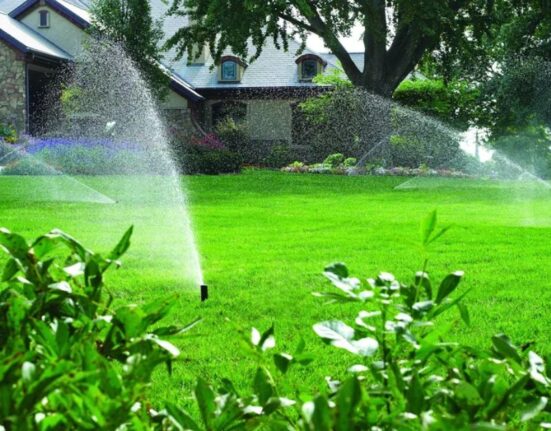

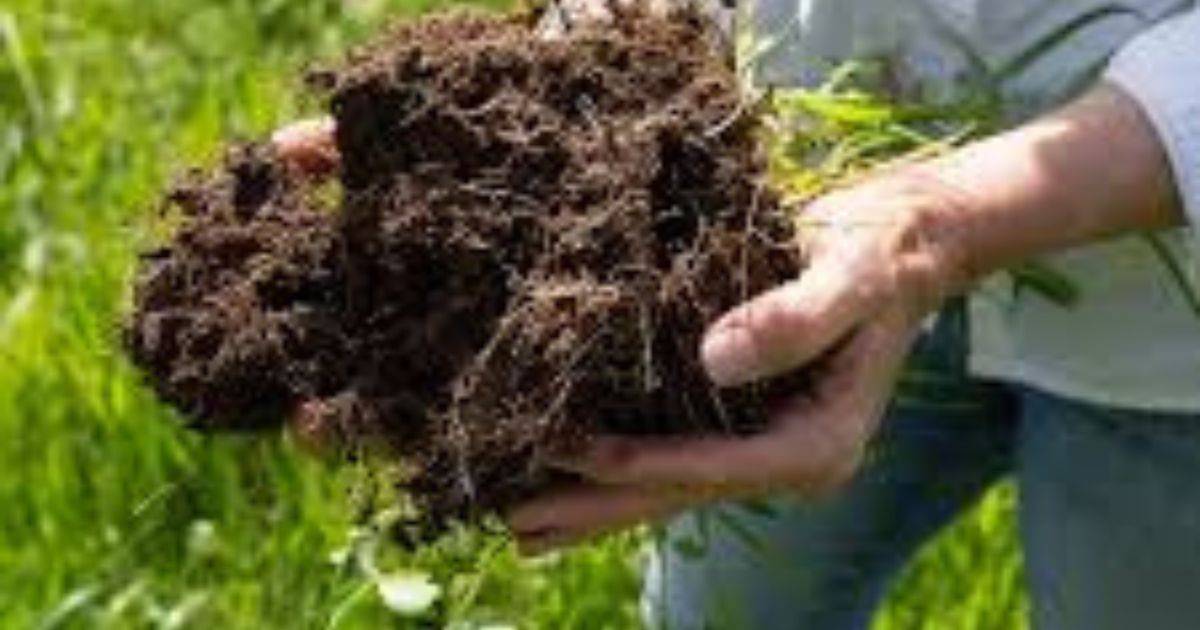
Sustainable farming practices are becoming increasingly important as farmers work to protect natural resources while maintaining productivity. One agricultural method gaining attention worldwide is adaptive grazing, a livestock management strategy that improves soil health, boosts pasture productivity, and supports long-term farm sustainability.
Adaptive grazing focuses on carefully managing when, where, and how animals graze. Instead of allowing livestock to graze continuously in a single pasture, farmers rotate animals among pastures based on pasture growth, soil conditions, and weather patterns. This flexible management approach mimics natural grazing patterns seen in wild herbivore herds. Healthy soil is the soil health foundation of successful agriculture. It supports plant growth, stores adaptive grazing water, cycles nutrients, and hosts billions of beneficial soil organisms.
What Is Adaptive Grazing?
Adaptive grazing for soil health is a livestock management approach that improves pasture productivity while restoring soil quality. It involves rotating animals through grazing areas based on grass growth, weather conditions, and soil needs. By preventing overgrazing and allowing plants time to recover, adaptive grazing strengthens root systems and increases soil organic matter. This practice helps improve water infiltration, reduce erosion, and support beneficial soil microbes.
Farmers who use adaptive grazing often see healthier pastures, better livestock performance, and more resilient farms. As part of regenerative agriculture, adaptive grazing promotes Biodiversity, sequesters carbon in the soil, and creates a more sustainable, balanced farming system for long-term agricultural success.
Why Soil Health Matters in Farming
 Soil health is the foundation of successful and sustainable farming. Healthy soil contains a balanced mix of nutrients, organic matter, beneficial microorganisms, air, and water that support strong plant growth. When soil is well-managed, crops develop deeper roots, absorb nutrients more efficiently, and become more resistant to pests, diseases, and drought. Good soil health also improves water retention, reduces erosion, and increases farm productivity over time.
Farmers who focus on practices like crop rotation, composting, cover cropping, and reduced tillage help maintain fertile soil for future harvests. Ultimately, healthy soil not only boosts crop yields grazing management but also supports environmental sustainability and long-term agricultural resilience for farmers and forage communities.
Improved Plant Growth
Improved plant growth refers to enhanced plant development and health through optimal care, nutrients, and environmental conditions. Factors such as proper watering, quality soil, balanced fertilization, sufficient sunlight, and pest management contribute to stronger stems, lush foliage, and higher yields. By fostering these conditions, gardeners and farmers can achieve vigorous plants that thrive, resist stress, and produce abundant fruits, vegetables, or flowers, supporting sustainable and productive healthy soil cultivation.
Better Water Retention
Better Water Retention refers to the ability of soil, growing media, or other materials to retain moisture effectively for plants. This property ensures that water is available to roots for longer periods, reducing irrigation frequency and minimizing water stress. Improved water retention supports healthier plant growth, enhances nutrient absorption, and promotes sustainable gardening or farming practices by conserving water and maintaining grazing practices consistent soil moisture levels.
Reduced Soil Erosion
Reduced soil erosion is the practice of minimizing the loss of topsoil from wind, water, or human activity. Techniques like cover cropping, contour farming, and maintaining vegetation help protect soil structure, retain nutrients, and improve grass water infiltration. By reducing erosion, farmers and gardeners preserve fertile land, enhance crop yields, and promote long-term environmental sustainability, preventing land degradation and maintaining healthy ecosystems.
Enhanced Nutrient Cycling
Soil microorganisms break down organic materials and make nutrients available to plants. Healthy soils capture and store carbon, helping reduce greenhouse gases in the livestock tmosphere.Adaptive grazing improves all of these soil characteristics by managing how livestock interact with pastures.
How Adaptive Grazing Improves Soil Health
Adaptive grazing is a livestock management method that carefully controls where and how long animals graze on pasture. By rotating animals between paddocks and allowing plants time to recover, this system helps protect and rebuild soil health. Adaptive grazing improves soil structure, increases organic matter, and boosts beneficial microorganisms. Healthy plant roots grow deeper, enhancing water infiltration and reducing soil erosion. Manure from grazing animals naturally fertilizes the land, replenishing soil nutrients.
Over time, these practices create more resilient pastures, improve Biodiversity, and support sustainable farming. As a result, farmers can produce healthier forage while maintaining productive and environmentally friendly agricultural rancher systems.
Stimulates Plant Growth
When livestock graze plants moderately, it stimulates new growth. Plants respond by producing fresh leaves and deeper roots. Strong root systems help stabilize soil and increase organic pasture matter.Overgrazing, however, damages plants and weakens root systems. Adaptive grazing ecosystem prevents this by moving animals before plants are grassland overused.
Increases Soil Organic Matter
Livestock contribute organic material through manure and trampled plant residues. These materials break down and become part of the soil.Organic matter improves soil fertility, structure, and water-holding capacity. Over time, adaptive grazing can significantly increase soil organic carbon grazing strategies levels.
Encourages Microbial Activity
Healthy soils contain billions of microorganisms, including bacteria, fungi, and earthworms. These organisms play a vital role in nutrient cycling and soil soil microbial formation. Manure, plant roots, and organic matter created through adaptive grazing provide food for these microbes, boosting soil biological plant species activity.
Reduces Soil Compaction
Continuous grazing can cause soil compaction as animals repeatedly walk on the same ground. Compacted soil restricts root growth and water adaptive management infiltration.Rotating animals between pastures spreads grazing pressure more evenly and allows soil time to drought recover.
Improves Water Infiltration
Healthy pastures with strong root systems absorb rainfall more effectively. This reduces runoff and prevents regenerative erosion.Adaptive grazing encourages a thick grass cover and improved soil structure, allowing water to infiltrate the soil rather than running off.
Key Principles of Adaptive Grazing
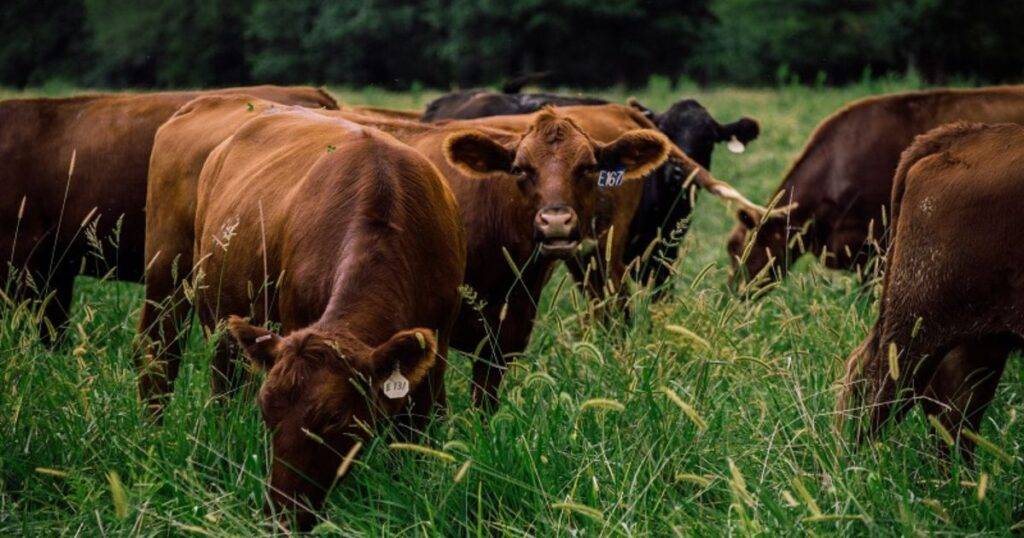 Adaptive grazing is a flexible livestock management approach that focuses on improving soil health, pasture productivity, and ecosystem balance. Its key principles include managing grazing intensity, allowing adequate rest periods for pasture recovery, and adjusting livestock movement based on weather, forage growth, and land conditions. Farmers observe plant health, soil moisture, and animal behavior to make timely decisions. Rotating animals through different paddocks prevents overgrazing and encourages diverse plant growth.
Maintaining ground cover is essential to reducing erosion and supporting soil microbes. Adaptive grazing also emphasizes continuous learning and monitoring, enabling farmers to respond to changing environmental conditions while sustaining long-term farm organic matter productivity and ecological resilience.
Observe and Monitor Pastures
Farmers regularly observe grass height, plant diversity, soil condition, and livestock health. Decisions are based on real-time conditions rather than fixed schedules. Livestock should graze enough to stimulate plant growth but not so much that plants cannot productivityrecover.
Allow Adequate Recovery Time
Grass needs time to regrow after grazing. Recovery periods may vary depending on season, rainfall, and plant species. Healthy pastures always maintain plant cover, protecting the soil from erosion and extreme productivity temperatures.
Types of Adaptive Grazing Systems
Adaptive grazing systems are flexible livestock management methods designed to improve soil health, pasture productivity, and ecosystem balance. Common types include rotational grazing, where animals move between paddocks to allow grass recovery; mob grazing, which uses high animal density for short grazing periods to stimulate plant growth; and strip grazing, where livestock graze small pasture sections controlled by temporary fencing.
Multi-species grazing combines different animals, such as cattle and sheep, to utilize diverse plants and reduce pests. Rest-rotation grazing provides pastures with longer recovery periods, resulting in stronger regrowth. These adaptive systems help farmers manage forage more efficiently, reduce soil erosion, increase Biodiversity, and create more sustainable, resilient farming operations.
Rotational Grazing
Rotational grazing is a livestock management practice where animals are moved between pastures in a planned sequence. This method allows grasses time to recover, improves soil fertility, and reduces overgrazing. By promoting healthier pasture growth and nutrient cycling, rotational grazing enhances forage quality, supports sustainable farming, and increases livestock productivity. It’s an environmentally friendly approach that balances animal needs with long-term land conservation.
Managed Intensive Grazing (MIG)
Animals graze smaller areas for short periods before being moved. This increases grazing efficiency and pasture resilience utilization.
Mob Grazing
Large numbers of animals graze densely packed areas for a short time. This mimics natural herd movements and promotes the buildup of soil organic matter. Farmers use temporary fencing to allow animals to graze narrow sections of pasture at a profitability time. Each system can be adapted depending on farm size, livestock type, and environmental ecological conditions.
Environmental Benefits of Adaptive Grazing
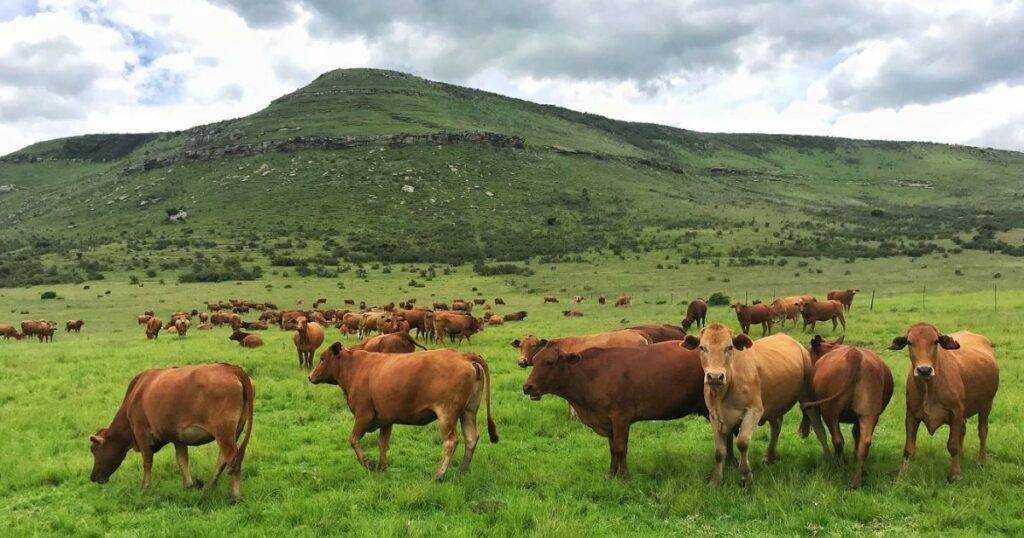 Adaptive grazing is a livestock management approach that improves soil health and supports sustainable farming. By rotating animals across different pasture areas, farmers allow grass and plants time to recover and grow stronger. This method increases soil organic matter, improves water retention, and reduces erosion. Healthy pastures also capture more carbon from the atmosphere, helping to fight climate change.
In addition, adaptive grazing promotes Biodiversity by creating habitats for beneficial insects, birds, and soil organisms. It also reduces the need for chemical fertilizers and the damage caused by overgrazing. Overall, adaptive grazing helps restore natural ecosystems while maintaining productive farmland and supporting long-term environmental sustainability.
Reduced Soil Erosion
Reduced soil erosion refers to practices and techniques that prevent the loss of topsoil caused by wind, water, or human activity. By maintaining vegetation cover, using contour farming, or implementing sustainable grazing, soil structure and fertility are preserved. This not only protects agricultural productivity but also safeguards water quality and the surrounding ecosystem, promoting long-term land health and resilience against environmental degrade degradation.
Improved Biodiversity
Improved Biodiversity refers to the enhancement of the variety and abundance of living organisms within an ecosystem. By increasing plant, animal, and microbial diversity, ecosystems become more resilient, productive, and balanced. Improved Biodiversity supports essential ecological functions, such as pollination, nutrient cycling, and soil health, and provides habitats for wildlife. It contributes to sustainable agriculture, climate regulation, and overall environmental stability, thereby promoting a healthier, more vibrant natural multi-paddock world.
Economic Benefits for Farmers
Economic benefits for farmers are crucial for improving livelihoods and strengthening rural communities. When input farmers adopt efficient farming practices, modern technology, and sustainable methods, they can increase crop yields while reducing production costs. Higher productivity often leads to better market opportunities and increased income. Government support programs, fair pricing policies, and access to credit also help farmers invest in better seeds, equipment, and irrigation systems.
Additionally, diversified farming—such as growing multiple crops or raising livestock—can reduce financial risks and create multiple income sources. Overall, strong economic benefits allow farmers to maintain stable businesses, support their families, and contribute significantly to local and national food overgrazing security.
Lower Feed Costs
Lower feed costs are essential to efficient, profitable livestock farming. By optimizing feed strategies, using cost-effective ingredients, and reducing waste, farmers can maintain healthy animals while spending less. This approach improves overall farm sustainability, boosts profit margins, and ensures that resources are used wisely. Effective feed management not only supports animal growth and productivity but also minimizes financial strain, making it a key factor in successful modern stewardship farming.
Improved Livestock Health
Animals grazing diverse pastures often experience better nutrition and fewer health problems.Well-managed grasslands can produce more forage per acre.Livestock manure naturally fertilizes the soil, decreasing the need for synthetic fertilizers.
Challenges of Implementing Adaptive Grazing
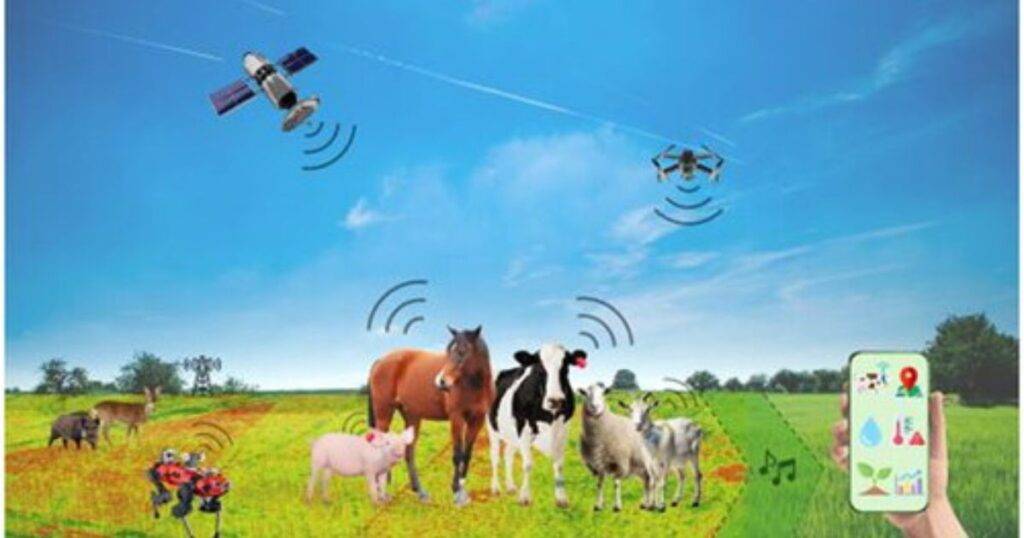 Adaptive grazing offers a sustainable approach to pasture and livestock management, but its implementation comes with notable challenges. Farmers must closely monitor pasture growth, soil health, and livestock behavior, requiring significant time, expertise, and labor. Inconsistent rainfall or unpredictable weather can complicate grazing schedules, reducing effectiveness. Infrastructure investments, such as portable fencing and water systems, add to costs.
Additionally, transitioning from conventional grazing methods may face resistance from farm staff or require retraining. Understanding and applying complex rotational strategies can be overwhelming, especially for small-scale or resource-limited operations. Despite these hurdles, careful planning and ongoing management can help overcome barriers and unlock the benefits of adaptive grazing.
Initial Infrastructure Costs
Initial Infrastructure Costs refer to the upfront expenses required to establish the physical and organizational foundation of a project, business, or farm. These costs typically include construction, machinery, utilities, technology systems, and other essential facilities needed to start operations. Proper planning and budgeting for these investments are crucial, as they directly affect long-term efficiency, scalability, and the venture’s overall financial sustainability.
Management Complexity
Adaptive grazing requires careful observation and decision-making.Farmers may need training or experience to understand pasture growth patterns and soil health indicators.Drought or extreme weather can affect pasture availability.However, many farmers find that the long-term benefits outweigh these initial challenges.
Steps to Start Adaptive Grazing
Adaptive grazing is a livestock management approach designed to improve soil health, pasture productivity, and animal welfare. Starting adaptive grazing begins with assessing your land’s current condition, including soil quality, forage types, and water sources. Next, plan rotational grazing by dividing pastures into smaller paddocks and determining grazing schedules based on forage growth. Introduce livestock gradually and monitor grazing intensity to prevent overgrazing.
Regularly move animals between paddocks to allow pastures to recover. Incorporate soil testing, cover crops, and sustainable fertilization to enhance fertility. Continuously track pasture performance and animal health, adjusting rotations as needed. Over time, adaptive grazing supports resilient ecosystems, improved forage, and sustainable farm productivity.
Assess Your Pastures
Assess Your Pastures” is a practical guide for farmers and ranchers to evaluate the health and productivity of their grazing land. By examining soil quality, forage availability, and plant diversity, you can identify areas needing improvement and make informed management decisions. Regular pasture assessments help optimize livestock nutrition, prevent overgrazing, and support sustainable land practices, ensuring long-term productivity and environmental balance for your farm or ranch.
Divide Pastures into Paddocks
Use fencing, including temporary electric fencing, to create grazing sections.Move livestock before plants are grazed too short.Rest pastures long enough for grasses to regrow fully.Observe changes in soil structure, organic matter, and plant diversity.Starting small and gradually expanding grazing rotations can help farmers learn the system effectively.
Adaptive Grazing and Regenerative Agriculture
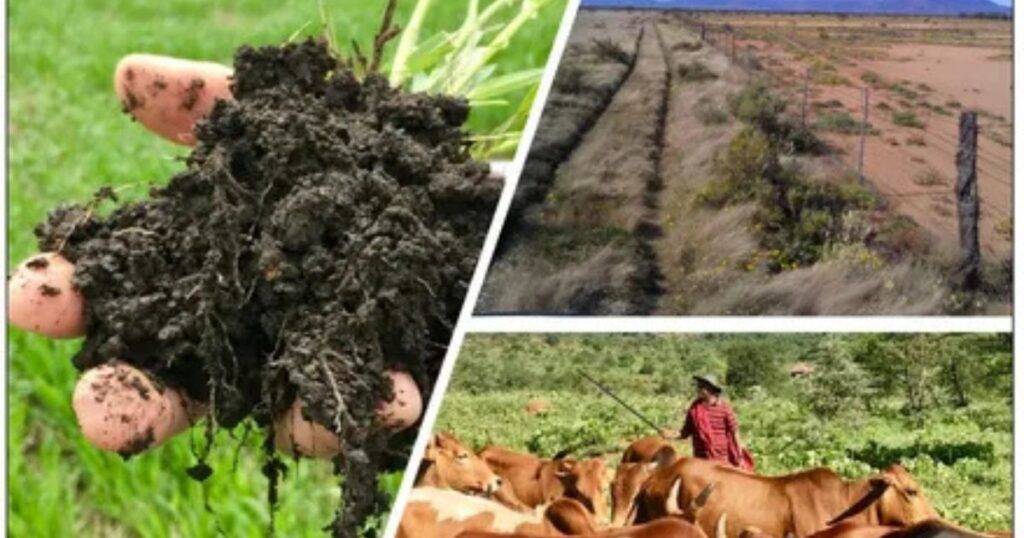 Adaptive grazing is a dynamic livestock management approach that rotates animals strategically across pastures to mimic natural grazing patterns. By adjusting stocking rates and timing, it promotes soil health, enhances nutrient cycling, and prevents overgrazing. This method is a cornerstone of regenerative agriculture, which seeks to restore ecosystems, increase Biodiversity, and sequester carbon while maintaining productive farmland.
Together, adaptive grazing and regenerative practices create resilient landscapes, improve water retention, and support healthier forage growth. Farmers benefit from stronger, more sustainable pastures, reduced input costs, and long-term productivity.
The Future of Adaptive Grazing
As concerns about climate change, soil degradation, and food security grow, adaptive grazing is becoming increasingly important in modern agriculture. Researchers and farmers worldwide are exploring ways to improve grazing management using technology and ecological knowledge.
Conclusion:
Adaptive grazing offers a powerful strategy for improving soil health and building sustainable farms. By carefully managing livestock movements and allowing pastures time to recover, farmers can enhance soil fertility, increase Biodiversity, and improve long-term productivity.
Healthy soil is the foundation of resilient agriculture, and adaptive grazing helps restore that foundation naturally. This approach benefits farmers, livestock, ecosystems, and the environment alike. As agriculture faces growing challenges from climate change and resource depletion, adaptive grazing provides a practical and effective solution.
FAQ:
What is Adaptive Grazing?
Adaptive grazing, also called rotational or management-intensive grazing, is a livestock management system where animals are moved frequently between pasture sections. The goal is to optimize forage use, prevent overgrazing, and improve soil, plant, and animal health.
How often should Livestock be Moved?
Movement frequency depends on pasture growth, stocking density, and season. Some systems move animals every 1–7 days to allow grazed paddocks to recover fully before being grazed again.
What is Stocking Density, and why is it Important?
Stocking density is the number of animals per unit area. High density over short periods encourages even grazing, more even manure distribution, and plant recovery. Low density can lead to selective grazing and overgrowth in some areas.
Can Adaptive Grazing Reduce the need for Chemical Fertilizers?
Yes. By recycling nutrients naturally through manure and improving soil biology, adaptive grazing can reduce or replace some synthetic fertilizers over time.
Does Adaptive Grazing help with Climate Change?
Yes. Healthy, well-managed soils capture more carbon, helping reduce greenhouse gases. Proper grazing can also reduce methane emissions per unit of meat or milk produced.