
Agriculture has always been a cornerstone of human survival, but modern farming faces increasing challenges. Climate change, pest resistance, shrinking arable land, and the requirement to feed the world’s expanding population have placed immense pressure on farmers. Among these challenges, pest control remains one of the most persistent and costly issues. Traditional pest management methods—such as manual inspection and chemical pesticides—are often inefficient, labor-intensive, and harmful to the environment.
Enter Artificial Intelligence (AI). AI is revolutionizing agriculture by enabling smarter, more efficient pest detection, monitoring, and control. With AI-powered systems, farmers can identify pest infestations early, apply targeted treatments, and reduce chemical usage—leading to healthier crops and higher yields.This blog explores how AI is transforming pest control, the technologies involved, the benefits, the challenges, and what the future holds for smart farming.
The Problem with Traditional Pest Control
Traditional pest control methods have long been a standard practice in agriculture, but they come with significant limitations. Farmers often rely on manual inspection, which can delay pest detection until damage is severe. Additionally, the widespread use of chemical pesticides can harm beneficial insects, degrade soil health, and contaminate water sources. Over time, pests may also develop resistance to these chemicals, making them less pest management effective.
These methods are not only labor-intensive but also costly and environmentally unsustainable. As farming demands increase, traditional approaches struggle to deliver efficient, precise, and eco-friendly results. AI can help with pest management, underscoring the pressing need for more intelligent, long-term AI solutions.
Late Detection
Late detection refers to identifying a problem, disease, or issue at an advanced stage when it has already progressed significantly. In agriculture, this can mean recognizing pest infestations, nutrient deficiencies, or plant diseases only after visible damage has occurred, reducing crop yield and quality. Late detection often limits effective intervention options, making control more costly and less successful. It highlights the importance of regular monitoring, timely diagnostics, and the use of modern tools such as sensors and AI systems to catch problems early and protect overall pest control productivity.
Overuse of Pesticides
Overusing pesticides in farming may seem like a quick solution for pest problems, but it can lead to serious long-term consequences. Excessive pesticide use can harm beneficial insects, contaminate soil and water, and reduce biodiversity, disrupting the natural balance of ecosystems. Over time, pests may develop resistance, making chemical control less effective and forcing even heavier usage. Additionally, pesticide residues can pose health risks to humans and livestock.
Sustainable alternatives like integrated pest management and organic practices help protect crops while maintaining environmental and human pest artificial intelligence safety.
Pest Resistance
Over time, pests can develop resistance to commonly used chemicals, making pest management more difficult.Manual field scouting requires time, effort, and skilled labor, which may not always be available for inspection. These issues highlight the need for smarter, data-driven solutions—where AI steps in.
What Is AI-Powered Pest Control?
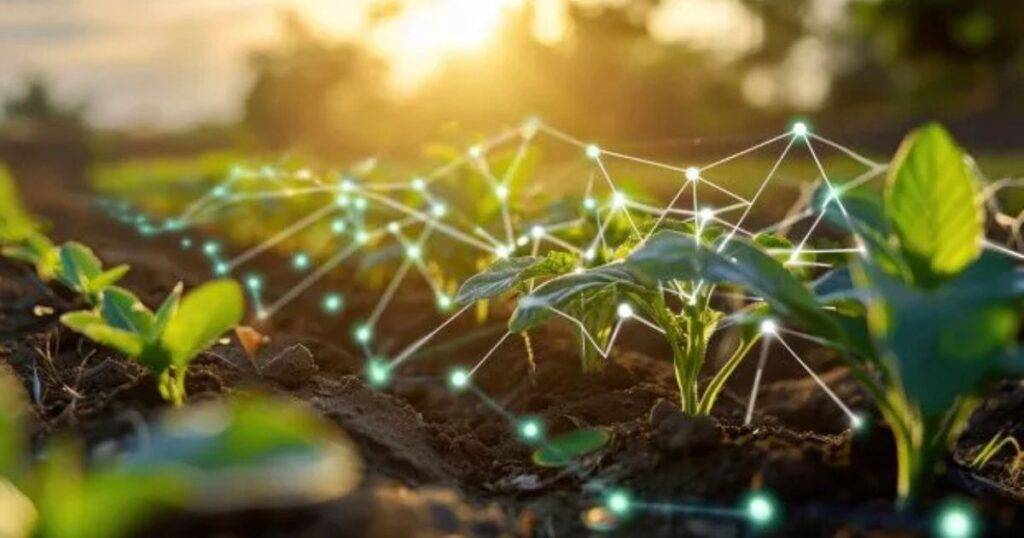 AI-powered pest control uses advanced technologies like machine learning, computer vision, sensors, and data analytics to monitor crops and detect pest activity. These systems analyze large amounts of data in real time, helping farmers npma make informed decisions quickly.
Key components include:
- Machine Learning Algorithms: Learn from historical data to predict pest outbreaks.
- Computer Vision: Identifies pests and diseases from images.
- IoT Sensors: Collect environmental data like temperature, humidity, and soil moisture.
- Drones and Robots: Capture field images and apply treatments precisely.
Together, these tools create a smart ecosystem that enhances pest management.
How AI Detects and Identifies Pests
AI detects and identifies pests by combining advanced technologies like computer vision, machine learning, and smart sensors. Cameras capture images of crops, and AI analyzes them to accurately identify pest species, damage patterns, and early signs of infestation. At the same time, field sensors collect environmental data, including temperature, humidity, and soil real-time conditions. AI systems process this data to determine when conditions are favorable for pest outbreaks.
By learning from past data and real-time inputs, AI can also predict future infestations. This allows farmers to take timely, targeted action—reducing crop damage, minimizing pesticide use, and improving overall farm productivity — through creative solutions that combine smarter, data-driven pest management strategies.
Image Recognition Technology
AI systems use cameras and computer vision to scan crops and identify pests or diseases. Farmers can take photos with smartphones or drones, and AI models can perform broader, more targeted biological analysis of them instantly.
- Detects leaf damage patterns
- Identifies specific pest species
- Differentiates between diseases and nutrient deficiencies
This allows for faster, more accurate diagnosis than human observation.
Real-Time Monitoring with Sensors
IoT sensors placed in fields collect data continuously:
- Temperature
- Humidity
- Soil conditions
- Light intensity
AI analyzes this data to determine conditions favorable for pest outbreaks. For example, high humidity and warm temperatures may signal fungal growth or the need for insect-targeted biological controls to reduce activity.
Predictive Analytics
AI doesn’t just detect pests—it predicts them. By examining past data and meteorological trends, AI models can forecast:
- When pests are likely to appear
- Which crops are at risk
- Severity of potential infestations
This enables proactive pest management rather than reactive responses.
Smart Tools for AI Pest Control
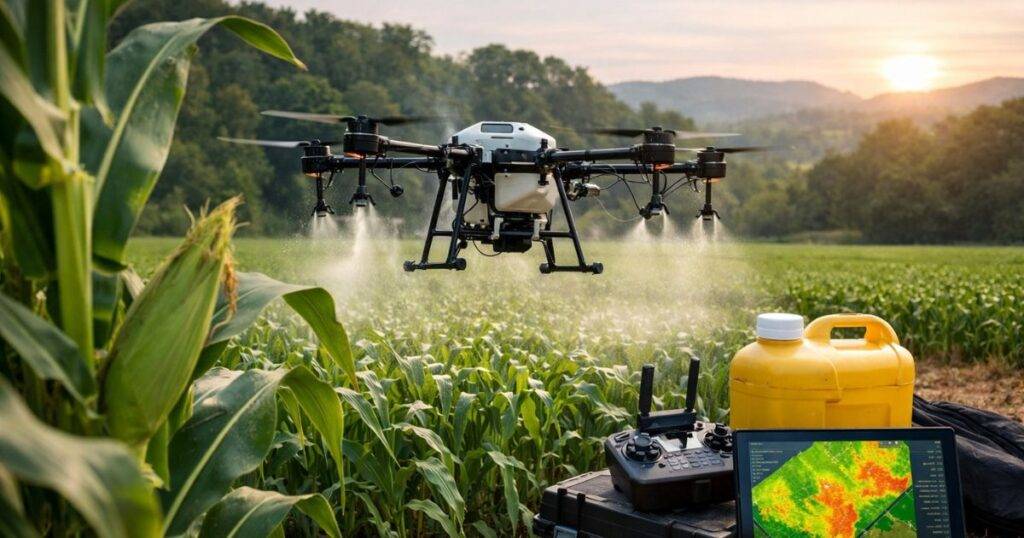 Smart tools for AI pest control are transforming how farmers protect crops by combining advanced technology with real-time data insights. These tools include drones that scan fields for early signs of infestation, smart traps that automatically identify and count pests, and IoT sensors that monitor environmental elements such as temperature and humidity. AI-powered mobile apps also help farmers diagnose plant issues instantly and recommend targeted treatments.
By using machine learning and computer vision, these tools enable precise pest detection and reduce the need for excessive pesticide use. As a result, farmers can respond quickly, reduce and enhance their pesticide use costs, improve crop health, and achieve higher yields while promoting more sustainable, environmentally friendly farming practices powered by AI to identify pests.
Drones for Crop Surveillance
Drones equipped with cameras and AI software can quickly cover large areas. They use AI to capture high-resolution images of pests and detect early signs of pest infestations, freeing technicians to focus on damage.
Benefits:
- Saves time and labor
- Monitors hard-to-reach areas
- Provides real-time insights
Autonomous Robots
Robots can move through fields and perform tasks such as:
- Identifying pests
- Removing weeds
- Applying targeted pesticides
These machines use AI to reduce human effort and improve precision.
Smart Traps
AI-enabled traps attract pests and use cameras to identify and count them. The data is historical and has been sent to a central system for advanced AI analysis.
Advantages:
- Continuous monitoring
- Accurate pest population tracking
- Reduced need for manual checks
Mobile Apps
Farmers can use AI-powered mobile applications to:
- Diagnose plant issues
- Receive treatment recommendations
- Track pest activity
These apps make advanced technology accessible even to small-scale farmers.
Benefits of AI in Pest Control
AI-powered pest crm control offers a smarter, more efficient approach to protecting crops and improving farm efficiency. By leveraging cutting-edge technologies such as machine learning and sensors, AI can detect pests early, enabling farmers to take timely action before infestations spread. This reduces crop damage and increases overall yields. AI also enables precise pesticide application, minimizing chemical use, lowering costs, and reducing environmental impact.
Additionally, predictive analytics help farmers anticipate pest outbreaks based on weather and field conditions, improving planning and decision-making. With reduced labor requirements and improved accuracy, AI-driven pest control supports sustainable farming practices, enhances profitability, and strengthens long-term business resilience in the agricultural pest control pesticide use market.
Early Detection and Prevention
Early detection and operational efficiency prevention are essential strategies for maintaining healthy crops, livestock, and ecosystems. By identifying potential issues—such as pests, diseases, or nutrient deficiencies—before they escalate, farmers can take proactive measures to protect their yields.
Prevention techniques, including regular monitoring, soil testing, and timely interventions, reduce the risk of major losses and minimize the need for intensive treatments. Implementing these practices not only safeguards productivity but also promotes sustainable, cost-effective farming, ensuring long-term soil health, stronger plants, and resilient, data-driven remote monitoring systems in agriculture.
Reduced Chemical Usage
Instead of blanket spraying, farmers can apply pesticides only where needed. This:
- Lowers costs
- Protects beneficial insects
- Reduces environmental impact
Increased Crop Yields
Healthy crops lead to better productivity. By minimizing pest damage, AI helps maximize yields.
Cost Efficiency
Although initial investment may be high, AI reduces long-term costs through:
- Lower pesticide use
- Reduced labor requirements
- Improved efficiency
Sustainable Farming
AI promotes eco-friendly practices by reducing chemical inputs and conserving natural resources.
Real-World Applications
AI-driven pest control is transforming agriculture by offering precise, efficient, and sustainable solutions. Farmers can monitor crops in real time, detect infestations early, and apply treatments only where needed, reducing chemical use and costs. Drone and sensor technologies, combined with machine learning algorithms, optimize irrigation, fertilization, and pest management, enhancing yields and crop quality.
Beyond farming, these smart systems support supply chain decisions, predict potential outbreaks, and improve overall food security. The result is a data-driven approach to pest control that makes agriculture smarter, safer, and more productive.
Precision Agriculture
Precision Agriculture is an advanced farming strategy that uses technology to monitor weather patterns, maximize resource use, and increase agricultural output. By utilizing devices such as GPS mapping, soil sensors, drones, and data analytics, farmers can monitor field variability and apply water, fertilizers, and pesticides more accurately. This targeted approach reduces waste, lowers costs, and minimizes environmental impact while improving yields and crop quality. Farmers can make more informed decisions thanks to precision agriculture.
Enhance sustainability and adapt quickly to changing conditions, marking a transformative step toward a smarter, more efficient modern farming AI solution. Automate pest detection and monitoring, and implement broader, more targeted practices.
Greenhouse Monitoring
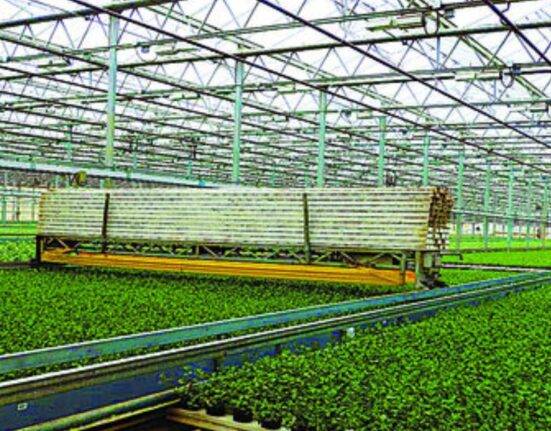
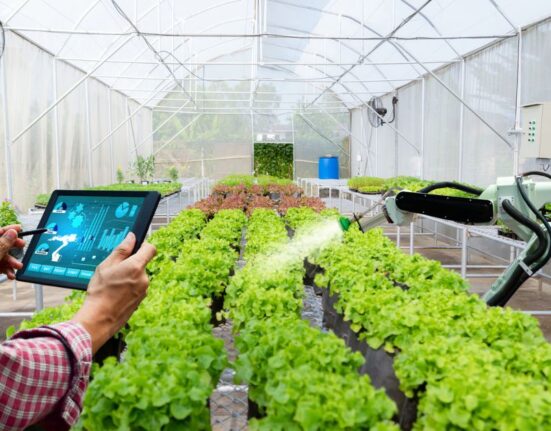
Greenhouse monitoring involves using advanced sensors and technology to track and manage environmental conditions inside a greenhouse. By measuring temperature, humidity, light intensity, soil moisture, and CO₂ levels, growers can create optimal conditions for plant growth. Real-time monitoring systems alert farmers to fluctuations, helping prevent stress, disease, and crop loss. Integrating automation allows precise control of irrigation, ventilation, and shading, improving efficiency and yields. With data-driven insights, greenhouse monitoring helps maximize productivity, conserve resources, and maintain healthy, high-quality plants throughout every growth stage, combining pest control methods.
Large-Scale Farming
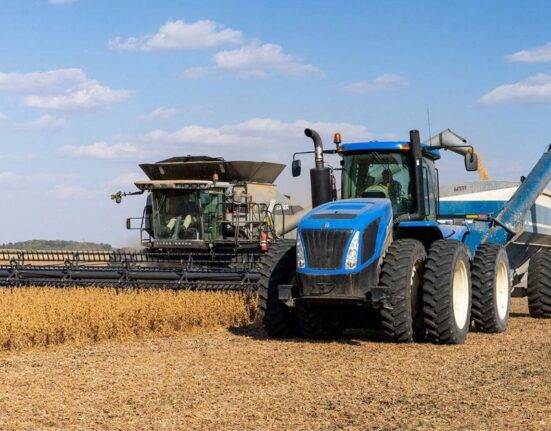
Commercial farms use AI-driven platforms to manage thousands of acres efficiently, improving control and reducing or enhancing productivity and pest control profitability.
Challenges of AI in Pest Control
 AI in pest control offers powerful advantages but also poses notable challenges. One major issue is the high cost of implementation, including advanced sensors, drones, and data systems, which small-scale farmers may find challenging to afford. Additionally, AI models require large amounts of high-quality data to operate efficiently, and poor data quality can lead to incorrect pest detection or treatment decisions. Technical complexity is another barrier, as farmers may need training to use these systems properly.
There are also concerns about system reliability in unpredictable field conditions, such as extreme weather. Finally, limited internet access in rural areas can hinder real-time monitoring, reducing the overall effectiveness of AI-driven pest management solutions by hindering the combination of different pest-reducing or enhancing pesticide solutions.
High Initial Costs
High initial costs refer to the substantial upfront investment required to start a project, purchase equipment, or implement new technology. These expenses can include machinery, infrastructure, software, training, or licensing fees. While often necessary for long-term benefits, high initial costs can pose financial challenges for businesses or individuals with limited budgets.
Proper planning, budgeting, and cost-benefit analysis are crucial to ensure that upfront expenditures lead to sustainable growth, increased efficiency, or higher returns over time, despite the initial financial burden of sensors and cameras and the challenges posed by pest behavior.
Technical Knowledge
Technical Knowledge refers to the practical understanding and expertise in specific tools, processes, systems, or technologies relevant to a field. It enables individuals to solve problems efficiently, operate machinery, analyze data, and apply specialized methods in professional or technical contexts. Having strong technical Knowledge enhances productivity, decision-making, and innovation, while bridging the gap between theory and real-world application.
It is essential across industries—from IT and engineering to agriculture and healthcare—ensuring tasks are performed accurately, manual tasks are performed safely, and real-time pest control is effective, while supporting continuous learning and career development.
Data Dependency
AI systems rely on large datasets. Poor-quality data can lead to inaccurate predictions. Rural areas may lack reliable internet and access to pest control companies, limiting the use of cloud-based AI in traditional pest control systems.
Overcoming the Challenges
To make AI accessible and effective:
- Governments and organizations can provide subsidies and training programs.
- Developers can create user-friendly apps for farmers.
- Offline AI solutions can be developed for areas with limited connectivity.
- Collaborative data-sharing platforms can improve AI accuracy.
The Future of AI in Pest Control
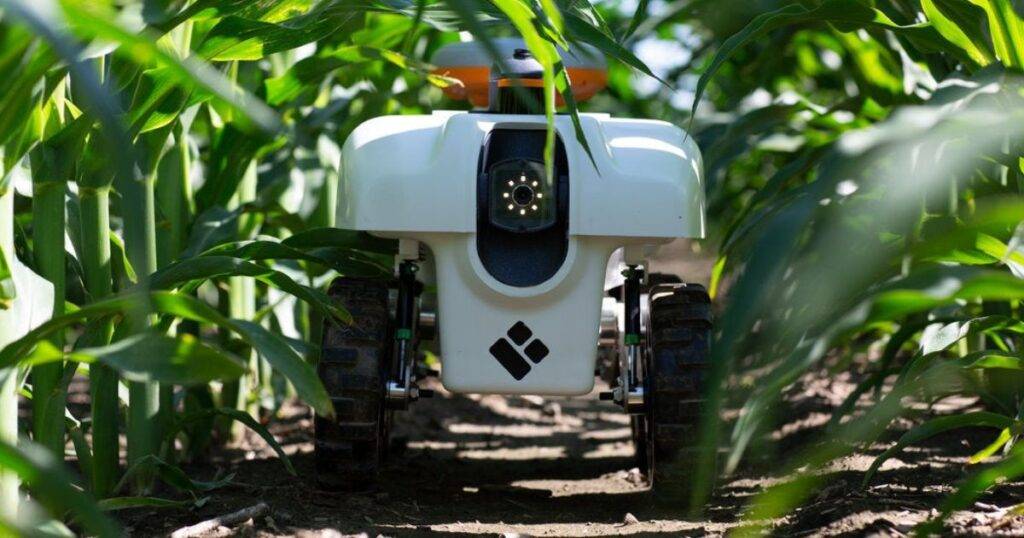
The future of AI in pest control is set to revolutionize agriculture with smarter, faster, and more sustainable solutions. Innovative technologies such as machine learning, computer vision, and IoT sensors will enable real-time pest detection and precise intervention, reducing the need for chemical pesticides. AI-driven drones and automated systems can efficiently monitor large fields, identifying infestations before they spread.
Predictive analytics will help farmers anticipate pest outbreaks based on weather patterns and crop conditions, improving decision-making. As these innovations evolve, they will enhance crop yields, lower costs, and minimize environmental impact, making pest management more efficient and eco-friendly for farmers worldwide, whether using pest control devices, different pest control methods, or pest monitoring.
AI + Satellite Imaging
AI combined with satellite imaging is transforming how we observe and manage the Earth. By analyzing high-resolution satellite data, artificial intelligence can detect patterns, monitor environmental changes, track crop health, and predict natural disasters with unprecedented speed and accuracy. This fusion enables smarter decision-making for agriculture, urban planning, forestry, and climate monitoring.
From identifying deforestation hotspots to assessing water resources, AI-powered satellite imagery provides actionable insights, making complex global data understandable, efficient, and practical for governments, businesses, and scientists alike.
Climate-Resilient Farming
AI will help farmers adapt to a changing climate by predicting pest behavior across different scenarios. Advanced robots will handle pest control autonomously, reducing the need for human real-time data intervention.
Personalized Farming Solutions
AI will provide tailored workflow recommendations based on specific crops, soil conditions, and local dashboard climate.
Practical Tips for Farmers
If your chatbot is considering adopting AI for pest control, here are some practical steps:
- Start Small: Begin with mobile apps or basic sensors.
- Use Data Wisely: Record crop performance and pest activity.
- Invest Gradually: Upgrade to drones or advanced systems as needed.
- Seek Training: Learn how to use AI tools effectively.
- Collaborate: Work with agricultural experts and technology providers.
Conclusion:
AI-powered pest control is transforming agriculture by making it smarter, more efficient, and sustainable. By enabling early detection, precise treatment, and predictive insights, AI helps farmers protect their crops and improve pest management and control.
Even with some difficulties, the advantages greatly outweigh the drawbacks. As technology becomes more accessible, even small-scale farmers can harness the power of AI to enhance productivity and reduce environmental impact.
FAQ:
What is AI Pest Control?
AI Pest Control uses artificial intelligence technologies—like machine learning, computer vision, and data analytics—to detect, monitor, and manage pests in agriculture. It enables precise, timely, and automated interventions, reducing crop damage and chemical usage.
How does AI Detect Pests?
AI systems use cameras, drones, and sensors to capture images or environmental data. There are still difficulties, but the advantages greatly outweigh them. statista population density, and infestation patterns in real time.
Can AI Predict Pest Outbreaks?
Yes. AI systems can analyze historical data, weather patterns, crop growth, and pest behavior to forecast potential infestations, helping farmers take preventive measures.
What Crops can Benefit from AI Pest Control?
AI pest control can be applied to most crops, including cereals, vegetables, fruits, and cash crops. Large-scale farms with high-value crops often benefit the most due to efficiency gains.
Do Farmers Need Technical Expertise to use AI Pest Control?
Many AI pest control solutions are designed to be user-friendly, providing alerts and actionable insights via mobile apps or dashboards. However, basic automated scheduling training on the system is recommended for optimal digital technology results.