
A strong greenhouse farming business plan begins with a clear executive summary that highlights your vision, goals, and strategy. This section of your greenhouse business plan explains how your greenhouse business will operate, what crops you will grow, and how you will achieve profitability. It should briefly cover your startup idea, market analysis, and expected financial projections. A professional business plan template helps organize these ideas into a strong business plan that investors understand. Your summary should also mention your target customers, whether you plan to sell directly to consumers or supply grocers and plant shops. Include a snapshot of startup costs, working capital, and expected cash flow. The plan describes your unique advantage in the greenhouse industry, such as organic certification or a focus on fresh produce and local food. A well-written executive summary is essential because it introduces your successful greenhouse business concept and convinces readers to explore the full plan.
What is Greenhouse Farming?
Greenhouse farming is a modern agricultural method in which crops are cultivated in a controlled environment, typically a greenhouse. In this system, farmers or growers use materials such as glass, plastic, or polycarbonate to create a protected space that allows them to control temperature, humidity, light, and ventilation.Unlike traditional open-field farming, a greenhouse farming system shields plants from illnesses, pests, and severe weather. This enables crops to be grown more efficiently and consistently throughout the year, ensuring year-round production of fresh produce.Inside a greenhouse, key factors such as irrigation, Understanding Food Costs heating and cooling, and airflow using ventilation fans are carefully managed. This controlled environment supports better cultivation, healthier plant growth, and higher yields. Advanced systems like hydroponics can also be used, utilizing nutrient-rich water solutions to enable plants to grow without soil.
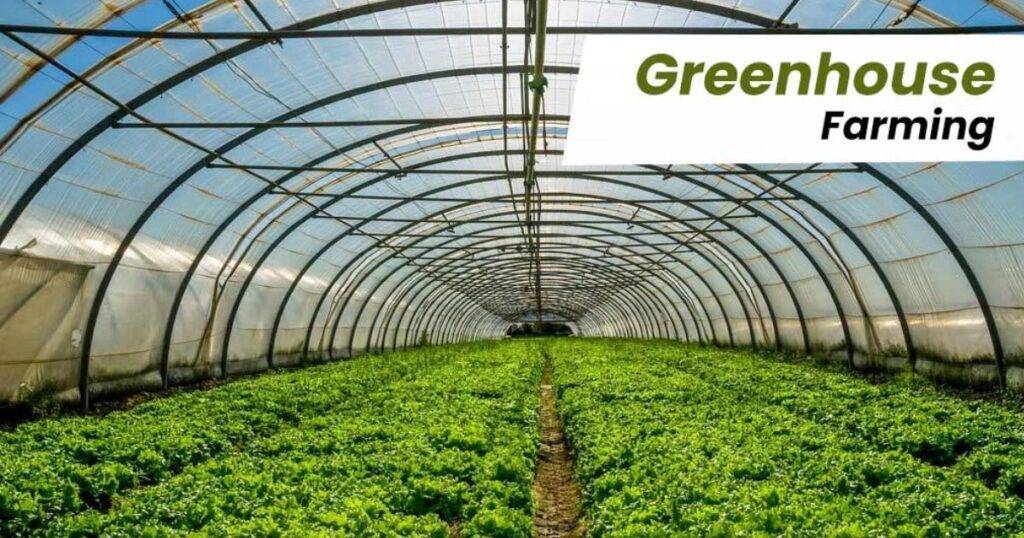
Greenhouse farming is widely used in horticulture to grow vegetables, fruits, flowers, and leafy greens. It is especially popular for producing high-quality, fresh produce for local food markets and supermarkets, as well as for export.Overall, greenhouse farming is an efficient and profitable method that helps growers maintain quality, reduce crop loss, and meet the growing demand for fresh, healthy food.
Market Analysis & Research
A detailed market analysis is crucial when you create your business plan. This section examines the greenhouse industry, current market trends, and the growing demand for fresh produce. Conduct thorough market research to understand your target customers, including grocers, garden centers, and direct-to-consumer buyers interested in farm-to-table products. Analyze your direct competitors and identify gaps you can fill, such as year-round production or organic certification. The plan includes pricing strategies, such as wholesale pricing and retail markup, to remain competitive. Consider market access and distribution channels to ensure your crops reach buyers efficiently.
A good greenhouse business plan template will guide this process and ensure your business plan provides accurate data. Understanding the market helps reduce the risks your business faces and improves long-term profitability. Why Corn and Soybean Prices This section should also include a forecast for the next five years that shows the growth potential of the greenhouse farming sector.
Type of Greenhouse & Setup
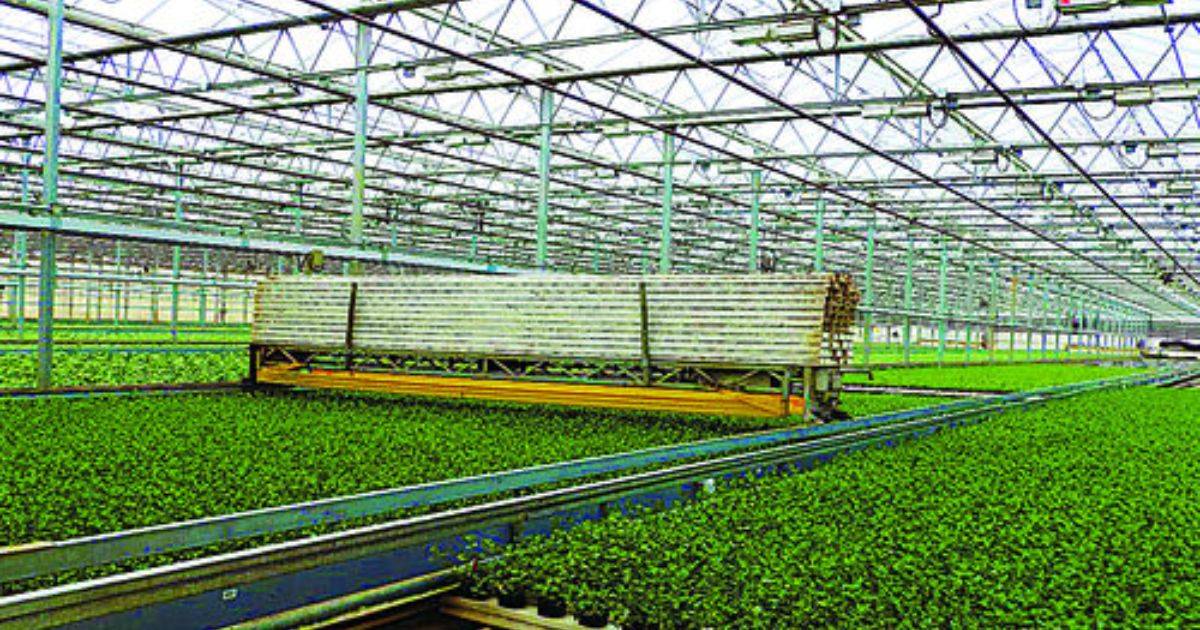
Choosing the right type of greenhouse is a critical step when starting a greenhouse. Your greenhouse operation may range from a simple greenhouse with no advanced automation to a high-tech system with heating and cooling, ventilation fans, and automated irrigation. The plan describes how your new greenhouse will be designed based on climate, zone, and budget. Consider whether to use soil-based cultivation or hydroponics, depending on your crop goals.
The operations plan should detail infrastructure, layout, and equipment needs, including backup systems to prevent equipment failure. This section also addresses utility requirements, such as water and electricity. Depending on the scale, your initial investment for the greenhouse business will vary. A professional business plan explains why your chosen structure supports a successful greenhouse and ensures efficient production. Proper setup helps maintain quality, reduce crop loss, and improve long-term profitability.
Crop Selection & Cultivation Strategy
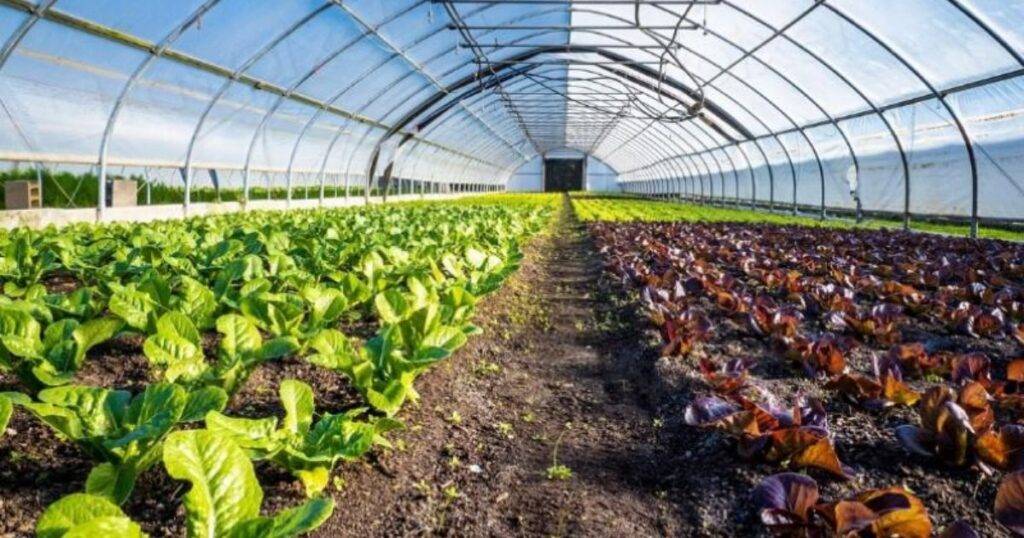
Effective crop selection is key to building a successful greenhouse business. Your greenhouse farming business plan should focus on high-demand crops like leafy greens, herbs, and vegetables that support year-round production. Consider horticulture techniques and planting schedules to maximize output and reduce downtime. The plan includes details on cultivation, harvesting, and pest management to mitigate yield losses. Choosing crops with strong market trends and high wholesale prices ensures better returns.
A smart grower will also diversify crops to reduce risks, such as crop loss. If targeting local food markets or farm-to-table businesses, focus on fresh, high-quality produce. Maintaining consistent quality helps build trust with buyers, such as grocers and plant shops. The greenhouse business plan template should clearly outline how your crop strategy supports profitability and aligns with your overall greenhouse operation goals.
Financial Plan & Startup Costs
A detailed financial plan is essential for any greenhouse business plan. This section outlines startup costs, including structure, irrigation, equipment, and labor. It should also include working capital needed to run operations during the early stages. Your financial projections must cover cash flow, balance sheet, and P&L statements. The plan includes estimates for operating costs, Farm Management: including utilities, seeds, fertilizers, and maintenance. A proper forecast helps determine when your business will reach breakeven and start generating profit.
Include expected revenue based on wholesale price and retail markup strategies. A professional business plan also considers risks like equipment failure and fluctuating demand. If applicable, mention funding sources or lease agreements for land. A strong financial section ensures your greenhouse farming business plan demonstrates long-term profitability and sustainability in the competitive greenhouse industry.
Operations Plan
The operations plan explains how your greenhouse operation will function daily. It includes details about staffing, workflow, and resource management. Your plan describes processes like cultivation, harvesting, packaging, and delivery. Efficient irrigation, climate control, and pest management systems are crucial for maintaining crop health. This section should also address utility usage and cost control strategies to manage operating costs.
A well-structured greenhouse business plan template ensures that all aspects of production are covered. Planning for risks such as crop loss and equipment failure helps maintain stability. The goal is to create a successful greenhouse that runs smoothly and consistently delivers high-quality produce. By optimizing operations, you improve efficiency, reduce waste, and increase overall profitability in your greenhouse business.
Legal Structure & Business Setup
Choosing the right legal structure is an important part of your startup. Many small growers begin as sole proprietors, while larger businesses may choose to form partnerships or corporations. Your greenhouse farming business plan should outline registration, licenses, and compliance requirements. The plan includes any lease agreements for land or facilities. 3 Big Things Successful Farming Today Understanding legal obligations helps your business avoid future problems.
A clear structure also supports financial planning and tax management. This section of your business plan template ensures your greenhouse business operates legally and professionally. Proper setup builds trust with investors and customers, helping you grow a successful greenhouse business over time.
Marketing & Sales Strategy
Your marketing strategy determines how you reach target customers and generate revenue. The greenhouse business plan should include both direct-to-consumer sales and partnerships with grocers, garden centers, and plant shops. Focus on branding your products as fresh, local, and high-quality to meet demand for fresh produce. Use pricing strategies such as competitive wholesale pricing and smart retail markup. Highlight benefits such as farm-to-table sourcing and organic certification.
Good market access ensures your crops reach buyers quickly. A strong marketing section in your greenhouse business plan template helps increase visibility and long-term profitability in the growing greenhouse industry.
Profitability & Future Growth
The ultimate goal of your greenhouse farming business plan is to achieve sustainable profitability. This section includes a forecast for the next five years, showing expected growth in revenue and production. Analyze factors like operating costs, pricing, and market demand. Reaching breakeven quickly is key to long-term success. A successful greenhouse business continuously adapts to market trends and improves efficiency.
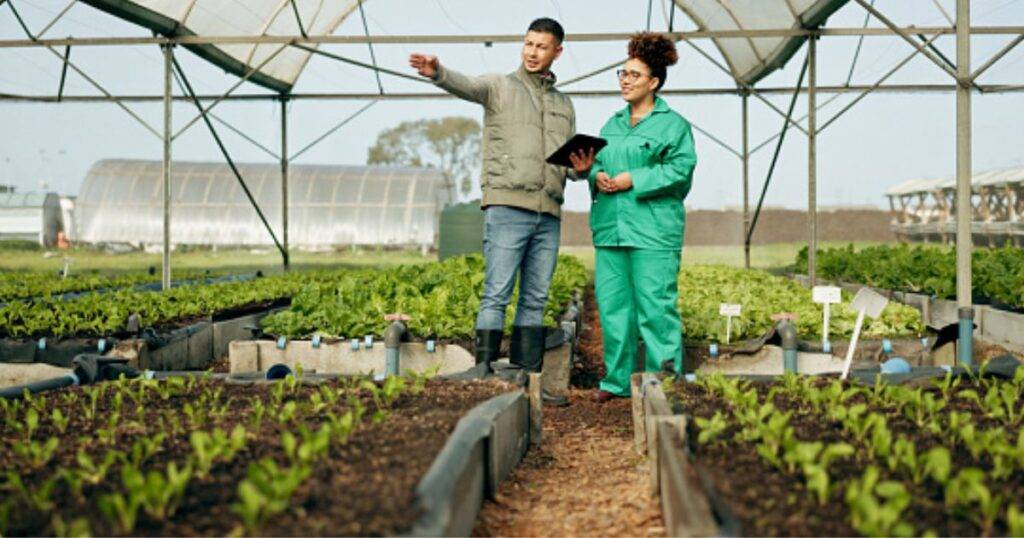
Expanding crop varieties, upgrading technology, and improving cash flow management can increase profits. Your business plan provides a roadmap for scaling operations and staying competitive in the greenhouse industry. With the right strategy, When Were Greenhouses Invented your greenhouse business can become a stable and profitable venture.
Conclusion
Greenhouse farming is a smart and sustainable approach in today’s evolving greenhouse industry, enabling growers to produce high-quality, fresh produce year-round. By creating a controlled environment with proper irrigation, heating, cooling, and ventilation, farmers can reduce risks such as pest infestations, crop loss, and unpredictable weather.A well-structured greenhouse farming business plan is crucial to building a successful greenhouse business. It helps outline everything from crop selection and market analysis to financial projections, cash flow, and operating costs. With proper planning, including a strong financial plan and a clear forecast, growers can reach breakeven faster and improve long-term profitability.
Although the startup costs and initial investment may seem high, the long-term benefits—such as consistent production, better quality control, and access to premium markets like direct-to-consumer, grocer, and plant shops—make it a worthwhile investment.In the coming years, rising demand for fresh, locally grown food will continue to drive greenhouse farming. With the right strategy, dedication, and a strong company plan, you can build a successful, long-lasting greenhouse business that thrives in a competitive market.
FAQ
What is a greenhouse farming business plan?
A greenhouse farming business plan is a detailed document that explains how your greenhouse business will operate. It includes sections such as market analysis, executive summary, operations plan, and financial projections. A good business plan template helps you organize ideas, estimate startup costs, manage cash flow, and plan for long-term profitability in the greenhouse industry.
What are the startup costs for a greenhouse business?
Startup costs for a greenhouse farming business depend on the type of greenhouse, size, and technology used. Expenses include structure setup, irrigation, heating and cooling, labor, and materials. You also need working capital to manage early operating costs. A proper financial plan and forecast in your greenhouse business plan help estimate the total initial investment and plan for breakeven.
Which crops are best for greenhouse farming?
The best crops depend on market trends and target customers, but popular choices include leafy greens, tomatoes, cucumbers, herbs, and flowers. Good crop selection ensures higher profitability and stable demand. Many growers focus on fresh produce for local food, grocery, and direct-to-consumer markets, often following planting schedules to support year-round production.
Is greenhouse farming profitable?
Yes, a successful greenhouse business can be highly profitable with the right market research, pricing strategy, and cost control. By managing operating costs, reducing crop loss, and maintaining quality, growers can achieve strong margins. A detailed greenhouse business plan template with financial projections, P&L, and cash flow helps ensure long-term success and steady income.
What are the main challenges in greenhouse farming?
Common challenges include high startup costs, managing utility expenses, and risks like pest problems, equipment failure, and crop loss. Businesses also face competition from direct competitors and changing market analysis conditions. However, a strong business plan that includes risk Management techniques can assist in overcoming these obstacles and build a sustainable greenhouse operation.