
Choosing the right wheat variety is one of the most important decisions a grower can make to improve yield, quality, and long-term farm success. Different wheat varieties offer unique benefits depending on climate, soil, and end-use, such as bread, pasta, or pastry production. Whether you are cultivating hard red winter, spring wheat, or experimenting with ancient grains like spelt and khorasan, selecting the right seed ensures better harvest outcomes.
From Kansas wheat fields to farms in Idaho, farmers focus on improving grain quality, protein levels, and gluten content to meet the needs of millers, bakers, and the milling and baking industry. The right choice affects everything from wheat flour production to baking bread, creating the perfect loaf, crumb, taste and texture.Understanding whole grains, fiber, and nutritional value is also essential, especially with the rising demand for organic, artisan, and wholesome products. This guide will help you select the best wheat berry or kernel type for maximum productivity and profitability.
Understanding Wheat Types
There are several major types of wheat varieties, each suited for different climates and uses. Hard red types, such as hard red winter and hard red spring, are widely used for bread due to their high protein and strong gluten content, making them ideal for baking bread, sourdough, and pizza dough. These varieties produce a dense, Why Winter Feed Costs chewy texture that many bakers prefer.
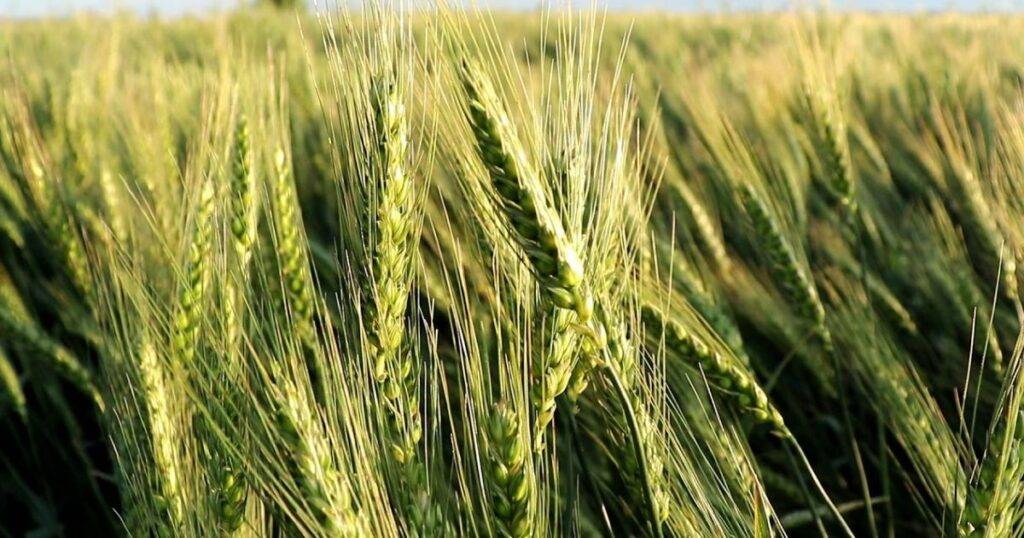
On the other hand, soft white wheat and soft wheat varieties are lower in protein, making them perfect for pastry, cookies, and crackers. Their tender crumb and lighter texture are ideal for delicate baked goods. Hard white and white spring wheat offer a balance, often used in whole-wheat breads with a milder, nutty flavor.Specialty types like durum wheat are essential for pasta, while spelt and khorasan are ancient grains valued for their unique aromatic qualities and nutritional benefits. Each kernel type affects how the grain is processed in the mill, whether for whole-grain flours or purpose flours.
Key Factors to Consider When Choosing Wheat Varieties
Choosing the right wheat variety is essential for achieving high yield, strong quality, and long-term farm success. One of the first factors to consider is climate adaptability. Some wheat varieties, such as hard red winter, perform well in cooler regions, while spring wheat and white spring types are better suited for shorter growing seasons. Matching the variety to your local environment ensures better harvest results.Another key factor is soil compatibility and nutrient availability. Different varieties respond differently to soil conditions, Can Biologicals which directly affects grain development, kernel size, and overall productivity. High-performing varieties often have better nutrient efficiency, resulting in improved protein levels and stronger gluten content, which are important for baking bread, sourdough, and pizza dough.
Disease resistance is also critical. Selecting varieties resistant to common wheat diseases helps reduce crop losses and supports organic farming practices. This leads to more stable yield and lower input costs for the grower. The intended end use should also guide your decision. For example, durum wheat is ideal for pasta, while soft white wheat and other soft wheat types are perfect for cookies, crackers, and pastry due to their tender texture. In contrast, hard red spring and hard white varieties are preferred for whole-wheat breads and artisan products because of their high protein content, dense crumb, and rich, nutty flavor.Finally, always consider using certified seed. It ensures better germination, uniform growth, and consistent grain quality, which is essential for both milling and baking industries. By carefully evaluating these factors, farmers can select the most versatile and profitable wheat varieties for their needs.
Importance of Certified Seeds
Using certified seed is essential for achieving high yield and consistent quality in wheat production. Certified seeds are tested for purity, germination, and disease resistance, giving every grower a strong start at planting. Unlike saved or pre-milled grain, certified seeds ensure uniform kernel size, strong gluten content, and reliable protein levels.This consistency is especially important for the milling and baking industry. Millers depend on high-quality grain to produce fine wheat flour, whether for whole-grain flours, purpose flours, or specialty blends. For bakers, the right flour determines the crumb, texture, and overall success of products like sourdough, 3 Big Things loaf bread, and pizza.
Certified seeds also support organic and sustainable farming practices by reducing the risk of contamination and improving crop health. Whether you are growing hard red spring, soft white, or durum wheat, starting with high-quality seed ensures better harvest, improved nutritional value, and a more wholesome final product.
Traits of High-Performing Wheat Varieties
High-performing wheat varieties share several key traits that directly impact yield, quality, and market value. One of the most important is high protein content, which improves gluten content and makes the wheat suitable for baking bread, sourdough, and artisan products. Strong gluten helps create a better dough, resulting in a well-structured loaf with a desirable crumb.Another important trait is kernel hardness. Harder varieties like hard red produce flour ideal for bread, while softer types create tender baked goods such as cookies and pastry. The taste and texture of wheat products are also influenced by nutty flavor, aromatic qualities, What Is An Agricultural Future and overall grain composition.
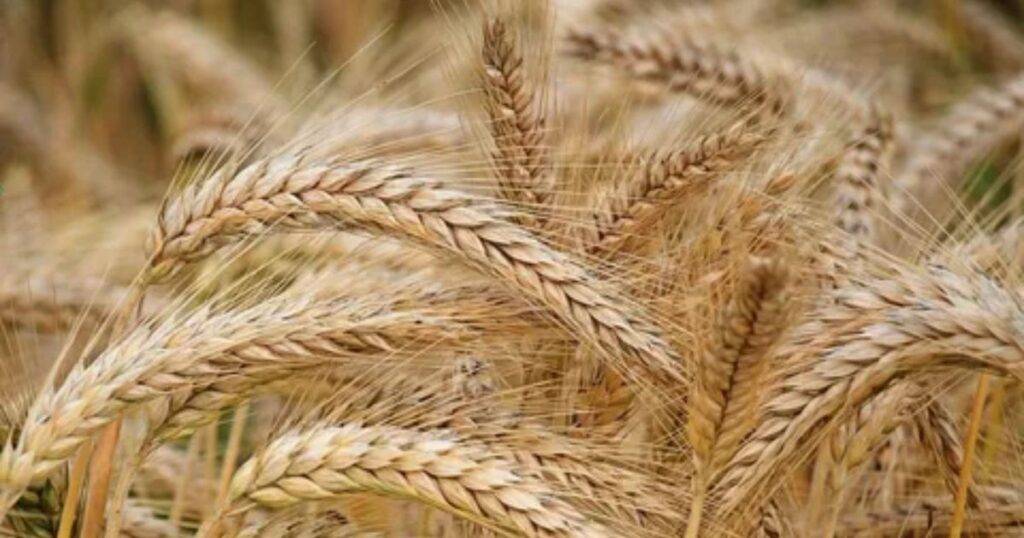
Disease resistance, adaptability, and efficient nutrient use are essential for sustainable crop production. wide modern varieties are bred to improve fiber content and nutritional value, making them more appealing to whole-grain markets. Whether producing whole wheat breads or refined wheat flour, selecting the right traits ensures long-term success.
Long-Term Success and Sustainability
For long-term success, growers must think beyond a single harvest and focus on sustainability. Rotating wheat with crops like rye helps improve soil health, reduce disease, and maintain strong yield levels. Sustainable practices also support the production of organic, wholesome, and nutritious grains, which are increasingly in demand.Exploring ancient grains such as spelt and khorasan can diversify income streams and appeal to niche markets, including artisan bakers and health-conscious consumers. These grains often offer unique taste and texture, higher fiber, and distinctive aromatic qualities.
Understanding the needs of the miller and baker is also key. From milling and baking performance to final products like crackers, cereal, and bread, every step depends on the initial wheat variety chosen. By focusing on the right seed, proper cultivationcultivation practices, and matching varieties to their end use, growers can ensure long-term profitability and resilience.
Practical Tips for Farmers
For any grower, selecting and managing the right wheat variety requires practical planning and consistent observation. Start by testing a few wheat varieties on a small portion of your land before full-scale planting. This allows you to compare yield, grain quality, and disease resistance under your local conditions.Always choose certified seed to ensure strong germination, 10 Stunning Early Spring uniform crop growth, and better harvest results. Pay attention to soil preparation and nutrient management, as healthy soil improves kernel development, protein levels, and overall gluten content important for milling and baking performance.
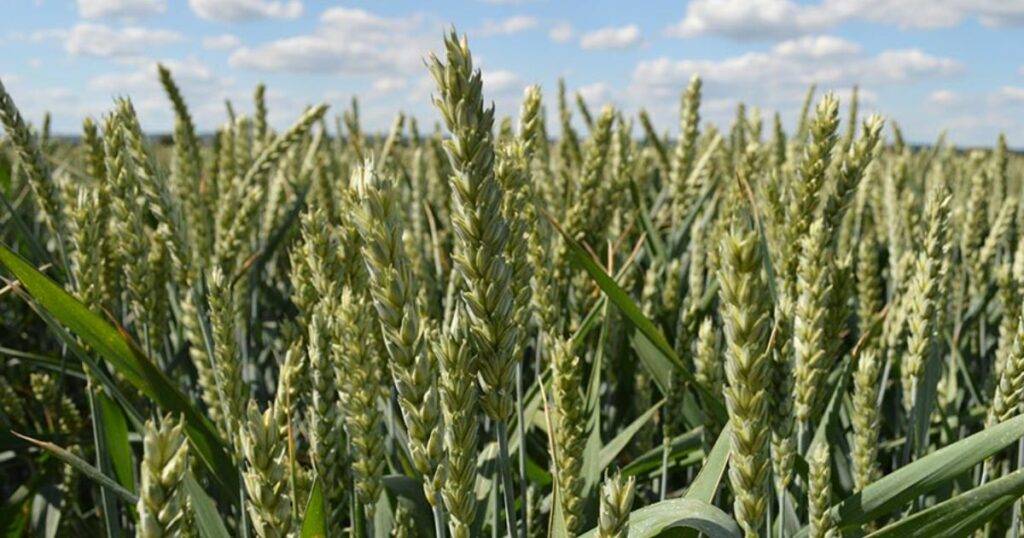
Timing is also crucial. Planting at the right time helps the crop develop properly, especially for varieties like hard red winter or spring wheat. Monitor weather conditions and adjust practices accordingly to protect your grain from stress.Keep detailed records of each season, including yield, quality, and performance of different varieties. This helps you make better decisions over time. Also, consider market demand whether for bread, pasta, or pastry to choose varieties with the best end-use value.By following these simple yet effective tips, farmers can improve productivity, maintain wholesome crops, and achieve long-term success.
Conclusion
Choosing the best wheat varieties is a strategic decision that affects every stage of productionfrom planting and harvest to milling and baking. Whether you grow hard red winter, white spring, or specialty types like durum wheat, your choice determines the final grain quality, protein, and gluten content.The right variety ensures higher yields, improved nutritional value, and superior performance in products such as bread, pasta, and pastry. What Soil is Best For Growing Soybeans It also helps meet the demands of modern consumers who seek whole grains, organic, and artisan foods with rich, nutty flavor and excellent texture.
By selecting certified seed, understanding end-use, and focusing on sustainability, every grower can produce high-quality wheat flour that satisfies both millers and bakers. In the end, the right decision leads to a more versatile, profitable, and future-ready farming system.
FAQ
Which wheat variety is best for high yield?
The best wheat variety for high yield depends on your region and climate. Generally, hard red winter and hard red spring varieties are known for both high yields and high protein content, making them popular among farmers and millers.
What wheat is best for bread making?
For baking bread, varieties like hard red, hard white, and hard red spring are ideal due to their high gluten content and strong dough structure. These produce a good loaf with a firm crumb and rich taste and texture.
Which wheat is used for pasta production?
Durum wheat is the best choice for pasta because of its hard kernel, high protein, and firm texture. It produces a dense, durable final product that retains its shape during cooking.
Is soft wheat good for baking?
Yes, soft wheat and soft white wheat are excellent for cookies, crackers, and pastry. Their lower protein content gives them a tender, soft texture, perfect for delicate baked goods.
Why is certified seed important in wheat farming?
Using certified seed ensures better germination, uniform growth, and disease resistance. It improves overall grain quality, making it more suitable for milling and baking, and increasing market value for the grower.