


Potassium is one of the most important nutrients in agriculture. Along with nitrogen and phosphorus, it forms the foundation of plant nutrition. Farmers and gardeners who understand how to use potassium effectively can significantly improve crop yield, plant health, and soil quality. While potassium is naturally present in many soils, it often becomes depleted after repeated crop cycles, making proper management essential.
Potassium plays a critical role in plant processes, including water regulation, enzyme activation, photosynthesis, and nutrient transport. Crops with sufficient potassium are generally more resistant to disease, drought, and temperature stress. On the other hand, potassium deficiency can lead to weak plants, poor fruit development, and reduced potassium level Power of Potassium productivity.
The Role of Potassium in Soil and Plants
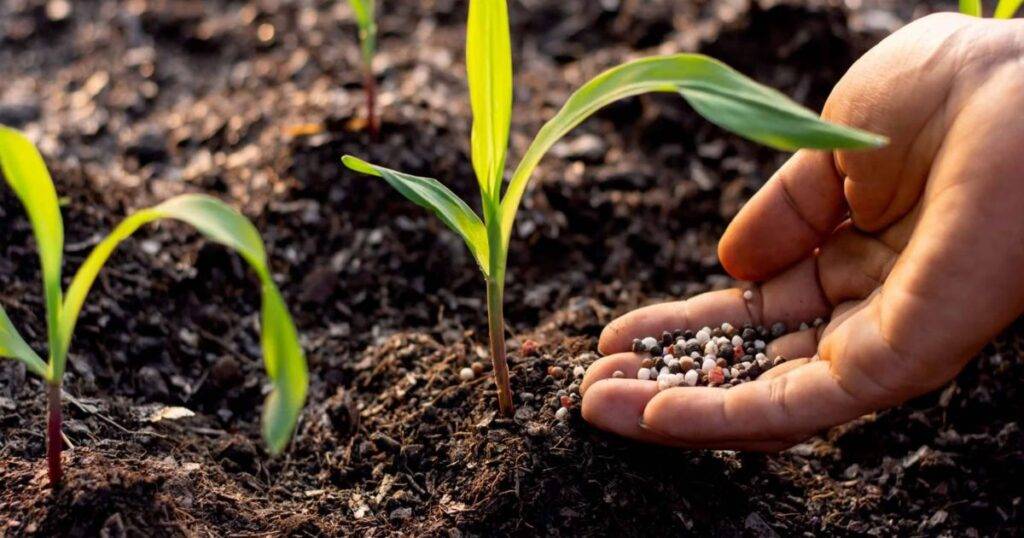 Before exploring the strategies, it is important to understand why potassium matters. Potassium is a macronutrient that plants require in relatively large quantities. Unlike nitrogen, potassium does not become part of amount of potassium plant structures. Instead, it regulates many physiological processes.
Some of the key roles of potassium in plants include:
- Improving water-use efficiency
- Strengthening plant cell walls
- Activating enzymes responsible for growth
- Enhancing photosynthesis
- Supporting carbohydrate movement from leaves to fruits
- Increasing resistance to diseases and pests
Plants absorb potassium from the soil in the form of potassium ions (K⁺). However, only a small portion of soil potassium is immediately available to plants. The rest is locked within minerals or organic matter and becomes available potassium intake gradually. Because of this, farmers must manage potassium carefully to maintain a balanced and productive soil blood pressure ecosystem.
Conduct Regular Soil Testing
Conducting regular soil testing is an essential practice for maintaining healthy and productive farmland. Soil tests reveal important information about nutrient levels, pH balance, and organic matter content. By understanding these factors, farmers and gardeners can make knowledgeable choices regarding soil, crop selection, and fertilizer use. amendments.
Regular testing helps prevent nutrient deficiencies or excesses that can harm plant growth and reduce yields. It also supports sustainable farming by minimizing unnecessary fertilizer applications and protecting the environment from runoff. Ideally, soil should be tested at least once every one to two years to monitor changes and maintain optimal growing Power of Potassium conditions for kidney crops.
Why Soil Testing Matters
Soil tests help determine:
- Available potassium levels
- Soil pH and nutrient balance
- Fertilizer requirements
- Long-term soil fertility trends
Many agricultural experts recommend testing soil at least once every one to two years. For high-value crops, testing before each planting season can provide even more precise nutrient potassium supplement management.
Benefits of Soil Testing
Regular soil testing helps farmers:
- Apply the right amount of fertilizer
- Reduce nutrient waste
- Improve crop productivity
- Maintain long-term soil health
When farmers base fertilizer decisions on accurate soil data, they can achieve better results while protecting the low potassium environment.
Use Potassium-Rich Fertilizers Wisely
 Potassium is a vital nutrient that benefits plants. grow stronger, regulate water, and resist disease. Using potassium-rich fertilizers wisely ensures crops receive the right balance of nutrients without harming the soil. Farmers and gardeners should first test their soil to determine potassium levels before applying fertilizers. Overuse can lead to nutrient imbalance and wasted resources, while proper application supports healthy roots, better fruit quality, and improved yield.
Organic sources like compost, wood ash, and potassium much potassium sulfate can provide steady nutrition for plants. Applying fertilizers at the right time—such as during active growth—helps plants absorb nutrients efficiently, promoting sustainable farming and long-term soil kidney disease fertility.
Common Potassium Fertilizers
Common potassium fertilizers are essential for improving plant growth, crop yield, and overall soil fertility. Popular options include Potassium Chloride (muriate of potash), Potassium Sulfate, and Potassium Nitrate. These fertilizers supply plants with potassium, a key nutrient that strengthens roots, enhances water regulation, and increases resistance to disease and drought. Farmers choose different potassium sources depending on crop needs, soil conditions, and sensitivity to chloride. Proper use helps maintain balanced nutrition and supports productive, healthy high blood pressure crops.
Potassium Chloride (Muriate of Potash)
Potassium Chloride (Muriate of Potash) is one of the most widely used potassium fertilizers in agriculture. It contains about 60–62% potassium oxide (K₂O), making it a highly concentrated and cost-effective source of potassium for crops. Potassium chloride helps improve plant growth, strengthen stems, enhance water regulation, and increase resistance to drought and disease. Farmers commonly apply it to crops such as corn, wheat, soybeans, and sources of potassium potatoes to improve yields and overall plant health.
Potassium Sulfate
This fertilizer supplies both potassium and sulfur. It is often preferred for crops that are sensitive to chloride. This fertilizer provides both potassium and nitrogen, making it useful for certain crops that require both levels of potassium high potassium Power of Potassium nutrients.
Best Practices for Fertilizer Application
To maximize the benefits of potassium fertilizers:
- Apply fertilizers according to soil test recommendations
- Avoid over-application
- Use split applications during the growing season
- Place fertilizer close to the root zone
Using potassium fertilizers responsibly ensures plants receive the nutrients they need without causing soil nutrient imbalances.
Improve Soil Organic Matter
Improving soil organic matter is one of the most effective ways to build healthy, productive soil. Organic matter comes from decomposed plant residues, animal manure, compost, and other natural materials. When added to soil, it boosts water retention, strengthens soil structure, and makes nutrients more accessible to plants. Higher organic matter levels also support beneficial microorganisms that help break down nutrients and protect plants from diseases.
Farmers and gardeners can improve soil organic matter by applying compost, planting cover crops, reducing tillage, and leaving crop residues in the field. Over time, these practices create richer soil that supports stronger plant growth, better yields, and greater resilience against heart disease drought, erosion, and soil degradation.
Sources of Organic Matter
Organic matter in soil comes from a variety of natural and agricultural sources. Common sources include plant residues such as leaves, roots, and crop stubble, as well as animal manure and compost. Green manures and cover crops also contribute valuable organic material when they decompose. Additionally, microorganisms, insects, and other soil organisms break down these materials, enriching the soil.
These sources improve soil structure, enhance nutrient availability, increase water retention, and support healthy microbial activity, all of which are essential for productive and sustainable get enough potassium farming.
Benefits of Organic Matter for Potassium Management
Adding organic matter helps:
- Improve soil fertility
- Increase nutrient-holding capacity
- Enhance microbial activity
- Reduce nutrient leaching
Healthy soils with high organic matter content are better able to supply potassium naturally, reducing the need for excessive mg of potassium fertilizer use.
Practice Crop Rotation and Cover Cropping
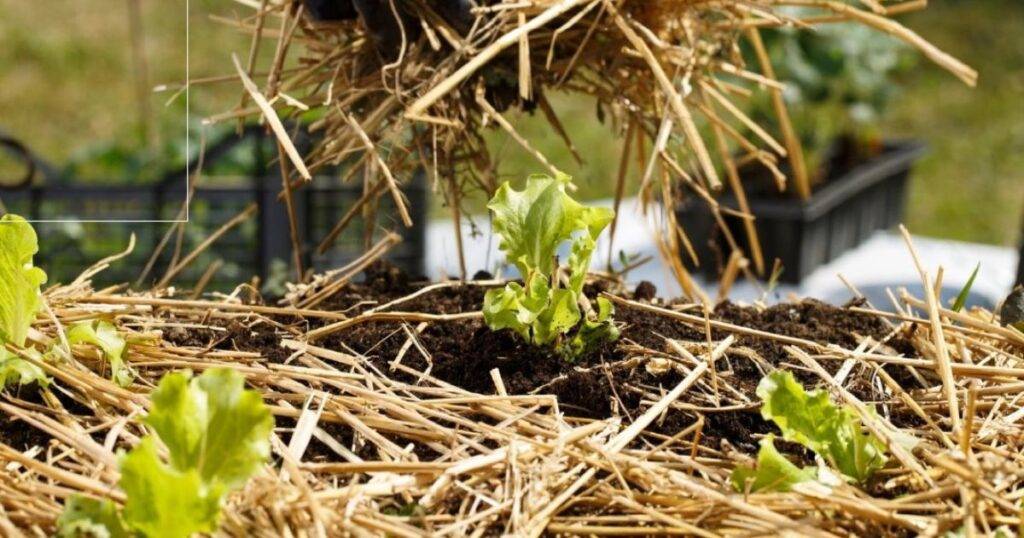 Practicing crop rotation and cover cropping is a powerful strategy for improving soil health and farm productivity. Crop rotation is the practice of cultivating various crops in the same field across seasons, which helps break pest and disease cycles while balancing soil nutrients. Cover crops, such as clover, rye, or legumes, are planted during off-seasons to protect the soil from erosion and nutrient loss. They also add organic matter, improve soil structure, and support beneficial soil organisms.
Together, these practices enhance soil fertility, reduce the need for chemical fertilizers, and promote sustainable farming. Farmers who frequently use cover crops and agricultural rotation often see healthier soils, stronger plants, and more resilient agricultural salt substitutes systems.
Benefits of Crop Rotation
Crop rotation helps farmers:
- Reduce nutrient depletion
- Improve soil structure
- Break pest and disease cycles
- Increase nutrient availability
Role of Cover Crops
Cover crops are plants planted more for soil improvement and protection than for harvest. Some cover crops help recycle potassium from deeper soil chronic kidney disease layers. Examples of beneficial cover crops include:
- Rye
- Clover
- Alfalfa
- Buckwheat
These plants capture nutrients that might otherwise be lost and return them to the soil when they decompose.By combining crop rotation with cover cropping, farmers create a natural nutrient high levels of potassium cycle that improves potassium availability and long-term soil health.
Manage Soil Moisture and pH.
Managing soil moisture and pH is essential for healthy plant growth and productive farming. Proper soil moisture ensures that plant roots can absorb water and nutrients efficiently, while balanced pH levels help nutrients remain available in the soil. Farmers and gardeners can maintain moisture by mulching, properly irrigating, and adding organic matter. Regular soil testing helps monitor pH levels and determine whether amendments such as lime or sulfur are needed.
When moisture and pH are well managed, crops develop stronger roots, grow more evenly, and resist stress better. By maintaining the right balance, growers can improve soil fertility, increase much potassium you need crop yields, and support long-term soil health and american heart association sustainability.
Soil Moisture Management
Soil Moisture Management is the practice of maintaining optimal soil moisture levels to support healthy plant growth and maximize crop yield. It involves techniques like proper irrigation, mulching, soil amendments, and drainage control to prevent overwatering or drought stress. Effective soil moisture management enhances nutrient availability, improves soil structure, and reduces erosion. By monitoring and adjusting water levels according to soil type, weather conditions, and crop needs, farmers can promote sustainable agriculture and ensure long-term soil potassium is a mineral health.
Importance of Soil pH
Soil pH also affects nutrient availability. The majority of crops thrive in neutral to slightly acidic soils, typically with a pH of 6.0 to 7.0.If soil becomes too acidic or too alkaline, potassium availability may decrease. Farmers can adjust soil pH using amendments such as lime or sulfur based on soil test heart palpitations results.
Benefits of Proper Soil Management
Maintaining balanced soil conditions helps:
- Improve nutrient uptake
- Support root growth
- Increase fertilizer efficiency
- Promote healthy plant development
Proper soil management ensures that increasing potassium potassium remains accessible to plants throughout the growing potassium may season.
Signs of Potassium Deficiency in Crops
Even with careful management, potassium deficiencies can still occur. Recognizing the symptoms early helps farmers correct the problem before it affects crop potassium helps yields. Common signs of potassium deficiency include:
- Yellowing or browning at leaf edges
- Weak plant stems
- Slow growth
- Poor fruit quality
- Increased susceptibility to pests and diseases
These symptoms often appear first on older leaves because potassium moves from older tissues to support new growth. If deficiency symptoms appear, soil testing and appropriate fertilization can quickly restore nutrient body needs balance.
The Role of Potassium in Sustainable Farming
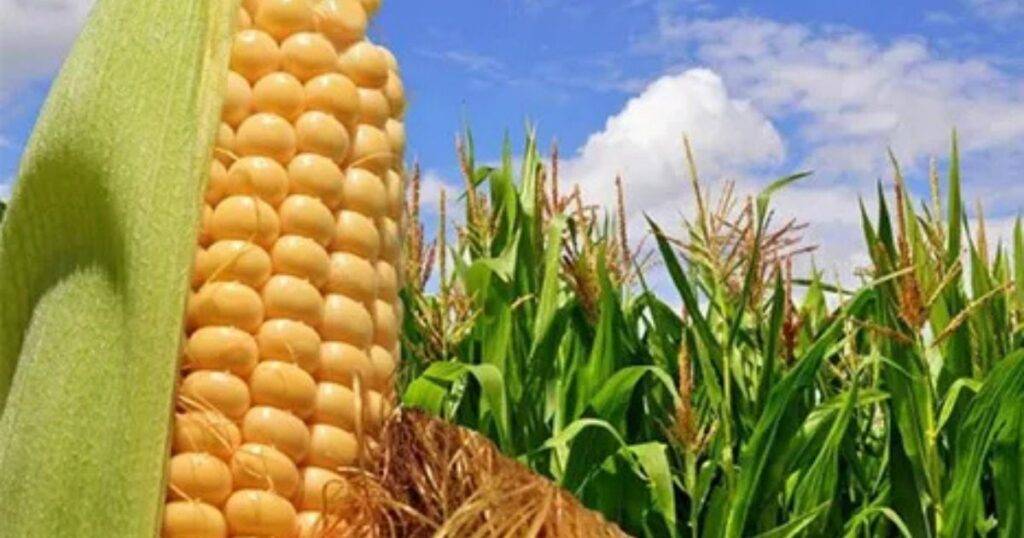 Potassium management is not only about improving crop yields. It is also essential for building sustainable blood potassium levels agricultural systems.Balanced potassium nutrition contributes to:
- Better drought tolerance
- Stronger root systems
- Improved nutrient efficiency
- Reduced environmental impact
Healthy soils rich in nutrients support resilient crops that can withstand environmental stresses and a treat high blood pressure changing climate.Farmers who adopt sustainable potassium management practices often see long-term improvements in soil productivity and farm profitability.
Practical Tips for Farmers
To maximize the low potassium levels benefits of potassium, farmers can follow these practical guidelines:
- Test soil regularly to monitor potassium levels.
- Apply fertilizers based on scientific recommendations.
- Add organic matter to improve soil fertility.
- Use crop rotation and cover crops to recycle nutrients.
- Maintain proper soil moisture and pH levels.
Combining these strategies creates a balanced soil ecosystem that supports healthy crops and sustainable farming practices.
Improve Soil Structure and Organic Matter
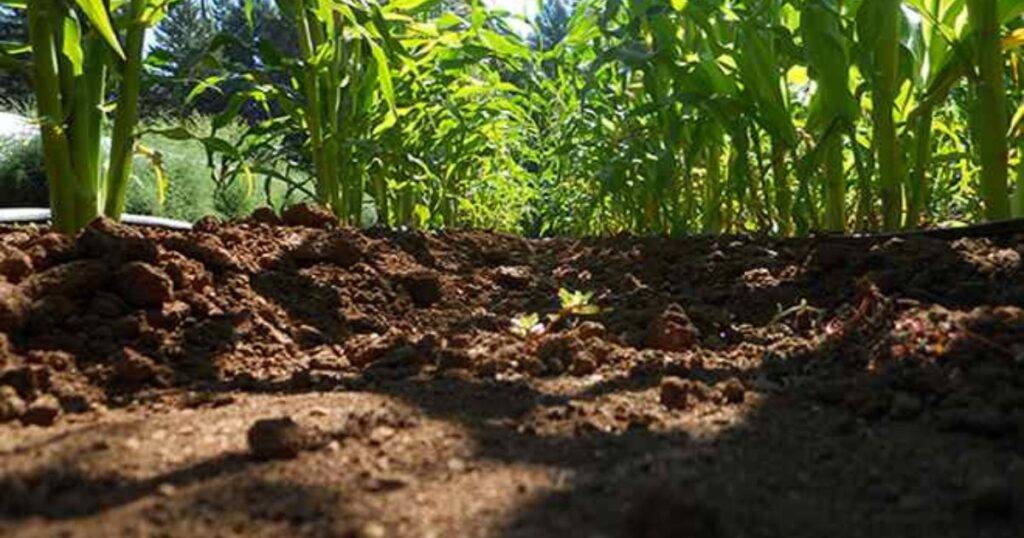 Healthy soils with good potassium is also structure retain nutrients, including potassium, more effectively. Soil structure refers to how soil particles are arranged and how well they allow water, air, and roots to move through the sodium and potassium soil.
Soils with high organic matter content tend to hold potassium better than degraded soils. Organic matter acts like a sponge, helping soils store nutrients and release them gradually to higher potassium plants. dding compost, cover crops, and crop residues can significantly increase organic matter levels. When added to the soil, cover crops, including brassicas, legumes, and grasses, prevent soil erosion and provide important biomass.
Implement Crop Rotation and Diverse Cropping Systems
Crop rotation is another powerful strategy for optimizing potassium use and maintaining soil fertility. Different crops absorb nutrients at different rates, and rotating crops helps balance nutrient Power of Potassium demand.
Some crops are heavy potassium feeders, meaning they remove large amounts of potassium from the soil. Examples include potatoes, tomatoes, bananas, and many fruit crops. Growing these crops repeatedly in the same field can quickly deplete heart health potassium reserves.
Environmental Benefits of Proper Potassium Management
Efficient potassium management not only improves crop productivity but also protects the environment. Excess fertilizer use can contribute to nutrient runoff, soil imbalance, and unnecessary production costs.
Sustainable potassium management focuses on using the right source, rate, time, and placement—often referred to as the “4R nutrient stewardship” extra potassium approach.
Conclusion:
Potassium is a powerful nutrient that plays a vital role in plant growth, crop productivity, and soil health. By understanding how potassium works and adopting effective management practices, farmers can unlock its full mg of potassium per day potential.
Regular soil testing, responsible fertilizer use, organic matter enrichment, crop rotation, and proper soil management are five key ways to harness potassium’s power. Together, these strategies ensure that crops receive the nutrients they need while maintaining long-term soil fertility. In today’s agriculture, where sustainability and productivity must go hand in hand, potassium management has never been more important. Farmers who invest in balanced nutrient management will not only produce healthier crops but also build stronger, more resilient soils for the future.
FAQ:
What is Potassium in the Context of plant Nutrition?
Potassium (K) is one of the three primary macronutrients essential for plant growth, alongside nitrogen (N) and phosphorus (P). It regulates water uptake, enzyme activation, and overall plant metabolism, ensuring healthy growth and strong potassium chloride yields.
Why is Potassium Important for Crops?
Potassium strengthens plant cell walls, improves drought resistance, and enhances nutrient and water transport. It also supports flowering, fruiting, and overall crop quality.
How does Potassium Affect soil Health?
Potassium helps maintain soil fertility by balancing nutrient availability. It interacts with other nutrients, such as nitrogen and phosphorus, ensuring efficient uptake and reducing nutrient high in potassium leaching.
Can too much Potassium harm Plants?
Yes. The absorption of other nutrients may be hampered by excess potassium. such as magnesium and calcium, potentially causing imbalances and reduced crop health.
Which Crops Benefit the most Power of Potassium?
High-yielding and fruiting crops such as tomatoes, potatoes, bananas, and cereals benefit significantly from adequate potassium citrate potassium levels.
