
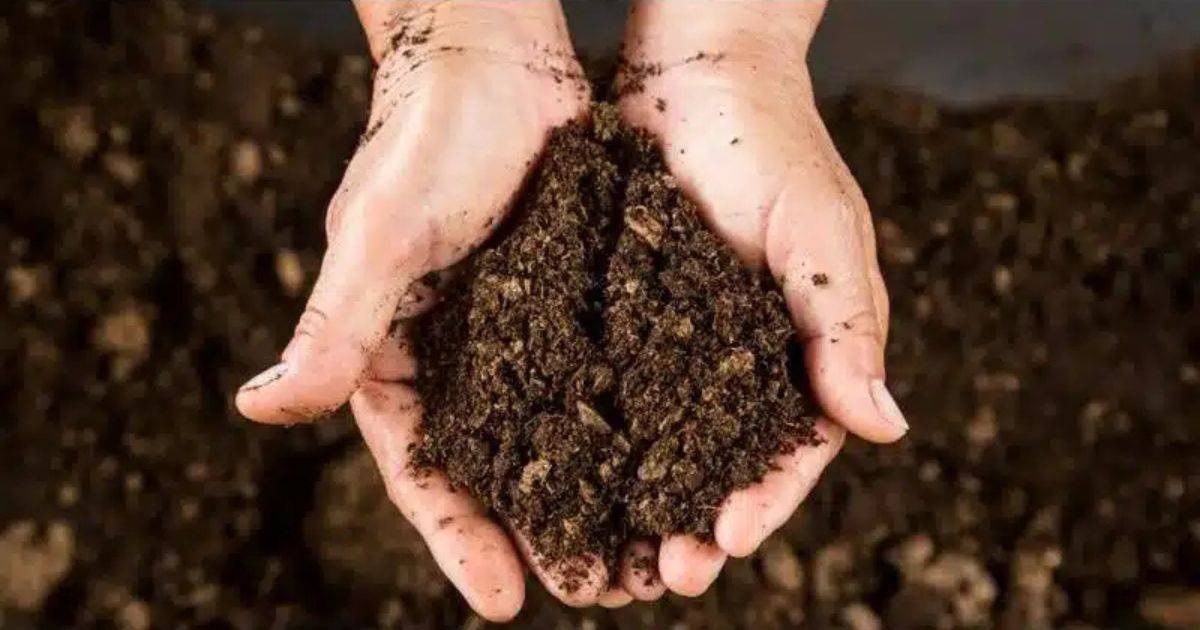
Soil is the foundation of every successful farm. Healthy soil supports plant growth, improves crop yields, conserves water, and promotes long-term sustainability. Farmers who invest in soil health practices often see better productivity, stronger crops, and improved resilience against climate stress. In modern agriculture, maintaining soil health is more important than ever because continuous farming, chemical overuse, and erosion can degrade soil quality over soil health time.
Healthy soil is rich in organic matter, beneficial microorganisms, nutrients, and a stable structure that allows air and water to move freely. When farmers focus on improving these qualities, they create an environment where crops can thrive naturally. Soil health practices not only benefit plants but also support ecosystems, reduce environmental damage, and increase farm profitability.
Soil Health
Before implementing soil health practices, it is important to understand what soil health actually means. Soil health refers to the soil’s ability to function as a living ecosystem that sustains plants, animals, and humans. Healthy soil contains balanced nutrients, beneficial microbes, organic matter, and proper soil management practices structure.
There are several key indicators of healthy soil:
- High organic matter content
- Good soil structure and aeration
- Balanced nutrient levels
- Active microbial life
- Proper moisture retention
- Minimal erosion and compaction
When soil health declines, crops may struggle to grow, fertilizers become less effective, and the land becomes more vulnerable to erosion and drought. Farmers who prioritize soil health management can maintain fertile land for conservation generations.
Importance of Soil Health in Farming
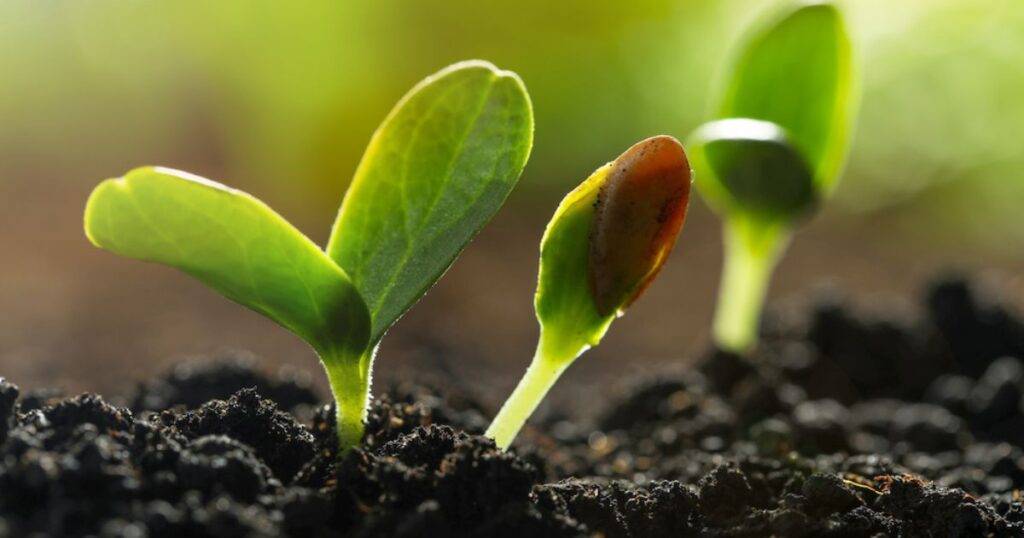
Soil health is a key foundation for successful and sustainable farming. Healthy soil contains balanced nutrients, beneficial microorganisms, organic matter, and good structure that support strong plant growth. It improves water retention, reduces erosion, and helps crops withstand drought and pests. Farmers who maintain soil health often see higher yields, better crop quality, and lower input costs because the soil naturally supplies soil health management nutrients.
Practices such as crop rotation, composting, cover cropping, and reduced tillage help protect and improve soil over time. By caring for soil health, farmers ensure long-term productivity, protect the environment, and support sustainable food production for future generations while maintaining the natural balance of the crop farming ecosystem.
Improved Crop Yield
Improved crop yield refers to the increase in the quantity and quality of agricultural produce achieved through effective farming practices. By optimizing soil health, utilizing high-quality seeds, implementing proper irrigation, and managing pests and diseases, farmers can enhance plant growth and productivity. Improved crop yields not only boost food supply but also increase farm profitability and sustainability. Adopting modern techniques and precision agriculture ensures that crops reach their full potential, supporting both local and soil organic matter global food security.
Better Water Retention
Better soil water retention ensures moisture remains available to crops longer, reducing the need for frequent irrigation. By improving soil structure and increasing organic matter, plants experience less drought stress, grow stronger roots, and maintain healthier foliage. Enhanced water-holding capacity also supports beneficial microbial activity, boosts nutrient availability, and promotes sustainable farming practices. Overall, better water retention leads to higher yields, resource efficiency, and resilient, productive cover crop farmland.
Crop Rotation for Soil Health
Crop rotation is a smart farming practice that involves growing different crops in the same field in a planned sequence over several seasons. This method helps maintain soil fertility, reduce pest and disease buildup, and improve overall soil structure. By alternating crops with different nutrient needs—such as legumes, grains, and root crops—farmers can naturally balance soil nutrients and reduce the need for chemical fertilizers.
Legumes, for example, add nitrogen back into the soil, benefiting the next crop. Crop rotation also helps control weeds and prevents soil exhaustion. Over time, this sustainable practice leads to healthier soil, stronger plants, and more productive healthy soil farms.
Benefits of Crop Rotation
- Prevents nutrient depletion
- Reduces pest and disease buildup
- Improves soil fertility
- Enhances soil structure
For example, rotating nitrogen-fixing legumes such as beans or peas with cereal crops like corn or wheat can replenish soil nitrogen levels naturally. A typical rotation keep soil system improve soil health might include:
- Year 1: Corn
- Year 2: Soybeans
- Year 3: Wheat or cover crops
By diversifying crops, farmers maintain soil balance and prevent long-term fertility soil to function problems.
Cover Cropping
Cover crops are plants grown primarily to protect and improve soil rather than for harvest. Common cover crops include clover, rye, vetch, and radishes.
Benefits of Cover Crops
- Prevent soil erosion
- Improve soil fertility
- Increase organic matter
- Suppress weeds
- Enhance soil microbial activity
Cover crops also improve soil structure by adding root biomass and organic material. When these plants decompose, they release nutrients that benefit future crops.Some farmers plant cover crops during the off-season, especially after harvesting cash crops. This ensures that soil remains protected and productive natural resources conservation service year-round.
Composting and Organic Matter Addition
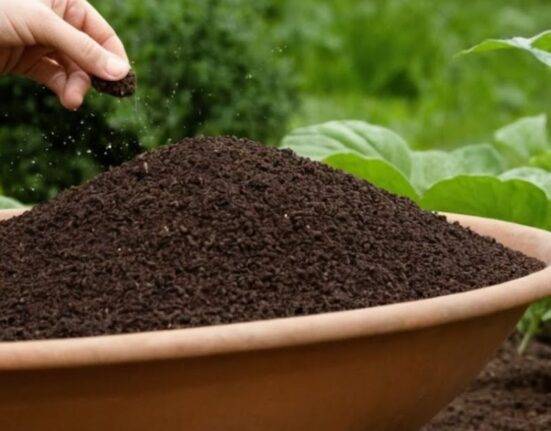
Composting and Organic Matter Addition are essential practices for improving soil health and farm productivity. This compost can be added to soil to increase organic matter, enhance soil structure, and support beneficial microorganisms. Adding organic matter improves water retention, boosts nutrient availability, and helps plants grow stronger roots.
It also reduces waste by recycling natural materials back into the soil. Farmers and gardeners use compost and organic amendments to build fertile, sustainable soils that support healthy crops while reducing the need for chemical soil health practice fertilizers.
Benefits of Compost
- Improves soil structure
- Increases nutrient availability
- Enhances microbial activity
- Improves water retention
Farmers often use compost, along with manure and plant residues, to naturally enrich soil. Organic matter feeds beneficial microorganisms that play a key role in maintain soil health nutrient soil organism cycling.Regular compost application can gradually rebuild soil fertility and reduce dependence on synthetic soil erosion fertilizers.
Conservation Tillage
Tillage is commonly used to prepare soil for planting, but excessive tillage can damage soil structure and lead to erosion. Conservation tillage methods minimize soil disturbance while management practices maintaining soil structure productivity.
Types of Conservation Tillage
- No-till farming – Crops are planted without disturbing the soil.
- Reduced tillage – Only minimal soil disturbance occurs.
- Strip tillage – Tillage is performed only where seeds are planted.
Benefits of Conservation Tillage
- Preserves soil structure
- Reduces erosion
- Maintains soil moisture
- Increases organic matter
By reducing soil disturbance, farmers protect soil microorganisms and improve long-term soil health.
Soil Testing and Nutrient Management
Regular soil testing helps farmers understand nutrient levels and soil conditions. This information allows farmers to apply fertilizers efficiently and avoid nutrient imbalances.
Soil tests typically measure:
- Nitrogen
- Phosphorus
- Potassium
- Soil pH
- Organic matter
Benefits of Soil Testing
- Prevents over-fertilization
- Saves money on inputs
- Improves crop productivity
- Protects environmental health
By adjusting fertilizer use based on soil test results, farmers ensure that crops receive the right nutrients at the right time.
Integrated Livestock Management
Integrated Livestock Management is a farming approach that combines livestock production with crop and land management to create a balanced, efficient agricultural system. In this method, animals, crops, soil, and natural resources work together to improve productivity and sustainability. Livestock provide manure that enriches soil fertility, while crop residues can be used as animal feed, reducing waste and input costs. This system helps maintain healthy soil, improves nutrient cycling, and supports biodiversity on farms.
Farmers who adopt integrated livestock management often experience better resource use, increased farm resilience, and improved long-term profitability. By connecting animals with crop production, this method promotes environmentally friendly farming while supporting stable food production.
Benefits of Livestock Integration
- Adds organic matter through manure
- Improves soil fertility
- Encourages plant diversity
- Supports nutrient cycling
Rotational grazing systems allow livestock to graze in controlled areas while giving soil fertility pastures time to recover. This practice promotes healthier soil and stronger pasture soil health principles soil properties growth.
Preventing Soil Erosion
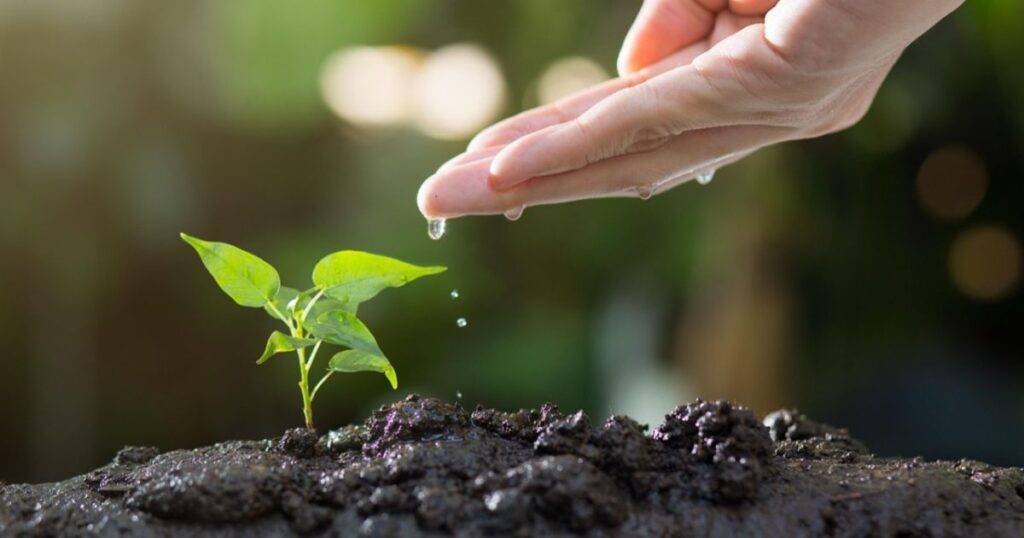 Soil erosion is a soil health management major threat to agricultural productivity. Wind and water can remove nutrient-rich topsoil, leaving land less fertile and harder to farm.
Methods to Prevent Soil Erosion
- Planting cover crops
- Using windbreaks or hedgerows
- Practicing contour farming
- Maintaining crop residue on fields
- Building terraces on slopes
Protecting topsoil is essential because it contains the majority of nutrients and organic matter needed for increase soil organic matter plant growth.
Improving Soil Biodiversity
Millions of microorganisms, such as bacteria, fungi, and earthworms, can be found in soil. These organisms play a critical role in maintaining soil fertility and structure.
Benefits of Soil Biodiversity
- Enhances nutrient cycling
- Improves soil structure
- Supports plant health
- Reduces disease risk
Farmers can encourage soil biodiversity by reducing chemical inputs, adding organic matter, and maintaining plant diversity. Healthy soil ecosystems naturally support crop growth and reduce the need for external inputs.
Efficient Water Management
Water is essential for reduce soil soil health and crop productivity. Poor water management can lead to improved soil soil erosion, nutrient leaching, and reduced yields.
Water Management Practices
- Drip irrigation systems
- Rainwater harvesting
- Mulching to retain moisture
- Proper drainage systems
Soils rich in organic matter retain moisture better, which helps crops survive during dry increase soil periods. Efficient irrigation also prevents waterlogging and nutrient loss.
Using Mulching for Soil Protection
Mulching involves covering soil with organic or inorganic materials such as straw, leaves, soil carbon soil disturbance wood chips, or plastic.
Benefits of Mulching
- Retains soil moisture
- Reduces weed growth
- Regulates soil temperature
- Prevents erosion
Organic mulches eventually decompose, adding nutrients to the soil and further improving fertility.
Managing Soil Compaction
Soil compaction occurs when heavy machinery or livestock compresses the soil, reducing pore space and limiting root conservation practices growth.
Ways to Prevent Soil Compaction
- Avoid farming when the soil is wet
- Use controlled traffic farming
- Grow deep-rooted plants
- Reduce heavy machinery use
Healthy soil should have enough pore space for air, water, and roots to move freely. Preventing soil cover compaction improves plant growth and microbial soil management activity.
Role of Organic Farming in Soil Health
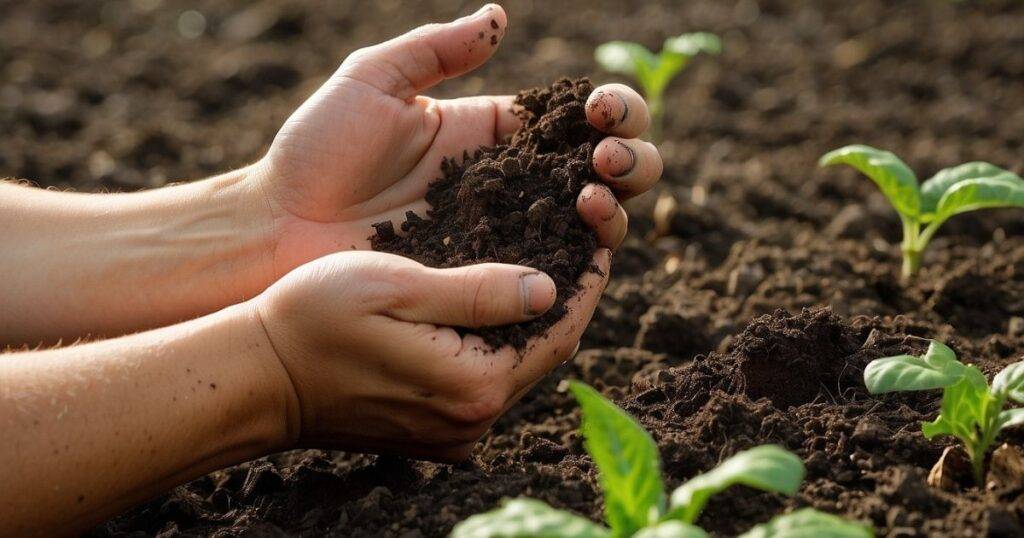 Organic farming plays a vital role in maintaining and enhancing soil health. By avoiding synthetic chemicals and emphasizing natural inputs like compost, manure, and cover crops, it improves soil structure, fertility, and microbial diversity. Practices such as crop rotation, intercropping, and reduced tillage help prevent erosion, retain moisture, and promote nutrient cycling. Organic methods encourage beneficial organisms, enhance carbon sequestration, and reduce chemical residues that can harm the soil ecosystem.
Over time, these practices build resilient, productive soils that sustain healthy crops while supporting environmental sustainability. Organic farming, therefore, is a key strategy for long-term soil aggregates soil conservation and agricultural sustainability.
Advantages of Organic Farming for Soil
- Increases organic matter
- Supports beneficial microbes
- Reduces chemical contamination
- Promotes long-term soil sustainability
Although organic farming soil microbes may require more management, it often leads to healthier soil and more resilient farming systems.
Climate-Smart Soil Practices
Climate change is affecting agriculture through droughts, floods, and extreme weather events. Climate-smart soil practices help farms adapt to these soil function challenges.
Climate-Smart Strategies
- Increasing soil organic carbon
- Using drought-resistant crops
- Implementing water conservation techniques
- Maintaining vegetation cover
Healthy soil acts as a carbon sink, storing carbon and reducing greenhouse gas emissions. This makes soil health management an important tool in climate mitigation.
Benefits of Long-Term Soil Health Management
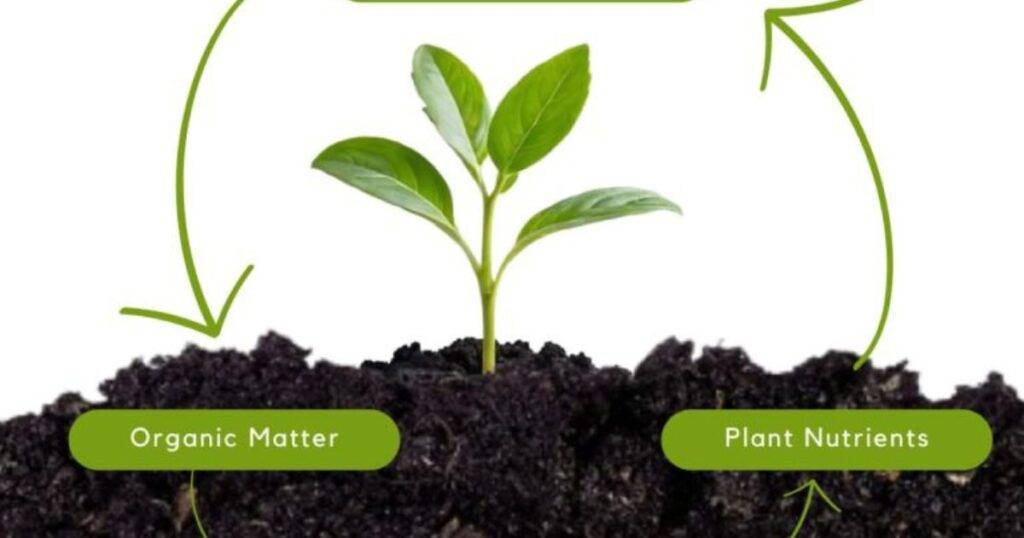 Long-term soil health management is essential for sustainable and productive farming. By adopting practices such as crop rotation, cover cropping, reduced tillage, and organic amendments, farmers improve soil structure, fertility, and water retention. Healthy soils support robust plant growth, increase nutrient availability, and enhance resilience against pests, diseases, and extreme weather.
Over time, these practices reduce dependency on chemical fertilizers, lower production costs, and promote environmental stewardship by preventing erosion and protecting water quality. Additionally, maintaining soil carbon levels contributes to climate mitigation. Investing in long-term soil health ensures consistent yields, stronger ecosystems, and a sustainable foundation for future agricultural success.
Key Benefits
- Higher crop yields
- Reduced fertilizer costs
- Improved drought resistance
- Better soil fertility
- Increased farm profitability
Healthy soil also supports biodiversity, protects water resources, and improves environmental sustainability.Investing in soil health today ensures that farmland remains productive for future reduce soil erosion generations.
The Future of Soil Health in Agriculture
The future of agriculture depends heavily on soil health. As the global population grows, farmers must produce more food while protecting natural resources. Technological advancements such as precision agriculture, soil sensors, and satellite monitoring are helping farmers manage soil more efficiently. These tools allow farmers to monitor soil conditions and apply resources precisely where needed.
Conclusion:
Soil health is the cornerstone of productive and sustainable farming. Healthy soil supports plant growth, improves water retention, promotes biodiversity, and protects the environment. Farmers who invest in soil health practices not only improve crop yields but also build resilient agricultural soil compaction systems.
Techniques including composting, cover crops and crop rotation, conservation tillage, soil testing, and efficient water management are essential tools for maintaining fertile soil. Integrating livestock, preventing erosion, and promoting biodiversity further enhance soil quality.
FAQ:
What is Soil Health?
The capacity of soil to operate as a living ecosystem is referred to as soil health. sustains plants, animals, and humans. Healthy soil supports nutrient cycling, water retention, root growth, and microbial diversity.
Why is Maintaining Soil Health Important?
Healthy soil improves crop yields, reduces the need for chemical fertilizers, prevents erosion, enhances water retention, and supports sustainable farming practices. By storing carbon, it also helps fight climate change.
How does Cover Cropping Help soil?
Cover crops prevent erosion, improve soil structure, fix nitrogen, suppress weeds, and increase organic matter content. They also support soil microbial diversity.
What is the role of Organic Matter in Soil Health?
Organic matter, such as compost or plant residues, improves water retention, nutrient availability, and soil structure, and supports a thriving microbial community essential for plant growth.
How can Farmers Reduce Soil Erosion?
Methods include maintaining vegetation cover, using contour farming, practicing terracing, and minimizing tillage. Mulching and cover crops also protect soil from wind and water erosion.