
Healthy soil is the foundation of productive agriculture and sustainable ecosystems. One of the most important factors influencing soil quality is carbon, particularly soil organic carbon (SOC). Carbon plays a vital role in maintaining soil structure, enhancing moisture retention, and supporting the biological activity that keeps soil fertile and productive.
In modern agriculture, understanding the relationship between carbon, soil moisture, and soil health is essential for improving crop yields while protecting the environment. This article explores how carbon affects soil moisture and soil health, why it matters for farmers and gardeners, and the best ways to increase carbon levels in soil soil naturally.
What is Soil Carbon
Soil carbon refers to the carbon stored within soil in different forms. The majority of this carbon exists as soil organic matter (SOM), which comes from decomposed plants, roots, animals, and microorganisms.There are two main types of soil soil moisture carbon:
- Organic Carbon: Organic carbon comes from plant residues, compost, manure, and living organisms in the soil. It is the most beneficial form for soil fertility and moisture retention.
- Inorganic Carbon: This form includes carbonates such as limestone. While it influences soil chemistry, it does not contribute significantly to soil fertility or moisture retention.
Organic carbon is the key component that improves soil structure, increases water-holding capacity, and supports soil life.
The Relationship Between Carbon and Soil Moisture
 Carbon plays a vital role in improving soil moisture and overall soil health. Organic carbon, found in materials like compost, plant residues, and soil organic matter, helps soil hold water more effectively. Soils rich in carbon develop better structure, allowing them to absorb rainfall and store moisture for longer periods. This reduces water runoff and supports plant roots during dry carbon cycle conditions.
Carbon also feeds beneficial soil microbes that improve nutrient cycling and soil stability. As a result, crops grown in carbon-rich soils often experience better growth and resilience. Increasing soil carbon through practices like cover cropping and composting is an effective way to improve moisture retention and promote sustainable ecosystem agriculture.
Improved Water-Holding Capacity
Organic matter can hold several times its weight in water. When soil contains higher levels of carbon, it becomes better at storing rainfall or irrigation water. This reduces water loss and helps plants survive dry periods. For example, increasing soil organic matter by just 1% can significantly enhance the soil’s water-holding Carbon Impact on Soil Moisture capacity, helping crops withstand carbon cycle drought.
Reduced Water Runoff
Soils with low carbon often become compacted and hard. Water cannot easily penetrate these soils, leading to runoff and erosion.Carbon-rich soils form stable aggregates, which create spaces for water to move through the soil. This allows rainwater to soak in rather than wash away valuable land carbon nutrients.
Better Water Distribution in Soil
Organic carbon improves soil structure by forming crumb-like particles. These structures create both large land carbon pores and small pores:
- Large pores help water drain properly.
- Small pores retain moisture for plant roots.
This balanced structure ensures that the soil stays moist without becoming waterlogged.
How Carbon Improves Soil Structure
Carbon plays a vital role in improving soil structure and maintaining healthy farmland. When carbon-rich organic matter—such as plant residues, compost, and manure—breaks down in the soil, it forms soil organic carbon. This material acts as a natural glue, binding soil particles into stable aggregates. These aggregates create spaces in the soil that allow air, water, and roots to move more easily.
As a result, soils become less compacted, drain better, and retain moisture more effectively. Carbon also supports beneficial soil microbes that further enhance soil stability. By increasing carbon levels, farmers and gardeners can improve soil fertility, land carbon uptake reduce erosion, and create a healthier environment for plant Carbon Impact on Soil Moisture growth.
Formation of Soil Aggregates
Organic carbon acts as a glue, binding soil particles into stable clusters. These clusters improve soil texture and uptakecreate a healthy balance of air and water.Benefits of better soil structure include:Improved root growth
- Better air circulation
- Increased microbial activity
- Reduced soil compaction
When soil structure improves, plants can grow stronger roots and absorb nutrients more efficiently.
Preventing Soil Compaction
Compacted soil limits root growth and restricts water movement. Carbon-rich soil remains loose and porous, making it easier for roots to spread and access nutrients.Farmers often notice that soils high in organic carbon are easier to cultivate and land surface maintain.
Carbon and Soil Microbial Life
 Carbon plays a vital role in supporting soil microbial life, which is essential for healthy and productive soils. Soil microbes, including bacteria, fungi, and actinomycetes, rely on carbon as an energy source to grow and carry out important biological processes. When organic matter, such as crop residues, compost, or plant roots, decomposes, carbon is released into the soil, providing food for these microorganisms.
In return, microbes break down nutrients, making them available to plants, thereby improving soil fertility and structure. Carbon also helps form stable soil aggregates, enhancing water retention and aeration. Maintaining adequate carbon levels in the soil supports a diverse microbial community, promotes nutrient cycling, and contributes to long-term soil health and sustainable agricultural global global carbonc arbonroductivity.
Feeding Soil Microorganisms
Soil microbes break down organic materials and release nutrients that plants can absorb. Carbon fuels this process by providing energy for microbial carbon dioxide activity.As microbes consume organic matter, they produce compounds that improve soil structure and fertility.
Enhancing Nutrient Cycling
Microbial activity helps convert nutrients into forms plants can use. Carbon-rich soil encourages a thriving microbial community, which improves the availability of nutrients moisture plays such as:
- Nitrogen
- Phosphorus
- Sulfur
- Potassium
Without sufficient carbon, soil microorganisms decline, reducing soil fertility over time.
Carbon’s Role in Soil Fertility
Carbon plays a vital role in maintaining soil fertility and supporting healthy plant growth. It is a key component of soil organic matter, which improves soil structure, enhances water retention, and promotes better aeration. When carbon-rich materials such as plant residues and compost decompose, they release nutrients that plants need to grow. Carbon also fuels beneficial soil microorganisms, helping them break down organic matter and cycle nutrients efficiently.
Healthy soil carbon levels can increase crop productivity and improve resilience against drought and erosion. By building and maintaining soil carbon through practices like composting, cover cropping, and reduced tillage, farmers and gardeners can create more fertile, productive, and sustainable soils for long-term agricultural climate modeling success.
Nutrient Storage
Nutrient Storage refers to the natural or artificial process of holding essential nutrients in a form that plants, animals, or humans can access when needed. In soils and plants, nutrient storage ensures minerals like nitrogen, phosphorus, and potassium are available for healthy growth. In animals and humans, it involves storing vitamins, minerals, and energy in tissues such as the liver, muscles, and fat. Efficient nutrient storage supports growth, metabolism, and overall health, while preventing deficiencies. Proper management of nutrient storage is vital for sustainable agriculture and future climate nutrition.
Slow Nutrient Release
Organic carbon slowly releases nutrients as organic materials decompose. This provides plants with a steady supply of nutrients throughout the growing Carbon Impact on Soil Moisture season.
Improved Cation Exchange Capacity
Soil with higher organic carbon levels has better cation exchange capacity (CEC). This means the soil can hold and exchange more nutrients, making them available to plants when needed.
Carbon and Climate Resilience
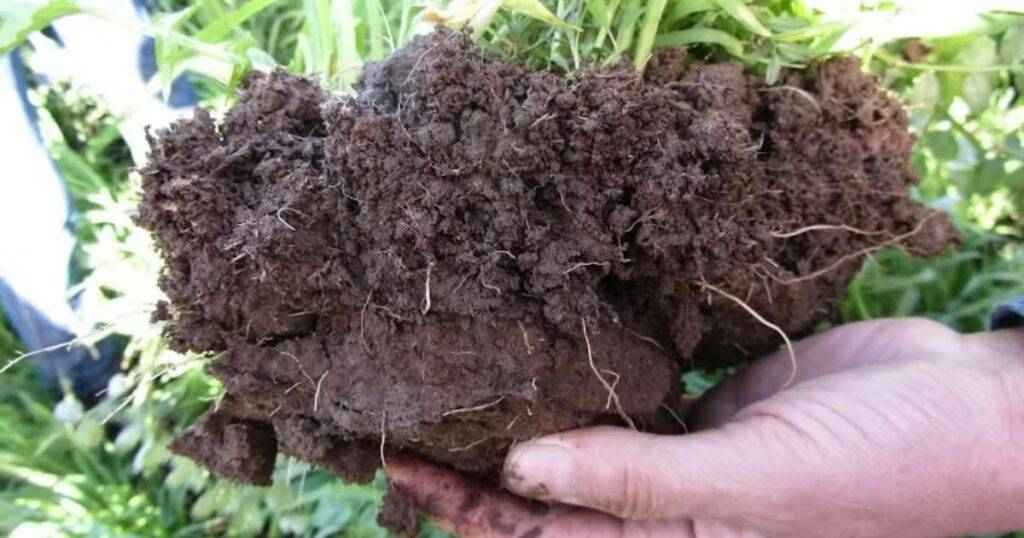 Carbon and Climate Resilience refers to the role carbon plays in helping ecosystems, soils, and farming systems adapt to climate change. Healthy soils rich in organic carbon improve water retention, enhance soil structure, and support beneficial microorganisms. These factors make crops more resilient to drought, extreme weather, and temperature changes. Carbon sequestration practices—such as cover cropping, reduced tillage, composting, and agroforestry—store carbon in the soil while reducing greenhouse gas emissions.
By increasing soil carbon levels, farmers can boost productivity and long-term soil health. Strengthening carbon management not only supports sustainable agriculture but also contributes to climate resilience, helping communities and ecosystems better withstand environmental stress and climate-related challenges.
Drought Resistance
The ability of a plant to endure and flourish in situations with little access to water is known as drought resistance. Plants with this trait can maintain growth, reduce water loss, and endure prolonged dry periods through specialized adaptations such as deep root systems, thick leaves, or waxy coatings. Drought-resistant crops and vegetation are crucial for sustainable agriculture, landscaping, and ecosystem stability in arid and semi-arid regions.
Flood Protection
Flood Protection refers to the measures and strategies designed to prevent or minimize the impact of flooding on people, property, and the environment. It includes infrastructure such as levees, dams, and floodwalls, as well as natural solutions like wetlands and river restoration. Effective flood protection also involves early warning systems, proper land-use planning, and emergency preparedness.
Carbon Sequestration
Soil acts as a major carbon sink. By storing carbon in soil organic matter, farmers can reduce atmospheric carbon dioxide levels.In the fight against climate change, this process—known as carbon sequestration—is crucial.
Agricultural Practices That Increase Soil Carbon
 Carbon and Climate Resilience refers to the role carbon plays in helping ecosystems, soils, and farming systems adapt to climate change. Healthy soils rich in organic carbon improve water retention, enhance soil structure, and support beneficial microorganisms. These factors make crops more resilient to drought, extreme weather, and temperature changes. Carbon sequestration practices—such as cover cropping, reduced tillage, composting, and agroforestry—store carbon in the soil while reducing greenhouse gas emissions.
By increasing soil carbon levels, farmers can boost productivity and long-term soil health. Strengthening carbon management not only supports sustainable agriculture but also contributes to climate resilience, helping communities and ecosystems better withstand environmental stress and climate-related challenges.
Cover Cropping
Cover crops such as clover, rye, and legumes protect soil and add organic matter when they decompose.Benefits include:
- Increased soil carbon
- Reduced erosion
- Improved soil fertility
- Better moisture retention
Reduced Tillage
Excessive tillage disrupts soil structure and accelerates the loss of organic carbon.Conservation tillage or no-till farming helps maintain soil carbon by reducing disturbance and protecting soil microbes.
Compost and Organic Amendments
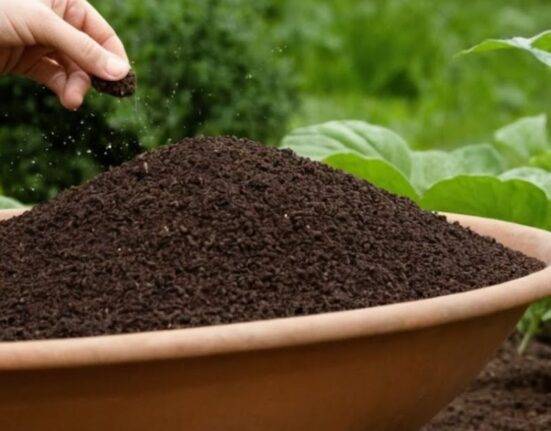
Adding compost, manure, and plant residues directly increases soil organic carbon.Organic amendments:
- Improve soil texture
- Enhance microbial activity
- Boost moisture retention
Crop Rotation
Growing different crops in rotation improves soil biodiversity and increases organic matter inputs.Deep-rooted crops can also bring nutrients from deeper soil layers to the surface.
Agroforestry
Integrating trees into agricultural systems adds organic matter through leaf litter and root systems. Trees also improve soil structure and moisture balance.
Signs of Low Soil Carbon
Many agricultural soils suffer from declining carbon levels due to intensive farming practices.Common signs of low soil carbon include:
- Poor water retention
- Hard, compacted soil
- Increased erosion
- Reduced crop productivity
- Low microbial activity
If soil appears dry and crumbly even after rainfall, it may lack sufficient organic carbon.
Measuring Soil Carbon
Farmers can measure soil carbon through soil testing. These tests help determine the percentage of organic matter present in the soil.Soil carbon testing provides valuable information for:
- Soil fertility management
- Carbon sequestration programs
- Sustainable farming planning
Regular soil testing allows farmers to track improvements in soil health over time.
Long-Term Benefits of Building Soil Carbon
Building soil carbon offers long-term benefits for both farms and the environment. Higher soil carbon improves soil structure, helping it retain moisture and nutrients more effectively. This leads to healthier plants, stronger root systems, and better crop yields over time. Carbon-rich soils also support beneficial microorganisms that enhance nutrient cycling and soil fertility. In addition, increased soil carbon helps reduce erosion and improves resilience against drought and extreme weather.
By storing carbon in the soil, farmers also help reduce atmospheric carbon dioxide levels, supporting climate change mitigation. Overall, building soil carbon creates more productive, sustainable, and resilient agricultural systems for future generations.
Increased Crop Productivity
Increased Crop Productivity refers to improving agricultural output through efficient farming practices, advanced technology, and optimized resource management. By enhancing soil fertility, irrigation methods, and crop varieties, farmers can produce higher yields per acre. This boost in productivity not only supports food security but also strengthens economic growth for farming communities.
Sustainable approaches, such as precision farming, crop rotation, and nutrient management, ensure that productivity gains do not compromise long-term soil health or environmental balance, creating a resilient and thriving agricultural system.
Reduced Fertilizer Needs
Reduced Fertilizer Needs: Optimizing soil health and nutrient management can significantly lower the requirement for synthetic fertilizers. By improving organic matter, promoting beneficial microbes, and utilizing precision farming techniques, crops can access nutrients more efficiently. This not only reduces farmers’ input costs but also minimizes environmental impacts, such as water pollution and greenhouse gas emissions. Reduced fertilizer use supports sustainable agriculture while maintaining healthy, productive soils and robust crop growth.
Improved Soil Biodiversity
Higher carbon levels encourage diverse soil organisms that naturally maintain soil health.Healthy soil reduces erosion, improves water quality, and stores atmospheric carbon.
Carbon and Sustainable Farming
 Sustainable agriculture focuses on maintaining soil productivity while protecting natural resources. Increasing soil carbon is one of the most effective ways to achieve this goal.Practices that build soil carbon also:
- Reduce greenhouse gas emissions
- Improve water conservation
- Increase farm resilience
- Support long-term food security
Many regenerative agriculture systems place soil carbon at the center of their soil management strategies.
The Future of Soil Carbon Management
As climate change and soil degradation become global challenges, soil carbon management is gaining attention worldwide.Researchers and farmers are developing new methods to increase carbon storage in soils, including:
- Biochar applications
- Advanced cover cropping systems
- Precision agriculture technologies
- Regenerative grazing systems
Governments and environmental organizations are also encouraging carbon farming through incentive programs that reward farmers for storing carbon in soil.
Conclusion:
Carbon is one of the most important components of healthy soil. By improving soil structure, increasing moisture retention, and supporting microbial life, soil carbon plays a critical role in maintaining productive and resilient agricultural systems.Soils rich in organic carbon act as natural reservoirs, storing water, nutrients, and energy for plants and microorganisms. This not only improves crop growth but also protects the environment by reducing erosion and capturing atmospheric carbon.
Farmers, gardeners, and land managers can enhance soil carbon through sustainable practices such as cover cropping, composting, reduced tillage, and crop rotation. Over time, these practices build healthier soils that support long-term agricultural productivity.
FAQ:
What is Soil Carbon?
Soil carbon refers to the carbon stored in soil, mainly as organic matter (like decomposed plants and microbes) and inorganic carbon (such as carbonates). It plays a key role in soil fertility, structure, and water retention.
How does Soil Carbon affect soil Moisture?
High levels of soil organic carbon improve soil structure by increasing porosity and aggregation. This allows soil to retain more water and improves infiltration, reducing water runoff and drought stress.
Can Carbon Sequestration Improve drought Resilience?
Yes. By increasing soil organic carbon through practices like cover cropping, compost addition, or reduced tillage, soils can hold more water, making crops more resilient to dry periods.
Does soil Carbon impact Different soil types Differently?
Yes. Sandy soils benefit significantly from added organic carbon because it helps retain water that would otherwise drain quickly. Clay soils also benefit, but mainly through improved structure and aeration.
How does Farming Practice Influence soil Carbon and Moisture?
Practices such as no-till farming, cover cropping, mulching, and organic amendments increase soil carbon, enhancing water retention. Conversely, intensive tillage and monocropping reduce soil carbon, leading to drier, less productive soils.