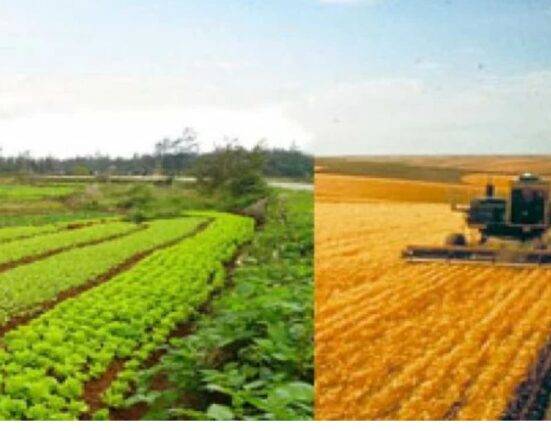

Agriculture has always been the backbone of human civilization. It provides food, fiber, and raw materials that sustain economies and societies worldwide. However, modern farming practices have often led to soil degradation, biodiversity loss, water pollution, and climate challenges. As the world’s population continues to grow, a sustainable and resilient agricultural system has become more urgent than ever.
Regenerative agriculture is emerging as a powerful solution to these problems. It focuses on restoring soil health, increasing Biodiversity, improving water cycles, and strengthening ecosystems while producing nutritious food. Unlike conventional farming methods that often rely heavily on synthetic fertilizers and pesticides, regenerative agriculture works with nature rather than regenerative agriculture practicesa gainst it.
What Is Regenerative Agriculture?
Regenerative agriculture is a farming approach designed to improve and restore communities, ecosystems, and soil health. The main goal is to improve the use of natural resources in farming while producing high-quality crops, soil, and regenerative agriculture techniques Livestock.
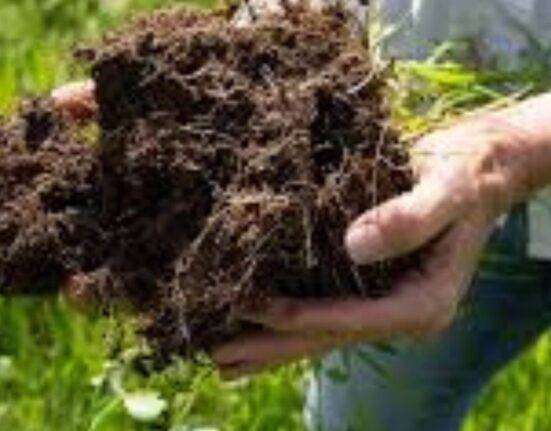
Traditional industrial agriculture often focuses on maximizing yields in the short term. This can involve heavy tillage, chemical fertilizers, monocropping, and pesticide use. While these practices can temporarily increase production, they may degrade soil structure, reduce Biodiversity, and increase environmental regenerative farmers damage over time. Regenerative agriculture takes a different approach. It focuses on rebuilding soil health and promoting natural biological processes. Healthy soil contains microorganisms, fungi, and organic matter that help plants grow naturally agriculture and climate change without excessive chemical inputs from regenerative farming farmers.
The Core Principles of Regenerative Agriculture
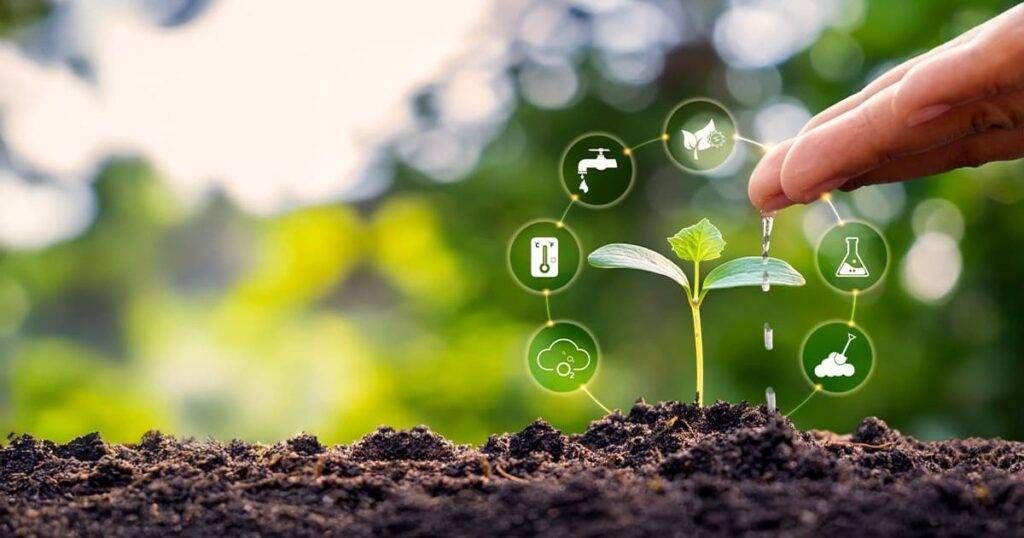
Regenerative farmers and ranchers agriculture focuses on restoring and improving the health of soil, ecosystems, and farming communities. Its core principles include minimizing soil disturbance, maintaining continuous soil cover, increasing plant diversity, and integrating Livestock with crop systems. These practices help rebuild soil health, organic matter, enhance management practices Biodiversity, and improve water retention. Regenerative farming also regenerative techniques emphasizes natural nutrient cycles, reducing the need for synthetic fertilizers and pesticides.
By prioritizing long-term soil health, farmers can increase resilience against climate change, drought, and erosion. Ultimately, regenerative agriculture aims to create sustainable food systems that regenerate the land, feed the world support farmers’ livelihoods, produce healthy, nutrient-rich crops, and cover crops protect the environment for future regenerative organic agriculture generations.
Improve Soil Health
Improving soil regenerative grazing restorative agriculture health is essential for productive and sustainable agriculture. Healthy soil contains balanced nutrients, organic matter, beneficial microorganisms, a functioning ecosystem, and a good structure that supports plant growth. Farmers and gardeners can improve soil health by adding compost, rotating crops, reducing chemical use, and planting cover regenerative management crops.
These practices increase soil fertility, improve water retention, and prevent erosion. Over time, healthier soil produces stronger plants, higher yields, and a more resilient farming system that benefits both the proponents of regenerative agriculture environment and future food biodiversity regenerative agriculture principles production.
Minimize Soil Disturbance
Minimizing soil food system grazing practices disturbance is a key principle of sustainable and regenerative agriculture. It involves reducing activities like excessive tilling or plowing that disrupt soil structure and beneficial microorganisms. By keeping the soil intact, farmers help maintain organic matter, improve water retention, and prevent erosion. Techniques include cover crops, no-till farming, and the use of natural mulch to protect the soil surface and support healthier plant growth. Over time, minimizing disturbance enhances soil fertility, promotes Biodiversity, and contributes to more conventional agriculture resilient and emission-productive farming farming practices ystems.
Keep the Soil Covered
Extreme temperatures, water loss, and erosion can all affect bare soil. Regenerative nutrient agriculture encourages farmers to keep soil covered with plants, crop residues, or greenhouse gas regenerative practices, such as mulch. Cover crops, such as clover, rye, and legumes, help protect soil and improve soil carbon farm and ranch fertility.
Increase Biodiversity
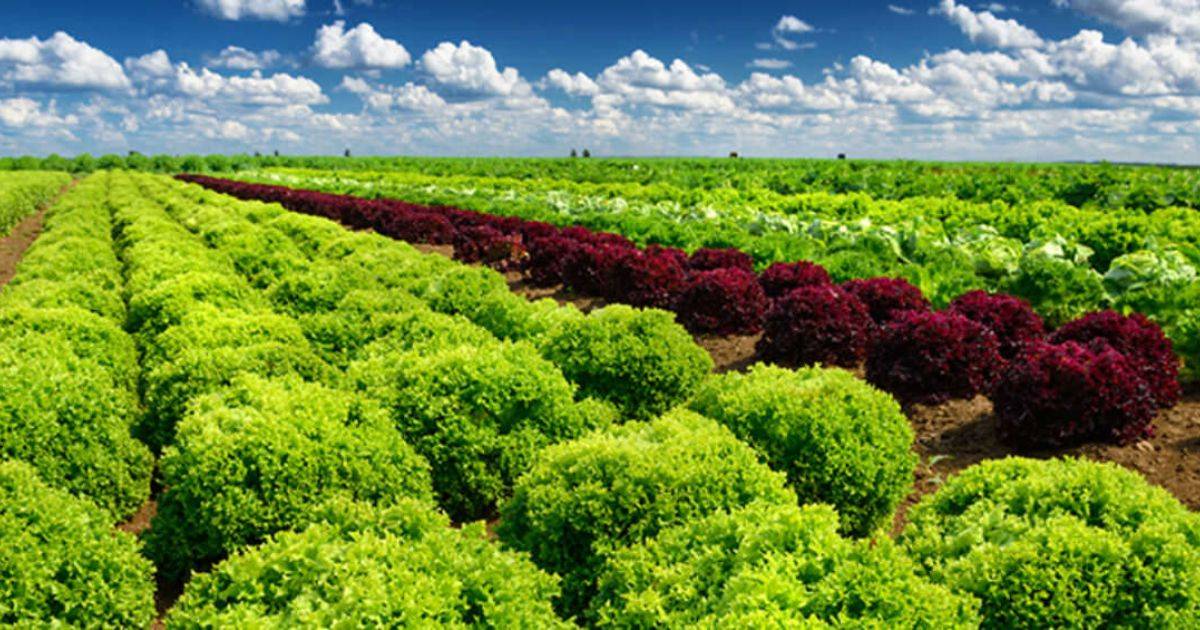
Nature thrives on regenerative agriculture report diversity. Regenerative farming systems often include multiple crops, trees, improved soil health, grasses, and regenerative farms and ranches Livestock.
This diversity improves soil, creating a balanced ecosystem that reduces pests, enhances pollination, and improves soil health for conventional to regenerative Livestock.
Integrate Livestock
Animals play a key role in natural ecosystems. Managed grazing systems allow Livestock to fertilize the soil naturally while improving the pasture’s holistic benefits of regenerative agriculture health. Rotational rancher grazing helps restore soil health and prevent sustainable agriculture overgrazing.
Common Practices in Regenerative Agriculture
Regenerative agriculture focuses on restoring soil health, improving Biodiversity, and creating resilient farming systems. Common practices include cover cropping, which protects soil from erosion and adds organic matter, and crop rotation, which improves soil nutrients and reduces pests. Reduced or no-till farming helps maintain soil structure and microbial life.
Farmers also use composting and natural fertilizers to enrich the soil rather than synthetic chemicals used in grassland. Managed grazing allows Livestock to fertilize and improve pasture health naturally. Additionally, agroforestry—growing trees alongside crops or Livestock—enhances american agriculture Biodiversity and carbon soil and water storage.
Cover Cropping
Cover Cropping is an soil and water agricultural practice in which farmers grow specific crops, known as cover crops, primarily to improve soil health rather than for harvest. These crops, such as clover, rye, and legumes, protect soil from erosion, suppress weeds, enhance nutrient content, and increase organic matter.
Cover cropping also supports water retention and encourages beneficial insects. By integrating this sustainable approach, farmers can boost long-term productivity, reduce reliance on chemical inputs, and maintain a healthier, more resilient agricultural soil and water support regenerative agriculture ecosystem.
Crop Rotation
Crop Rotation is an agricultural advance regenerative agriculture practice of growing different types of crops sequentially on the same land across seasons. This method improves soil fertility, reduces soil-borne diseases, and controls pests naturally. By alternating crops with varying nutrient requirements, farmers can maintain balanced soil nutrient levels and prevent depletion. Crop rotation also enhances Biodiversity and promotes sustainable cultivation, lowering dependency on chemical pesticides and fertilizers. It is a key strategy for long-term soil health and productive, eco-friendly natural ecosystems regenerative farming practices agriculture.
Composting
Composting is a natural process of recycling organic waste, like kitchen scraps, yard trimmings, and plant matter, into nutrient-rich soil. It reduces landfill waste, regenerative food systems enriches garden soil, and promotes healthy plant growth. By balancing “greens” (nitrogen-rich materials) and “browns” (carbon-rich materials) while maintaining moisture and aeration, composting encourages microbial decomposition. This eco-friendly land management practices practice not only supports sustainable gardening but also reduces greenhouse gas emissions from organic waste, helping fight climate change.
Agroforestry
Agroforestry combines agriculture around the globe trees with crops or Livestock. Trees provide shade, resources conservation service reduce erosion, improve regenerative Biodiversity, and store regenerative farmers and ranchers carbon.
Rotational Grazing
Livestock are moved between pasture areas regularly to allow grass to recover. This system improves pasture principles of regenerative agriculture productivity, soil water quality, and fertility.
Environmental Benefits of Regenerative Agriculture
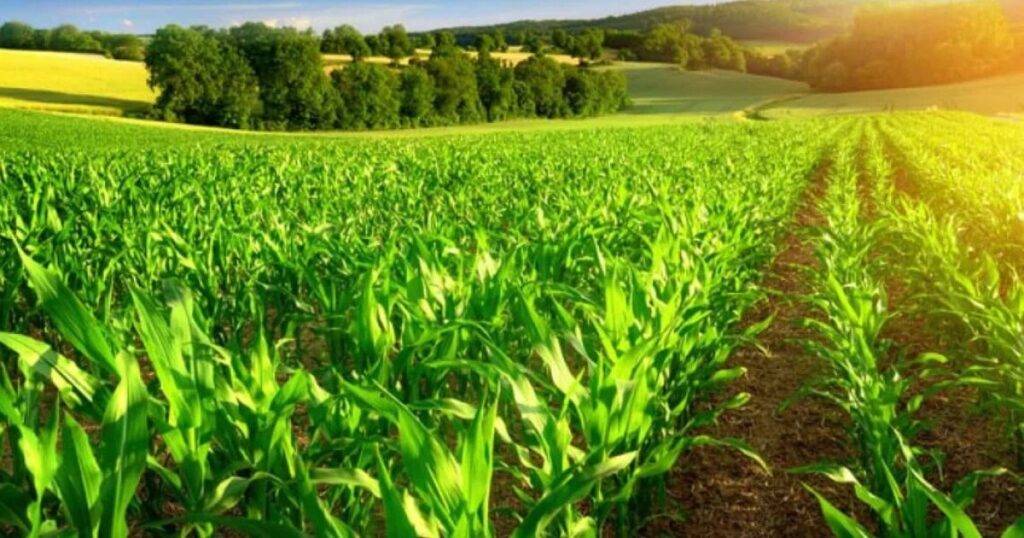 Regenerative agriculture is a sustainable farming approach that focuses on restoring soil health, improving Biodiversity, and reducing greenhouse gas emissions. Techniques such as reduced tillage, cover crops, crop rotation, and composting help rebuild soil organic matter and increase its ability to store carbon. This world resources institute process can reduce greenhouse gas emissions and combat climate change. Healthy soils also improve water retention, reduce erosion, and lower the need for synthetic pesticides and fertilizers.
In addition, regenerative farming supports diverse plant and animal life, creating more resilient ecosystems. Overall, regenerative agriculture protects natural resources while promoting long-term productivity and environmental sustainability to reduce future greenhouse gas emissions.
Soil Restoration
Soil Restoration is the process of principles and practices reviving degraded or damaged soil to improve its fertility, structure, and Biodiversity. It involves techniques such as adding organic matter, planting cover crops, practicing crop rotation, and reducing chemical inputs. Healthy soil enhances water retention, supports robust plant growth, and mitigates erosion. By restoring soil, farmers and gardeners promote sustainable agriculture, increase crop yields, and contribute to environmental resilience, making it a vital practice for long-term ecosystem and food agricultural system resources for regenerative security.
Climate Change Mitigation
One of the most important benefits of regenerative agriculture is carbon sequestration. Plants capture carbon dioxide through photosynthesis and store it in the soil. This process can help reduce atmospheric greenhouse gas emissions from food production.
Water Conservation
Healthy soils act like a sponge, absorbing and retaining water more effectively. This reduces runoff, improves drought resilience, and protects water resources.
Biodiversity Protection
Diverse plant and animal life is promoted by regenerative farming. This supports pollinators, beneficial insects, birds, and wildlife.
Reduced Chemical Pollution
By focusing on natural soil fertility and pest control, regenerative agriculture reduces the need for synthetic fertilizers and pesticides.This protects water quality and reduces environmental pollution.
Economic Benefits for Farmers
Economic benefits for farmers play a vital role in improving livelihoods and strengthening rural economies. When farmers adopt efficient farming practices, modern technology, and sustainable methods, they can increase crop yields and reduce production costs. Higher productivity leads to greater profits and more stable income throughout the year. Economic growth in farming also creates job opportunities in rural communities, supporting workers involved in planting, harvesting, processing, and transportation.
Access to better markets, fair pricing, and government support programs further helps farmers earn more from their produce. Overall, strong economic benefits encourage farmers to invest in better tools, improve soil health, and expand their agricultural operations.
Lower Input Costs
Lower Input Costs refer to strategies and practices in farming or production that reduce the costs of essential resources, such as seeds, fertilizers, water, energy, and labor. By optimizing resource use, adopting efficient technologies, or leveraging sustainable methods, producers can maintain or even increase output while spending less. Lower input costs not only enhance profitability but also improve overall operational sustainability, making it easier for farmers and businesses to remain competitive in a changing economic and environmental landscape.
Improved Soil Productivity
Improved Soil Productivity refers to the enhancement of soil’s natural ability to support healthy plant growth. By increasing nutrient content, improving structure, and promoting beneficial microbial activity, soil becomes more fertile and resilient. Techniques such as crop rotation, organic composting, cover cropping, and reduced chemical inputs help maintain long-term productivity. Healthier soil not only boosts crop yields but also enhances water retention, reduces erosion, and contributes to sustainable farming practices, ensuring a balanced ecosystem for agriculture.
Market Opportunities
Sustainably produced food is gaining popularity among consumers. Farmers who adopt regenerative practices may access premium markets and higher prices.
Greater Farm Resilience
Regenerative farms are often more resilient to extreme weather conditions such as droughts and floods. This stability helps farmers manage risks more effectively.
Challenges of Regenerative Agriculture
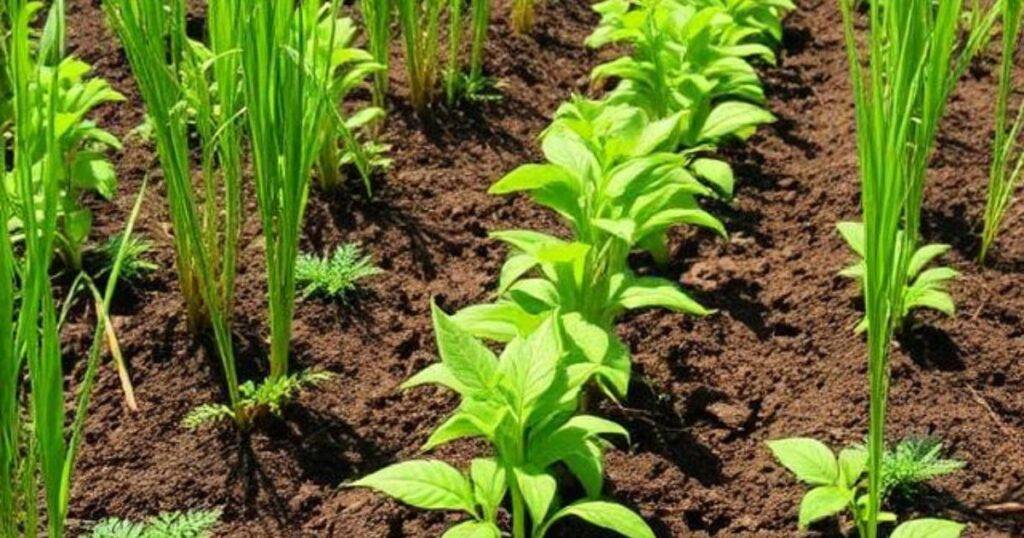 Regenerative agriculture aims to restore soil health, increase Biodiversity, and improve ecosystem resilience. However, adopting this approach comes with several challenges. Farmers often face high initial transition costs, as new equipment, training, and soil-building practices may be required. Yields can temporarily decline during the transition period, affecting farm income. Additionally, limited technical knowledge and unclear policies or financial incentives may discourage adoption.
Measuring improvements in soil health and long-term environmental benefits can also be difficult. Despite these obstacles, many farmers believe the long-term benefits—such as healthier soils, improved water retention, and greater climate resilience—make regenerative agriculture a promising path to sustainable farming.
Transition Period
The transition period is a critical phase of change during which systems, processes, or individuals move from one state to another. In agriculture, it often refers to the shift from conventional to organic or regenerative practices, which require careful adaptation and monitoring. During this time, crops, soil, and Livestock adjust to new methods, and farmers implement gradual strategies to ensure sustainability and productivity. Proper management of the transition period is essential for long-term success and resilience in any evolving environment.
Knowledge and Training
Knowledge and Training: These are essential pillars for personal and professional growth. Knowledge provides the understanding of concepts, facts, and information, while training transforms that understanding into practical skills through structured practice. Together, they empower individuals to perform tasks efficiently, make informed choices, and adapt to changing circumstances. Whether in the workplace, education, or daily life, continuous learning and skill development ensure competence, confidence, and the ability to meet challenges successfully in a dynamic world.
Policy and Support
In many countries, agricultural policies still favor conventional farming systems. Increased support and incentives may be needed to encourage regenerative practices.
Initial Investment
Some regenerative techniques require new equipment, infrastructure, or planning, which can involve upfront costs.
The Role of Technology in Regenerative Agriculture
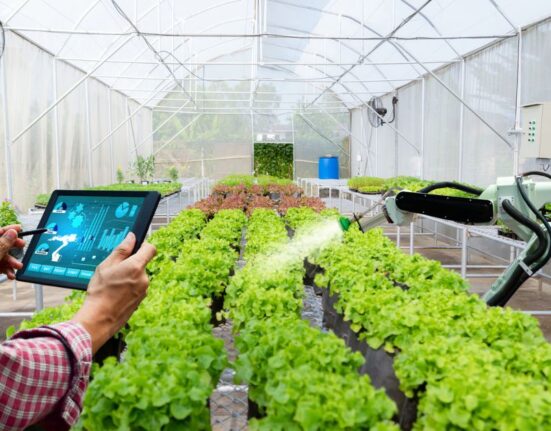
Modern technology can support regenerative farming practices.Precision agriculture tools allow farmers to monitor soil conditions, moisture levels, and crop health more accurately. Drones, satellite imagery, and soil sensors help farmers make better decisions and reduce waste.
Digital platforms also allow farmers to share knowledge and learn regenerative techniques from other farmers worldwide. Combining traditional ecological knowledge with modern technology can accelerate the adoption of regenerative agriculture.
Regenerative Agriculture Around the World
Regenerative agriculture is gaining momentum globally.Farmers in the United States, Australia, Europe, Africa, and Asia are experimenting with regenerative practices.
Large food companies are also beginning to support regenerative supply chains. Some organizations are investing in regenerative farming programs to reduce their environmental impact. Governments and research institutions are also studying regenerative agriculture as a potential solution to climate change and food security challenges.
The Future of Regenerative Agriculture
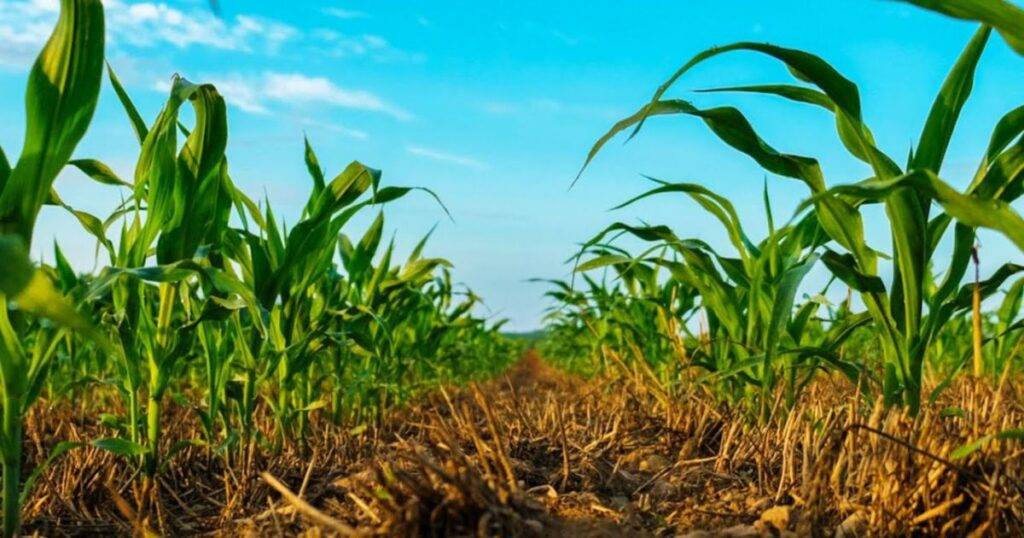 The future of agriculture must balance productivity with environmental responsibility. Regenerative agriculture offers a promising path forward.As soil health improves and ecosystems recover, regenerative farming systems can produce nutritious food while protecting natural resources.Education, research, and supportive policies will play an important role in expanding regenerative agriculture globally.
Consumers can also support this movement by choosing food produced using sustainable farming practices. If widely adopted, regenerative agriculture could transform global food systems and help create a more resilient and sustainable future.
Conclusion:
Regenerative agriculture represents a powerful shift in how we think about farming and food production. Instead of focusing solely on maximizing short-term yields, it emphasizes long-term soil health, ecosystem balance, and environmental sustainability.
By improving soil fertility, increasing Biodiversity, conserving water, and reducing chemical inputs, regenerative agriculture offers significant benefits for farmers, consumers, and the planet. Although transitioning to regenerative systems can require time, knowledge, and investment, the long-term rewards are substantial. Healthier soils lead to more resilient farms, stronger ecosystems, and more sustainable food systems.
FAQ:
What is Regenerative Agriculture?
Regenerative agriculture is a farming approach focused on restoring soil health, increasing Biodiversity, and improving ecosystem resilience. It goes beyond sustainability by actively regenerating natural resources, rather than just conserving them.
How is Regenerative Agriculture different from Conventional Farming?
Unlike conventional farming, which often depletes soil and relies heavily on synthetic inputs, regenerative practices emphasize soil regeneration, cover cropping, crop rotation, reduced tillage, and integrating Livestock to create a self-sustaining ecosystem.
What are the Main Benefits of Regenerative Agriculture?
Benefits include improved soil fertility, increased water retention, enhanced Biodiversity, carbon sequestration to combat climate change, healthier crops, and potentially higher long-term yields for farmers.
Can Regenerative Agriculture help Fight Climate Change?
Yes. By improving soil health and increasing organic matter, regenerative agriculture captures carbon from the atmosphere and stores it in the soil, making it a natural and effective carbon sequestration method.
Is Regenerative Agriculture Suitable for all types of Farms?
While principles can be adapted to most farms, the specific techniques depend on local climate, soil type, crop choice, and available resources. Small-scale and large-scale farms can both benefit, though strategies may differ.